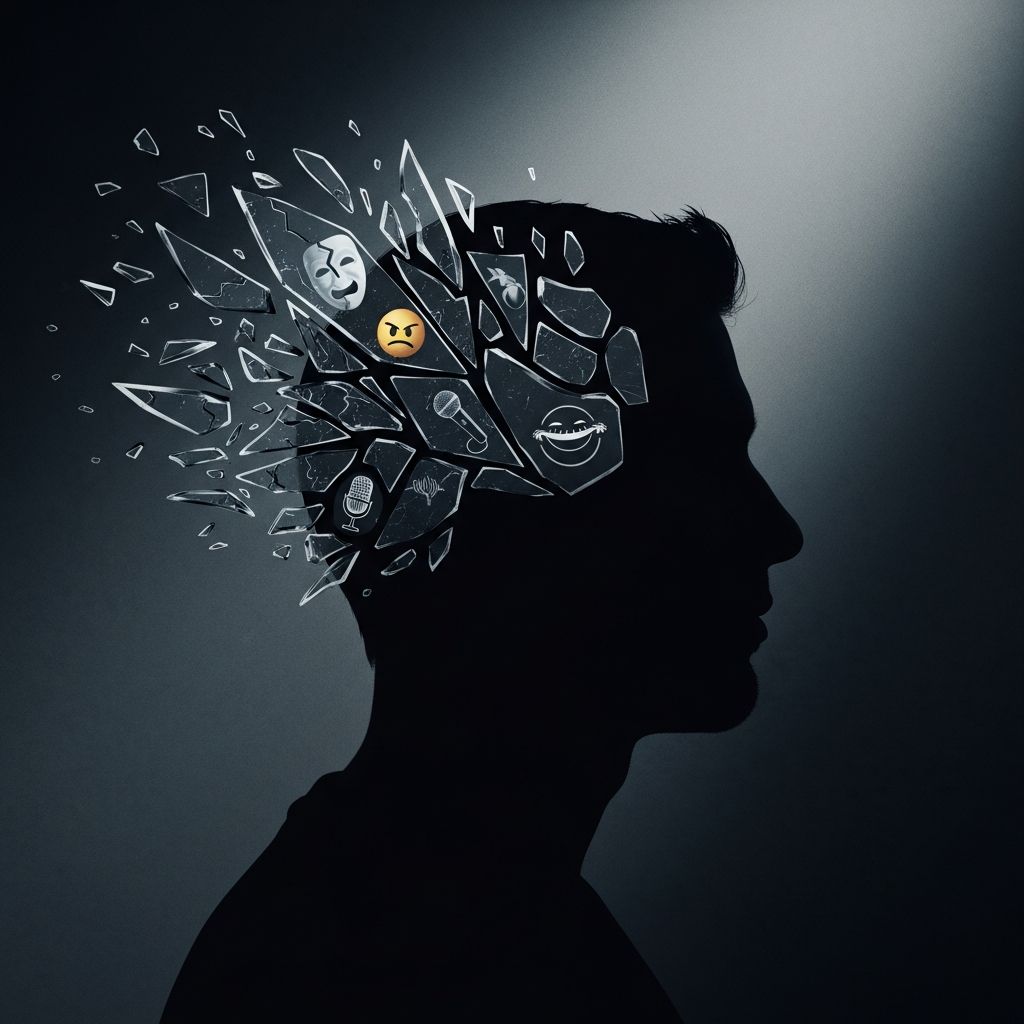
Children often conceal their innermost feelings, presenting a cheerful exterior while grappling with internal turmoil. Recognizing these hidden emotions is crucial for parents, as it allows for timely support and nurtures emotional intelligence, which predicts long-term success better than IQ. This article explores observable indicators, developmental insights, and practical approaches to help children express themselves authentically.
Why Kids Suppress Their Feelings
Young children develop emotional self-regulation around age four, learning to manage disturbing stimuli by avoiding them, such as covering their eyes when scared. This innate process can evolve into habitual suppression if not guided properly. Emotional competence—encompassing expression, knowledge, and regulation of emotions—directly influences social adjustment and academic readiness. When children hide feelings, it stems from fear of negative reactions, desire to please adults, or lack of vocabulary to articulate complex emotions like guilt or shame.
Research shows that a positive affective climate in the home promotes healthy emotional outcomes, while negative environments lead to peer difficulties. Parents’ responses to emotions shape this climate; dismissing feelings teaches kids to bury them, hindering empathy and self-control development. Building awareness starts with understanding these roots.
Behavioral Clues Your Child May Be Masking Emotions
Subtle shifts in daily routines often signal unspoken distress. Parents attuned to these can intervene early, preventing escalation into behavioral issues.
- Sudden Withdrawal from Play: A once outgoing child retreating from group activities might indicate overwhelming anxiety or sadness, as emotions impact engagement levels.
- Changes in Appetite or Sleep: Refusing favorite foods or insomnia frequently points to internal stress, disrupting basic self-regulation.
- Increased Perfectionism: Obsessive focus on flawless performance can mask fear of failure, linking to underdeveloped emotion knowledge.
- Frequent Physical Complaints: Headaches or stomachaches without medical cause often somatize hidden emotional pain.
These signs interconnect; for instance, poor sleep exacerbates irritability, creating a cycle that reinforces suppression.
Non-Verbal Signals of Concealed Distress
Body language reveals what words conceal. Children high in emotional intelligence use clear nonverbal cues, but those suppressing may show mismatched signals.
| Hidden Emotion | Common Non-Verbal Sign | Why It Occurs |
|---|---|---|
| Anxiety | Fidgeting, nail-biting | Attempt to self-soothe without verbalizing fear |
| Sadness | Avoiding eye contact, slumped posture | Protective withdrawal to hide vulnerability |
| Anger | Clenched fists, forced smiles | Suppressing outburst to maintain ‘good’ image |
| Overwhelm | Excessive yawning, zoning out | Emotional overload mimicking fatigue |
Observing these consistently helps differentiate normal moods from persistent hiding. Validation through eye contact and mirroring can encourage openness.
Academic and Social Red Flags
Emotional suppression manifests in school settings, where higher emotional intelligence correlates with better attention and relationships. Watch for:
- Declining Grades Without Effort Change: Distraction from unresolved feelings impairs focus, predicting lower achievement.
- Sudden Peer Conflicts: Misreading others’ emotions leads to isolation; deficits in emotion knowledge predict aggression.
- Reluctance to Attend School: Feigned illnesses signal social-emotional strain, as empathy gaps hinder bonds.
Longitudinal studies affirm self-control’s role: children excelling here in youth enjoy better health and success in adulthood. Early detection in academics prevents dropout risks tied to low emotional intelligence.
Building Emotional Vocabulary and Awareness
To counter hiding, equip children with tools. Emotional intelligence comprises recognizing, understanding, labeling, expressing, and regulating emotions. Start young:
- Model Openness: Share your emotions daily, e.g., “I feel frustrated because…” to normalize expression.
- Use Emotion Charts: Visual aids help label feelings, fostering knowledge crucial for regulation.
- Reflect Past Reactions: Discuss, “Remember when you felt scared? What helped?” building self-awareness.
These practices transform emotions from threats to teachable moments, enhancing problem-solving.
Practical Strategies for Emotion Coaching
Dr. John Gottman’s five-step method empowers parents. Adapt for daily use:
- Awareness: Notice subtle cues without demanding displays.
- Opportunity: View upsets as bonding chances.
- Validation: Listen actively, reflecting back: “You seem upset about that.”
- Labeling: Name emotions: “That sounds like disappointment.”
- Problem-Solve: Set limits on behavior while guiding solutions.
Integrate into routines, like bedtime talks, yielding empathic, resilient kids.
Age-Specific Approaches to Emotional Support
Tailor interventions by developmental stage.
| Age Group | Key Challenges | Support Tactics |
|---|---|---|
| 0-2 Years | Basic expression via cries | Responsive soothing, mirroring faces |
| 3-5 Years | Emerging labels, tantrums | Play-based emotion talks, mood meters |
| 6-10 Years | Peer dynamics, self-consciousness | Role-play scenarios, empathy exercises |
| 11+ Years | Complex feelings, independence | Open discussions, journaling prompts |
Consistent application across ages builds lifelong skills.
The Role of Family Dynamics
Parents’ emotion socialization—modeling, reactions, instruction—critically shapes competence. Positive climates foster prosocial behaviors; negative ones breed suppression. Siblings influence too: harmonious homes teach empathy naturally.
Self-regulation training benefits all: boosts motivation, decision-making, stress management. Invest here for family-wide gains.
Potential Long-Term Impacts of Unaddressed Suppression
Ignored signals risk behavioral problems, poor relationships, and health issues. Conversely, nurtured emotional intelligence yields focused, empathic adults. Proactive parenting bridges this gap.
Frequently Asked Questions
What if my child denies feeling upset?
Validate gently: “It’s okay if it’s hard to say; I’m here when you’re ready.” Patience builds trust.
How often should we discuss emotions?
Daily, briefly—mealtimes or drives work best for normalization.
Can schools help develop this?
Yes, social-emotional learning programs enhance attention and bonds.
Is emotional intelligence genetic?
Partly, but coaching significantly improves it.
What about cultural differences?
Adapt expressions respectfully; core skills universal.
References
- How to Strengthen Your Child’s Emotional Intelligence — Gottman Institute. 2023-05-15. https://www.gottman.com/blog/strengthen-childs-emotional-intelligence/
- Teaching Emotional Intelligence in Early Childhood — NAEYC. 2017-03-01. https://www.naeyc.org/resources/pubs/yc/mar2017/teaching-emotional-intelligence
- Emotional Intelligence in the First Five Years of Life — Child Encyclopedia. 2022-08-10. https://www.child-encyclopedia.com/emotions/according-experts/emotional-intelligence-first-five-years-life
- Emotional Intelligence in Children — IJTRD. 2022-06-20. https://www.ijtrd.com/papers/IJTRD22090.pdf
- 6 Tips for Helping Your Child Build Emotional Intelligence — Understood.org. 2024-02-12. https://www.understood.org/en/articles/6-tips-for-helping-your-child-build-emotional-intelligence
- Why ‘Social and Emotional Learning’ Is So Important for Kids — Yale Medicine. 2023-11-05. https://www.yalemedicine.org/news/social-emotional-child-development
- Raising Emotionally Intelligent Children — HelpGuide.org. 2024-01-20. https://www.helpguide.org/family/parenting/raising-emotionally-intelligent-children