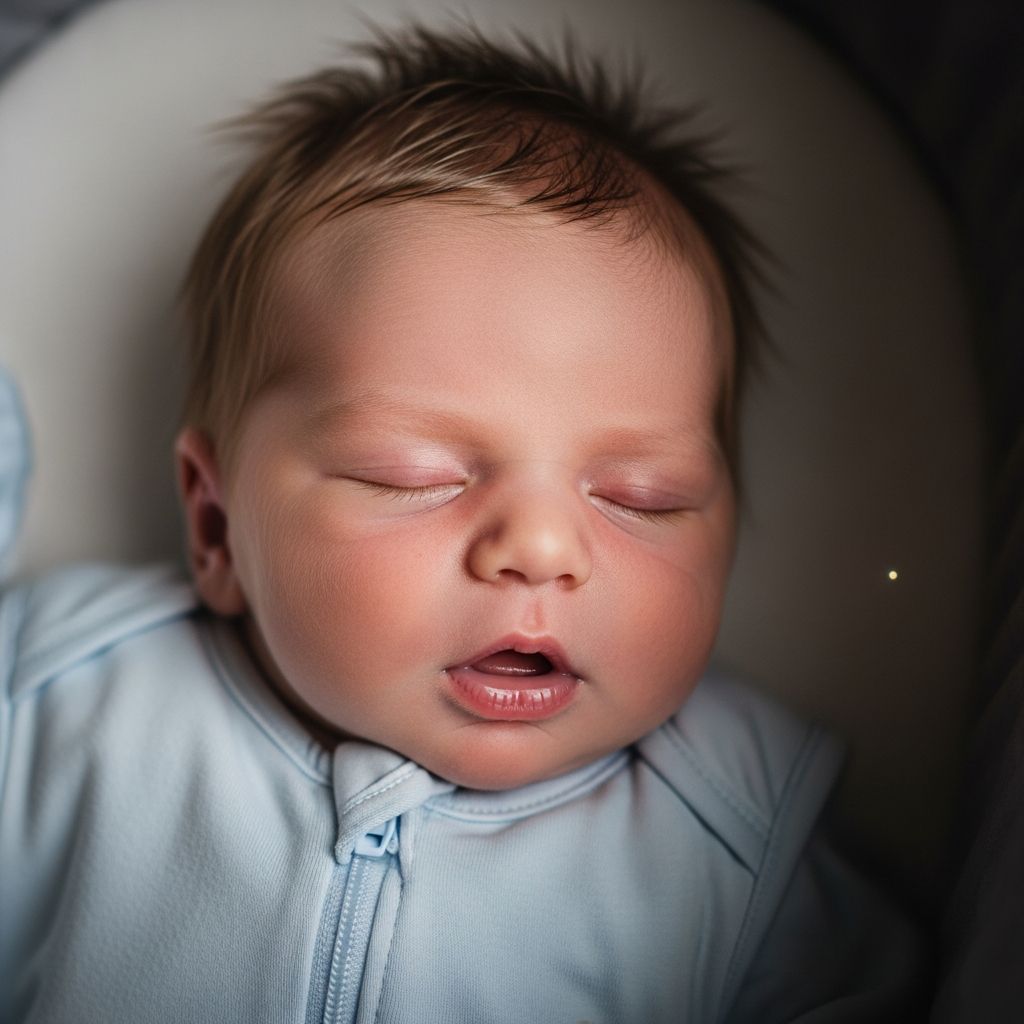
If you imagined peaceful silence once your newborn finally drifted off, the real soundtrack of baby sleep can be a shock. Grunts, squirms, squeaks, snorts, brief cries, and dramatic wiggles are incredibly common, even while your baby stays fully asleep. Understanding what is normal, what counts as a true waking, and how to respond can protect both your baby’s sleep and your sanity.
This guide explains why newborns sleep so noisily, how their sleep differs from yours, how to tell sleepy noises from real needs, and practical strategies for getting more rest during the early weeks.
How Newborn Sleep Really Works
Newborns do not follow the long, deep, quiet sleep cycles that adults are used to. Instead, their sleep is short, light, and busy. Once you understand this, all those strange little sounds make a lot more sense.
Short, active sleep cycles
In the first months, babies cycle through sleep stages much more quickly than adults. A typical newborn sleep cycle lasts about 40–60 minutes, compared with 90 minutes or more for older children and adults. They also spend a much larger share of that time in lighter, more active sleep.
- Active sleep: Light, twitchy sleep with moving limbs, facial expressions, and lots of sounds.
- Quiet sleep: Deeper, more still sleep with slower, more regular breathing.
- Frequent cycling: More transitions between stages mean more opportunities for grunts, whimpers, and brief fussing.
Why active sleep is so noisy
During active sleep, your baby’s brain is incredibly busy. This state is thought to support rapid development of the nervous system, learning, and memory. Because newborns do not have the muscle-paralysis that adults experience in this stage, all that brain activity shows up on the outside.
- Eye movements under closed lids.
- Facial expressions such as grimacing, smiles, and frowns.
- Arm and leg jerks, kicking, or stretching.
- Random sounds: coos, cries, squeaks, whimpers, and small yelps.
All of this can happen while your baby is still soundly asleep, which is why intervening too quickly can accidentally wake a baby who was about to drift back into deeper sleep.
Common Noises Newborns Make in Their Sleep
Once you start listening for it, newborn sleep can sound like a tiny farmyard at 3 a.m. Many of these noises are related to breathing, digestion, and the newborn body learning how to coordinate many new tasks.
Breathing sounds you may hear
Newborns primarily breathe through their noses, which are very small and easily influenced by tiny bits of mucus or dryness. Their breathing is often irregular, with brief pauses followed by faster breaths. This can sound much more dramatic than it really is.
- Snorts or snuffles: Often due to mild congestion or dried milk around the nostrils.
- Whistles or squeaks: Air moving through narrow nasal passages.
- Rattly breathing: Milk residue or normal mucus in the upper airway.
Healthy newborns naturally shift their breathing pattern throughout a sleep cycle. Short pauses followed by a few quicker breaths can be normal, as long as color, overall tone, and feeding are otherwise normal and your baby returns to a steady pattern within seconds.
Digestive noises and grunts
Digestion is one of the busiest jobs a newborn’s body does, especially at night when feeds are still frequent. Their digestive system is immature, and moving milk, gas, and stool through the gut takes effort. That effort shows up as sound and movement.
- Grunting as they push gas or stools along.
- Squirming and pulling their knees up toward their chest.
- Rumbling and gurgling from the belly.
- Burps or small spit-ups between sleep cycles.
These noises can be intense, especially in the early-morning hours when digestion seems most active. Yet many babies continue to sleep through their own performance, even as their parents lie wide awake listening.
Vocalizations that sound like crying
One of the most confusing parts of newborn sleep is that brief cries or shout-like sounds do not always mean full wakefulness. Babies may let out a few cries and then immediately fall still again, never opening their eyes.
- Single cries or clusters of two to three cries with no eye opening.
- Short whimpers during transitions between sleep stages.
- Half-awake fussing that settles without a full feed or long cuddle.
These short sounds can be part of the normal shift from one stage of sleep to another. Learning to pause, observe, and wait a moment before responding often reveals that your baby was not fully awake after all.
Normal Noisy Sleep vs. True Wakings
Not every sound is a cry for help. Learning to distinguish between “sleepy noise” and a true waking is one of the most helpful skills new parents can build. It protects your baby’s ability to link sleep cycles and protects your rest as well.
Key signs your baby is still asleep
Instead of focusing only on the noise, look at the overall picture. A noisy baby may still be in deep rest if their behavior and body language say “I’m sleeping.”
- Eyes remain closed, or open briefly and drift closed again.
- Body relaxes after a few movements rather than fully tensing or arching.
- No gradual increase in crying; sounds stay about the same or fade away.
- Breathing returns to a steady rhythm after a noisy burst.
If these signs are present, it is often best to hold back, watch for a minute or two, and allow your baby the chance to resettle on their own.
Signs of a true waking that needs attention
A real waking looks and feels very different. When your baby is fully awake and signaling a need, the cues line up more clearly and keep building instead of fizzling out.
- Eyes open and stay open, with more focused movements.
- Crying becomes more intense or frequent rather than stopping on its own.
- Body posture changes from relaxed to active—arching, flailing, or strong rooting movements.
- Clear hunger cues such as turning toward touch, sucking motions, or searching for the breast or bottle.
When several of these signs show up together, it usually means your baby truly needs you—whether that is for a feed, a diaper change, or comfort.
Quick reference: noises vs. needs
| What you notice | Likely situation | What to try first |
|---|---|---|
| Grunting, squirming, eyes closed, then quiets | Active sleep with digestive effort | Pause and observe; adjust position gently if needed |
| Brief cries, no eye opening, settles within a minute | Transition between sleep cycles | Wait before picking up; offer a gentle hand on chest |
| Breathing sounds irregular but baby looks relaxed | Typical newborn breathing pattern in sleep | Watch for overall color and comfort; check the room air |
| Crying grows louder, eyes open, clear rooting | True waking, likely hungry or uncomfortable | Respond with feed, diaper check, or soothing |
| Noisy breathing with visible distress or color change | Potential breathing issue or illness | Seek medical advice urgently |
Helping Your Noisy Sleeper (Without Over-Waking Them)
The goal is not to eliminate all noise—that is not realistic for most newborns. Instead, focus on creating a sleep environment and response pattern that keeps your baby safe and supported while limiting unnecessary wakings for both of you.
Set up a baby-friendly, parent-friendly sleep space
Most families find the first weeks easier when the baby sleeps in the same room, but not in the same bed, following safe-sleep guidelines. That keeps your baby close enough for reassurance while giving everyone a bit of separation from every tiny sound.
- Use a firm, flat sleep surface such as a crib or bassinet designed for infants.
- Keep the sleep space clear of pillows, loose blankets, and soft toys.
- Consider a gentle white-noise machine to mask minor grunts and squeaks.
- Place the bassinet a short distance from your pillow rather than right under your ear.
Try simple strategies to ease digestive noise
While you cannot—and should not—try to silence every sound, you can support your baby’s digestion so that they are more comfortable during the night. Small adjustments around feeding times can make some difference.
- Offer a good burp after feeds, especially before longer stretches of sleep.
- Keep your baby slightly upright for a short time after feeding.
- Check diaper fit to avoid extra pressure on the belly.
- Talk with a healthcare professional if you suspect reflux, formula intolerance, or persistent discomfort.
Practice the pause
One of the most powerful tools you have is simply waiting a moment. When your baby grunts or whimpers, pause for a short count and observe. Often, you will see your baby shift, take a breath, and slide back into quieter sleep without any help.
- Count slowly to 30 before scooping your baby up, unless you see signs of distress.
- During that pause, watch for eye opening, body tension, or escalating cries.
- If they settle, let them be; if they wind up, respond with your usual soothing routine.
Caring for Your Own Rest and Anxiety
Noisy newborn sleep does not only affect the baby. Many parents find themselves wide awake, monitoring every sound and movement, long after the baby has returned to deeper sleep. Taking steps to care for your own nervous system is just as important as understanding the baby’s.
Lower the volume on hyper-vigilance
It is natural to feel on high alert in the early days. Over time, though, constantly jolting awake at every noise is exhausting. Small changes can help you stay responsive without feeling like a 24-hour security system.
- Use a baby monitor thoughtfully; when you share a room, you may not need it at night.
- If you do use a monitor, choose audio settings that soften the quietest sounds.
- Ask a partner or trusted support person to take some shifts so you can fully rest.
Reframing what “good sleep” looks like with a newborn
“Sleeping through the night” for a newborn does not mean silent, uninterrupted hours. More realistically, good sleep in the first weeks looks like your baby cycling through active and quiet sleep, getting enough total hours over 24 hours, and being reasonably settled between feeds.
- Measure sleep in total daily hours, not just long nighttime stretches.
- Expect frequent night feeds; full nights of sleep usually come much later.
- Celebrate small wins, like a slightly longer stretch or easier settling after a feed.
When Noisy Sleep Might Signal a Problem
Most sleep sounds are normal, even if they are loud. However, there are times when noises and movements point to something more serious. Trust your instincts; if something feels off, it is always appropriate to ask a healthcare professional to check your baby.
Warning signs to watch for
Seek medical advice promptly if you notice any of the following during sleep or wakefulness. These signs go beyond typical newborn noise and can indicate breathing or health concerns.
- Persistent breathing that seems labored, with visible pulling at the ribs or neck.
- Color changes such as a bluish tint around lips, tongue, or face.
- Very high-pitched or wheezy sounds that do not ease with position changes.
- Poor feeding, low energy, or fewer wet diapers than expected for age.
- Fever, persistent cough, or other signs of illness.
If you are unsure whether what you see is normal, err on the side of checking in with a pediatric provider. They can listen, observe, and—just as importantly—reassure you when everything is on track.
Frequently Asked Questions About Noisy Newborn Sleep
1. My baby grunts all night. Are they in pain?
Grunting is extremely common in newborns and is often just a sign that they are working on digestion or passing gas. If your baby still feeds well, gains weight, has normal diapers, and can be consoled when fully awake, the grunting alone is usually not a sign of serious pain. Mention it at routine checkups so your provider can rule out any medical concerns and offer tailored guidance.
2. Should I wake my baby every time they make a loud noise?
In most cases, no. Waking a baby for every grunt or squeak can actually interrupt their natural sleep cycles and make everyone more tired. Instead, pause and observe first; if your baby settles and stays asleep, there is no need to intervene. Save your full response for times when your baby clearly wakes, cries persistently, or shows signs of needing a feed or comfort.
3. Is it safe to use white noise for a noisy sleeper?
Many families find that gentle white noise helps everyone rest by softening minor sleep sounds. If you use it, place the device a safe distance from the crib, use a moderate volume, and choose a consistent, non-jarring sound like rain or soft static. Turn it off during the day if you prefer, or continue using it as part of a calm sleep routine as your baby grows.
4. Will my baby always sleep this noisily?
For most babies, the noisiest sleep happens in the first few months, when active sleep takes up a big portion of the night and digestion is still maturing. As your baby grows, sleep cycles lengthen, the digestive system becomes more efficient, and breathing patterns even out. Noise levels usually soften gradually without you needing to do anything special.
5. How can I tell if noisy sleep is affecting my baby’s rest quality?
Loud sleep does not automatically mean poor-quality sleep. Focus on how your baby seems overall: Are they waking for feeds, then returning to sleep? Are they gaining weight and having regular wet and dirty diapers? Are there at least a few calm, alert periods during the day? If the answer is yes, your baby is likely getting the rest they need, even if the soundtrack is louder than expected.
6. What if I am too anxious to sleep because of the noises?
Feeling anxious about your newborn’s sleep is very common, but if the worry is keeping you from resting at all, it deserves attention. Sharing night duties, lowering monitor sensitivity, and getting reassurance from a trusted healthcare professional can help. If fear or intrusive thoughts feel overwhelming, consider reaching out to a mental health provider experienced in postpartum care; support for you is just as important as sleep for your baby.
Newborn sleep may never be completely quiet, but with understanding and a few thoughtful strategies, it can become far less stressful. Over time, you will learn which sounds are simply part of your baby’s nightly orchestra and which ones truly need a response—and that confidence is one of the most valuable sleep tools you can have.