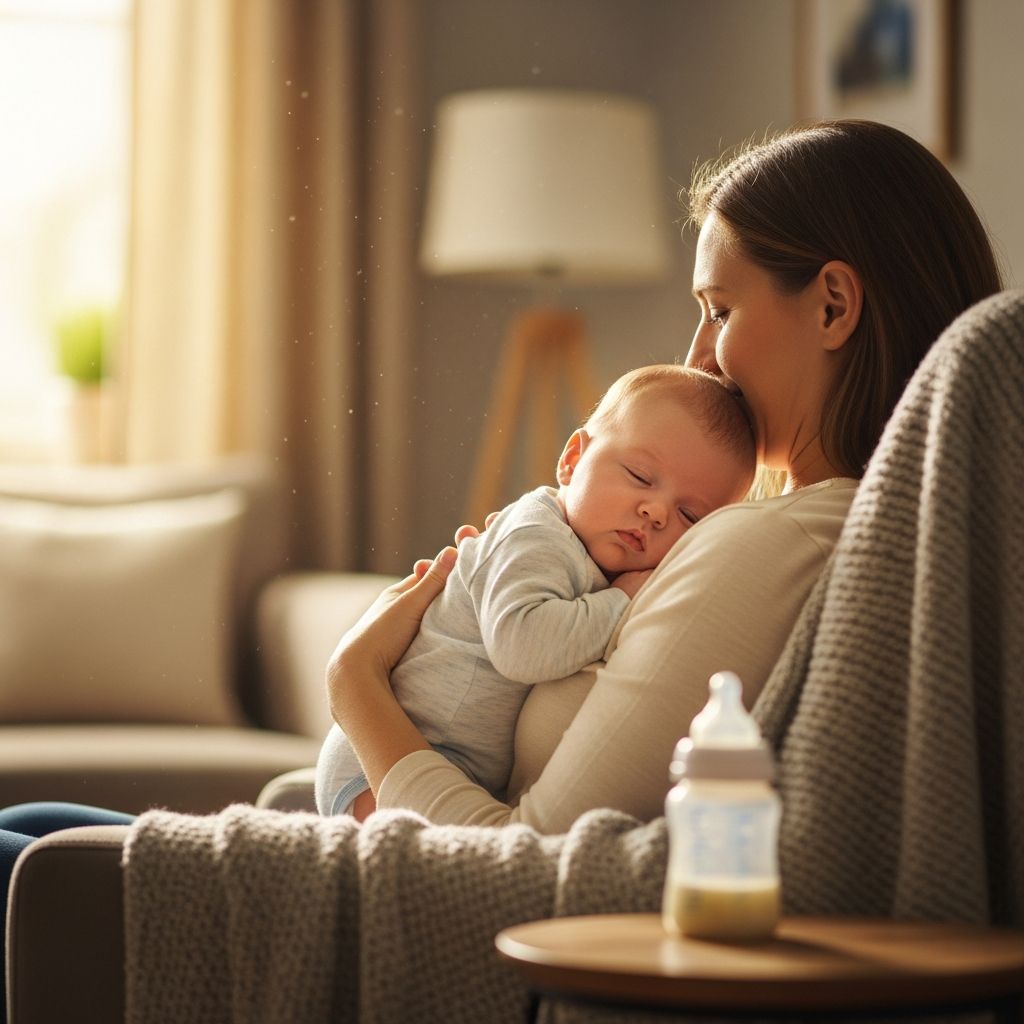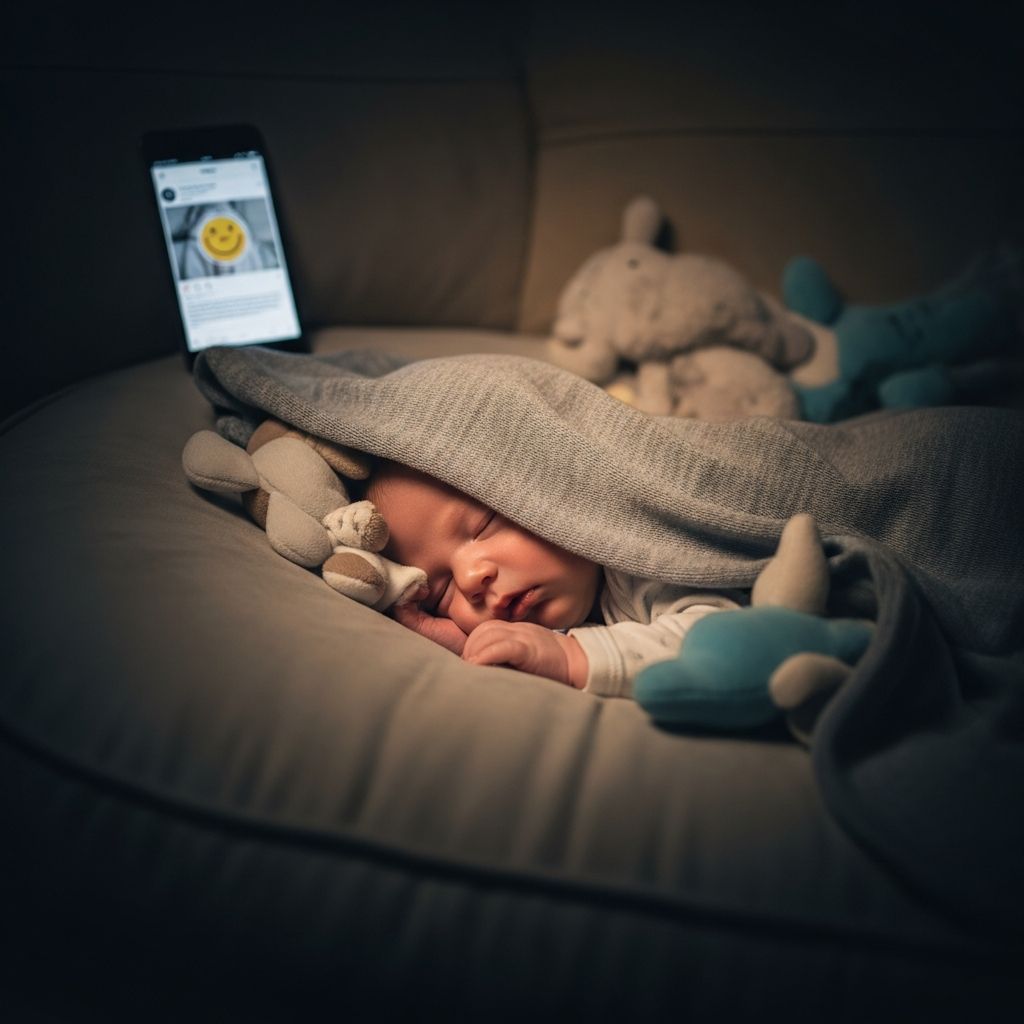
New parents today navigate a digital landscape brimming with baby sleep advice, but much of it promotes hazardous practices that heighten risks of sudden unexpected infant death (SUID) and sudden infant death syndrome (SIDS). Viral trends like cozy nests, inclined loungers, and weighted blankets contradict proven safety guidelines from health authorities, potentially endangering infants under one year old. This article breaks down the perils of online misinformation, outlines authoritative safe sleep protocols, and provides actionable strategies to foster secure rest for your baby.
The Surge of Misguided Sleep Advice in the Digital Age
Social media algorithms amplify eye-catching content, often prioritizing shares over safety. Parents encounter influencers touting ‘miracle’ sleep solutions—soft pods mimicking adult beds, props for tummy time during naps, or gadgets promising longer sleep stretches. These lack rigorous testing and ignore infant physiology, where underdeveloped airways make certain positions deadly. Studies link such practices to airway obstruction and rebreathing of exhaled air, core factors in SUID cases.
Common culprits include:
- Inclined sleep products: Rockers or wedges elevating the head, which can cause the chin to tuck and block breathing.
- Co-sleeping props: Nesting pillows or docks that trap babies against soft surfaces.
- Weighted items: Swaddles or sacks adding pressure to the chest, impeding respiration.
- Side or tummy positioning: Promoted for ‘better digestion’ despite evidence of quadrupled SIDS risk.
Health experts report a rise in related incidents, with emergency visits spiking after trendy product endorsements. Always cross-check online tips against official sources before implementation.
Core Principles of Safe Infant Sleep: The ABCD Framework
Pediatric organizations like the American Academy of Pediatrics (AAP) and Centers for Disease Control and Prevention (CDC) champion the ABCDs of safe sleep: Alone, Back, Crib, and Don’t smoke. These simple rules, backed by decades of research, cut SIDS risk dramatically when followed consistently.
| Letter | Rule | Why It Matters | Evidence-Based Support |
|---|---|---|---|
| A – Alone | Sleep solo in a bare sleep space—no pillows, toys, blankets, or bedmates. | Prevents suffocation, entrapment, and overlay incidents. | Reduces SUID by clearing airways |
| B – Back | Place on back for every nap and nighttime sleep. | Optimal airway position; gag reflex handles spit-up safely. | Lowers SIDS odds by 50%+ vs. tummy sleeping |
| C – Crib | Firm, flat surface in a safety-approved crib, bassinet, or playard. | Maintains shape to avoid sinking; room-sharing boosts monitoring. | Ideal for first 6-12 months |
| D – Don’t Smoke | Smoke-free environment, indoors and out. | Toxins irritate airways, doubling SIDS risk. | Even secondhand exposure is hazardous |
Adhering to ABCDs forms the bedrock of prevention. Deviations, even minor ones from viral hacks, compound vulnerabilities in young infants.
Ideal Sleep Environment: Setting Up for Success
Create a dedicated sleep zone in your bedroom—close but separate—for at least six months, ideally a year. This room-sharing without bed-sharing facilitates quick feeds and checks while slashing SIDS risk by up to 50%.
Approved Sleep Surfaces:
- Cribs or portable cribs meeting Consumer Product Safety Commission (CPSC) standards.
- Bassinets or playards with firm mattresses and tight-fitted sheets only.
- No add-ons like bumpers, wedges, or positioners—these violate safety codes.
Avoid adult beds, couches, or armchairs entirely; these surfaces conform to a baby’s face, obstructing breath. Car seats, swings, and loungers are for awake time only—transfer sleeping babies promptly to a flat surface.
For temperature control:
- Dress in layers: Onesie under sleepers or a wearable blanket (e.g., SleepSack).
- No hats or loose covers indoors: They cover faces or overheat.
- Comfortable room: 68-72°F (20-22°C); baby needs one extra layer beyond yours.
Navigating Swaddling and Transitional Sleep Practices
Swaddling soothes many newborns by mimicking womb security, but execution is critical. Always place swaddled babies on their back; ensure hips flex freely to prevent dysplasia. Cease at first roll signs (often 2-4 months) to avoid stomach-roll suffocation risks.
Safe swaddle checklist:
- Lightweight, breathable fabric.
- Snug chest, loose legs/hips.
- Consult pediatrician for product approval.
Post-swaddle, transition to transitional sacks or half-swaddles with arms out. These maintain comfort without immobility dangers.
Debunking Persistent Online Myths with Science
Myth 1: Tummy sleeping prevents choking. Fact: Babies’ reflexes clear fluids on backs; prone positions trap gases.
Myth 2: Inclines aid reflux. Fact: Flat backs are safest, even for GERD—elevations risk slumping.
Myth 3: Monitors or weights reduce SIDS. Fact: No evidence supports; they foster false security.
Myth 4: Co-sleeping is natural. Fact: Safe room-sharing is; bed-sharing triples risks, especially with smoking or fatigue.
These persist due to anecdotal appeal, but epidemiology favors guidelines reducing U.S. SIDS by over 50% since 1994 campaigns.
Breastfeeding, Pacifiers, and Additional Risk Reducers
Exclusive breastfeeding for six months correlates with 50-70% SIDS drop via immune boosts and arousal patterns. Offer pacifiers at sleep onset (not forced); they offer unexplained protection post-one month.
Immunizations and avoiding smoke further fortify. No devices ‘prevent’ SUID—focus on environment.
Spotting and Reporting Unsafe Products
Check CPSC recalls for inclined sleepers (banned 2019 after deaths). Shun unapproved items like Dock-a-Tots or Boppy loungers for sleep. Report hazards to CPSC.gov. Pediatricians guide product choices.
Frequently Asked Questions (FAQs)
What if my baby rolls over during sleep?
Always start on back. If they roll both ways independently (typically 4-6 months), it’s safe to leave them—no extra bedding.
Can I use a swaddle after rolling starts?
No—switch to arms-up sacks to permit safe rolling.
Is room-sharing the same as bed-sharing?
No. Room-share for monitoring benefits; never bed-share due to overlay/suffocation risks.
What about car seat naps?
Move to crib ASAP—prolonged car seat use compresses airways.
Do weighted sleep aids help?
No, they hinder breathing; stick to approved sacks.
Empowering Parents: Resources and Next Steps
Consult AAP’s safesleep.org or CDC’s SUID page. Pediatric visits reinforce habits. Share evidence-based info to counter misinformation in parent groups. Safe sleep saves lives—prioritize it daily.
References
- Newborn Sleep Guidelines | Safe Sleep New Mexico — NMDOH. Accessed 2026. https://www.safesleepnm.org/providers/
- Safe Sleep for Babies – Nationwide Children’s Hospital — Nationwide Children’s. Accessed 2026. https://www.nationwidechildrens.org/family-resources-education/health-wellness-and-safety-resources/helping-hands/safe-sleep-practices-for-babies
- Providing Care for Babies to Sleep Safely | SUID and SIDS – CDC — CDC. Accessed 2026. https://www.cdc.gov/sudden-infant-death/sleep-safely/index.html
- Safe Sleep for Babies – CDPH — California Department of Public Health. Accessed 2026. https://www.cdph.ca.gov/Programs/CFH/DMCAH/SIDS/Pages/Safe-Sleep-for-Babies.aspx
- The ABCD’s of Safe Sleep for Babies – YouTube — Safe Sleep Campaign. Accessed 2026. https://www.youtube.com/watch?v=U_B13ZyyeVI
- Safe Sleep Environment for Baby – NIH — NICHD. Accessed 2026. https://safetosleep.nichd.nih.gov/reduce-risk/safe-sleep-environment
- How to Keep Your Sleeping Baby Safe: AAP Policy Explained — American Academy of Pediatrics. Accessed 2026. https://www.healthychildren.org/English/ages-stages/baby/sleep/Pages/a-parents-guide-to-safe-sleep.aspx