Transforming Fatherhood Through Technological Innovation in Infant Care
Modern parenting presents unique challenges that often fall disproportionately on one parent, particularly when it comes to infant feeding and sleep management. Recent technological innovations are beginning to reshape how families approach these responsibilities, offering fathers new avenues for active participation in their infants’ care routines. These emerging solutions address a long-standing gap in parenting support by recognizing that fathers desire deeper engagement in feeding and bonding activities yet may lack practical tools to facilitate this involvement. The intersection of design innovation and parental needs is creating opportunities for more balanced family dynamics and reduced maternal burden.
Understanding the Paternal Care Gap in Early Infancy
Research indicates that fathers often struggle to find meaningful ways to participate in feeding activities, particularly during the critical early months when breastfeeding dominates the infant care landscape. This limitation stems not from a lack of motivation but rather from biological and practical constraints that have historically defined parenting roles. When mothers bear the primary responsibility for feeding, they also accumulate disproportionate sleep disruption and physical demands. The psychological impact of this imbalance can contribute to postpartum stress and relationship strain, affecting family well-being during a vulnerable period of adjustment.
Recognizing these dynamics, researchers and product designers have begun exploring solutions that could enable fathers to take on more active feeding responsibilities. The underlying premise is straightforward: when caregiving duties are shared more equitably, the entire family benefits through reduced stress, improved sleep patterns, and stronger parental bonding with the infant.
The Father’s Nursing Assistant: Design and Functionality
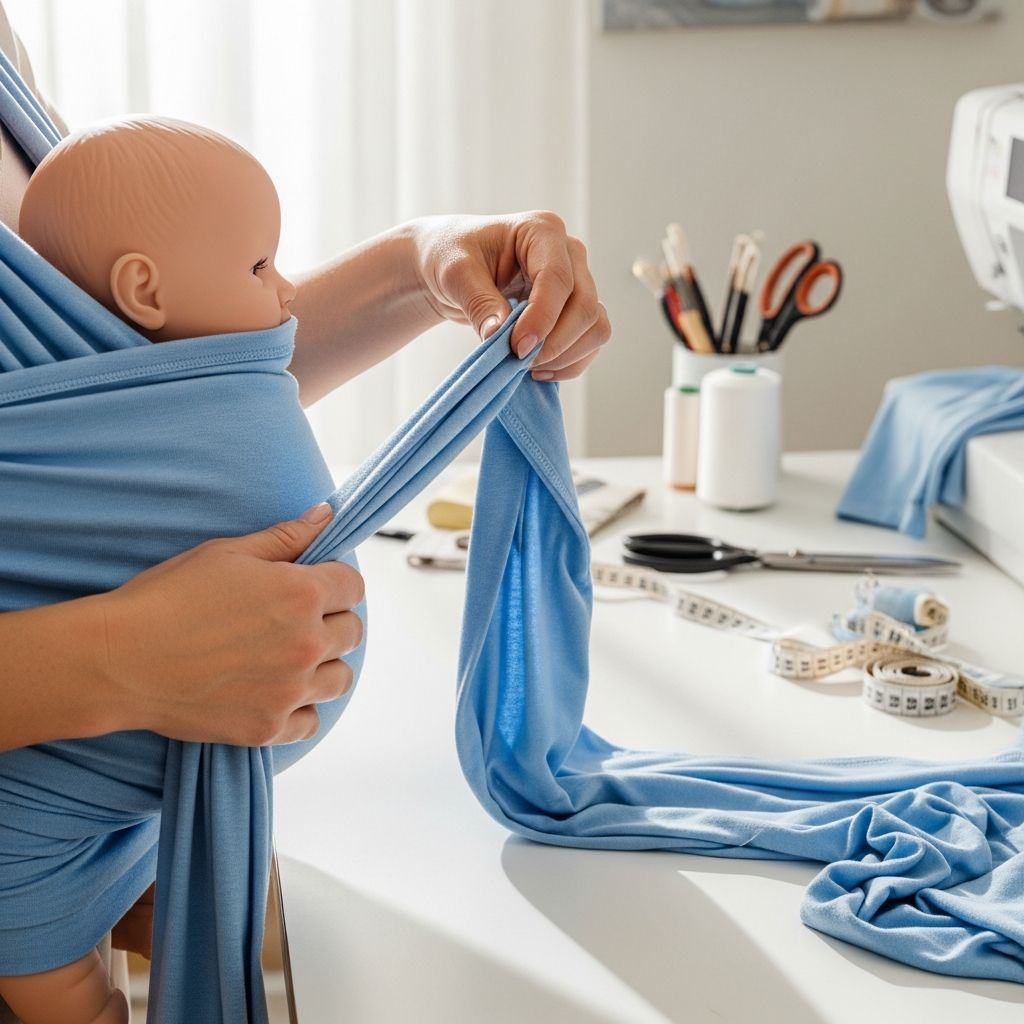
A Japanese design company introduced an innovative wearable device specifically engineered to enable paternal feeding participation. This wearable nursing unit represents a thoughtful approach to addressing the practical barriers that prevent fathers from engaging in breast-equivalent feeding. The device combines biomechanical design with thermal technology to create an experience that closely mirrors natural breastfeeding.
The physical design prioritizes infant comfort and familiarity. The device is modeled after human breast anatomy, with its contours specifically optimized to accommodate an infant’s natural feeding position and latch patterns. This attention to ergonomics ensures that babies experience minimal disruption to their feeding behavior, even though the source of nourishment differs from traditional breastfeeding.
Temperature regulation represents a critical component of the device’s functionality. The nursing unit is heated to simulate the natural warmth of a mother’s body, a feature that provides psychological comfort beyond simple nutrition delivery. Infants respond strongly to body heat, which signals safety, security, and maternal presence. By replicating this sensory experience, the device helps infants feel nurtured and secure while being fed by their father.
The integrated milk reservoir allows the device to hold expressed breast milk, maintaining the nutritional benefits of breastfeeding while enabling flexible feeding arrangements. This feature proves particularly valuable for families wanting to preserve breastfeeding’s health advantages while distributing caregiving more widely among family members.
Sleep Enhancement and Data Tracking Capabilities
A distinctive feature of the nursing device is its capacity to gently vibrate during feeding sessions. This vibration mimics natural physiological responses associated with contentment and comfort, actively encouraging infants toward sleep induction. Rather than serving as a distraction, the rhythmic vibration operates as a soothing mechanism that parents have observed helps transition infants toward rest more smoothly.
The device incorporates sophisticated data tracking functionality through an accompanying mobile application. This app monitors multiple metrics related to infant feeding and sleep patterns, creating a comprehensive record of the baby’s nutritional intake and rest cycles. Parents can review this information to identify patterns, track developmental progress, and make informed decisions about feeding schedules and sleep strategies. The digital interface transforms feeding into a data-informed process where parents gain clear visibility into their infant’s consumption and rest quality.
Digital Tools Complementing Physical Innovation
Beyond wearable devices, mobile applications designed specifically for paternal engagement represent another frontier in supporting father involvement in breastfeeding and infant care. Research on father-focused breastfeeding apps reveals that fathers are highly receptive to digital tools that provide education, community connection, and practical guidance about supporting breastfeeding mothers. These applications employ various engagement strategies to maintain user interest and encourage consistent interaction.
Modern breastfeeding apps for fathers typically include several key components. Information libraries provide accessible, father-focused content about breastfeeding mechanics, nutritional benefits, and practical tips for supporting lactating partners. Rather than adopting a one-size-fits-all approach, these resources are specifically curated to address questions and concerns fathers actually raise, in language and contexts that resonate with male users.
Gamification elements have emerged as surprisingly effective tools for maintaining engagement with educational content. Point systems, achievement badges, and progress tracking transform what could otherwise feel like passive learning into an interactive experience with clear progression markers. For some fathers, these gamification features provide meaningful motivation to consistently engage with the app and its resources.
Social connectivity features within these applications create virtual communities where fathers can discuss concerns, share experiences, and offer mutual support. The conversation forum component often becomes the hub of app activity, with fathers using these spaces to work through questions about their role in supporting breastfeeding and managing the emotional dimensions of new parenthood. This peer-to-peer support proves valuable because it connects fathers with others navigating identical challenges.
Research Validation and Acceptance Among Fathers
Studies examining father-focused digital tools have documented significant acceptance and engagement rates. When fathers are given access to apps specifically designed with their perspectives and needs in mind, adoption rates exceed expectations, with substantial proportions of participating fathers downloading and regularly using these resources. This uptake suggests that previous gaps in paternal engagement with breastfeeding-related content may reflect poor matching between available resources and paternal preferences, rather than lack of interest.
Research also reveals that fathers consistently identify specific needs around breastfeeding support. They express desire for increased education to feel more confident in their role, greater social support from peers and professionals, and practical help overcoming barriers such as public breastfeeding discomfort or concerns about bonding postponement. Digital tools and wearable devices that address these specific needs prove much more effective than generic parenting resources.
Addressing Parental Stress Through Distributed Caregiving
The underlying motivation driving innovation in paternal caregiving technology stems from recognition that concentrated maternal responsibility for infant feeding contributes significantly to parental stress. Sleep deprivation from nighttime feeding sessions, physical exhaustion from constant nursing demands, and the emotional weight of being the primary source of comfort can overwhelm mothers during the postpartum period. When fathers can authentically participate in feeding and soothing, the burden becomes genuinely shared rather than merely rhetorically supported.
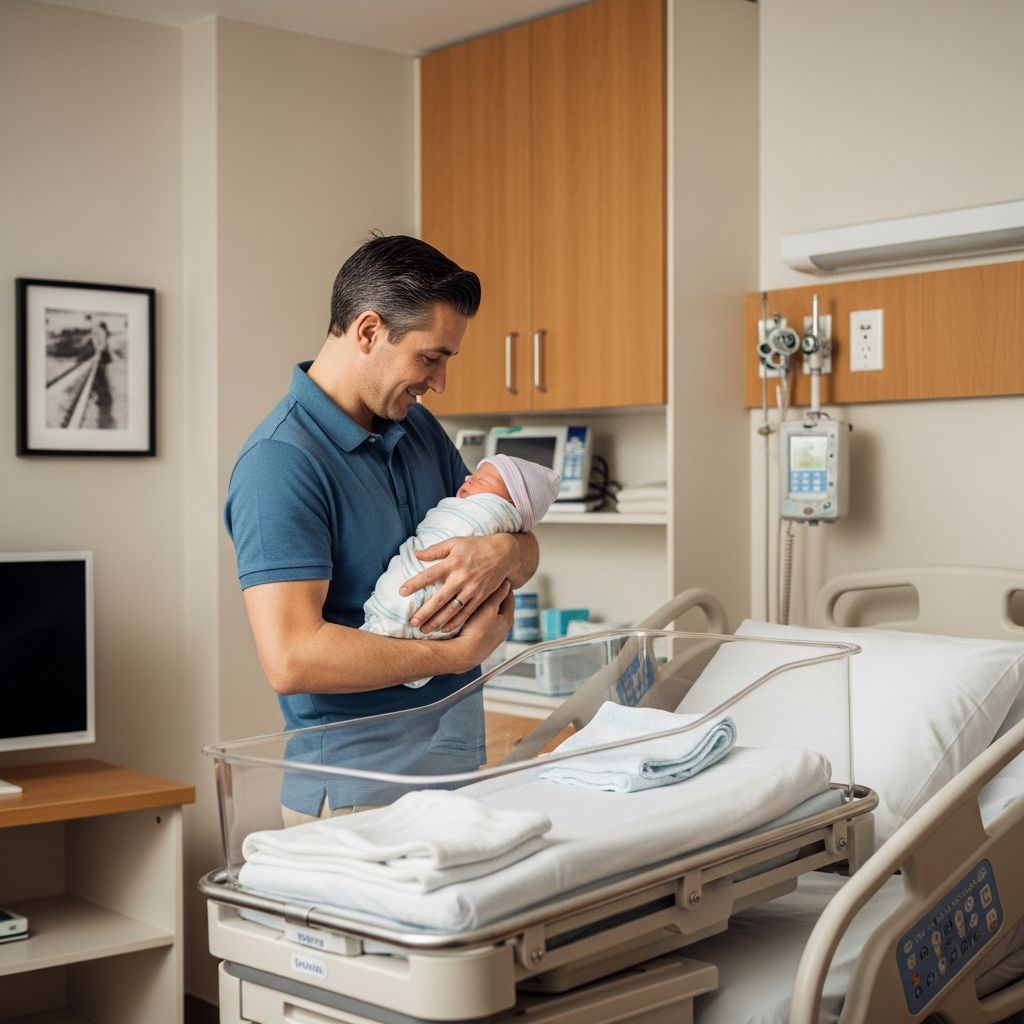
This shift carries cascading benefits. Mothers gain opportunities for consolidated sleep, essential recovery during the postpartum period, and respite from constant tactile demands. Fathers develop genuine competence and confidence in infant care rather than remaining peripheral figures. Infants receive consistent nurturing from both parents, potentially reducing anxiety around separation and fostering secure attachments with both caregivers.
Current Status and Future Development of Nursing Devices
While innovative nursing devices have been showcased at major technology and design conferences, mainstream commercial availability remains limited. The Father’s Nursing Assistant was presented as part of a design project exploring how seemingly incongruent ideas could be combined to illustrate possibilities for future innovation. This positioning suggests the device represents conceptual exploration rather than immediate market availability, though positive reception has likely influenced ongoing development discussions.
The transition from concept to consumer product involves substantial considerations around manufacturing, safety testing, regulatory approval, and market demand assessment. Nevertheless, the enthusiastic response to such innovations at high-profile events indicates genuine interest from both parents seeking solutions and the design community exploring new possibilities.
Practical Considerations for Families Exploring These Options
For families interested in distributed infant feeding regardless of currently available technology, several practical approaches exist. Expressing breast milk allows fathers to participate in bottle feeding using conventional feeding equipment, providing many of the bonding and caregiving benefits that wearable devices aim to facilitate. This approach requires no specialized technology while enabling meaningful paternal participation.
Parents exploring digital tools for parenting support should evaluate apps based on design quality, content relevance, safety of data handling, and community standards. Not all apps serve all families equally; those designed with specific populations in mind often prove more valuable than generalized parenting resources.
Frequently Asked Questions About Paternal Nursing Devices and Support Tools
Can fathers truly participate equally in infant feeding without specialized devices?
Yes, fathers can participate significantly through bottle feeding expressed breast milk, supporting breastfeeding mothers, and providing comfort and soothing to infants. Specialized devices represent innovations but not prerequisites for paternal involvement.
How do wearable nursing devices compare to traditional bottle feeding in terms of infant acceptance?A: Devices designed with ergonomic attention to infant feeding comfort and thermal regulation aim to provide experiences comparable to natural breastfeeding, though individual infant responses vary significantly.
Q: Are father-focused apps effective at increasing paternal involvement in breastfeeding support?
Research demonstrates that well-designed, father-specific apps with practical information, community features, and engaging design elements do increase paternal engagement with breastfeeding education and support discussions.
When might specialized nursing devices become commercially available?
Current innovative devices remain largely in demonstration phases. Commercial availability depends on manufacturing partnerships, regulatory clearances, and market demand validation, timelines which vary considerably.
What is the primary benefit of enabling fathers to participate in infant feeding?A: The primary benefits include distributing caregiving burden more equitably, reducing maternal exhaustion and stress, enabling fathers to develop genuine confidence in infant care, and potentially improving infant outcomes through expanded parental support.
Q: Do these technologies require special training or preparation to use?
Most devices and apps are designed with user-friendliness as a priority, though basic orientation and instruction in infant feeding principles remain valuable regardless of specific technology.
How do temperature control and vibration features benefit infant sleep?
Thermal comfort signals security to infants, while gentle vibration mimics natural soothing patterns. Combined, these features help transition infants toward restfulness more smoothly than feeding alone might achieve.
References
- Japanese company designs wearable breastfeeding device for fathers to nurse babies — Fox LA. 2019. https://www.foxla.com/news/japanese-company-designs-wearable-breastfeeding-device-for-fathers-to-nurse-babies
- Gamifying Breastfeeding for Fathers: Process Evaluation of the Milk Man App — National Center for Biotechnology Information, U.S. National Library of Medicine. 2019. https://pmc.ncbi.nlm.nih.gov/articles/PMC6716479/