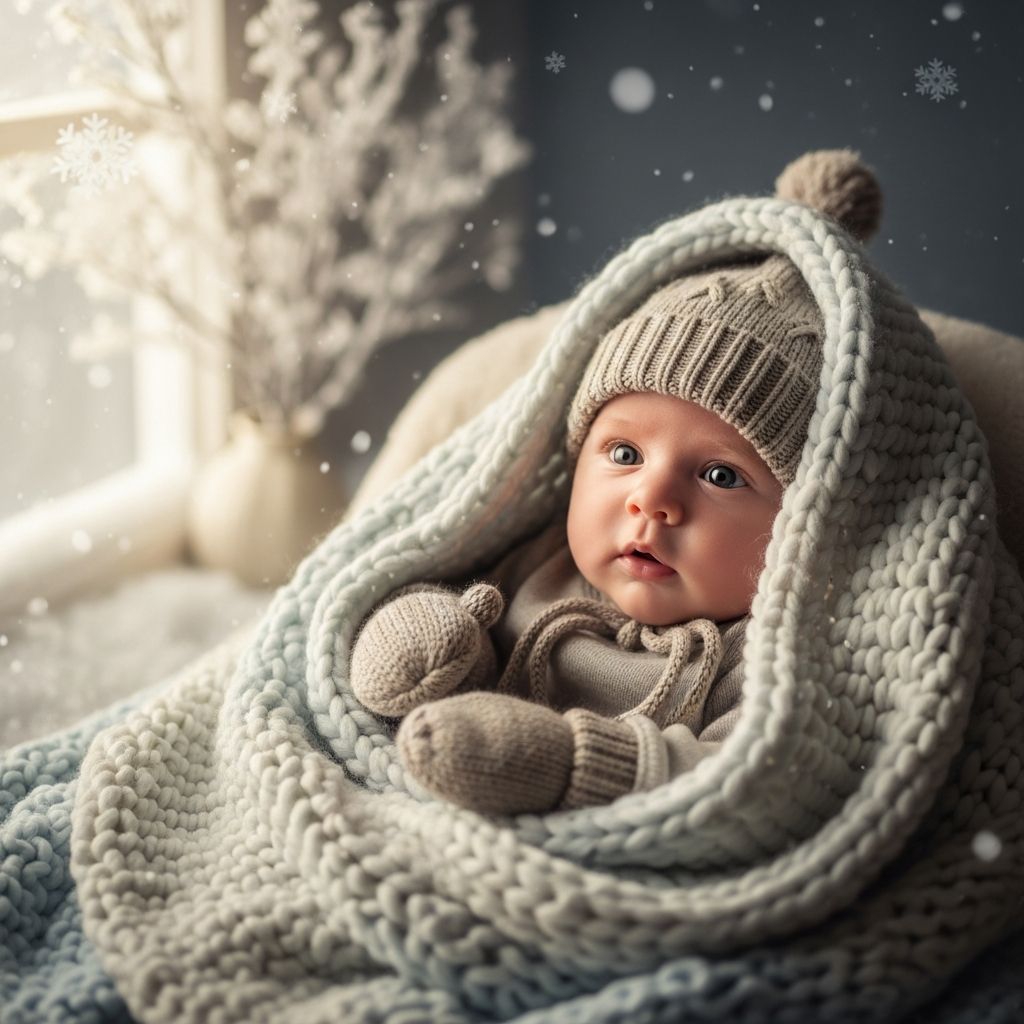
Your newborn’s initial encounter with winter brings unique challenges, from plummeting temperatures to heightened risks of respiratory illnesses. This guide provides actionable strategies to safeguard their health, drawing on established pediatric recommendations to help parents maintain comfort and safety throughout the season.
Mastering Indoor Temperature Control
Maintaining an optimal indoor environment is crucial for a newborn’s well-being during winter. Experts recommend setting the home thermostat between 68 and 72 degrees Fahrenheit to prevent overheating, which can lead to discomfort and unsafe sleep conditions. Overly warm rooms increase the risk of sudden infant death syndrome (SIDS), so monitor the space regularly with a reliable thermometer.
Humidity levels also matter; dry air from heating systems can irritate a baby’s delicate skin and respiratory tract. Use a cool-mist humidifier to keep moisture around 40-50%, but clean it daily to avoid mold buildup. Dress your infant in breathable cotton layers rather than heavy synthetics, ensuring they wear one more layer than an adult in the same room.
- Check room temperature before bedtime.
- Opt for muslin or cotton sleepwear.
- Avoid loose bedding in the crib.
Layering Essentials for Sleep and Play
Proper sleep attire keeps newborns cozy without excess heat. Select sleep sacks or swaddles with a TOG rating suited to the room’s temperature—aim for 2.0 to 3.5 TOG in cooler spaces around 68 degrees. These breathable options, like mesh-lined sacks, promote safe sleep by replacing blankets, always placing baby on their back.
For daytime naps or play, layer with a long-sleeve bodysuit, pants, socks, and a lightweight sweater. Feel the chest or back to gauge warmth; cool skin signals the need for an extra layer, while sweaty necks indicate removal. This approach allows flexibility as activities vary.
| Room Temp (°F) | Recommended Layers | TOG Rating |
|---|---|---|
| 68 or below | Bodysuit + PJs + Sleep Sack | 2.0-3.5 |
| 69-72 | Bodysuit + PJs | 1.0-2.0 |
| Above 72 | Light PJs only | 0.5-1.0 |
Safe Outdoor Adventures in Chilly Weather
Brief outdoor exposure benefits newborns, but cold snaps demand caution. Limit time outside if temperatures drop below freezing, restricting outings to essential trips like car rides. Always check wind chill, as it amplifies perceived cold, making babies more vulnerable due to immature temperature regulation.
Dress for the destination: indoor layers for car trips, with an extra blanket for transit. Cover extremities—hat for ears, mittens for hands, booties for feet—to prevent frostbite. The American Academy of Pediatrics (AAP) advises one additional layer over adult clothing, peeling back as needed indoors.
- Hat and gloves: Essential for heat loss prevention.
- Stroller bunting: Secure without loosening straps.
- Baby carrier: Leverages parental body heat; ensure airway patency.
Avoid car seats with bulky coats, as they compromise harness fit. Instead, layer underneath and add a blanket post-securing.
Preventing Illness During Peak Flu Season
Winter coincides with respiratory virus peaks, posing greater threats to infants under six months ineligible for most vaccines. Breastfeeding provides vital antibodies, reducing infection risks even in small amounts alongside formula. The AAP emphasizes its role in bolstering immunity against colds and flu.
Hygiene is paramount: Wash hands frequently, especially before handling baby, and require the same from visitors. Steer clear of those with illnesses; a polite ‘no’ protects your little one. Keep vaccinations current, including maternal flu shots for antibody transfer.
Recognize symptoms early—fever, congestion, or fussiness warrants pediatric consultation. For fever management in babies over three months, use acetaminophen per doctor guidance; never aspirin.
Recognizing and Responding to Temperature Extremes
Balance is key to avoid both hypothermia and hyperthermia. Signs of overheating include hot ears, damp neck, or rapid breathing—cool down with lukewarm sponging and layer removal. For cold stress, a chilly belly or lethargy calls for warming layers; frostbite on extremities needs gentle warm compresses, not rubbing.
Regular checks during bundling ensure safety. If unsure, consult your pediatrician promptly to rule out serious issues.
Skincare and Hydration in Dry Conditions
Winter air dries out newborn skin prone to eczema. Moisturize daily with fragrance-free creams post-bath, locking in moisture with thick emollients. Short, lukewarm baths prevent further drying; pat dry gently.
Ensure hydration via frequent feeds—breast milk or formula combats indoor dehydration from heated air. Watch for fewer wet diapers as a cue to offer more.
Indoor Activities to Combat Cabin Fever
Extended indoor time challenges active families. Designate a safe play zone with soft mats, gates, toys like rattles, books, and music for sensory stimulation. Tummy time on a blanket fosters development without venturing out.
Babywearing indoors promotes bonding and movement, but ensure proper positioning. Rotate activities to mimic outdoor exploration, easing winter blues.
- Sensory play: Textured toys and soft lights.
- Music sessions: Calming tunes for both parent and baby.
- Gentle exercises: Assisted kicks and reaches.
Gear Recommendations for Winter Mobility
Invest in versatile items: fleece-lined booties for non-walkers, stroller blankets with attachments for security, and hand muffs for parents. Quality carriers with traction-safe boots prevent slips on ice.
Prioritize breathable, adjustable pieces that grow with your baby, ensuring comfort across temperatures.
Frequently Asked Questions
What’s the ideal room temperature for a sleeping newborn?
A range of 68-72°F prevents overheating; use a sleep sack instead of blankets.
Can I take my newborn outside in winter?
Yes, for short trips if bundled properly, avoiding sub-freezing wind chills.
How do I know if my baby is too hot or cold?
Check neck and chest: sweaty or hot means too warm; cool to touch means add layers.
Is breastfeeding protective against winter illnesses?
Yes, it supplies antibodies that fight infections, per AAP.
Should I use a jacket in the car seat?
No, layer underneath and cover with a blanket after buckling for safety.
Long-Term Winter Wellness Strategies
Beyond immediate tactics, foster routines like daily skin checks, consistent hygiene, and scheduled pediatric visits. Track growth and milestones, adjusting care as baby develops better thermoregulation around three months.
Parental self-care matters—rest, nutrition, and support networks sustain energy for vigilant care. Community resources, like new parent groups, offer shared wisdom.
By integrating these practices, you’ll navigate baby’s first winter confidently, prioritizing health amid seasonal demands. Adapt to your climate and baby’s cues for personalized success.
References
- 7 Winter Care Tips for Newborns — Happiest Baby. 2023-10-15. https://www.happiestbaby.com/blogs/baby/winter-care-newborn-babies
- Baby’s First Winter: Keeping Your Little One Warm and Healthy — Moms on Call. 2024-11-20. https://momsoncall.com/blogs/blog/babys-first-winter-keeping-your-little-one-warm-and-healthy
- New Parent Winter Survival Tips — SBCHC. 2023-12-05. https://www.sbchc.org/blog/new-parent-winter-survival-tips/
- Surviving Winter with Baby: Must-Haves! — A Little Too Loud. 2024-01-10. https://alittletooloud.com/surviving-winter-with-baby-must-haves/