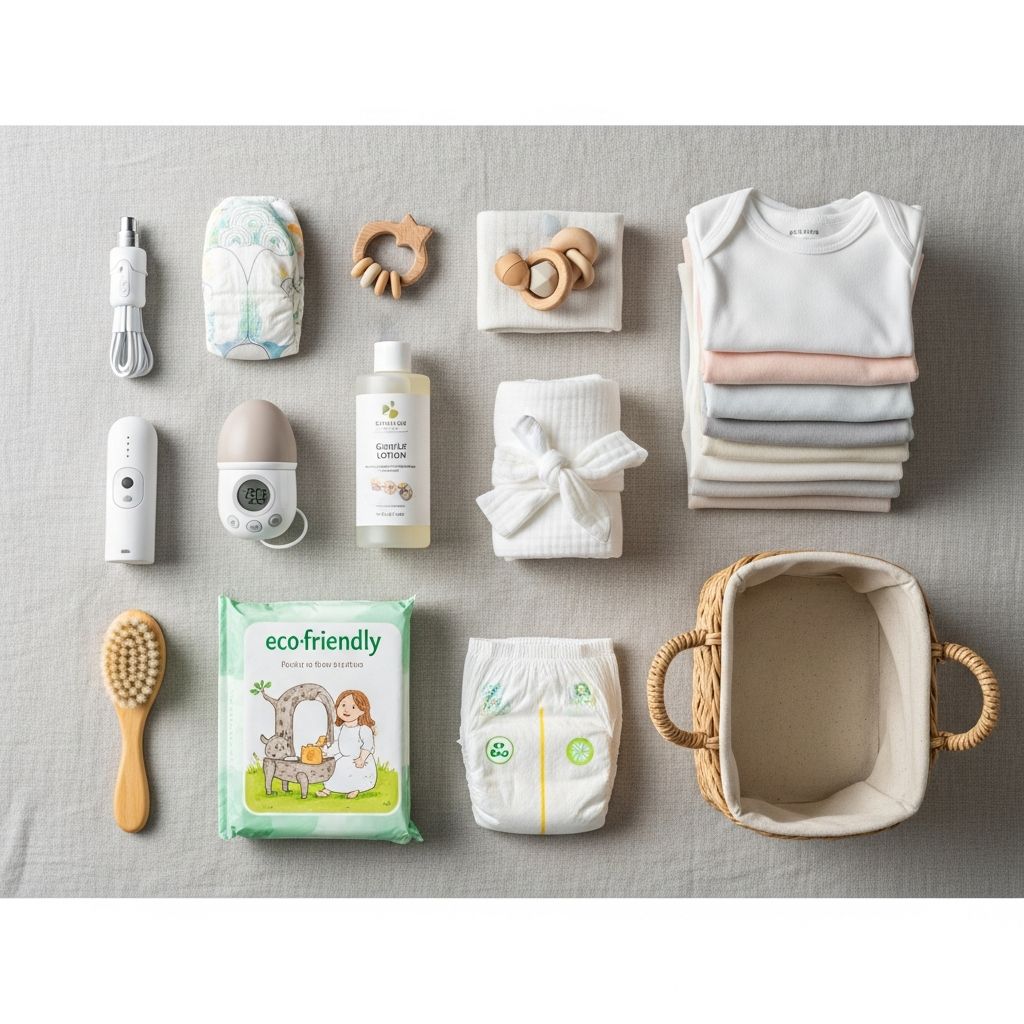
Bringing a newborn home means tracking every tiny change, from the way they curl their fingers to how much they weigh. Understanding what normal growth looks like in the first weeks helps parents feel more confident and better able to spot when something isn’t quite right.
How Newborns Grow: The Big Picture
Newborn growth is rapid but not perfectly steady. Babies typically lose a little weight after birth and then begin a pattern of gradual weight gain, length growth, and head growth over the next weeks. Each baby’s pace is unique, yet most follow a healthy range that pediatricians can track on growth charts.
Growth in the newborn period is more than numbers on a scale. It includes developing reflexes, improving muscle control, and longer periods of alertness. Parents who watch both physical growth and behavior gain a fuller picture of how their baby is doing.
Early Weight Changes: From Drop to Steady Gain
Many parents are surprised when the first doctor visit shows that their baby weighs less than at birth. A modest weight loss in the first days is usually normal as babies shed extra fluid and adjust to feeding outside the womb.
After this short dip, a healthy newborn generally starts gaining weight as feeding becomes more consistent. Regular checkups during the first weeks allow health professionals to confirm that weight is moving upward at a reasonable pace.
Typical Weight Pattern in the First Weeks
- Initial days: Mild weight loss is common as babies pass fluid and adjust to feeding.
- Around 1–2 weeks: Many babies return to or pass their birth weight.
- Remainder of the first month: Gradual, consistent weight gain becomes the focus.
Instead of fixating on each individual weigh-in, parents can look for an overall upward trend across several visits. Concerns about slow gain or rapid changes can be discussed with the baby’s clinician, who will consider feeding, health history, and exam findings together.
Length and Head Growth: Quiet but Important Changes
While weight often gets the most attention, length and head size also reveal how a newborn is growing. Changes in these measurements are usually less dramatic day to day, but meaningful when compared over weeks and months.
Head size growth reflects brain development, and steady increases within a normal range are usually reassuring. Sudden jumps or long periods without change may lead a health professional to look more closely, but this is interpreted in the context of the overall exam and family history.
| Measurement | What It Tells You | How Often It’s Checked |
|---|---|---|
| Weight | Short-term nutrition and hydration status, plus overall growth trend over time. | At birth, during hospital stay, early postnatal visits, then at each well-baby visit. |
| Length | Longer-term growth pattern and how the baby compares with peers of the same age. | At birth and at each well-baby visit. |
| Head circumference | Skull and brain growth and whether development falls within expected ranges. | At birth and routinely during the first year. |
Reflexes: Your Baby’s Built-In Survival Tools
Newborns come equipped with automatic responses called reflexes. These movements are not conscious choices; they are protective and help with things like feeding and staying safe. Over time, most reflexes fade as the baby’s nervous system matures and voluntary movements take over.
Parents can observe these reflexes during daily care, which makes diaper changes and feeding a chance to notice development rather than just tasks on a to-do list.
Common Newborn Reflexes You Might Notice
- Rooting: When the corner of the baby’s mouth or cheek is gently stroked, the baby often turns toward the touch and opens the mouth, helping them find the breast or bottle.
- Sucking: Touching the roof of the mouth with a nipple or clean finger triggers rhythmic sucking, allowing the baby to feed effectively.
- Startle response: A sudden noise or shift in position may cause the baby to fling out the arms and legs, then quickly draw them back in.
- Grasp: A finger placed in the palm can trigger a tight grip from the baby’s hand, often surprisingly strong for such a small person.
These reflexes fade at predictable times, and their presence or absence can help clinicians assess a newborn’s nervous system. If a reflex seems very uneven from side to side or disappears suddenly, it is worth bringing up with a health professional.
Movement and Muscle Control in the First Month
In the newborn phase, movements often look jerky or uncoordinated. This is normal as the baby’s nervous system is still learning to control muscles smoothly. Over the first month, parents may notice that the baby can lift the head a little more and turn from side to side when lying on the tummy.
Because neck muscles are not fully developed, the head needs steady support whenever the baby is picked up or carried. Allowing short, supervised periods on the tummy while awake helps build neck and upper body strength, but this should always be balanced with safe sleep guidelines.
Feeding and Growth: How They Work Together
Feeding drives growth, but there is no single schedule that fits every newborn. Some babies feed in a very predictable pattern, while others cluster their feeds close together and then sleep longer stretches. What matters most is that feeds are frequent enough and effective enough to support steady growth and keep the baby well hydrated.
Parents can look at several signs together to judge whether feeding is going well, rather than focusing on one factor alone. Diaper output, behavior after feeds, and weight gain over time form the bigger picture.
Signs Your Baby May Be Getting Enough Milk or Formula
- Regular wet diapers each day after the first few days of life.
- Stools that change from the dark, tar-like first movements to softer, lighter-colored stools.
- Alert, satisfied periods after many feeds, without persistent, inconsolable crying.
- Gradual weight gain confirmed during medical visits.
Any worries about feeding—pain during breastfeeding, frequent coughing or choking with bottles, or very long or very short feeds—are important to discuss with a lactation consultant or pediatric clinician. Early adjustments often make a big difference to both growth and parental peace of mind.
Sleep, Wakefulness, and Growth
Newborns sleep a lot, but not in long, predictable stretches. Instead, short cycles of sleep and wakefulness repeat around the clock. This pattern can be exhausting for parents yet is typical in the early weeks as the baby’s internal clock is still developing.
Sleep supports brain and body growth, so frequent naps are not a sign of laziness or illness on their own. However, a baby who is extremely hard to wake for feeds or suddenly much less responsive than before should be checked promptly.
Helping Your Newborn Develop Healthy Sleep Habits
- Place the baby on the back to sleep, on a firm, flat surface without loose bedding.
- Use dim lights and a calm voice at night to differentiate nighttime from daytime activity.
- Offer feeds on demand, but try to place the baby back in the safe sleep space once feeding and cuddling are finished.
- Avoid overheating; dress the baby in light layers appropriate to the room temperature.
Bonding, Communication, and Emotional Growth
Growth in the newborn period is emotional as well as physical. Babies quickly learn to recognize familiar voices, smells, and faces. Being held, spoken to, and comforted teaches them that the world is a safe place and that their needs will be met.
Even though a newborn cannot yet smile socially on purpose or use words, there is real communication happening. Parents who talk, sing, and respond to their baby’s cries are already supporting early language and emotional development.
Simple Ways to Support Emotional Development
- Hold your baby skin-to-skin when possible to provide warmth and steady contact.
- Talk to your baby during everyday tasks like diaper changes or baths, describing what you are doing.
- Observe your baby’s cues: turning away, fussing, or staring intently are all forms of communication.
- Offer comfort promptly when your baby is upset to build trust and security.
Newborn Growth Red Flags: When to Call the Doctor
While most babies follow a healthy growth path, some signs suggest that a closer look is needed. Trusting your instincts matters; parents who feel that something is wrong often notice small changes before others do.
Reaching out early allows problems to be identified and treated before they become severe. Keep emergency contact numbers handy and do not hesitate to seek advice when worried.
Examples of Concerning Signs
- Persistent vomiting or refusal to feed over several feeds.
- Noticeably fewer wet diapers or very dry diapers for an extended period.
- Extreme sleepiness, floppiness, or difficulty waking the baby.
- Fever, trouble breathing, or a bluish color around the lips or face.
- Sudden changes in muscle tone, such as very stiff or very limp limbs.
Any specific guidance about when to seek urgent or emergency care should come from your baby’s health provider, who can tailor recommendations to your child’s needs and your local medical system.
Supporting Healthy Growth: What Parents Can Do
Parents cannot control every aspect of newborn growth, but they can create a nurturing environment that helps their baby thrive. Small, consistent actions in daily routines often matter more than big, once-in-a-while efforts.
By focusing on responsive care, safe surroundings, and regular medical checkups, families give their newborns a strong foundation for the months ahead.
Everyday Actions That Promote Growth
- Attend scheduled well-baby visits for growth measurements and vaccinations.
- Feed on demand or as directed by your healthcare provider, watching for hunger and fullness cues.
- Provide a smoke-free, safe home environment and follow safe sleep practices.
- Engage in gentle play, talking, and singing to stimulate the senses.
- Take care of your own rest and mental health so you can respond calmly and consistently.
Frequently Asked Questions About Newborn Growth
1. How often should my newborn be weighed?
In the early weeks, babies are usually weighed at birth, during the hospital stay, and again at follow-up visits recommended by the healthcare provider. After that, routine well-baby appointments include regular weighing to track growth over time.
2. Does a small newborn always stay small?
A baby’s size at birth does not always predict later size. Some small newborns experience catch-up growth, while others follow a growth curve that remains on the smaller side but is still healthy. Medical professionals focus on the pattern of growth rather than a single measurement.
3. Can I tell if my baby is growing just by looking?
Parents often notice that clothes start to fit differently or that the baby feels heavier when lifted. However, only accurate measurements taken over time can show true growth trends. Visual impressions can be helpful clues but are not a substitute for proper weighing and measuring.
4. What if my baby seems hungry all the time?
Some newborns go through periods of very frequent feeding, sometimes called cluster feeding. This can be part of normal growth and development, especially around growth spurts. If the baby is not gaining well, seems distressed, or feeds are painful or extremely long, seeking professional guidance is important.
5. How much crying is normal for a growing newborn?
Crying is one of the main ways newborns communicate hunger, discomfort, fatigue, or a need for closeness. While crying can increase at certain times of day, particularly in the evening, a baby who is impossible to soothe or whose crying pattern changes dramatically should be evaluated by a clinician.
Understanding newborn growth in the first weeks helps parents respond with confidence and care. By paying attention to weight, length, and head growth, watching reflexes and behavior, and staying in close touch with healthcare professionals, families can support their baby’s journey from fragile newborn to thriving infant.