Many parents notice their babies experiencing loose stools during teething periods, sparking questions about a direct connection. While teething brings discomfort like drooling and irritability, medical consensus indicates it does not directly cause diarrhea, though indirect factors may play a role.
Understanding the Teething Process in Infants
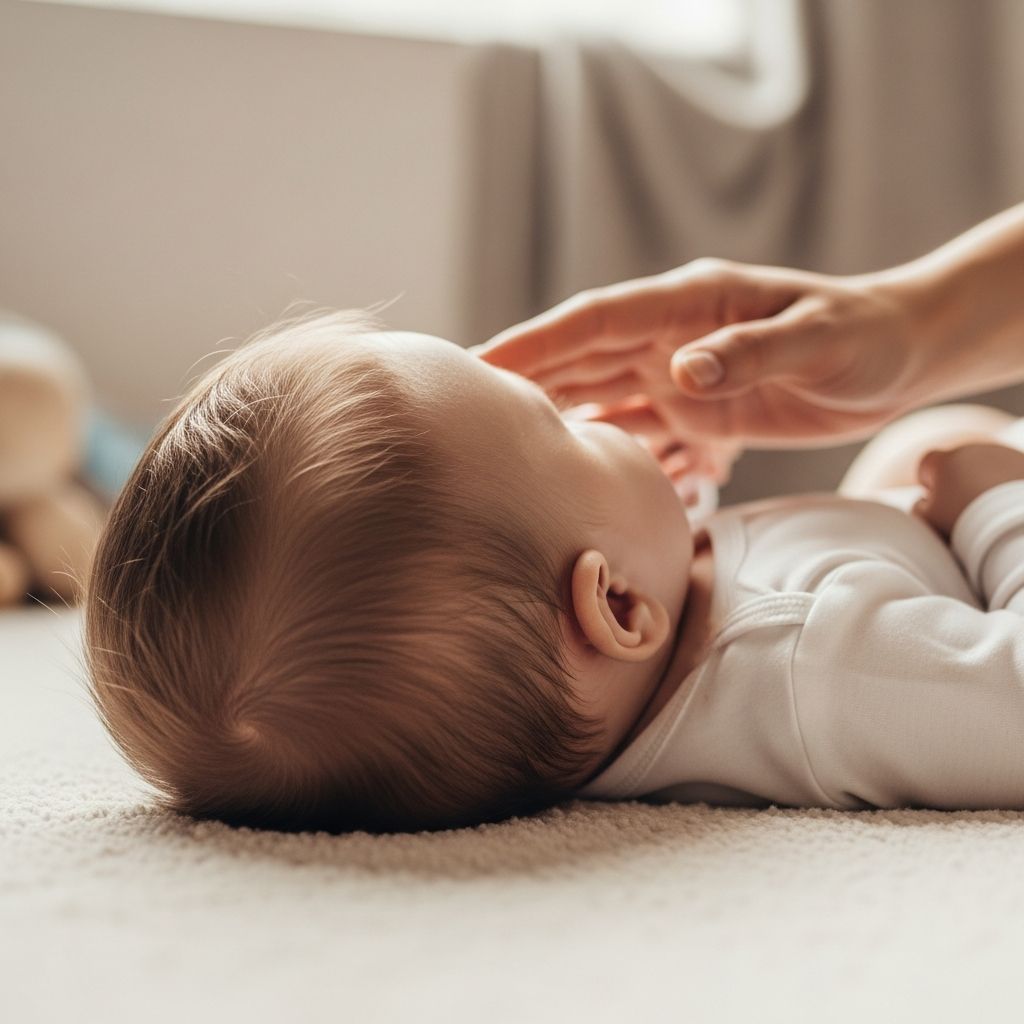
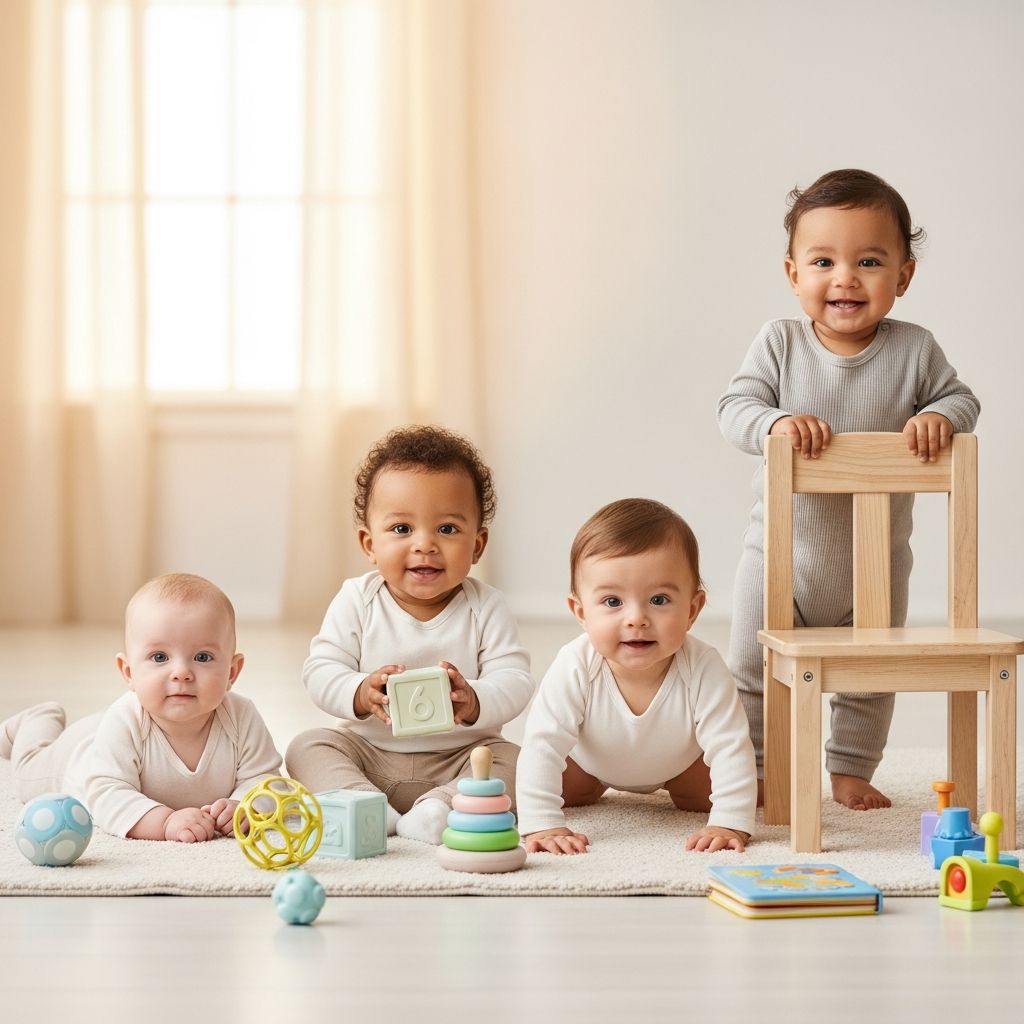
Teething marks a key milestone when a baby’s first teeth push through the gums, typically starting between 4 and 7 months, though timelines vary. This natural process stimulates salivary glands, leading to profuse drooling as babies explore objects with their mouths to alleviate gum soreness.
During this phase, infants may exhibit a range of behaviors. Common indicators include gnawing on fists or toys, flushed cheeks, and mild fussiness due to pressure on emerging teeth. A slight temperature elevation under 100.4°F (38°C) can occur from inflammation, but higher fevers signal other issues.
- Excessive drooling: Leads to wet chins and clothing, sometimes causing skin irritation.
- Gum swelling: Tender, red areas where teeth are breaking through.
- Chewing urges: Babies seek hard surfaces for relief.
- Sleep disruptions: Night wakings from discomfort.
- Mild appetite changes: Temporary disinterest in solids.
These symptoms generally peak as teeth erupt and subside within days. Parents often link them to digestive changes, but evidence points elsewhere.
Does Teething Directly Trigger Diarrhea?
Pediatric experts, including those from reputable health organizations, assert no causal link between teething and diarrhea. Studies, such as one published in the Canadian Medical Association Journal, analyzed symptoms in teething infants and found no statistical association with loose stools.
Indirect influences exist: Swallowed excess saliva might mildly alter stool consistency by increasing intestinal moisture. Additionally, teething babies mouth non-sterile toys or fingers, potentially introducing bacteria that upset the gut temporarily.
| Teething-Related Changes | Non-Teething Causes of Diarrhea |
|---|---|
| Mild, occasional loose stools from saliva or germs | Frequent watery stools from infections or diet |
| Resolves in 3-5 days with tooth eruption | Lasts longer than a week or worsens |
| No fever over 100.4°F, no vomiting | Accompanied by fever, rash, blood in stool |
Coincidence often explains the overlap, as teething aligns with introducing solids around 6 months, when digestive systems mature and infection risks rise post-maternal antibodies.
Primary Culprits Behind Infant Diarrhea
Diarrhea in babies under one year stems more from infections, dietary shifts, or medications than teething. Viral gastroenteritis, like rotavirus, tops the list, causing watery stools, vomiting, and fever.
- Infections: Bacteria from contaminated surfaces or viruses irritate the intestines, leading to explosive diarrhea.
- Antibiotics: Disrupt gut microbiome, fostering loose stools until balance restores.
- Food sensitivities: Lactose or new solids overwhelm immature digestion, producing gas and diarrhea.
- Excess sugars: Juice draws water into bowels via osmosis.
- Allergies: Rare but involve systemic symptoms like rashes.
A study noted diarrhea in about 20% of teething cases peaking with incisors, but attributed it to concurrent factors, not teeth.
Duration and Characteristics of Loose Stools
Mild teething-associated changes yield softer, less frequent stools lasting 3-5 days, normalizing post-eruption. Distinguish this from problematic diarrhea: extremely watery, foul-smelling, bloody, or mucus-laden stools demand attention.
Color varies—yellowish from rapid transit, green from bile—but persistent abnormalities signal issues. Track frequency: over 6-8 wet diapers daily, especially with dehydration signs, warrants a pediatric visit.
Safe Home Strategies for Comfort and Relief
Focus on soothing gums and maintaining hydration. Offer chilled teething rings or clean washcloths for chewing—avoid freezing to prevent gum damage.
- Hydration first: Breastfeed or formula-feed on demand; for infants over 6 months, add oral rehydration solutions (ORS) in small sips.
- Gentle diet: Stick to bland foods like bananas, rice, applesauce (BRAT diet) if solids introduced.
- Skin protection: Apply barrier creams to prevent diaper rash from acidic stools.
- Gum massage: Clean fingers rubbed on gums provide relief.
- Pain relief: Acetaminophen dosed by weight, per pediatrician guidance—never aspirin.
Hygiene is crucial: Wash hands, sterilize toys to curb germ exposure.
Dehydration Risks and Warning Signals
Diarrhea’s greatest danger is fluid loss, critical in small bodies. Monitor for sunken fontanelle, dry lips, lethargy, or reduced urine output (fewer than 6 wet diapers daily).
- No tears when crying
- Sunken eyes or soft spot
- Irritability or unusual drowsiness
- Bloody/mucousy stools
- Fever above 100.4°F
- Vomiting persisting over 24 hours
Seek immediate care if these appear. Dehydration escalates quickly, but prompt ORS can reverse mild cases.
Expert Pediatric Guidance on Management
Organizations like the American Academy of Pediatrics emphasize ruling out infections before attributing symptoms to teething. Cultural beliefs sometimes downplay ‘teething diarrhea,’ delaying care and risking dehydration equally in all cases.
Consult providers for persistent symptoms. Vaccines like rotavirus prevent common causes.
Frequently Asked Questions About Teething and Diarrhea
Can teething cause fever in babies?
No, true fevers over 100.4°F indicate illness, not teething. Monitor closely.
How long does teething diarrhea last?
Mild cases tied to saliva resolve in 3-5 days; longer suggests other causes.
Is vomiting a teething symptom?
Not directly; it points to gastrointestinal upset or infection.
What foods worsen baby diarrhea?
High-sugar juices, dairy in sensitive infants, or fatty solids.
When to call the doctor for loose stools?
If lasting over 5 days, with dehydration signs, blood, or fever.
Preventing Complications During Teething
Proactive steps reduce risks: Maintain vaccination schedules, introduce foods gradually, ensure handwashing rituals. Track symptoms in a diary to discern patterns, aiding doctor discussions.
For rash-prone bottoms, frequent changes and creams protect skin. Emotional support—cuddles, distractions—eases overall discomfort.
Teething spans 20+ teeth into toddlerhood, so build resilience with routines. Most babies thrive through it with parental vigilance.
(Word count: 1678)
References
- Does Teething Cause Diarrhea? Signs & Baby Care Tips — Star Specialty Hospital. 2023. https://statspecialtyhospital.com/does-teething-cause-diarrhea
- Teething Diarrhea in Babies: Color, Duration & Remedies — Cloudnine Hospital. 2024. https://www.cloudninecare.com/blog/can-teething-cause-diarrhoea
- Does My Baby Have Teething Diarrhea? — Healthline. 2023-05-15. https://www.healthline.com/health/baby/teething-diarrhea
- Don’t dismiss a baby’s diarrhea as teething — Norton Children’s. 2023. https://nortonchildrens.com/news/can-teething-cause-diarrhea/
- Teething 101: Symptoms & Soothing — Boudreaux’s Butt Paste. 2023-10-01. https://www.buttpaste.com/blog/201710/teething-101-symptoms-soothing
- Is teething associated with diarrhea? — PMC – NIH. 1999-11-15. https://pmc.ncbi.nlm.nih.gov/articles/PMC1071026/