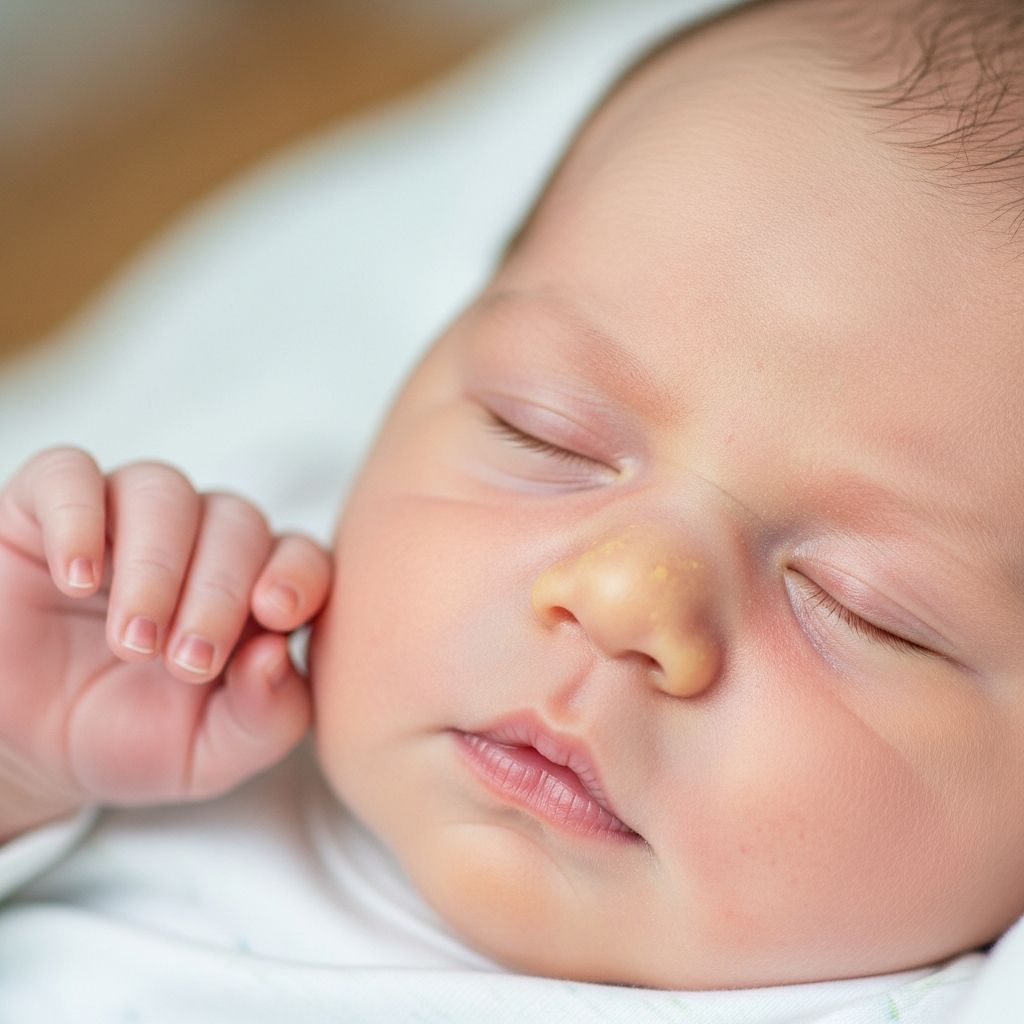
New parents frequently encounter behaviors in their newborns that seem alarming at first glance. From irregular breathing patterns to sudden twitches, these occurrences are often part of normal infant physiology and development. Understanding these can reduce anxiety and help parents focus on nurturing their baby effectively.
Understanding Newborn Physiology: Why Babies Act ‘Strange’
Infants enter the world with immature systems adapting rapidly to life outside the womb. Their tiny bodies prioritize growth and sensory exploration, leading to actions that mimic distress but signal healthy adjustment. For instance, newborns have small lung capacities, causing periodic breathing changes, and their nervous systems produce reflex-like movements as they build coordination.
During the first weeks, babies spend much of their time sleeping and feeding, with wakeful periods for interaction. This pattern supports brain development and energy conservation for rapid growth. Parents should note that variations in alertness are typical, as long as the baby responds to stimuli like voices or touch.
Breathing Patterns That Seem Worrying
One of the most common scares is a baby’s irregular breathing. Newborns often exhibit periodic breathing, where breaths speed up and slow down, or include brief pauses up to 10 seconds. This is normal because their respiratory control centers are maturing. Count breaths for a full minute to confirm a rate of 30-60 per minute when active.
- Fast breathing during feeds: Babies breathe quicker to coordinate sucking, swallowing, and breathing.
- Sighing or grunting: Helps open small airways and clear fluids.
- Tip: Place baby on their back in a clear space for safe monitoring.
If pauses exceed 10 seconds or skin turns blue, seek immediate care, but most patterns stabilize by 6 weeks.
Skin Changes and Rashes Explained
Baby skin is thin and sensitive, reacting to temperature shifts, clothing, or womb remnants. Common sights include:
- Milia: Tiny white bumps from blocked pores, vanishing by 2-3 months.
- Newborn acne: Red pimples from maternal hormones, clearing without treatment.
- Mongolian spots: Blue-gray birthmarks on back or bottom, fading over years, more common in darker skin tones.
These affect up to 50% of newborns and require no intervention unless spreading or painful. Keep skin clean and dry to prevent irritation.
Eye Discharges and Watery Eyes
Tear ducts in newborns are often narrow or blocked, causing sticky discharge or tearing. This ‘blocked tear duct’ resolves as babies cry and produce tears, usually by 12 months. Gently massage the inner eye corner 2-3 times daily to aid drainage.
- Wipe from inner to outer eye with warm water.
- Avoid squeezing; infection risk increases if red or swollen.
Normal unless accompanied by fever or pus-like discharge.
Twitches, Startles, and Jerky Movements
The Moro reflex causes babies to fling arms and legs when startled, a protective remnant from womb life. Twitches during sleep are myoclonic jerks, normal as the brain organizes neural pathways. These decrease by 3-6 months.
Video example: Babies may arch backs or cycle legs, mimicking seizures but part of gross motor prep for rolling. Swaddle snugly to minimize overstimulation.
Digestive Noises and Bowel Habits
Gurgling stomachs, gas, and variable stools alarm many. Breastfed babies pass mustard-yellow, seedy stools frequently; formula-fed have firmer, less often. Green or frothy? Often foremilk imbalance—feed longer per side.
| Stool Type | Normal For | Action |
|---|---|---|
| Mustard yellow, seedy | Breastfed | None |
| Tan, peanut butter-like | Formula-fed | None |
| Hard pellets | Dehydrated or transitioning | Increase fluids |
Frothy green stools may indicate allergy; consult pediatrician.
Sneezing, Hiccups, and Nasal Congestion
Sneezing clears amniotic fluid remnants from nasal passages—a reflex up to several weeks. Hiccups stem from diaphragm practice, harmless and self-resolve. Chronic stuffiness? Use saline drops and bulb suction before feeds.
- Hiccups after feeding: Burp more frequently.
- Sneezing clusters: Normal unless feverish.
Sleep Quirks and Sudden Wakes
Newborns cycle through active (REM) and quiet sleep rapidly, causing grimaces or flailing. They wake every 2-3 hours for feeds due to tiny stomachs holding little milk. By 3 months, longer stretches emerge as circadian rhythms develop.
Safe sleep: Back sleeping on firm surface, no pillows.
Head Shape, Trembling, and Sweating
Molding from birth canal creates temporary cone heads, rounding in weeks. Chin trembling while crying exercises muscles. Profuse sweating? Immature temperature regulation—dress in layers, avoid overheating.
Feeding Cues and Vomiting
Spitting up post-feed is gastroesophageal reflux, peaking at 4 months as babies lie flat less. Positional feeding and upright burping minimize it. Projectile vomiting differs—urgent if forceful.
When to Contact a Doctor
Most signs self-resolve, but watch for:
- Fever over 100.4°F rectally in newborns.
- Lethargy, no wet diapers (6+ hours).
- Persistent crying >3 hours.
- Breathing distress: Flaring nostrils, retractions.
Regular well-visits track milestones like head lifting by 2 months, rolling by 6. Early intervention aids if delays noted.
Supporting Healthy Development Amid Normal Signs
Tummy time builds strength for milestones: lifting head (1-3 months), rolling (4-6), sitting (6-8), cruising (10-12). Respond to coos, read daily for language—babies coo by 2 months, babble by 6, words by 12.
Socially, eye contact emerges early, stranger anxiety at 6-8 months normal. Provide safe toys for grasping, stacking to foster cognition.
Frequently Asked Questions (FAQs)
Is it normal for my newborn to sneeze a lot?
Yes, frequent sneezing clears nasal passages of fluid in the first weeks. Use saline if congested, but it’s typically harmless.
Why does my baby hiccup so much?
Hiccups result from diaphragm spasms, common after feeds. They pose no risk and stop naturally.
Should I worry about my baby’s jerky movements?
Jerks and startles are reflexes like Moro, fading by 4-6 months. Video them if concerned for doctor review.
When do irregular breathing patterns improve?
By 2-3 months as respiratory control matures. Monitor for pauses >10 seconds.
Is green poop normal in breastfed babies?
Often yes from foremilk, but track frequency. Consult if frothy or with fussiness.
Conclusion: Trust the Process
Armed with knowledge, parents can embrace these phases confidently. Most ‘scary’ signs reflect a baby’s thriving adaptation. Track patterns, attend checkups, and enjoy the journey.
References
- Month-by-Month Guide to Your Infant’s First Year — Allied Physicians Group. 2023. https://alliedphysiciansgroup.com/patient-resources/patient-education/month-by-month-guide-to-your-infants-first-year-essential-milestones-and-tips-for-parents/
- Infant Milestones First Year — Metropolitan Pediatrics. 2024. https://www.metropediatrics.com/pediatric-blog/the-first-year-milestones-what-to-expect-in-a-babys-first-year-and-how-to-support-them/
- What to Expect in Your Baby’s First Year: Month-by-Month Milestones — YouTube (Pediatric Video). 2023. https://www.youtube.com/watch?v=BuT-a0uYf2k
- Milestones by 1 Year — Centers for Disease Control and Prevention (CDC). 2025-01-16. https://www.cdc.gov/act-early/milestones/1-year.html
- Baby Developmental Milestones By Month — Cleveland Clinic. 2024. https://my.clevelandclinic.org/health/articles/22063-baby-development-milestones-safety
- Your Newborn’s First Weeks — Raising Children Network. 2024. https://raisingchildren.net.au/pregnancy/labour-birth/first-week-of-life/newborns-first-week
- Newborn Developmental Milestones — Acton Pediatrics. 2023. https://www.actonrdpeds.com/blog/1079074-newborn-developmental-milestones-what-to-expect-in-the-first-year/
- Newborn Warning Signs — Nationwide Children’s Hospital. 2024. https://www.nationwidechildrens.org/conditions/health-library/newborn-warning-signs