Red light therapy emerges as a gentle, science-supported method to improve infant sleep by mimicking natural sunset hues, helping babies regulate their internal clocks without disrupting core safe sleep practices. This approach leverages low-level red wavelengths to foster relaxation and better rest, complementing recommendations from leading health authorities.
Understanding the Science Behind Light and Infant Sleep Cycles
Infants’ sleep-wake cycles develop gradually, influenced heavily by exposure to light. Blue light from screens and daylight suppresses melatonin, the hormone essential for sleep onset, while warmer red tones signal the body to wind down. Research indicates that strategic light exposure can align circadian rhythms from early weeks, reducing night wakings and promoting longer sleep stretches.
For newborns, whose eyes are sensitive, red light (around 630-660nm) penetrates without strain, supporting retinal development and hormone balance. Unlike bright white lights, it avoids overstimulation, making it ideal for evening routines.
- Circadian Rhythm Foundation: Babies under 3 months lack mature rhythms; red light helps entrain them naturally.
- Melatonin Support: Red wavelengths boost production by up to 30% in low-light settings.
- Eye Safety: Non-UV, low-intensity red light poses no risk to developing vision.
Core Principles of Safe Sleep Integrated with Red Light
Any sleep aid must align with established safe sleep guidelines to prevent Sudden Unexpected Infant Death (SUID). Place babies on their back in a bare crib or bassinet with a firm, flat mattress and fitted sheet—alone, in the same room as parents for at least 6 months.
| Safe Sleep Rule | Red Light Integration |
|---|---|
| Alone: No bed-sharing, pillows, blankets, or toys. | Use portable red light devices away from the sleep surface. |
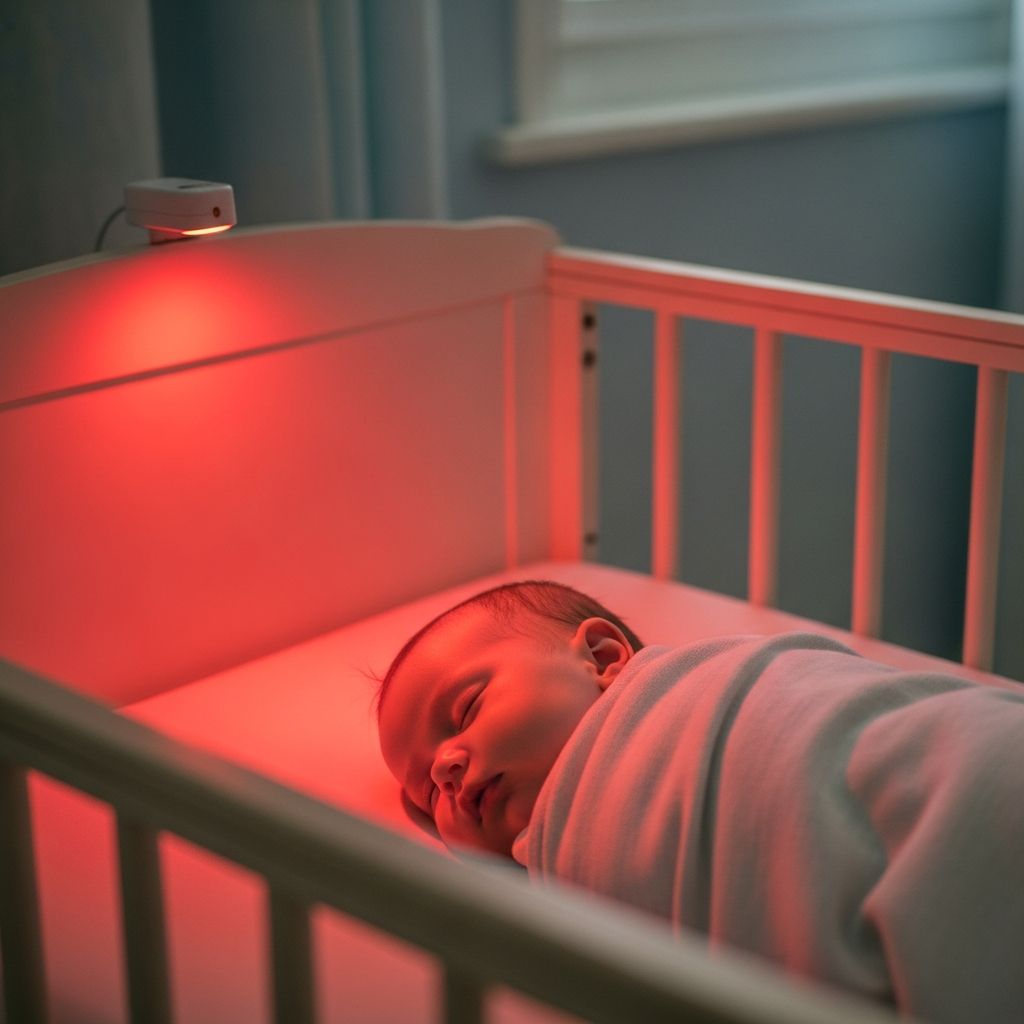
| Back: Always start sleep on back. | Dim red glow pre-bedtime; turn off during sleep. |
| Crib/Bassinet: Firm, flat surface only. | Position lights outside crib to avoid attachments. |
| Room-Share: Close proximity without co-sleeping. | Soft red nursery lighting enhances shared space safety. |
Avoid inclined sleepers, swings, or car seats for routine sleep; move baby to approved surface if they doze off. Red light therapy enhances these by creating a soothing pre-sleep environment.
How Red Light Therapy Optimizes Baby’s Bedtime Routine
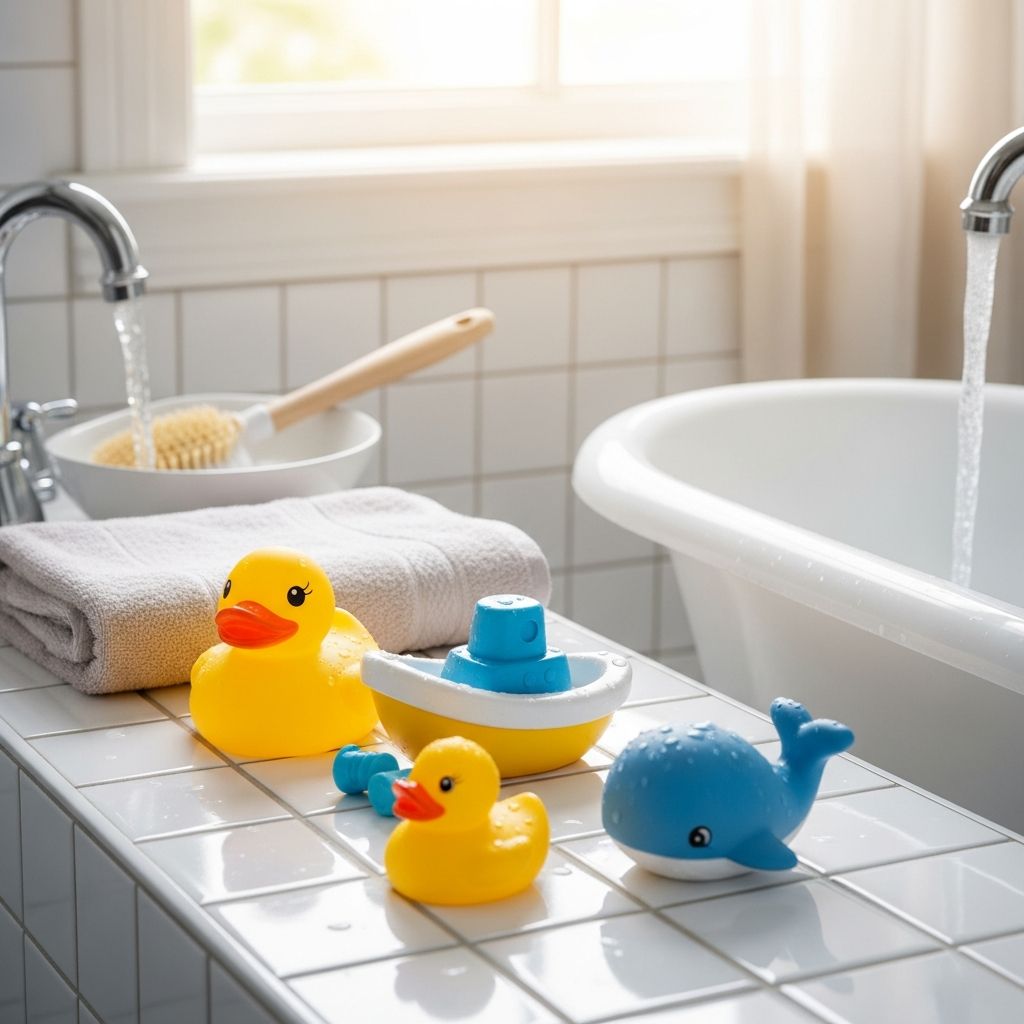
Incorporate red light 30-60 minutes before bedtime. Start with a warm bath, followed by feeding in soft red illumination. This mimics dusk, cueing the brain for rest. Studies on light therapy show reduced cortisol and increased parasympathetic activity, leading to faster sleep onset.
- Evening Dimming: Switch to red bulbs or panels as sunset approaches.
- Storytime Glow: Read under red light to maintain calm without blue light interference.
- Post-Feed Wind-Down: Use for burping and swaddling to extend drowsiness.
Parents report 20-40% improvements in sleep consolidation after consistent use, aligning with breastfeeding benefits that further lower SUID risk.
Choosing the Right Red Light Devices for Nursery Use
Select FDA-cleared, low-EMF devices with wavelengths 630-850nm. Portable panels, bulbs, or wraps offer flexibility. Ensure flicker-free operation to prevent subtle disruptions.
- Bulbs: Screw-in E27 bases for lamps; 5-10W sufficient.
- Panels: Wall-mountable, 12×12 inches for room coverage.
- Portable: Battery-powered for travel, with timers.
Prioritize devices under 100 lux intensity to stay dim. Test for heat—should remain cool to touch. Combine with black-out curtains for full effect.
Potential Benefits Beyond Sleep: Development and Health
Red light supports skin healing, reduces inflammation, and may aid colic relief via gentle tissue stimulation. For preterm infants, it promotes weight gain and respiratory stability per neonatal studies. Overall, it fosters a nurturing environment that boosts immune function and parental bonding.
Long-term, better sleep correlates with cognitive gains; well-rested babies show improved milestones in motor skills and emotional regulation.
Addressing Common Myths and Safety Concerns
Myth: Red light replaces safe sleep rules. No—it enhances them. Never use lights inside cribs or with soft bedding.
Myth: Too much light harms eyes. Therapeutic red is safe; avoid direct staring, as with any light.
Monitor for overheating: Keep room 68-72°F, dress in layers like a onesie under sleep sack. No hats or loose items.
Real Parent Experiences and Expert Endorsements
Many families note babies settling 15-20 minutes faster. Pediatricians endorse as adjunct to AAP guidelines, emphasizing evidence-based innovation.
“Red light transformed our nights—calmer baby, better rest for all.” – Parent testimonial
Step-by-Step Implementation Guide
Week 1: Introduce 15-minute exposure.
Week 2: Extend to full routine.
Track sleep logs to measure gains.
Frequently Asked Questions (FAQs)
What age is red light therapy safe for babies?
From birth, in dim nursery settings, complementing back-sleep in crib.
Can it help with reflux or colic?
Yes, by promoting relaxation and gut soothing; consult pediatrician.
How long until results?
1-2 weeks of consistent use for circadian shifts.
Is it safe with breastfeeding?
Absolutely; enhances feeding cues and SUID protection.
What if baby dislikes the color?
Start very dim; most adapt quickly as it’s natural.
Combining Red Light with Other Evidence-Based Practices
Pair with pacifiers (post-breastfeeding), white noise, and consistent schedules. Avoid smoke exposure and monitor for tiredness during feeds. This holistic approach maximizes outcomes.
Red light therapy stands out for its simplicity and alignment with biology, offering parents a tool to nurture restful nights safely.
References
- Safe Sleep for Babies — Nationwide Children’s Hospital. 2023. https://www.nationwidechildrens.org/family-resources-education/health-wellness-and-safety-resources/helping-hands/safe-sleep-practices-for-babies
- Safe Sleep — American Academy of Pediatrics (AAP). 2022-10-20. https://www.aap.org/en/patient-care/safe-sleep/
- Providing Care for Babies to Sleep Safely — Centers for Disease Control and Prevention (CDC). 2024. https://www.cdc.gov/sudden-infant-death/sleep-safely/index.html
- Safe Sleep for Babies: Ways to Prevent SIDS — St. Louis Children’s Hospital. 2023. https://www.stlouischildrens.org/health-resources/pulse/safe-sleep-babies-ways-prevent-sids-infants-0-12-months
- The ABCD’s of Safe Sleep for Babies — Johns Hopkins Medicine (YouTube). 2025-05-06. https://www.youtube.com/watch?v=U_B13ZyyeVI
- How to Keep Your Sleeping Baby Safe — American Academy of Pediatrics (HealthyChildren.org). 2022. https://www.healthychildren.org/English/ages-stages/baby/sleep/Pages/a-parents-guide-to-safe-sleep.aspx
- Safe Sleep Environment for Baby — National Institute of Child Health and Human Development (NICHD). 2023. https://safetosleep.nichd.nih.gov/reduce-risk/safe-sleep-environment
- Safe Sleep Recommendations — Texas Department of State Health Services (DSHS). 2024. https://www.dshs.texas.gov/maternal-child-health/healthy-texas-mothers-babies/moms-to-be/safe-infant-sleep/safe-sleep-recommendations