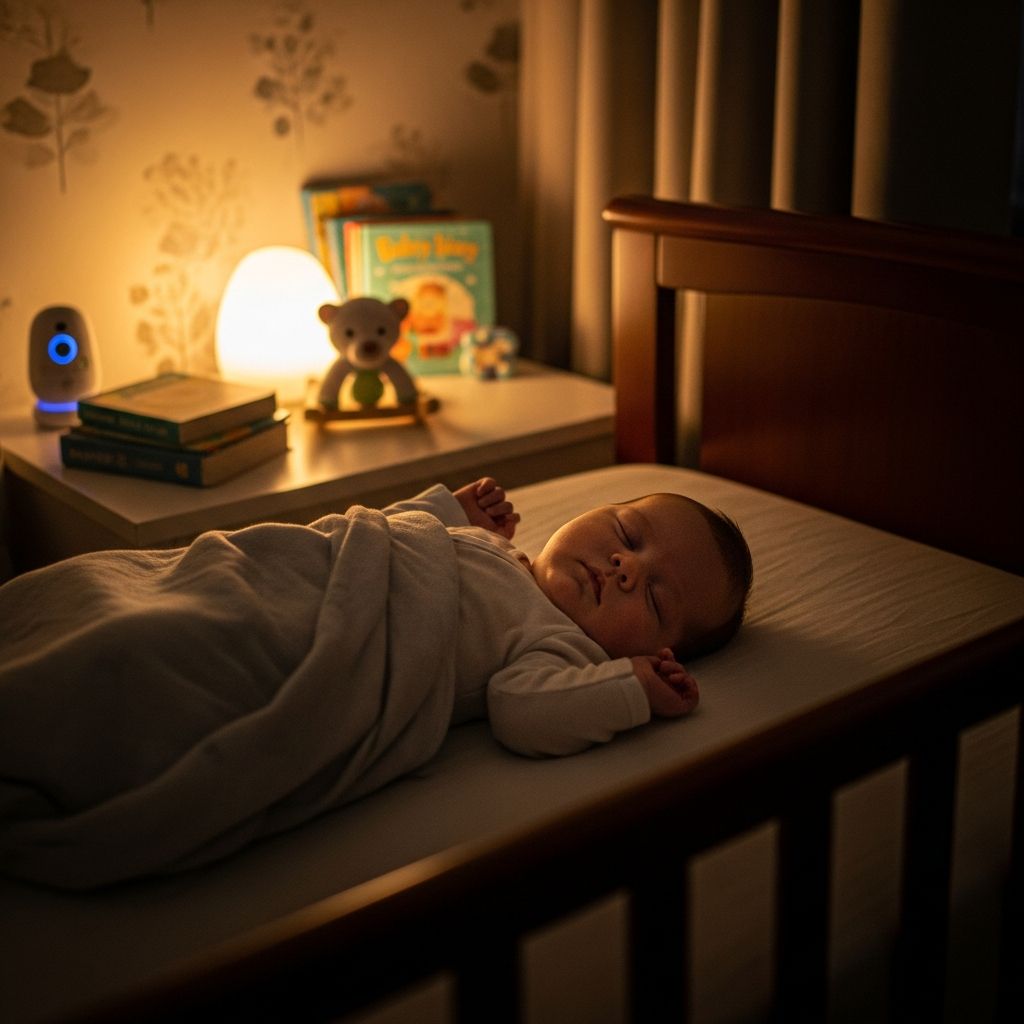
Understanding Why Infant Sleep Matters for Development
Quality sleep during infancy is far more than just rest—it serves as the foundation for healthy physical growth, cognitive development, and emotional regulation. When babies struggle with sleep, the consequences ripple through the entire family system, affecting parental well-being and the infant’s behavioral patterns. Parents often find themselves navigating a complex landscape of conflicting advice, outdated traditions, and well-meaning guidance that may not apply to their specific situation.
The first step toward improving your baby’s sleep involves recognizing that sleep difficulties are often rooted in modifiable behaviors and environmental factors rather than inherent problems with your child. By systematically addressing these elements, families can create conditions that naturally support restorative sleep.
The Foundation: Building Predictable Sleep Patterns
One of the most significant factors influencing infant sleep quality is the presence—or absence—of consistent timing and routines. Babies possess biological rhythms that govern their sleep-wake cycles, and these rhythms respond powerfully to environmental cues and behavioral patterns. When sleep times fluctuate significantly from day to day, these internal rhythms become disrupted, making it progressively harder for infants to recognize when sleep should occur.
Establishing a bedtime sequence that remains relatively consistent provides the nervous system with predictable signaling. This sequence should begin approximately 30 minutes before the target sleep time and might include activities such as adjusting room lighting, changing into sleep clothing, engaging in gentle physical contact like massage, or reading in a calm voice. The specific activities matter less than the consistency of their sequencing—your baby’s developing brain learns to associate these patterns with the transition into sleep mode.
Research on circadian rhythm development indicates that infants benefit tremendously from consistent sleep onset times, as this regularity helps calibrate their internal timing mechanisms. The goal is not rigid adherence regardless of circumstances, but rather a general pattern that can be maintained most nights.
Crafting an Optimal Physical Sleep Environment
The surroundings in which your baby sleeps exert considerable influence over sleep quality and duration. Multiple environmental factors work together to either support or interfere with the ability to fall and remain asleep throughout sleep periods.
Temperature considerations: Research suggests that the optimal sleeping temperature for infants falls between 68-72°F (20-22°C). Overheating during sleep poses documented risks and interferes with sleep continuity. Conversely, an environment that becomes too cold triggers awakenings and restlessness. Many families benefit from using a room thermometer to monitor conditions, particularly during seasonal transitions.
Light management: Darkness signals the brain to produce melatonin, the hormone that facilitates sleep onset. Even small amounts of ambient light can prevent optimal melatonin production. Blackout coverings for windows, removal of light-emitting devices from the sleep space, and dimming of nightlights to the absolute minimum necessary level all contribute to creating appropriate darkness.
Sound environment: Contrary to popular belief that babies need complete silence, infants actually sleep better with consistent, monotonous background sound. White noise machines or fans that produce steady, low-frequency sound mimic the auditory environment of the womb and help mask variable household noises that might trigger awakenings. The key is consistency—sudden silence or changes in sound levels are more disruptive than continuous background noise.
Selecting Appropriate Sleep Surfaces and Safe Sleep Practices
The surface and context in which your baby sleeps carries important safety and comfort implications. Firm, flat sleeping surfaces designed specifically for infants with appropriate safety certifications provide the optimal foundation for both safety and sleep quality. Soft or uneven surfaces, plush bedding, pillows, or loose blankets create multiple hazards while simultaneously making it difficult for babies to settle into deep sleep.
The sleeping surface should feature minimal bedding—essentially a fitted sheet over a firm mattress designed to fit precisely. Bumpers, decorative pillows, and heavy blankets have no place in an infant’s sleep environment. Instead, sleep clothing designed to maintain appropriate warmth without loose coverings provides temperature regulation while maintaining safety standards.
Consistency in sleep location also supports better sleep patterns. When babies sleep in different locations—sometimes in a crib, sometimes in a car seat, sometimes in a stroller—they lack the environmental cues that help establish solid sleep associations. While occasional on-the-go sleep is inevitable in modern parenting, making the crib the primary sleep location helps establish stronger sleep patterns.
Nutrition and Feeding Timing: Finding the Right Balance
Many parents mistakenly believe that offering larger feedings immediately before bedtime will promote longer sleep duration. In reality, a very full stomach can create discomfort and actually trigger more frequent awakenings. Additionally, the digestive process itself can interfere with sleep quality.
Rather than feeding immediately before the target sleep time, consider completing primary feedings approximately 30 minutes before bedtime. This timing allows the digestive process to advance while your baby transitions into a calmer state. If night awakenings occur, evaluate whether they genuinely indicate hunger or represent normal arousal periods that your baby can be guided back through without intervention.
For older infants, recognizing the difference between genuine hunger signals and comfort-seeking behaviors becomes increasingly important. This distinction helps prevent the pattern where feeding becomes the primary sleep-association tool, making independent sleep increasingly difficult.
Recognizing and Responding to Sleep Readiness Cues
Babies communicate their readiness for sleep through observable behavioral signs that parents can learn to recognize. These signals include eye rubbing, yawning, loss of interest in activities or toys, and subtle changes in demeanor such as increased fussiness or reduced engagement with caregivers.
The challenge lies in acting on these cues at the right moment. If a parent waits too long after initial sleep signs appear, the infant often progresses into an overtired state characterized by increased fussiness and paradoxically greater difficulty falling asleep. Once overtiredness develops, sleep becomes more fragmented and difficult to maintain.
Conversely, putting a baby down before genuine tiredness signals appear often results in prolonged settling periods and resistance to sleep. Developing sensitivity to the specific pattern of your individual infant’s sleep cues requires observation over several days or weeks, but this investment pays substantial dividends in easier sleep transitions.
Managing Daytime Sleep Patterns’ Impact on Nighttime Rest
The relationship between daytime napping and nighttime sleep operates in both directions. Excessive daytime sleep can reduce nighttime sleep pressure, making it harder for babies to fall asleep at the target bedtime. Conversely, insufficient daytime sleep often leads to overtiredness that paradoxically makes nighttime sleep more fragmented and difficult.
Finding the appropriate balance requires attention to total sleep amounts appropriate for your infant’s developmental stage, combined with flexibility about how that sleep is distributed across the day. Many families benefit from creating a consistent nap schedule that spaces sleep periods strategically, allowing adequate daytime rest while preserving sufficient sleep pressure for consolidated nighttime rest.
As infants develop, their capacity for extended wakefulness gradually increases. The timing of naps relative to bedtime should be adjusted to support rather than undermine nighttime sleep. Generally, the final nap of the day should end with enough time remaining before bedtime to allow sleep pressure to rebuild naturally.
Avoiding Problematic Sleep Dependencies and Associations
Sleep associations—the specific conditions or activities that become linked with falling asleep—develop naturally through repeated pairing of circumstances with sleep onset. When these associations involve parental actions that must be replicated throughout the night, they create a pattern where your baby cannot independently navigate brief arousals without caregiver intervention.
Common problematic associations include falling asleep only while being rocked, held, or fed; sleeping only while a parent remains in physical contact; or requiring specific interventions such as pacifier replacement whenever arousal occurs. While these approaches can facilitate sleep initiation, they often create patterns that fragment sleep and increase nighttime parental demands as the night progresses.
Building independent sleep capacity involves gradually introducing the experience of falling asleep while drowsy but not yet unconscious, and in circumstances where the infant is in the location where the sleep will continue. This might involve placing your baby in the crib while showing signs of tiredness but before complete sleep onset, remaining nearby for reassurance, and gradually reducing your physical presence as your infant develops confidence in their ability to transition to sleep independently.
Addressing Stimulation Levels Before Sleep Time
The hours preceding bedtime significantly influence how readily your baby will transition into sleep. High stimulation—including vigorous play, exciting activities, bright lighting, or intense social engagement—activates the nervous system and increases alertness at precisely the moment when calm and relaxation should be building.
Creating a wind-down period before bedtime involves deliberately reducing stimulation across multiple dimensions. This might include dimming lights progressively, shifting from active play to calmer activities, lowering voice volume and speaking less frequently, and minimizing transitions or changes in activity. Some families find that this transition period works best when it occurs in a quiet area removed from the primary family activity space.
The specific activities during this wind-down period should feel natural and sustainable for your family rather than representing a prescribed formula. Reading, gentle music, soft movement, or simply quiet time together all serve the purpose of signaling the nervous system that the day’s activities are concluding.
Clothing and Temperature Regulation During Sleep
Appropriate sleep clothing serves the dual purpose of maintaining comfortable temperature while eliminating hazards associated with loose blankets or heavy bedding. The ideal sleep garment should feel soft and allow appropriate air circulation, fit snugly enough to remain in place throughout movement, but not so snugly as to restrict comfortable movement.
Natural fibers like cotton and merino wool offer advantages in temperature regulation, adjusting to your baby’s body temperature and wicking moisture away from the skin. Synthetic materials often trap heat and can contribute to overheating, which presents both comfort problems and safety concerns.
The layering approach—using sleep clothing that can be adjusted as needed rather than relying on blankets—provides optimal temperature management. Many families find that sleep sacks or wearable blankets designed specifically for infant sleep offer a good balance between temperature control and safety.
Recognizing When to Seek Additional Support
While many sleep challenges respond well to environmental modifications and behavioral adjustments, some situations may indicate underlying issues requiring professional evaluation. Persistent difficulties falling asleep despite consistent implementation of supportive strategies, severely fragmented sleep unresponsive to environmental improvements, or significant differences from typical developmental sleep patterns warrant consultation with your pediatrician.
Sleep specialists and pediatric sleep consultants can help identify whether specific medical factors, sensory sensitivities, or developmental variations are contributing to sleep difficulties. Early identification and appropriate support can prevent sleep challenges from becoming increasingly entrenched patterns.
Frequently Asked Questions
Q: How long should I wait before implementing sleep changes?
A: Most sleep environment and routine changes require approximately 3-5 days of consistent implementation before meaningful differences become apparent. Some adjustments take longer, particularly behavioral changes related to how you respond to awakenings or how your baby falls asleep independently.
Q: Is it ever too early to work on sleep routines?
A: Even newborns benefit from consistent bedtime routines, though expectations for sleep consolidation should be adjusted to match developmental capabilities. Very young infants have different patterns than older babies, but creating rhythm and consistency remains valuable from the earliest weeks.
Q: What if my baby seems uncomfortable despite changes?
A: Discomfort can indicate various issues including reflux, allergies, or other medical conditions. If your baby demonstrates signs of pain or severe distress despite environmental optimization, pediatric evaluation is warranted to rule out underlying medical factors.
Q: How much white noise is too much?
A: White noise machines should produce sound at a level comparable to steady rainfall or shower sounds—approximately 50-60 decibels. Excessively loud white noise can itself interfere with sleep and may pose hearing risks.
Q: Can sleep problems indicate developmental delays?
A: Sleep difficulties alone do not typically indicate developmental concerns, though some developmental variations can affect sleep patterns. Pediatric evaluation helps distinguish between typical sleep challenges and patterns that warrant further assessment.
References
- Sleep and Infants: Information for Parents — National Institute of Child Health and Human Development (NICHD), U.S. National Institutes of Health. 2024. https://www.nichd.nih.gov/health/topics/sleep/conditioninfo
- Safe Sleep Recommendations for Infants — American Academy of Pediatrics (AAP). 2023. https://publications.aap.org/pediatrics/article-abstract/150/1/e2022057990/181425
- Circadian Rhythm Development in Infants — Journal of Developmental & Behavioral Pediatrics. 2023. https://pubmed.ncbi.nlm.nih.gov/36939523/
- Sleep Environment Optimization for Infants and Young Children — University of Michigan Health, Division of Sleep Medicine. 2024. https://www.uofmhealth.org/health-library
- Infant Sleep and Cognitive Development — Developmental Psychology, American Psychological Association. 2023. https://psycnet.apa.org/journals/dev/