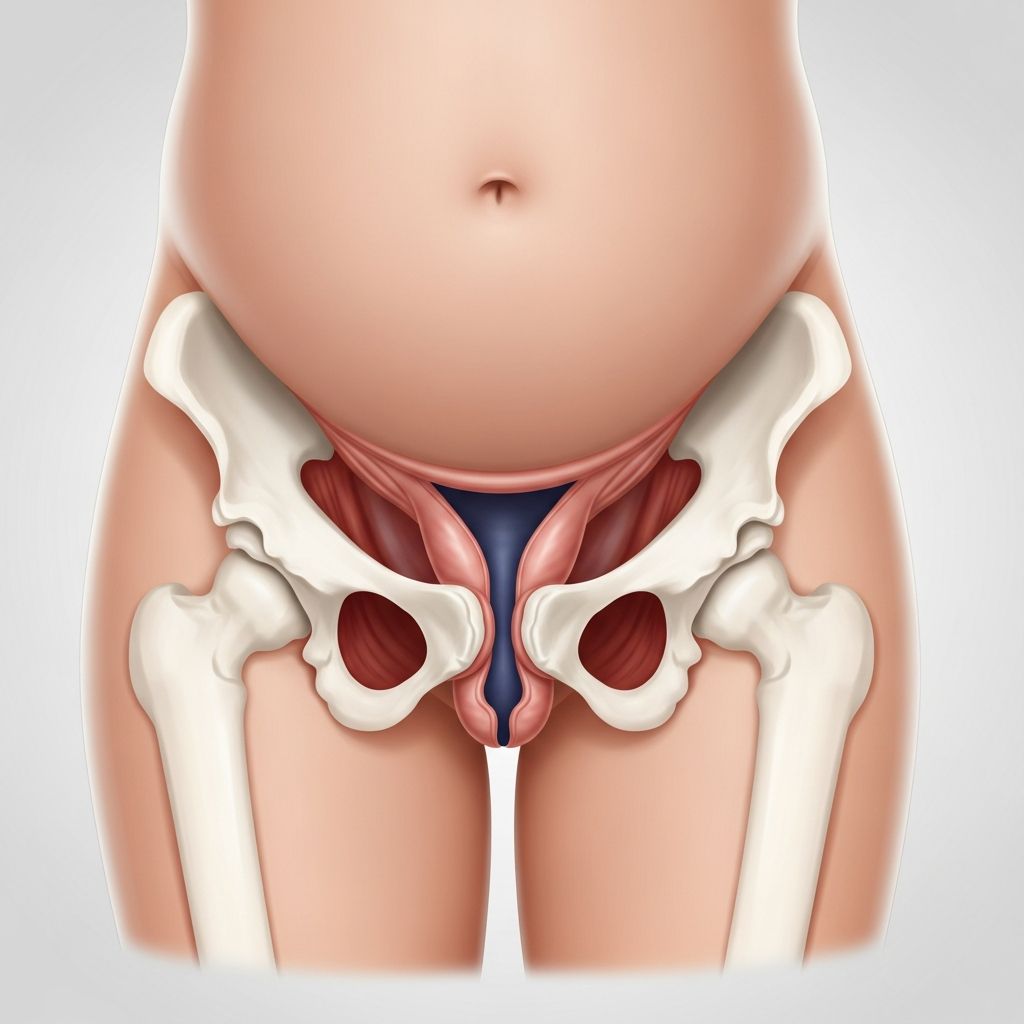
Reaching the end of pregnancy can feel endless, especially past the due date. Many expectant parents seek gentle, non-medical approaches to encourage labor. While no method guarantees results, several have varying levels of scientific backing from medical experts. These strategies focus on supporting the body’s natural processes, but safety is paramount—always consult your healthcare provider before trying any.
Understanding When and Why to Consider Natural Induction
Labor typically begins between 37 and 42 weeks, but about 10% of pregnancies go beyond 40 weeks. At this stage, providers may discuss induction to reduce risks like placental aging. Natural methods aim to mimic hormonal changes that trigger contractions, such as rising oxytocin or prostaglandins. Evidence varies: some methods show promise in studies, while others rely on tradition with limited data.
Key factors for success include being at term (39+ weeks), a healthy pregnancy, and no contraindications like preterm labor history. Providers like certified nurse-midwives emphasize discussing options to avoid harm.
Physical Activity: Moving to Promote Progress
Light to moderate exercise leverages gravity and strengthens pelvic muscles, potentially aiding baby’s descent. Walking, for instance, encourages the fetus to engage in the pelvis, which may stimulate contractions.
- Daily walks: Aim for 30 minutes, three times weekly at a brisk pace (about 2.5 mph) from 38 weeks. A 2022 study linked this to lower intervention rates during delivery.
- Stair climbing: Slow ascents and descents use gravity to pressure the cervix. Hold rails and rest as needed to prevent fatigue.
- Squats or yoga poses: Gentle positions like child’s pose open the hips without strain.
Exercise also combats late-pregnancy discomforts like swelling and back pain. Start slow if inactive, and stop if contractions intensify or fluid leaks.
Hormonal Stimulation Through Intimacy
Sexual activity offers multiple benefits via natural body chemicals. Semen contains prostaglandins that soften the cervix, while orgasms release oxytocin, fostering contractions. Skin contact further boosts these hormones.
Research shows mixed results, but it’s low-risk if the amniotic sac is intact and STI-free. Partners should prioritize comfort—positions like spooning ease late-pregnancy bellies. Frequency isn’t specified; focus on enjoyment rather than force.
Sex may not directly induce labor but supports cervical ripening through prostaglandins and oxytocin surges.
Nipple Stimulation: Harnessing Oxytocin Naturally
This technique mimics breastfeeding’s effects, prompting oxytocin release for uterine contractions. Manual rolling, partner assistance, or breast pumps work; stimulate one breast for 15-20 minutes, 3x daily over days.
Studies from 2018 indicate it reduces induction needs and postpartum bleeding risks, especially after 3+ days. A small body of research supports its use in healthy pregnancies. Proceed gently to avoid hyperstimulation—monitor for intense contractions.
| Method | Duration | Frequency | Evidence Level |
|---|---|---|---|
| Manual | 15 min per breast | 3x/day | Moderate |
| Breast pump | 10-15 min | Alternating days | Promising |
Dietary Aids: Foods and Supplements with Potential
Dates: A Sweet Option for Cervical Readiness
Consuming 6-8 pitted dates daily from 36 weeks may shorten early labor stages by softening the cervix. Limited evidence suggests benefits without starting labor outright—avoid if diabetic due to sugars.
Other Foods and Teas
- Pineapple: Bromelain in the core theoretically aids ripening, but quantities needed exceed safe intake; no strong proof.
- Raspberry leaf tea: Tones uterus historically; scant human data, generally safe in moderation.
- Castor oil: Stimulates bowels and possibly contractions (54-58% effectiveness in 24 hours), but causes diarrhea/nausea; not first-line.
Alternative Therapies: Pressure Points and More
Acupressure targets points like the ankle webbing or hand creases to release tension and hormones. While trials show inconsistent results, it’s relaxing and low-cost. Acupuncture, a professional version, lacks robust induction evidence but eases pain.
Spicy foods or eggplant are folklore remedies via gut stimulation, but unproven and risky for heartburn sufferers.
Risks, Myths, and When to Seek Help
Most methods are safe at term but can overstimulate or cause dehydration. Myths like excessive pineapple or unverified herbs (e.g., black cohosh) lack evidence and pose risks. Evening primrose oil shows vaginal efficacy but oral side effects.
Signs to stop: regular contractions, bleeding, decreased fetal movement. Medical induction (e.g., Pitocin) is safer if overdue beyond 41-42 weeks.
Frequently Asked Questions (FAQs)
Is it safe to try natural induction at 39 weeks?
Yes, in low-risk pregnancies after provider approval. Methods like walking pose minimal risk.
How long does nipple stimulation take to work?
Effects may appear after 3 days of consistent use; monitor closely.
Can sex really start labor?
It supports ripening via hormones but doesn’t guarantee onset; ensure safety first.
What if nothing works?
Discuss medical options with your doctor; patience is key as most labors start naturally by 42 weeks.
Are herbal remedies recommended?
Limited evidence; consult providers to avoid interactions.
Preparing Your Body and Mind for Labor
Beyond induction, holistic prep includes pelvic floor exercises, visualization, and birth ball use. Stay hydrated, rest, and track patterns. Partner involvement enhances emotional support.
Evidence underscores patience: bodies know when ready. Combine methods mindfully for best odds.
References
- Natural methods of inducing labor — Nebraska Medicine. 2023. https://www.nebraskamed.com/health/conditions-and-services/pregnancy-and-birth/natural-methods-of-inducing-labor
- The truth about “natural” ways to induce labor — UT Southwestern Medical Center. 2022. https://utswmed.org/medblog/truth-natural-labor/
- 6 Natural Ways to Induce Labor — Healthline. 2023. https://www.healthline.com/health/pregnancy/natural-ways-to-induce-labor
- How To Naturally Induce Labor For VBAC — Rosh MFM. 2024. https://roshmfm.com/how-to-naturally-induce-labor-for-vbac/
- How to induce labor: Natural ways to start the process — HealthPartners. 2023. https://www.healthpartners.com/blog/how-can-i-make-myself-go-into-labor/
- ‘Natural’ moves that induce labor? We fact-check 9 claims — Novant Health. 2023. https://www.novanthealth.org/healthy-headlines/natural-moves-that-induce-labor
- Can anything bring labour on? — Tommy’s. 2024. https://www.tommys.org/pregnancy-information/giving-birth/labour-and-birth-faqs/can-anything-bring-labour