Maternity photography is more than a pretty picture of a baby bump; it is a way to pause an intensely emotional chapter of life and turn it into a story you can revisit forever. Done thoughtfully, a maternity photo shoot celebrates your changing body, the love in your growing family, and the anticipation of welcoming a new life.
Why Maternity Photos Matter More Than You Think
Pregnancy moves quickly, even if some days feel endless, and many parents later say they wish they had more photos of that fleeting time. A maternity session creates intentional space to slow down, connect with your baby, and appreciate the strength and softness of your body.
These images are not just for social media; they become keepsakes your child can look back on to see how loved they were long before they were born. They can also help you reconnect with your own journey in future seasons of life, offering comfort, pride, and perspective.
- Offers a tangible reminder of a unique chapter of life.
- Helps boost confidence and body appreciation during pregnancy.
- Becomes part of your family’s visual story for years to come.
Timing Your Maternity Photo Session
Most people find that the ideal window for maternity photos falls in the late second to mid–third trimester, when the bump is clearly visible but everyday movement is still relatively comfortable. For many, this is around weeks 28–36, though your individual pregnancy and health should always guide the final decision.
If you are carrying multiples or have a history of early delivery, scheduling earlier can ensure you feel well enough to enjoy the experience. On the other hand, if you are comfortable and your care provider is not concerned, slightly later dates can work, especially for at-home lifestyle sessions where less walking is involved.
| Situation | Typical Timeframe | Why It Works |
|---|---|---|
| First pregnancy, single baby | 30–36 weeks | Bump is defined while walking and posing still feel manageable. |
| Second+ pregnancy | 28–34 weeks | Bump often “pops” earlier; comfort can change sooner than with a first. |
| Twins or multiples | 24–32 weeks | Ensures a round bump without cutting it too close to early delivery. |
| High-risk pregnancy | As advised by your provider | Prioritizes health and flexibility in scheduling. |
Choosing a Style That Feels Like You
Before you pick outfits or book a location, pause to think about how you want these photos to feel. Do you picture quiet, intimate images at home, dramatic sunset silhouettes, or something playful with your whole family laughing together?
Clarifying your vision helps guide every decision that follows, from wardrobe and props to lighting and composition. You do not need to choose just one style, but picking a primary direction keeps the session cohesive.
- Classic and timeless: Neutral colors, simple backdrops, soft light, and minimal props.
- Artistic and bold: Strong colors, creative lighting, or unique framing and angles.
- Casual and real-life: Everyday clothing, genuine interactions, and candid moments.
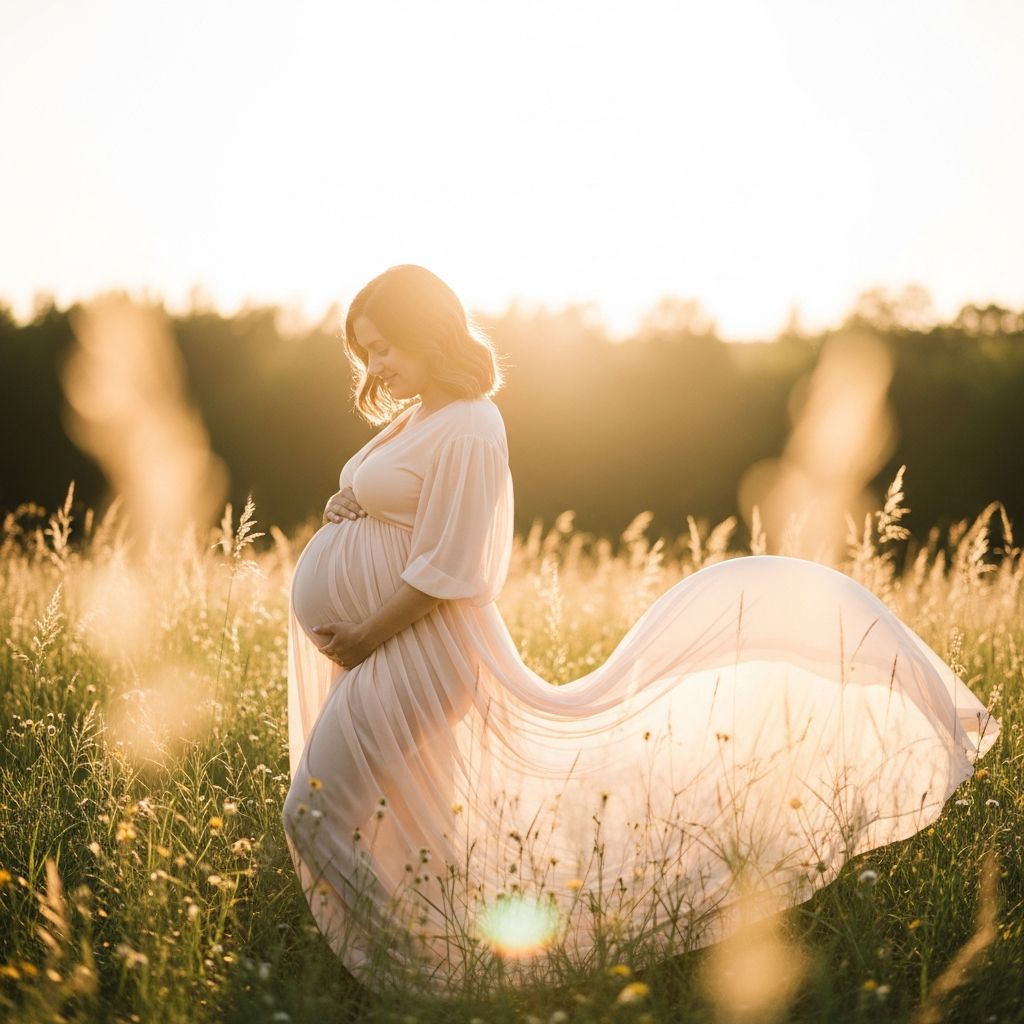
- Romantic and dreamy: Flowing fabric, nature settings, and gentle, golden light.
Location Ideas: From Living Room to Lakeside
The right location supports your style and comfort level, and it doesn’t have to be elaborate to be meaningful. Think about both practicalities—such as restroom access, walking distance, and weather—and emotional ties, like a park you visit often or the home you are preparing for baby.
Even a simple backdrop can be transformed with thoughtful posing and light, so focus on what feels special or soothing to you rather than chasing the most “Instagrammable” spot.
At-Home Lifestyle Sessions
Home sessions create a cozy, relaxed atmosphere and are ideal if you prefer privacy or are later in pregnancy. Your living room, bedroom, and nursery become natural sets that show your real life—unmade beds, half-packed hospital bags, and all.
- Use window light to create soft, flattering illumination without extra equipment.
- Include meaningful spots such as the crib, rocking chair, or a favorite reading corner.
- Wear comfortable clothing you actually live in to capture authentic memories.
Outdoor Nature Settings
Outdoor locations like fields, forests, gardens, or beaches offer beautiful natural light and a sense of freedom in the images. Shooting around sunrise or sunset often produces the gentlest light and more comfortable temperatures.
- Choose locations with easy parking and short walks to minimize strain.
- Bring backup shoes, water, and a light layer in case the weather changes.
- Consider the season: wildflowers, autumn leaves, or snow can add organic color.
Studio or Minimalist Spaces
Studio sessions give full control over lighting and background, which is ideal if weather is unpredictable or you prefer a polished, editorial look. A plain backdrop draws attention to expressions, gestures, and the curve of the bump.
- Experiment with silhouettes, side lighting, or black-and-white portraits for drama.
- Use simple furniture like a stool or chair for varied sitting and standing poses.
- Mix wardrobe changes to shift from classic portraits to more artistic images.
What to Wear: Flattering and Comfortable Outfit Ideas
The best maternity outfits highlight your bump, allow you to move and breathe comfortably, and reflect your personal style. You can achieve beautiful results with everything from fitted dresses to jeans and a simple tee, as long as you feel at ease.
Aim for clothing that follows your shape without cutting in, and consider texture and movement—fabrics that drape or flow often photograph beautifully. Avoid anything that needs constant adjusting so you can relax and focus on the moment.
- Fitted dresses: Body-hugging styles show the curve of your bump and work well in both casual and formal settings.
- Flowing gowns: Long, soft dresses add elegance and can be tossed or twirled for dynamic shots.
- Casual layers: Jeans or leggings with a stretchy top and open cardigan feel natural and timeless.
- Textured knits: Sweaters and ribbed fabrics add dimension without busy patterns.
- Understated patterns: Small, subtle prints can work; large, loud patterns may distract from your face and bump.
Coordinate, rather than match, if partners, children, or loved ones are included. Choose a small range of colors that complement each other and avoid large logos or text that will date the images.
Thoughtful Props and Personal Touches
Props should support the story, not dominate it. A single meaningful item can say more than a pile of trendy objects, especially when it has emotional significance for your family.
- Baby’s first shoes, a favorite blanket, or a cherished stuffed animal.
- A sonogram print incorporated subtly into one or two images.
- Books you plan to read to your baby or items from the nursery.
- Heirlooms such as jewelry, a quilt, or a family cradle.
Use props sparingly so the focus remains on connection, emotion, and the relationship between you and your baby. One way to think about it: if every item vanished from the frame, would the image still feel powerful? If the answer is yes, the balance is probably right.
Posing Ideas for Natural, Flattering Images
Many expecting parents worry about feeling awkward in front of the camera, but thoughtful posing and gentle direction can create images that look natural and relaxed. The goal is not to force a pose but to encourage small shifts that emphasize your bump and connection.
Simple adjustments—like turning slightly to the side, softening your hands, or bending one knee—can make a big difference without feeling stiff or overly staged.
Solo Poses
- Profile embrace: Stand at a slight angle, one foot in front of the other, and gently cradle your bump with both hands.
- Seated serenity: Sit on a chair or bed edge, lean forward slightly from the hips, and rest one hand beneath your belly and one above.
- Walking shots: Walk slowly toward or away from the camera while looking down at your bump or off into the distance.
- Over-the-shoulder glance: Turn your back partially to the camera and look back over your shoulder with a soft smile.
With a Partner
- From behind hug: Your partner stands behind, wraps arms around your waist, and both of you rest hands on your bump.
- Forehead to forehead: Stand close, bring foreheads together, and close your eyes for an intimate moment.
- Walking together: Hold hands and walk side by side, occasionally looking at each other or down at your belly.
Including Siblings or Pets
- Ask an older child to gently kiss or talk to the bump.
- Let siblings sit next to you while you read a book about becoming a big brother or sister.
- Include pets by having them sit at your feet or rest a paw near your bump, keeping safety and comfort in mind.
Creative Themes and Concepts to Explore
You do not need a gimmick for beautiful maternity photos, but a loose theme can make planning easier and help the images feel cohesive. Think of a “theme” as a mood or story rather than a strict costume or prop requirement.
- Seasonal story: Highlight the season your baby will be born in with subtle touches—flowers in spring, sunhats in summer, cozy knits in winter.
- Everyday rituals: Document meaningful routines like morning coffee on the balcony, prenatal yoga, or an evening walk.
- Love letter to baby: Incorporate handwritten notes, journal pages, or a favorite children’s book as part of the session.
- Heritage and culture: Include traditional clothing, textiles, or symbolic items that reflect your roots and family history.
- Minimalist fine art: Focus on shape, shadow, and form using simple outfits and uncluttered backgrounds.
Practical Comfort and Safety Tips
No photo is worth compromising your well-being, so comfort and safety should always come first. Communicate openly with your photographer about any limitations, recent symptoms, or restrictions from your care provider.
- Bring water, snacks, and any medications or supports you may need.
- Avoid poses that require lying flat on your back for extended periods in late pregnancy.
- Wear secure, supportive footwear, even if you change into dressier shoes only for brief moments.
- Take breaks as needed; genuine smiles are easier when you are not pushing through discomfort.
Working With a Photographer (or DIY)
Whether you hire a professional or enlist a trusted friend with a good eye, communication is key to a smooth, enjoyable experience. Share your priorities, insecurities, and must-have shots ahead of time so there are no surprises on the day.
- Discuss location, timing, and wardrobe options together and ask for honest feedback.
- Show a small selection of inspiration images to convey mood, not to copy exact poses.
- Clarify how many edited images you will receive and the expected turnaround time.
If you are taking your own photos, consider using a tripod, remote shutter, and natural window light. Give yourself extra time so you can experiment without rushing.
Preparing Emotionally for Your Session
It is completely normal to feel self-conscious about your changing body or unsure how to act in front of the camera. Instead of aiming for “perfect,” try to focus on being present and open to the experience.
- Plan some gentle self-care the day before, such as a bath, stretching, or an early night of sleep.
- Choose music that relaxes you or makes you feel powerful and ask to play it during the shoot if possible.
- Remind yourself that your body is doing something extraordinary, and that these images honor that journey.
Frequently Asked Questions About Maternity Photo Shoots
How far in advance should I book?
Booking a few months in advance gives you the best chance of securing your preferred photographer, date, and location, especially if you are aiming for popular weekend sunset times. If your pregnancy has additional medical monitoring, try to schedule once you have a clearer sense of how things are progressing.
What if I feel awkward in front of the camera?
Most people do at first, but a skilled photographer will guide you into simple, comfortable poses and prompt natural interactions rather than stiff smiles. Focusing on your partner, your older children, or even your baby bump instead of the camera can also help you relax.
Can I include older children, extended family, or pets?
Absolutely—this session is about your family’s story, and that can include anyone important to you. Just keep in mind that more people usually means more time and coordination, so plan your schedule and expectations accordingly, especially with young children or animals.
Should I get professional hair and makeup?
Professional styling is optional but can be a confidence boost and reduce stress on the day of your shoot. If you prefer to do your own, focus on enhancing your natural features rather than trying something completely unfamiliar, and do a quick test run ahead of time.
How many outfits should I bring?
Two or three thoughtfully chosen outfits are usually enough to provide variety without eating up too much time changing. For example, you might choose one casual look, one dressy or flowing look, and one more intimate or cozy look for at-home images.
Turning Photos Into Lasting Keepsakes
After the session, your images truly come to life when they leave the screen and become physical objects you can hold and share. Consider creating an album that pairs your maternity photos with newborn images later, or a wall gallery that tells the story of your family’s growth over time.
Digital copies are convenient, but prints and albums invite you to revisit and appreciate this chapter regularly, rather than only on the rare occasion you scroll that far back in your camera roll.