Ovulation represents a critical phase in the menstrual cycle when a mature egg is released from the ovary, creating a brief window for conception. Understanding these natural signals empowers individuals to track fertility effectively, whether trying to conceive or avoiding pregnancy naturally. This guide delves into the primary physiological markers, supported by scientific observations, to help you identify your most fertile days with confidence.
Understanding the Ovulation Process
The menstrual cycle typically spans 28 days, though variations from 21 to 35 days are common. Ovulation occurs roughly midway, around day 14 in a standard cycle, but precisely 14 days before the next period begins regardless of cycle length. A surge in luteinizing hormone (LH) triggers the ovary to release the egg, which remains viable for about 24 hours. Sperm, however, can survive up to five days in the reproductive tract, making the five days prior and the day of ovulation the prime fertile window.
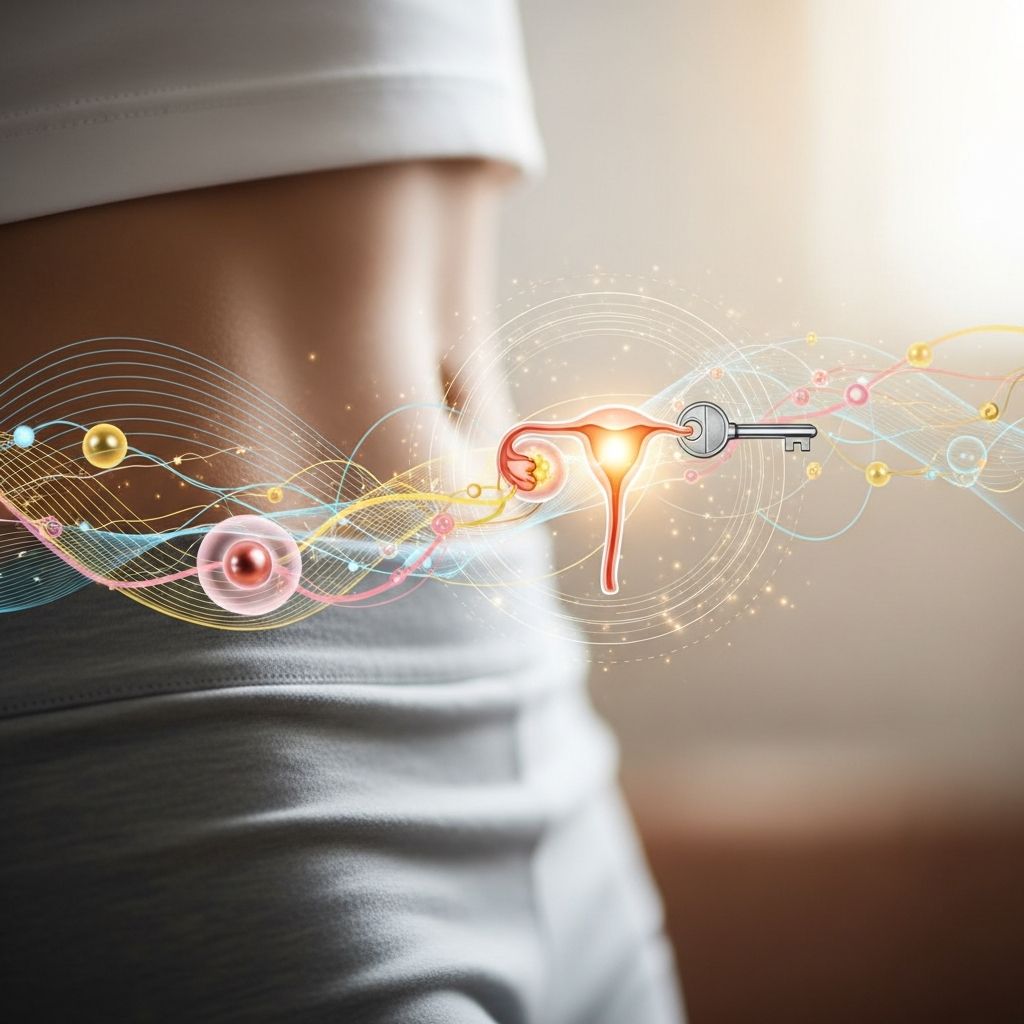
Hormonal orchestration drives this event: rising estrogen levels prepare the uterine lining and cervical environment, followed by the LH peak that prompts egg release. Progesterone then rises post-ovulation, supporting potential implantation. Recognizing these shifts through observable signs allows for natural fertility awareness without relying solely on technology.
Primary Physical Markers of Ovulation
The most dependable indicators stem from direct bodily responses to hormonal fluctuations. These signs are observable daily with minimal tools, offering reliable insights into fertility status.
Cervical Mucus Transformations
One of the clearest signals is the evolution of cervical mucus, produced by glands in the cervix. Under rising estrogen influence before ovulation, mucus becomes abundant, clear, slippery, and stretchy—resembling raw egg whites. This fertile-quality mucus facilitates sperm motility and survival, creating an optimal pathway to the egg.
To monitor, check mucus several times daily by wiping before urinating or examining internally with clean fingers. Pre-ovulatory mucus feels wet and lubricative; post-ovulation, it turns sticky, cloudy, or absent as progesterone dominates. Studies confirm this peak mucus aligns closely with ultrasound-confirmed ovulation in about 75% of cycles.
Basal Body Temperature Shifts
Basal body temperature (BBT), your resting temperature upon waking, provides retrospective confirmation of ovulation. Pre-ovulation, BBT hovers around 97-97.5°F (36.1-36.4°C). After the egg releases, progesterone elevates it by 0.4-1.0°F (0.2-0.5°C), sustaining this biphasic pattern until menstruation.
Use a digital basal thermometer for precision, measuring first thing in the morning before moving. Chart daily readings over several cycles to detect the sustained rise, indicating ovulation occurred 12-48 hours prior. This method, documented since the 19th century, achieves high accuracy when combined with other signs.
Secondary Sensory and Hormonal Clues
Beyond core markers, subtler symptoms arise from hormonal dynamics, varying in intensity among individuals. These can complement primary tracking for a fuller picture.
Pelvic Sensations and Mittelschmerz
Many experience mild one-sided lower abdominal pain or twinges, termed mittelschmerz (German for ‘middle pain’). This stems from follicular rupture as the egg emerges, potentially irritating the peritoneal cavity. Sensations range from dull aches to sharp pangs lasting minutes to hours, typically midway through the cycle.
- Usually affects one ovary per cycle, alternating sides.
- Intensity correlates with awareness of pelvic sensations.
- Not universal, but reported by up to 40% of women.
Breast Sensitivity and Tenderness
Hormonal surges, particularly estrogen and progesterone, can cause breast swelling, soreness, or heightened sensitivity around ovulation. This mimics premenstrual changes but often appears mid-cycle, resolving post-ovulation. Monitor for bilateral fullness or nipple tenderness as a potential fertile cue.
Libido and Sensory Enhancements
An uptick in sexual desire frequently coincides with peak fertility, driven by estrogen peaks. Some report amplified senses—sharper smell, taste, or vision—alongside mood elevations or minor bloating. These evolutionary adaptations may signal reproductive readiness.
Diagnostic Tools for Confirmation
For precision, integrate home tests with natural signs. Ovulation predictor kits (OPKs) detect the LH surge in urine 24-36 hours before egg release, aligning with 91-97% of fertile days per studies. Digital monitors combine LH, estrogen, and sometimes temperature for multi-marker tracking.
| Method | Timing | Accuracy | Pros | Cons |
|---|---|---|---|---|
| Cervical Mucus | Days before ovulation | High (75% alignment with ultrasound) | Free, daily insight | Requires practice |
| BBT Charting | Post-ovulation confirmation | High with consistency | Low-cost thermometer | Retrospective only |
| OPKs | 24-36 hrs pre-ovulation | 91-97% | Objective | Cost per cycle |
| Mittelschmerz | Ovulation day | Variable | Intuitive | Not always present |
Tracking Strategies for Optimal Results
Combine multiple indicators for robust fertility mapping—the sympto-thermal method integrates BBT, mucus, and cervical position, boasting over 99% efficacy in avoiding pregnancy when followed strictly. Apps simplify charting, but manual logging builds intuition.
Cervical changes offer prospective clues: note position (higher, softer, open during fertility) alongside mucus. Light spotting or pink-tinged discharge may occur from follicular rupture, affecting 5-10% of cycles. Consistency over 3-6 months reveals personal patterns, accommodating irregular cycles.
Common Variations and Troubleshooting
Not all cycles ovulate predictably; stress, illness, or PCOS can suppress it. Anovulatory cycles lack BBT rise or fertile mucus. If conceiving proves challenging after 6-12 months (depending on age), consult a specialist for ultrasounds or hormone panels—the gold standard.
Age impacts fertility: post-35, cycles shorten, ovulation windows narrow. Lifestyle factors like weight, exercise, and sleep influence regularity. Track alongside cycle length (ovulation ≈ cycle length minus 14 days) for accuracy.
Frequently Asked Questions
Can you ovulate without noticeable symptoms?
Yes, many experience subtle or no signs, yet ovulation occurs. Rely on BBT or OPKs for confirmation.
How long is the fertile window?
Approximately six days: five before ovulation plus ovulation day, with peak conception odds 2-3 days prior.
Does ovulation pain indicate fertility issues?
No, mittelschmerz is normal and unrelated to problems. Persistent severe pain warrants medical review.
Can you get pregnant right after ovulation?
The egg is viable ~24 hours; post-ovulation odds drop sharply.
Are ovulation tests 100% accurate?
They detect LH surges effectively (91-97%), but false positives occur from medications or conditions.
Empowering Your Fertility Journey
Mastering ovulation signs fosters proactive family planning. By observing mucus, temperature, and sensations daily, you gain actionable insights into your body’s rhythm. Pair with healthy habits—balanced nutrition, moderate exercise, stress management—for enhanced reproductive health. For tailored advice, partner with healthcare providers to align natural methods with your goals.
References
- Ovulation Symptoms: The 12 Signs of Ovulation, According to Experts — The Bump. 2023. https://www.thebump.com/a/ovulation-symptoms-signs-of-ovulation
- Ovulation symptoms: How to know if you’re ovulating — CVS Health. 2024. https://www.cvs.com/learn/health/womens-health/signs-of-ovulation
- 5 Signs You May Be Ovulating — Women’s Health Arizona. 2023. https://www.womenshealthaz.com/5-signs-you-may-be-ovulating/
- Physiological Signs of Ovulation and Fertility Readily Observable by Laywomen — PMC (NCBI). 2018-07-26. https://pmc.ncbi.nlm.nih.gov/articles/PMC6081768/
- Signs and Symptoms of Ovulation — American Pregnancy Association. 2024. https://americanpregnancy.org/getting-pregnant/infertility/signs-of-ovulation/
- Ovulation Symptoms: Boost Your Chances of Conception — WebMD. 2024. https://www.webmd.com/baby/am-i-ovulating
- Ovulation signs: When is conception most likely? — Mayo Clinic. 2024. https://www.mayoclinic.org/healthy-lifestyle/getting-pregnant/expert-answers/ovulation-signs/faq-20058000
- Ovulation: Calculating, Timeline, Pain & Other Symptoms — Cleveland Clinic. 2024. https://my.clevelandclinic.org/health/articles/23439-ovulation