Breastfeeding can be deeply rewarding, but nipple pain and sensitivity often appear just when you are trying to get into a rhythm with your baby. Nipple cream is one simple tool that can help protect delicate skin, ease discomfort, and support you in reaching your feeding goals.
Why Nipple Cream Matters in Early Breastfeeding
In the first days and weeks after birth, your nipples are adjusting to frequent feeds, suction, and friction from your baby’s latch. Even when the latch is technically good, it can take time for skin to adapt to this brand-new, around-the-clock activity. During this transition, many parents notice tenderness, dryness, or mild cracking.
Nipple creams are designed to create a protective, moisturizing layer over the skin so it can stay supple while you continue nursing or pumping. This barrier helps reduce friction, lock in moisture, and support the natural healing process without interrupting your feeding routine.
Common Causes of Sore or Cracked Nipples
Nipple cream is most effective when you also understand and address the root causes of nipple discomfort. While some sensitivity is common in the early days, severe or persistent pain usually points to something that can be improved.
- Shallow or inefficient latch: When baby does not take enough breast tissue into the mouth, the nipple can be compressed or pinched instead of drawn deeply, leading to rubbing and micro-tears.
- Incorrect positioning: Twisting your torso or hunching over baby can alter the angle of the latch, causing strain on the nipple with every suck.
- Frequent cluster feeds: Long stretches of back-to-back nursing sessions, common during growth spurts, can overwhelm even healthy skin.
- Pumping friction: Flange sizes that are too small or too large may create extra rubbing or pulling, contributing to soreness and chafing.
- Underlying skin conditions or infections: Issues like eczema, dermatitis, or yeast infections can show up on the nipple and areola, causing burning or cracking that may be mistaken for latch problems.
Nipple cream can soothe and protect, but if pain is intense or your nipples look severely damaged, it is important to seek help from a healthcare provider or lactation consultant so the underlying issue is treated.
How Nipple Cream Works
Most nipple creams fall into two basic categories: barrier-style ointments and conditioning balms. Barrier-type formulas are rich and occlusive, forming a thin film that keeps moisture in and irritants out. Conditioning balms are often lighter and focus on nourishing the outer layers of the skin.
Both styles support your skin’s natural repair process. When the nipple surface is hydrated and protected, micro-cracks and irritation have a more stable environment in which to recover, even as you continue to feed or pump on a regular schedule.
Types of Nipple Creams and Balms
The best nipple cream for one parent may not be ideal for another. Formulas differ in texture, ingredients, and how they feel on the skin. Understanding the main types can help you choose something that fits your comfort level and values.
Lanolin-Based Creams
Lanolin, a purified wax derived from sheep’s wool, has been used for decades to protect dry, chafed skin. Many lanolin nipple creams are thick, slightly sticky, and create a strong moisture barrier over the nipple surface. Some parents appreciate how long they stay in place, especially between overnight feeds.
Although lanolin products are widely available and popular, they may not suit everyone. A small number of people are sensitive to wool-derived ingredients, and others prefer to avoid animal-based products altogether. If you choose lanolin, look for highly refined versions intended specifically for breastfeeding.
Plant-Based and Herbal Balms
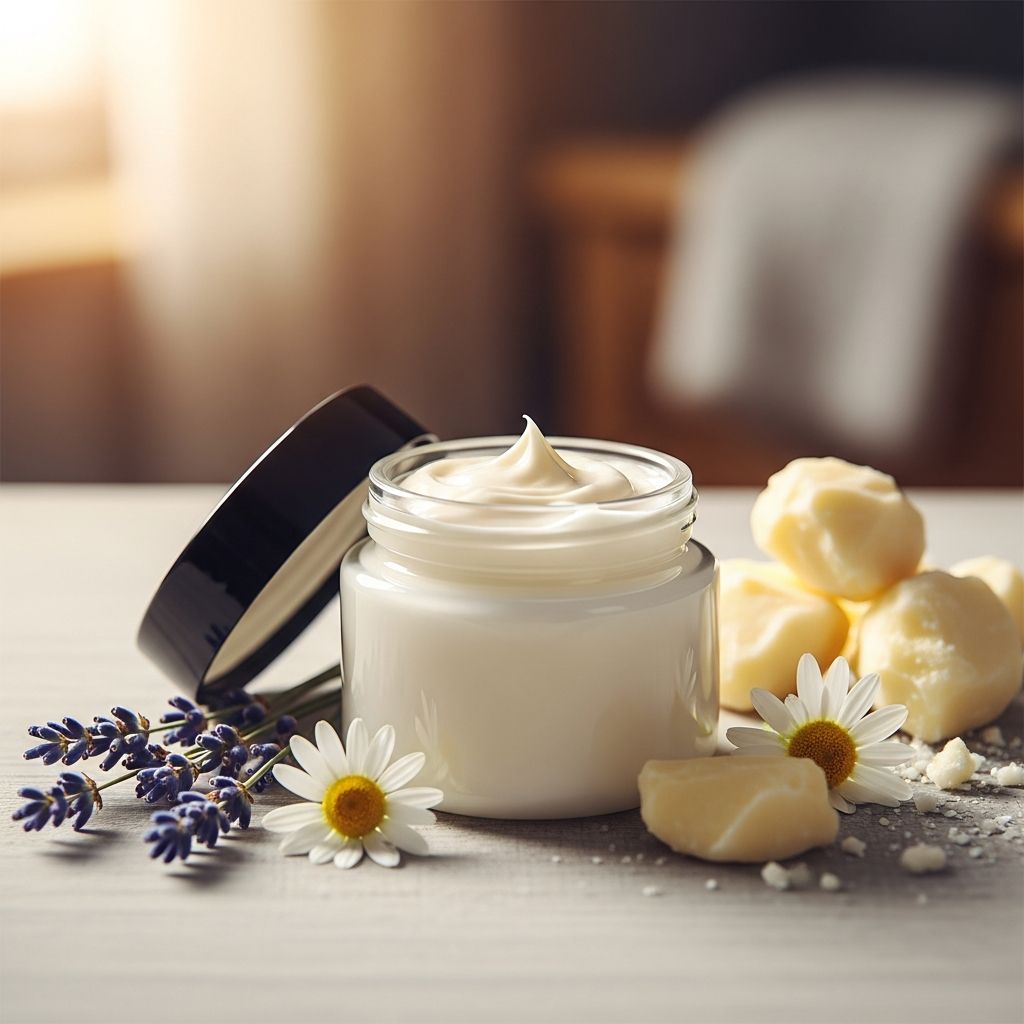
Plant-based nipple creams rely on ingredients such as olive oil, coconut oil, shea butter, cocoa butter, and herbal extracts. These formulas often have a softer, balm-like consistency that melts into the skin, leaving it feeling supple rather than heavily coated.
Natural balms are a popular choice for families seeking lanolin-free, vegetarian, or organic options. Ingredient lists may include herbs traditionally used for skin comfort, like calendula, marshmallow root, or chamomile. As with any botanical product, it is wise to monitor for irritation and stop using if redness or itching develops.
Multi-Purpose Moisturizing Ointments
Some nipple-safe products are designed for broader use and can work on dry lips, hands, or baby’s skin in addition to nipples. These can be practical if you prefer a single product that serves multiple roles in your postpartum routine.
If you choose a multi-purpose ointment, double-check that it is explicitly labeled as safe for breastfeeding or nursing, since not all general moisturizers are intended for use around a feeding infant’s mouth.
Key Ingredients to Look For
Reading ingredient labels may feel overwhelming, especially when you are sleep-deprived. Focusing on a few core features can make the decision easier and help you feel confident in what you are applying to your body.
| Ingredient Type | Example Ingredients | What It Does |
|---|---|---|
| Occlusives | Lanolin, beeswax, plant waxes | Form a breathable barrier that helps reduce friction and lock in existing moisture. |
| Emollients | Olive oil, sunflower oil, shea butter, cocoa butter | Soften and smooth dry or rough skin, improving comfort and flexibility. |
| Botanical soothers | Calendula, marshmallow root, chamomile | Provide gentle comfort and support an environment where skin can recover naturally. |
| Simple carriers | Coconut oil, jojoba oil | Deliver moisture and help spread other ingredients evenly over the skin. |
Many parents feel most comfortable with products that have straightforward ingredient lists and minimal additives. Fewer components can reduce the chance of sensitivity and make it easier to recognize any ingredient that does not agree with your skin.
Ingredients You May Wish to Avoid
Because your baby’s mouth spends a lot of time at the breast, nipple products deserve extra scrutiny. Some ingredients that are safe for use on other parts of the body may be less desirable for an area that goes directly into your baby’s mouth.
- Added fragrance or strong essential oils: These can be irritating on already sensitive skin and may alter the natural scent of your breast, which some babies rely on for feeding cues.
- Artificial dyes and colorants: These rarely serve a role in healing and may contribute to irritation or allergic reactions.
- Harsh preservatives or drying alcohols: While some preservatives are necessary for safety, overly strong chemicals can offset the moisturizing benefits of the cream.
- Ingredients not labeled as breastfeeding safe: If there is any uncertainty about ingestion risk, it is safer to choose an alternative specifically intended for nursing parents.
Reviewing labels with your healthcare provider or lactation consultant can offer extra reassurance, especially if you or your baby has a history of allergies or eczema.
How and When to Apply Nipple Cream
Good technique helps you get the most from your nipple cream and ensures you are not wasting product. A tiny amount is usually enough, and more is not always better.
- Wash your hands before touching your breasts or the cream container.
- Nurse or pump first, then gently pat the nipple and areola dry with a clean cloth if they are damp with milk.
- Warm a pea-sized amount of cream between your fingertips until it softens.
- Lightly smooth the cream over the nipple and, if desired, the surrounding areola, without rubbing aggressively.
- Allow a few moments for the layer to settle before re-covering the breast with a bra or pad.
Many products are designed so they do not need to be wiped off before the next feed, though some parents prefer to remove excess residue with a soft cloth or a drop of expressed milk. Always follow the instructions on the product label, and check with your baby’s care team if you are uncertain.
Using Nipple Cream with Breast Pumps
Pumping introduces a different type of friction compared with direct breastfeeding, and some parents find that a small amount of nipple-safe lubricant makes the process more comfortable. A thin layer on the inside of the flange or directly on the nipple can reduce rubbing and help the nipple glide more smoothly during suction.
Be cautious not to over-apply, as excess cream can interfere with suction or leave residue on pump parts. If you notice discomfort despite using cream, consider checking your flange size or suction settings, since an ill-fitting pump component can contribute to irritation.
Beyond Cream: Other Ways to Support Nipple Comfort
Nipple cream is only one element of a comprehensive nipple-care routine. Simple, low-cost habits can greatly improve comfort and support healing when used alongside your chosen product.
- Optimize latch and positioning: Working with a lactation consultant or experienced peer supporter can help fine-tune your baby’s latch and reduce unnecessary nipple strain.
- Use breast milk as a natural soother: Expressing a drop of milk and letting it dry on the nipple can add an extra layer of moisture and natural protective factors.
- Alternate nursing positions: Rotating positions changes the angle of pressure on the nipple and may prevent one area from bearing all the stress.
- Air-dry when possible: Brief periods without bras or pads allow the skin to breathe and reduce the risk of trapped moisture.
- Wear soft, breathable fabrics: Choosing cotton bras and avoiding rough seams or lace over the nipple area can prevent additional friction.
If damage is more severe, some parents use protective devices between feeds, such as soft shells or cups that prevent clothing from rubbing the nipple while it recovers. These should be used according to instructions and combined with attention to latch and breast health.
Signs You Should Talk to a Professional
While many cases of mild soreness respond well to nipple cream and latch adjustments, certain situations deserve prompt attention. Early help can prevent small problems from becoming major obstacles to breastfeeding.
- Persistent or worsening pain: If tenderness does not improve after a few days of using cream and adjusting latch, or if pain is sharp, burning, or deep in the breast, seek guidance.
- Visible cracks that do not heal: Deep fissures, bleeding that continues beyond the initial days, or scabs that keep reopening may indicate ongoing trauma or infection.
- Changes in nipple color or shape: Blanching, dark spots, or a wedge-shaped white area can signal circulation or compression issues that need evaluation.
- Signs of infection: Fever, flu-like symptoms, increased redness, warmth, or pus-like discharge from the nipple area require prompt medical assessment.
Lactation consultants, midwives, pediatric providers, and obstetric clinicians all play a role in supporting breastfeeding comfort. They can help determine whether your nipple cream routine is adequate or whether additional treatments are needed.
Practical Tips for Choosing the Right Nipple Cream
Standing in front of a shelf or scrolling through pages of nipple creams can feel overwhelming. Narrowing your choices based on a few personal priorities can simplify the decision and help you feel more in control.
- Decide on animal-based versus plant-based: If you prefer to avoid animal-derived ingredients, look for clearly labeled lanolin-free, plant-based formulas.
- Check for clarity on breastfeeding safety: Confirm that the product is marketed for nursing parents and that the label indicates it can remain on the nipple during feeds.
- Consider texture and feel: Thick ointments may feel very protective but can be harder to spread; lighter balms may feel more comfortable in warm climates or under snug bras.
- Review the ingredient list: Choose products with simple, recognizable components and avoid fragrances or dyes if your skin is sensitive.
- Start small: Purchasing a smaller container first lets you test how your skin responds before committing to a larger size.
If you are building a baby registry, adding nipple cream can be a thoughtful way to prepare ahead. Even if you never experience major soreness, having it on hand can be reassuring and convenient if mild issues arise.
Frequently Asked Questions About Nipple Cream
Do I always need nipple cream to breastfeed successfully?
No. Some parents breastfeed comfortably without ever needing a nipple cream, while others find it invaluable during the first weeks or after growth spurts. Having a tube or jar available is often helpful, even if you only use it occasionally when your nipples feel drier or more sensitive than usual.
Is it safe if my baby ingests a small amount of nipple cream?
Products formulated specifically for breastfeeding are designed with the expectation that small amounts may be ingested during normal nursing. Always read product directions carefully to confirm whether the manufacturer states that wiping off is unnecessary, and follow your healthcare provider’s advice if your baby has special medical needs or allergies.
Can I use regular body lotion as a nipple cream?
Most general body lotions are not meant to be ingested and may contain fragrances, alcohols, or preservatives that are not ideal for a baby’s mouth or for highly sensitive nipple skin. Nipple-specific products are developed with these concerns in mind and are usually a safer and more comfortable choice for breastfeeding parents.
How long should I keep using nipple cream?
You can use nipple cream as long as you feel it helps maintain comfort and skin integrity. Many parents apply it regularly in the first few weeks, then transition to occasional use as nipple tissue adapts and breastfeeding becomes more efficient and comfortable.
Will nipple cream fix latch problems?
Nipple cream can soothe the surface of the skin but cannot correct an underlying latch issue. If your baby is not attaching effectively, the same friction and compression that caused the problem will persist underneath the cream. Combining nipple cream with latch support from a knowledgeable professional offers the best path toward long-term comfort.
Supporting Your Breastfeeding Journey with Comfort and Care
Nipple cream is a small item that can make a meaningful difference in how you experience breastfeeding or pumping. When paired with respectful, skilled support and attention to your body’s signals, it becomes part of a broader toolkit that keeps you and your baby comfortable, connected, and well-nourished.
Whether you are pregnant and planning ahead, in the middle of those intense newborn weeks, or revisiting nipple care during a growth spurt, choosing a safe, soothing nipple cream and using it confidently can help you focus less on discomfort and more on the relationship growing in your arms.