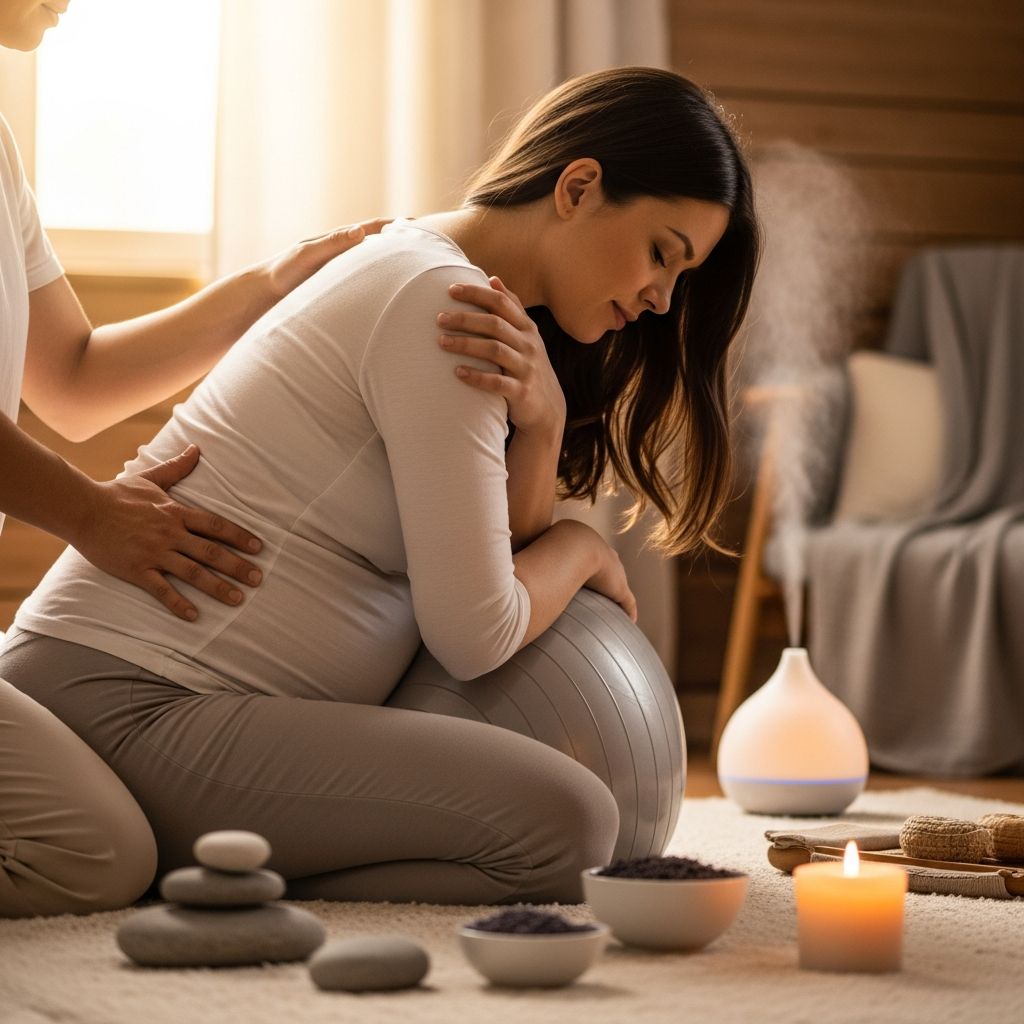
Labor brings intense sensations, but numerous drug-free methods can significantly reduce discomfort and promote a smoother birthing process. These techniques harness the body’s natural responses, drawing from physiological relaxation and movement to manage contractions effectively.
Harnessing Water’s Calming Power: Hydrotherapy Essentials
Immersion in warm water stands out as one of the most accessible and powerful natural aids during labor. Warm baths or showers relax tense muscles, reduce pressure on joints, and create a buoyant environment that eases movement. The soothing sensation of water cascading over the body or enveloping it in a tub can lower stress hormones while boosting endorphins, the body’s innate painkillers.
Studies highlight hydrotherapy’s benefits, noting it may accelerate labor progression by improving blood flow and diminishing perceived pain intensity. For instance, using a handheld showerhead for targeted massage on the lower back during contractions provides immediate relief. Many birthing facilities now offer deep tubs precisely for this purpose, allowing women to labor and sometimes deliver in water, which offers a gentle transition for the baby.
- Shower therapy: Stand or sit under steady warm streams to target sore areas like the back and abdomen.
- Deep tub soaking: Float freely to open the pelvis and reduce gravity’s pull during early active labor.
- Water jets: Jacuzzi-style tubs provide rhythmic pressure akin to a natural massage.
Always ensure water temperature stays below 100°F (37.8°C) to avoid overheating, and exit if membranes rupture to prevent infection risks.
Breathing as Your Anchor: Mastering Rhythmic Patterns
Controlled breathing techniques transform labor by channeling focus and oxygenating muscles amid contractions. Slow, deep diaphragmatic breaths counteract the natural urge to tense up, promoting relaxation and efficient uterine work.
Research supports patterned breathing’s role in elevating endorphin levels and blocking pain signals to the brain. Techniques vary by labor stage: light, quick breaths for building intensity, and slower exhalations to release tension peaks. Pairing breath with visualization—imagining waves receding—amplifies efficacy.
| Breathing Technique | Best For | How to Practice |
|---|---|---|
| Diaphragmatic | Early labor | Inhale deeply through nose for 4 counts, expanding belly; exhale slowly for 6. |
| Slow patterned | Active phase | Breathe in for 4, hold 4, out for 8; repeat rhythmically. |
| Light accelerated | Transition | Shallow ‘hee-hee-hoo’ pants to maintain control. |
Practice prenatally with a partner or class to build muscle memory, turning breathing into an instinctive tool.
Strategic Movement: Positions That Optimize Comfort
Staying mobile counters labor’s stagnation, using gravity and pelvic alignment to ease descent. Walking, swaying, or using a birth ball opens the pelvis up to 30%, reducing back labor and contraction force.
Evidence shows upright positions shorten labor duration and lessen pain compared to supine lying. Experimenting with hands-and-knees, side-lying with peanut ball support, or lunging against a bed fosters baby’s optimal positioning.
- Birth ball exercises: Circle hips or lean forward to relieve sacral pressure.
- Walking laps: Steady steps stimulate contractions productively.
- Partner sway: Lean into support for double counterpressure.
Touch and Pressure Therapies: Hands-On Relief
Physical touch disrupts pain pathways via gate control theory, where counter-stimulation overrides contraction signals. Massage releases oxytocin, enhancing uterine efficiency and bonding.
Target lower back with firm counterpressure during peaks, or effleurage—gentle stroking—over the belly for rhythmic calm. Acupressure at points like LI4 (hand web) or BL32 (sacral dimples) shows high efficacy in meta-analyses, rivaling some pharmacological options.
A support person’s steady hands provide emotional security, amplifying physiological benefits.
Sensory Soothers: Aromatherapy and Temperature Play
Aromatherapy leverages scent to trigger limbic responses, slashing anxiety and pain scores. Lavender and clary sage diffuse tension; apply diluted to pulse points or via compress.
Alternating heat (warm packs on back) and cold (ice on sacrum) modulates nerve firing for relief. Heat boosts circulation; cold numbs hotspots.
- Essential oils: Lavender for calm, peppermint for nausea.
- Hot/cold packs: Rotate every 15-20 minutes.
Mind-Body Mastery: Hypnosis, Visualization, and Music
Hypnobirthing employs self-hypnosis scripts to reframe pain as ‘pressure,’ shortening labor and boosting satisfaction. Guided imagery—envisioning a serene bloom—distracts and empowers.
Music therapy reduces cortisol, with personalized playlists syncing to contractions for immersion. These integrate seamlessly, creating a toolkit for transition intensity.
Building Your Personalized Comfort Blueprint
Tailor methods to your needs: combine hydrotherapy with breathing for water births, or movement with massage for home labors. Prenatal classes and doula support refine skills.
Discuss preferences in birth plans; most hospitals accommodate these evidence-backed approaches. Hydration, snacks, and rest between surges sustain energy.
Frequently Asked Questions (FAQs)
Can natural methods fully eliminate labor pain?
No method removes all sensation, but they substantially lessen intensity and enhance coping, per clinical reviews.
Is hydrotherapy safe in all labors?
Yes for low-risk; avoid post-membrane rupture or high-risk cases—consult providers.
How do I prepare for these techniques?
Join hypnobirthing or Bradley classes, practice daily with partners.
Do these speed up labor?
Often yes, via relaxation and positioning; yoga and acupressure notably reduce stages.
What’s best for back labor?
Counterpressure, hands-knees, and sterile water injections excel.
Integrating these empowers birthing individuals, fostering positive outcomes without medication. Consult professionals for personalization.
References
- 5 natural pain management techniques for unmedicated birth — Nebraska Medicine. 2023. https://www.nebraskamed.com/health/conditions-and-services/womens-health/5-natural-pain-management-techniques-for-unmedicated
- Holistic Options for Natural Pain Management During Labor — Alba Birth Center. 2023. https://albabirthcenter.com/resources/natural-pain-management-during-labor/
- Non-Pharmacological Pain Management in Labor — National Library of Medicine, NIH. 2023-11-29. https://pmc.ncbi.nlm.nih.gov/articles/PMC10707619/
- Nonpharmacologic Pain Management During Labor — Northwestern Medicine. 2023. https://www.nwh.org/patient-guides-and-forms/maternity-guide/maternity-chapter-3/comfort-measures-during-labor-and-delivery-non-pharmacological-methods
- 7 Natural Pain Management Options for Labor and Delivery — Memorial Healthcare System. 2023-08. http://www.mhs.net/blog/2023/08/7-natural-pain-management-options-for-labor-and-delivery
- Non-medical pain relief during labour — Pregnancy Birth & Baby. 2023. https://www.pregnancybirthbaby.org.au/non-medical-pain-relief-during-labour