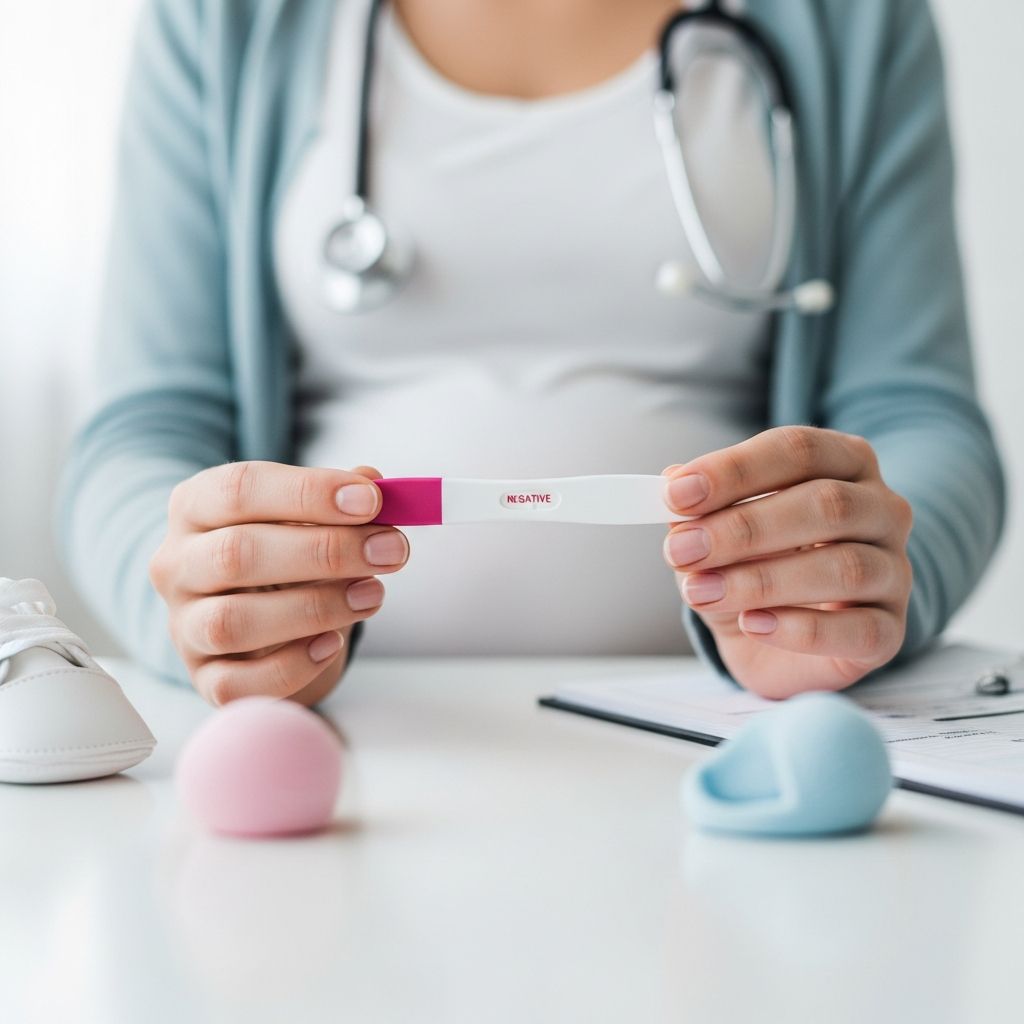
Many women experience classic pregnancy signs like nausea, fatigue, and breast tenderness, yet receive negative results from home tests. This discrepancy often stems from testing too early, when human chorionic gonadotropin (hCG) levels are undetectable, or other physiological factors mimicking pregnancy.
Understanding How Pregnancy Tests Function
Home pregnancy tests detect hCG, a hormone produced after implantation, typically rising rapidly post-conception. A negative result indicates insufficient hCG in urine, but this does not always rule out pregnancy. Tests vary in sensitivity; some detect as low as 10 mIU/mL, while others require 25 mIU/mL or more.
- hCG production begins 6-10 days after ovulation if fertilization occurs.
- Levels double every 48-72 hours in early pregnancy.
- Urine concentration peaks with first morning void, ideal for testing.
Timing is critical: testing before or on the expected period day yields up to 50% false negatives in viable pregnancies.
Primary Causes of False Negative Outcomes
False negatives occur when pregnancy exists but tests fail to register it. Key reasons include:
| Reason | Description | Prevalence |
|---|---|---|
| Early Testing | hCG too low before missed period | Most common |
| Diluted Urine | Excess fluids lower hCG concentration | Common with overhydration |
| Test Sensitivity | Less sensitive kits miss low levels | Varies by brand |
| Hook Effect | Very high hCG overwhelms test | Rare, later pregnancy |
Retest after 3 days if symptoms persist, using first morning urine. Blood tests at clinics detect hCG earlier and more accurately.
Non-Pregnancy Explanations for Symptoms
Symptoms like bloating, mood swings, and fatigue often arise from non-pregnant states, confusing many.
Hormonal Fluctuations During Cycle
Progesterone surges post-ovulation mimic early pregnancy, causing breast soreness and nausea. Luteal phase symptoms peak before menstruation, resolving with period onset.
Upcoming Menstrual Period
Premenstrual syndrome (PMS) shares 80% of early pregnancy signs, including cramps and emotional changes. Distinguishing requires waiting for period or retesting.
Stress and Lifestyle Influences
High stress elevates cortisol, disrupting cycles and inducing fatigue or appetite shifts. Poor sleep, travel, or illness delay periods, amplifying symptoms.
- Intense exercise or dieting alters hormones.
- Breastfeeding suppresses ovulation, irregular bleeding common.
Underlying Medical Conditions
Polycystic ovary syndrome (PCOS) causes irregular cycles and high androgens, mimicking pregnancy via bloating. Thyroid disorders or perimenopause fluctuate estrogen/progesterone, leading to missed periods.
Rare but Serious Scenarios
Cryptic pregnancies evade detection due to low or erratic hCG, with women unaware until late terms. Symptoms may be absent or attributed elsewhere. Ectopic pregnancies rarely yield negatives but demand urgent care if pain occurs.
The ‘hook effect’ from Washington University research shows some tests bind degraded hCG fragments, failing in advanced pregnancies.
Medications and Treatments Impact
Fertility drugs like Clomid contain hCG analogs, potentially skewing results. Supplemental progesterone in IVF causes identical symptoms: tenderness, moodiness.
Over-the-counter meds rarely interfere, but consult providers if on hormones.
Psychological and Emotional Factors
Intense pregnancy desire triggers psychosomatic responses, where expectation manifests physical sensations. ‘Symptom spotting’ during two-week waits heightens anxiety.
Mindfulness or journaling helps differentiate real from perceived symptoms.
Step-by-Step Guide to Accurate Testing
- Wait until day of missed period or later.
- Use first morning urine, undiluted.
- Select sensitive tests (e.g., early-detection brands).
- Follow instructions precisely; check expiration.
- Retest in 3 days if negative but symptomatic.
If negatives persist beyond two weeks late, seek blood hCG or ultrasound.
When to Consult Healthcare Professionals
Persistent symptoms with negatives warrant medical evaluation for:
- Irregular cycles over 3 months.
- Severe pain, bleeding, or dizziness.
- Suspected ectopic (one-sided pain).
- PCOS, thyroid, or menopause screening.
Doctors use quantitative blood tests measuring exact hCG, confirming viability.
Frequently Asked Questions
Can I be a few weeks pregnant with a negative test?
Yes, if tested early or with low hCG rise. Retest or get blood work.
Does drinking water affect results?
Yes, overhydration dilutes urine hCG. Test with concentrated sample.
Are all pregnancy symptoms the same as PMS?
Many overlap, but pregnancy nausea lasts longer; confirmation needs testing.
What if I’ve had no period for months?
Possible hormonal imbalance; see doctor for evaluation.
Can stress cause false negatives?
Stress delays ovulation/periods, leading to early testing and negatives.
Practical Tips for Managing Uncertainty
Track cycles with apps for better timing. Maintain balanced diet, sleep, and stress reduction to regulate hormones. Support networks reduce emotional toll during waits.
Advanced home tests now offer digital results minimizing user error. Always pair with professional follow-up for peace of mind.
References
- What does getting a negative pregnancy test result mean? — Clearblue. 2023. https://www.clearblue.com/pregnancy-tests/negative-results
- Negative Pregnancy Test but Feel Pregnant: 10 Possible Reasons — Healthline. 2025-05-19. https://www.healthline.com/health/pregnancy/negative-pregnancy-test-but-feel-pregnant
- Feel Pregnant But Test is Negative, How Can this Happen? — YouTube (Natalie Crawford MD). 2023. https://www.youtube.com/watch?v=7YQl0Fe8p8o
- Flaw in many home pregnancy tests can return false negative results — Washington University School of Medicine. 2018-12-18. https://medicine.washu.edu/news/flaw-in-many-home-pregnancy-tests-can-return-false-negative-results/
- Cryptic Pregnancy: Causes, Symptoms & Risks — Cleveland Clinic. 2023-09-29. https://my.clevelandclinic.org/health/diseases/24428-cryptic-pregnancy
- Why You Might Get a False-Negative Result on a Pregnancy Test — A Hope Center. 2023. https://ahopecenter.org/why-you-might-get-a-false-negative-result-on-a-pregnancy-test/
- Home pregnancy tests: Can you trust the results? — Mayo Clinic. 2023-06-28. https://www.mayoclinic.org/healthy-lifestyle/getting-pregnant/in-depth/home-pregnancy-tests/art-20047940