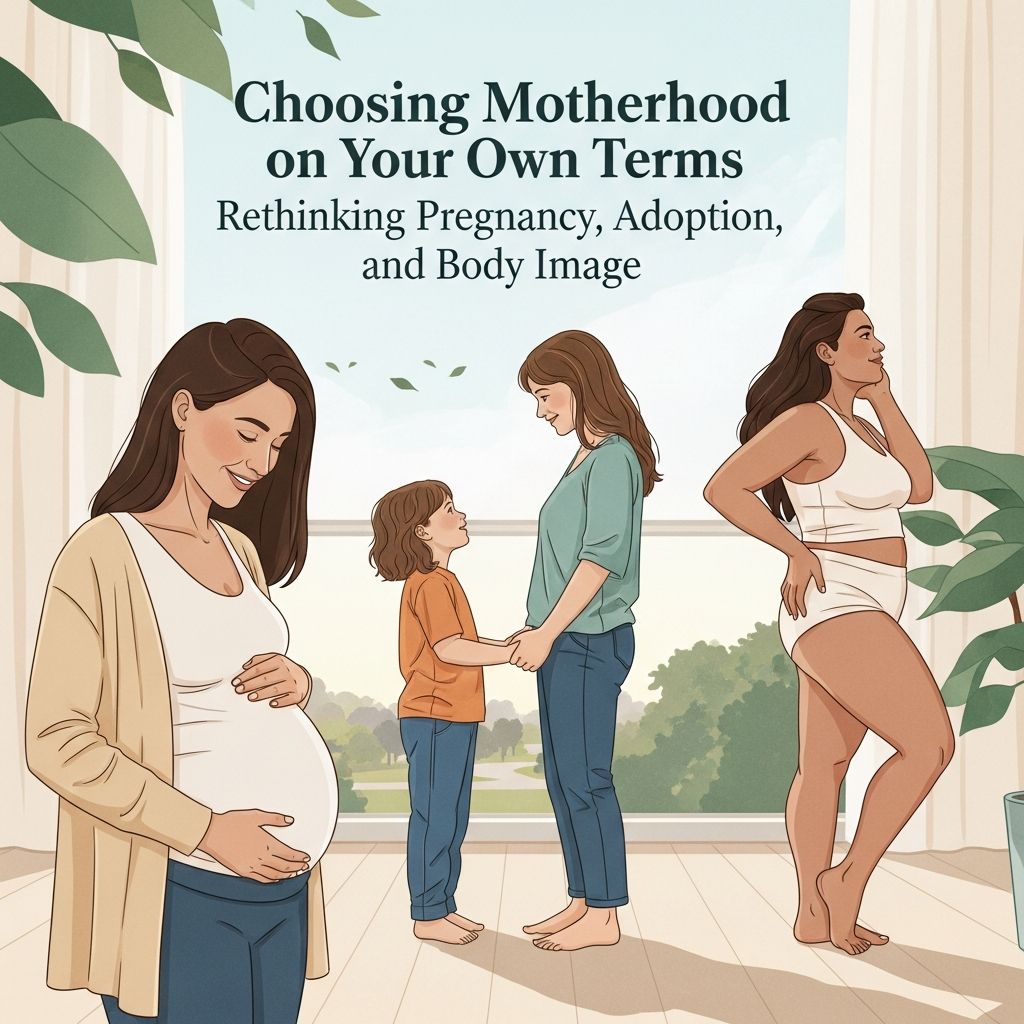
Motherhood transforms a woman’s world in ways that defy simple description. It is the sensation of sending a piece of one’s soul into the world, forever altered by the child’s every step, triumph, and stumble. This bond evokes unparalleled joy alongside a persistent undercurrent of concern, reshaping identity and daily existence.
The Eternal Emotional Connection
From the moment of birth, mothers experience an intense, visceral link to their children. This connection persists lifelong, manifesting as intuitive awareness of a child’s needs, even from afar. Research highlights how such bonds form through neurobiological adaptations during pregnancy and postpartum, creating intertwined bodily schemas that foster deep empathy and responsiveness.
Daily life amplifies this tie. A mother’s thoughts often orbit her child’s well-being—school performance, friendships, health—creating a constant mental hum. This “mental load” encompasses planning meals, scheduling check-ups, and anticipating emotional needs, often leading to chronic cognitive engagement without physical markers.
- Intuitive sensing of distress, prompting immediate outreach.
- Reliving child’s milestones with vivid emotional recall.
- Phantom worries during quiet moments, imagining potential harms.
These elements illustrate motherhood as an expansive emotional state, where personal boundaries dissolve into shared existence.
Navigating Contrasting Emotions in Parenting
Early parenthood introduces a spectrum of opposing feelings, often termed the “feeling of contrasts.” Joy from a baby’s smile clashes with exhaustion from sleepless nights; fulfillment battles isolation from lost social routines. Such duality is not a flaw but a hallmark of this transformative phase.
Pregnancy initiates profound changes: hormonal shifts, physical adaptations, and psychological preparations rewire the brain for caregiving. Postpartum, interactions with the infant further sculpt neural pathways, enhancing sensitivity to cries and cues while challenging self-regulation. Mothers may simultaneously crave solitude and cling to their child, embodying this emotional tug-of-war.
| Emotion | Joyful Aspect | Challenging Aspect |
|---|---|---|
| Love | Deep bonding and pride | Fear of loss or harm |
| Independence | Child’s growth milestones | Grief over former self |
| Daily Routine | Playful interactions | Overwhelm from tasks |
Embracing these contrasts fosters resilience. Acknowledging both poles validates the complexity, reducing self-judgment and promoting balanced navigation.
The Invisible Burden of Maternal Mental Load
Beneath the visible acts of parenting lies the mental load: the unseen cognitive labor of orchestration. Mothers frequently serve as “default parents,” tracking birthdays, organizing wardrobes, and managing family logistics. This perpetual multitasking elevates cortisol levels, impairing memory and heightening anxiety risks.
Neurological impacts are significant. Chronic stress dysregulates the brain’s response system, fostering emotional exhaustion and burnout. Studies link this to reduced workforce participation and personal fulfillment, as energy depletes on invisible tasks. Family dynamics suffer too, with stressed mothers showing less availability, indirectly affecting child development.
Societal expectations exacerbate this. Cultural narratives idealize selfless motherhood, minimizing these strains and fostering isolation. Yet, data reveals one in five mothers faces mental health conditions, with 75% untreated, underscoring urgent needs.
Obstacles to Strong Mother-Child Bonds
A secure attachment forms the foundation for child development, rooted in responsive caregiving. Interruptions arise from maternal mental health challenges like postpartum depression (affecting 32.2% in some cohorts) or birth trauma (49.6%). Sleep disturbances, common postpartum, diminish sensitivity, leading to irritability and bonding difficulties.
Predictors of weaker bonds include emergency cesareans, older age, and insufficient support. Conversely, partner involvement buffers these, enhancing emotional readiness and reducing stress. Attachment theory emphasizes that secure bases enable infant exploration; disruptions manifest as clinginess or sleep issues in children.
- Postpartum depression: Strongest negative influencer on bonding.
- Sleep deprivation: Erodes emotional regulation.
- Lack of support: Heightens isolation and stress.
Identity Evolution Through Motherhood
Motherhood catalyzes identity expansion, blending prior self with new roles. Psychological research indicates it facilitates growth amid challenges, fostering resilience and purpose. Yet, losses accompany gains: autonomy diminishes, social circles shift, prompting renegotiation of self-concept.
This evolution demands integration. Mothers cultivate multifaceted identities—professional, relational, personal—amid caregiving. Support networks aid this, validating struggles while celebrating expansions. Over time, mental health trajectories vary by generation, influenced by societal norms and access to care.
Practical Paths to Emotional Balance
Mitigating motherhood’s strains requires intentional strategies. Sharing mental load with partners prevents default parenting pitfalls, improving family harmony. Prioritizing sleep, even in fragments, bolsters caregiving capacity.
Mindfulness practices regulate contrasts, honoring dual emotions without prioritization battles. Seeking therapy addresses depression or trauma, enhancing bonding. Infant massage reduces maternal anxiety while boosting confidence.
- Delegate tasks explicitly to balance cognitive load.
- Build support circles for validation and relief.
- Practice self-compassion during emotional duality.
- Monitor mental health markers like persistent sadness.
These steps empower mothers to thrive, ensuring their well-being nourishes the family.
Frequently Asked Questions (FAQs)
Why do mothers feel constant worry for their children?
This stems from profound bonding adaptations, creating hypervigilance for child safety. It’s a natural extension of love, amplified by mental load.
How does mental load impact family dynamics?
It leads to maternal burnout, reducing emotional availability and straining interactions. Sharing responsibilities fosters healthier environments.
Can contrasting emotions harm bonding?
No, when embraced; they reflect normal complexity. Support mitigates negatives, strengthening attachments.
What role does partner support play?
Crucial—it lowers stress, depression risks, and improves bonding quality through shared duties.
How to manage identity loss in motherhood?
Integrate roles via self-care, communities, and therapy. View it as expansion, not erasure.
Long-Term Perspectives on Maternal Well-Being
Across generations, motherhood’s mental health narrative evolves. Modern mothers benefit from awareness but face intensified pressures from social media ideals. Longitudinal views reveal growth potential: early struggles often yield profound fulfillment.
Protective factors include early intervention, policy support like parental leave, and destigmatizing care-seeking. Ultimately, nurturing the mother’s heart sustains the child’s world.
References
- Mental Load of Motherhood | Parenting Support — VOX Mental Health. 2023. https://www.voxmentalhealth.com/blogs/the-hidden-mental-load-of-motherhood-and-its-impact-on-mental-health
- Psychological and social factors influencing mother–child bonding — Frontiers in Psychology. 2025. https://www.frontiersin.org/journals/psychology/articles/10.3389/fpsyg.2025.1588433/full
- The Feeling of Contrasts in Motherhood — Psychology Today. 2025-03. https://www.psychologytoday.com/us/blog/lying-on-the-philosophers-couch/202503/the-feeling-of-contrasts-in-motherhood
- The Impact of Motherhood on Women’s Mental Health — Tava Health. N/A. https://www.tavahealth.com/resources/motherhood-impact-mental-health
- Maternal Mental Health: Impact on the Child Fact Sheet — Maternal Mental Health Leadership Alliance. N/A. https://www.mmhla.org/articles/maternal-mental-health-impact-on-the-child-fact-sheet
- How motherhood helps women expand their identities — American Psychological Association. N/A. https://www.apa.org/topics/parenting/motherhood-identity-perspectives