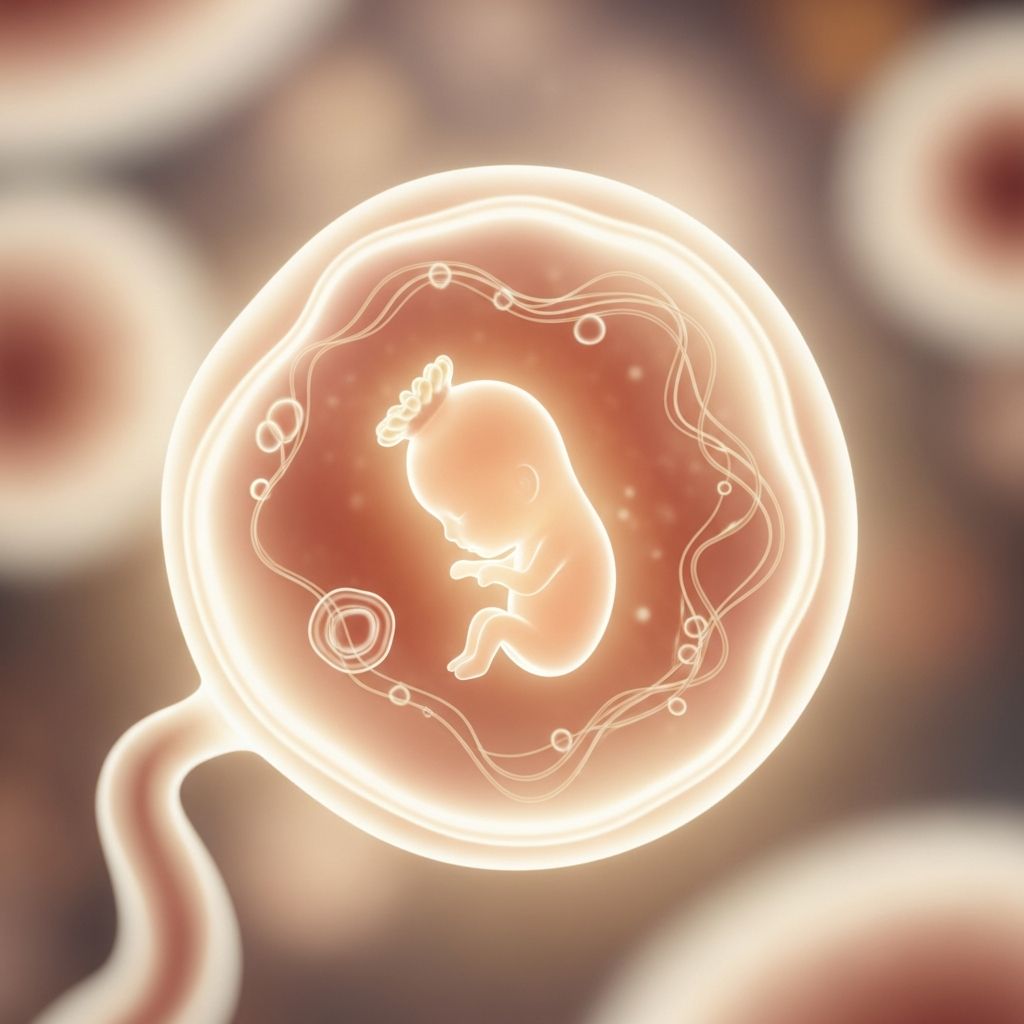
At week 4 of pregnancy, significant changes occur internally even if external signs are minimal. The fertilized egg, now a blastocyst, implants into the uterine lining, marking the transition to embryonic development. This stage sets the foundation for all future growth, with cells rapidly dividing to form key structures.
Embryonic Milestones in Week 4
Your baby-to-be is smaller than a poppy seed, approximately the size of a grain of rice, but packed with potential. The blastocyst splits into two critical parts: the embryo, which will become the baby, and the cells that develop into the placenta. This organ will eventually nourish and oxygenate the growing fetus.
- Cell Layer Formation: Two primary layers emerge—the epiblast and hypoblast—which will differentiate into organs, tissues, and body systems.
- Protective Structures: The amniotic sac begins to form, surrounding the embryo with fluid for cushioning, while the yolk sac starts producing blood cells for early nutrition.
- Neural Foundations: The neural tube, precursor to the brain and spinal cord, starts taking shape, emphasizing the need for folic acid.
Though no heartbeat is detectable yet, a primitive blood vessel loop forms, poised to evolve into the heart over the coming weeks. External genitals and limbs are not yet visible, but the groundwork for all body parts is laid in the genetic blueprint.
Maternal Body Adaptations During This Phase
Hormonal surges, particularly progesterone and human chorionic gonadotropin (hCG), drive profound changes. hCG production begins post-implantation, signaling the ovaries to halt ovulation and sustain the uterine lining, preventing menstruation.
Common experiences include:
- Mild Cramping: Light, period-like cramps signal implantation as the embryo embeds deeply into the endometrium. These typically resolve quickly and differ from severe pain.
- Bloating and Fullness: Progesterone slows digestion, causing a puffed-up sensation and gas.
- Breast Tenderness: Swollen, sensitive breasts result from hormonal preparation of milk ducts.
- Fatigue or Mood Shifts: Early exhaustion or emotional fluctuations may appear, though many notice no symptoms yet.
Spotting or light bleeding can occur during implantation, often mistaken for a light period. Contact a healthcare provider if bleeding is heavy, accompanied by severe pain, or persists.
Nutrition Essentials for Optimal Early Development
A nutrient-rich diet supports implantation and cell division. Focus on whole foods to meet rising demands.
| Nutrient | Role in Week 4 | Food Sources |
|---|---|---|
| Folic Acid | Prevents neural tube defects | Leafy greens, fortified cereals, beans |
| Iron | Supports blood volume increase | Lean meats, spinach, lentils |
| Protein | Builds embryonic tissues | Eggs, nuts, Greek yogurt |
| Omega-3s | Aids brain development | Salmon, walnuts, flaxseeds |
| Calcium | Bone formation foundation | Dairy, almonds, broccoli |
Hydrate well (8-10 glasses daily) and limit caffeine to under 200mg. Prenatal vitamins are crucial; start one containing 400-800mcg folic acid immediately if not already.
Self-Care Practices to Embrace Now
Prioritize rest as your body works overtime. Aim for 7-9 hours of sleep nightly, supplemented by naps. Gentle activities like walking or prenatal yoga enhance circulation without strain.
- Avoid alcohol, smoking, and recreational drugs entirely.
- Steer clear of high-mercury fish (shark, swordfish) and unpasteurized products.
- Practice stress reduction via meditation or light reading.
Track symptoms in a journal, noting any changes for discussions with your doctor.
When to Seek Medical Advice
Schedule your first prenatal visit around weeks 8-10, but earlier if high-risk. Warning signs include:
- Intense abdominal pain or one-sided cramping.
- Heavy bleeding or passing clots.
- Severe nausea preventing food intake.
- Dizziness, fever, or unusual discharge.
Ultrasound at this stage may confirm implantation but won’t visualize the embryo clearly yet. A blood test can verify hCG levels, doubling every 48-72 hours in viable pregnancies.
Emotional Well-Being in Early Pregnancy
Excitement mixes with anxiety as reality sets in. Share news with a trusted partner or friend for support. Journaling or joining online communities (with reliable info) can help process feelings.
Partners play a key role: attend appointments, assist with chores, and offer reassurance. Professional counseling is available if anxiety overwhelms.
Preparing for the Weeks Ahead
Week 4 transitions to week 5, where the heart tube forms and begins pulsing around day 22-23 post-conception. Limbs bud, and the embryo lengthens to about 2-4mm. Symptoms may intensify with morning sickness onset.
Stock up on ginger for nausea, loose clothing for bloating, and healthy snacks. Research local birthing classes or midwives early.
Frequently Asked Questions About Week 4 Pregnancy
Is it normal to have no symptoms at 4 weeks pregnant?
Yes, many experience subtle or no signs this early, as hCG levels rise gradually. Symptoms often start in weeks 5-6.
Can you see a heartbeat at 4 weeks?
No, the heart begins beating around weeks 5-6 via transvaginal ultrasound. At week 4, only the gestational sac is visible.
Does cramping at 4 weeks indicate miscarriage?
Mild cramping is common from implantation; severe pain warrants immediate medical attention to rule out issues like ectopic pregnancy.
How big is the baby at 4 weeks?
About poppy seed-sized, or 1-2mm, as a blastocyst implanting in the uterus.
Should I start prenatal vitamins now?
Absolutely—folic acid is vital from conception to prevent defects. Consult your doctor for recommendations.
Long-Term Health Considerations
Habits formed now influence outcomes. Maintaining a BMI of 18.5-24.9 reduces risks like gestational diabetes. Regular prenatal care detects issues early, improving chances of full-term delivery.
By week’s end, implantation completes, hCG surges, and pregnancy tests turn positive. Celebrate this milestone while committing to wellness.
References
- Fetal Development: Stages of Growth — Cleveland Clinic. 2023-05-15. https://my.clevelandclinic.org/health/articles/7247-fetal-development-stages-of-growth
- Pregnancy Calendar: Week 4 — Nemours KidsHealth. 2024-02-10. https://kidshealth.org/en/parents/week4.html
- 4 Weeks Pregnant Guide — NHS Best Start. 2023-11-20. https://www.nhs.uk/best-start-in-life/pregnancy/week-by-week-guide-to-pregnancy/1st-trimester/week-4/
- Baby Development Month by Month — American Pregnancy Association. 2024-01-05. https://americanpregnancy.org/healthy-pregnancy/week-by-week/baby-development-month-by-month/
- Pregnancy – Week by Week — Better Health Channel (Vic.gov.au). 2023-08-12. https://www.betterhealth.vic.gov.au/health/healthyliving/pregnancy-week-by-week