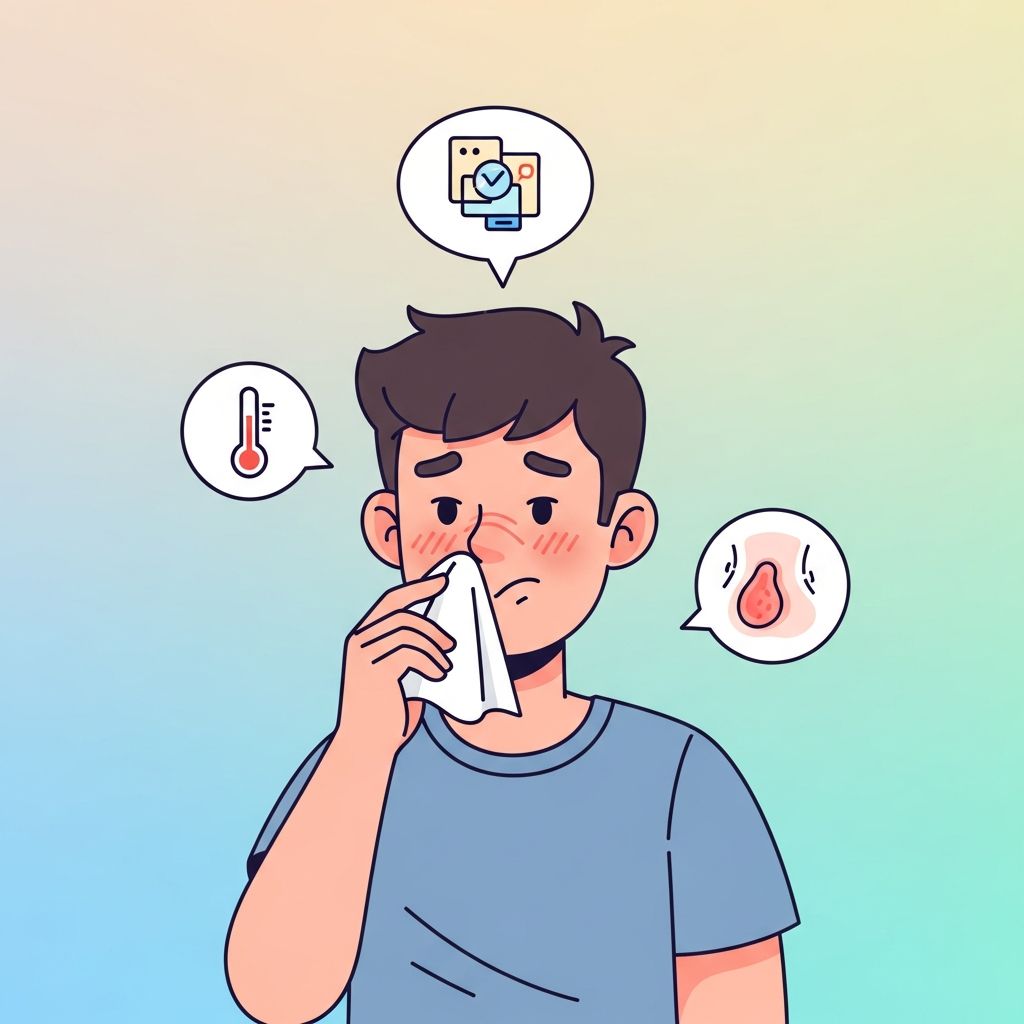
Infectious mononucleosis, often just called “mono,” is a viral illness that commonly affects teens and young adults, causing intense tiredness, sore throat, fever, and swollen glands in the neck and armpits.
Most people recover fully with rest, fluids, and time, but knowing how mono spreads and how to protect your health helps you avoid complications and get back to school, sports, and social life as safely as possible.
What Exactly Is Mono?
Mono is usually caused by the Epstein–Barr virus (EBV), a very common virus in the herpesvirus family that most people encounter at some point in their lives.
After infection, the virus mainly affects certain white blood cells and lymph tissue, which explains why symptoms often involve swollen lymph nodes, sore throat, and overall fatigue.
Why People Call It the “Kissing Disease”
The nickname “kissing disease” comes from the fact that mono is mainly spread through saliva, which makes deep kissing, sharing drinks, or using the same utensils common ways for the virus to pass from one person to another.
However, any activity that involves saliva exposure, such as sharing straws, water bottles, lip balm, or toothbrushes, can also transmit the virus, even if the person carrying it looks completely healthy.
- Most cases are linked to EBV, but other viruses can sometimes cause mono-like illnesses.
- The infection is especially common among high school and college-aged students.
- Once infected, the virus stays in the body in an inactive (latent) form and can occasionally shed in saliva without obvious symptoms.
How Mono Spreads in Everyday Life
Mono spreads when saliva from someone who is infected comes into contact with another person’s mouth or, less commonly, mucus membranes like the eyes or nose.
The virus can be present weeks before symptoms appear and may still be shed in saliva for some time after a person feels better, which is why tracking the exact exposure date is often difficult.
Common Situations Where Mono Can Spread
- Kissing or close mouth-to-mouth contact.
- Sharing drinks, straws, or sports water bottles.
- Using someone else’s eating utensils without washing them first.
- Swapping lip balm, lip gloss, or toothbrushes.
Less commonly, mono-related viruses can spread through blood or sexual contact, but for most teens, saliva contact is the primary route.
Early Signs and Classic Symptoms
Symptoms of mono usually begin four to six weeks after infection, although in younger children they can appear sooner and tend to be milder.
The illness often starts gradually: you may first feel a little more tired than usual, then develop a sore throat and fever that build over several days.
Common Symptoms in Teens
- Extreme fatigue: Feeling unusually exhausted, even after sleeping, is one of the most typical complaints.
- Sore throat: The throat can be very painful, sometimes with swollen tonsils and white or grayish patches that resemble strep throat.
- Fever: Temperatures may be moderately to significantly elevated and come with chills or sweats.
- Swollen lymph nodes: Glands in the neck, armpits, and sometimes groin may feel enlarged and tender.
- Body aches and headaches: General muscle soreness and head pain are frequent.
Less Common but Important Symptoms
- Skin rash, sometimes pink or blotchy.
- Swollen spleen or liver, which may cause a feeling of fullness or discomfort under the left or right ribs.
- Puffy eyelids, nausea, or sensitivity to light in some cases.
Because many of these symptoms overlap with the flu, strep throat, or COVID-19, it is important not to self-diagnose and to see a healthcare professional for an accurate evaluation.
How Doctors Diagnose Mono
Diagnosis begins with a detailed history of symptoms and a physical exam where the clinician checks the throat, lymph nodes, abdomen, and overall appearance.
Doctors pay close attention to patterns like severe sore throat that does not improve with antibiotics, marked fatigue, and enlarged lymph nodes or spleen when deciding whether to test for mono.
Possible Tests
- Blood tests: A complete blood count can show atypical lymphocytes, and specific tests can look for EBV-related antibodies or other markers of infection.
- Rapid mono tests: In some settings, a quick test may be used, but it can sometimes miss early infections or younger children.
Not every person with suspected mono needs extensive testing; decisions depend on symptom severity, how long the illness has lasted, and whether other conditions need to be ruled out.
Treatment: Why Rest Is Your Best Medicine
There is no specific cure or antiviral medication that reliably eliminates mono; instead, treatment focuses on controlling symptoms while the immune system clears the infection.
Antibiotics do not help because mono is a viral illness, though they may be prescribed if a separate bacterial infection such as strep throat occurs at the same time.
Self-Care Strategies at Home
- Rest: Plan for extra sleep and downtime; pushing through intense fatigue can prolong recovery.
- Fluids: Water, broths, and electrolyte drinks help prevent dehydration, especially when fever is present.
- Nutrition: Light, easy-to-swallow foods may be better tolerated when your throat hurts, but try to maintain balanced meals as appetite allows.
- Pain and fever relief: Over-the-counter acetaminophen or ibuprofen can lower fever and ease throat pain and body aches when used as directed.
Aspirin should not be used in children and teens with viral illnesses because of a link with a rare but serious condition known as Reye syndrome, which can affect the liver and brain.
Certain antibiotics, particularly ampicillin and amoxicillin, can trigger a widespread rash in people who have mono, so doctors usually avoid these drugs unless there is a strong reason to use them.
Recovery Timeline and Energy Levels
Many of the most intense symptoms, such as sore throat and fever, usually improve over two to four weeks, although this can vary from person to person.
Fatigue is often the longest-lasting issue and may linger for several weeks or even a few months, even after other symptoms fade.
| Time Period | What Many People Notice |
|---|---|
| Week 1–2 | Rising fatigue, sore throat, fever, and swollen glands; may feel very sick and miss school. |
| Week 3–4 | Throat and fever often improve; energy slowly returns but may still be much lower than normal. |
| Month 2 and beyond | Most daily activities become easier, but some people still feel easily tired or need extra sleep. |
Because recovery is so individual, it helps to listen to your body, pace activities, and work with your healthcare provider or school nurse to plan your return to full schedules and sports.
Sports, Exercise, and the Risk to Your Spleen
One of the most important safety concerns with mono is the risk of an enlarged spleen, which can be more vulnerable to injury or, in rare cases, rupture.
A ruptured spleen is a medical emergency that can cause sudden pain, internal bleeding, and requires urgent surgery, so doctors are very cautious about when it is safe to return to contact or high-impact sports.
Activity Guidelines (General)
- Avoid contact sports (such as football, soccer, wrestling, or basketball) and heavy lifting until a healthcare professional confirms it is safe.
- Start with light activities, like short walks, and increase slowly only if symptoms do not worsen.
- Report any sharp or sudden pain in the upper left abdomen, especially if it follows a fall or blow, immediately.
Clearance for full sports participation typically depends on how long you have been sick, your exam findings, and, in some cases, imaging tests that look at the size of your spleen.
Possible Complications (And Why They Are Rare)
Most teens with mono recover completely without any major problems, but complications can occur, which is why consistent monitoring and follow-up are recommended.
In addition to spleen issues, mono can sometimes be associated with liver inflammation, breathing difficulties from very swollen tonsils, anemia, or other blood-related changes.
- Spleen rupture: Sudden abdominal pain, especially on the left side, dizziness, or feeling faint should prompt emergency care.
- Severe throat swelling: When tonsils become extremely enlarged, breathing and swallowing may be difficult and may require medications such as corticosteroids.
- Liver issues: Mild liver inflammation is relatively common, sometimes causing temporary changes in blood tests or mild yellowing of the skin or eyes.
These complications are not the norm, but knowing the warning signs helps you seek care promptly if something does not feel right.
Protecting Yourself and Others
Since there is currently no widely available vaccine specifically for EBV-related mono, prevention focuses on limiting saliva exposure and maintaining healthy habits.
Not all infections can be prevented, especially because people can shed the virus without symptoms, but reducing high-risk behaviors lowers the chances of catching or spreading mono.
Practical Prevention Tips
- Do not share drinks, straws, utensils, or water bottles, especially at parties, sports, or school events.
- Avoid sharing lip products and toothbrushes.
- Practice good handwashing, particularly before eating and after being in crowded places.
- If diagnosed with mono, avoid kissing and sharing personal items that contact your mouth until your doctor says it is safer to resume normal interactions.
When to Call a Doctor
It is important to get medical advice if you have a very sore throat, fever that lasts for more than a few days, or exhaustion that does not make sense for your usual schedule.
Emergency evaluation is needed if you experience trouble breathing, difficulty swallowing fluids, severe pain under the left ribs, extreme weakness, confusion, or signs of dehydration, such as very dark urine or not peeing much.
Frequently Asked Questions About Mono
Is mono contagious, and for how long?
Yes, mono is contagious because the virus is present in saliva, and it can be shed both before symptoms start and for some time after you begin to feel better.
There is no exact, guaranteed “safe” date when contagiousness ends, but the risk decreases as time passes and symptoms improve, so follow your doctor’s guidance about returning to normal activities.
Can someone get mono more than once?
Most people who have mono develop lasting immune protection and do not have classic mono symptoms again, even though the virus remains quietly in the body.
EBV can reactivate, but repeat episodes resembling the original infection are uncommon, and doctors usually look for other causes if someone has persistent or recurrent fatigue.
Is mono dangerous for everyone?
For healthy teens and young adults, mono is usually uncomfortable rather than dangerous and improves on its own with proper care and rest.
People with weakened immune systems or certain medical conditions may have a higher risk of complications and should work closely with their healthcare team.
Can I go to school if I have mono?
During the worst phase of mono, many students are too tired or sick to attend school, but once fever and severe throat symptoms improve, gradual return is usually possible.
Your doctor can help you decide when it is safe to be back in class and what adjustments—like reduced schedules, extra breaks, or delayed tests—might be helpful while you are still regaining energy.
Will mono affect me long term?
For most people, mono is a temporary illness, and they return to their usual health and activity levels without long-term problems.
A small number of individuals may notice ongoing tiredness for a while, but with follow-up care and healthy habits, serious long-term consequences are uncommon.
Key Takeaways for Teens
- Mono is a viral infection, most often caused by EBV, that leads to fatigue, sore throat, fever, and swollen glands.
- It spreads mainly through saliva, so avoiding sharing drinks, utensils, and lip products helps reduce risk.
- There is no quick cure; recovery depends on rest, fluids, and symptom relief while the immune system does the work.
- Sports and intense exercise should wait until a healthcare professional rules out spleen enlargement and gives the all-clear.
- Most teens recover fully with time, patience, and support from family, friends, and school.