Mold thrives in moist environments and poses significant health risks to children, whose developing immune systems and faster breathing rates make them particularly susceptible. Exposure can trigger allergies, asthma exacerbations, and other respiratory issues, often mimicking common colds.
Understanding Mold and Its Spread in Homes
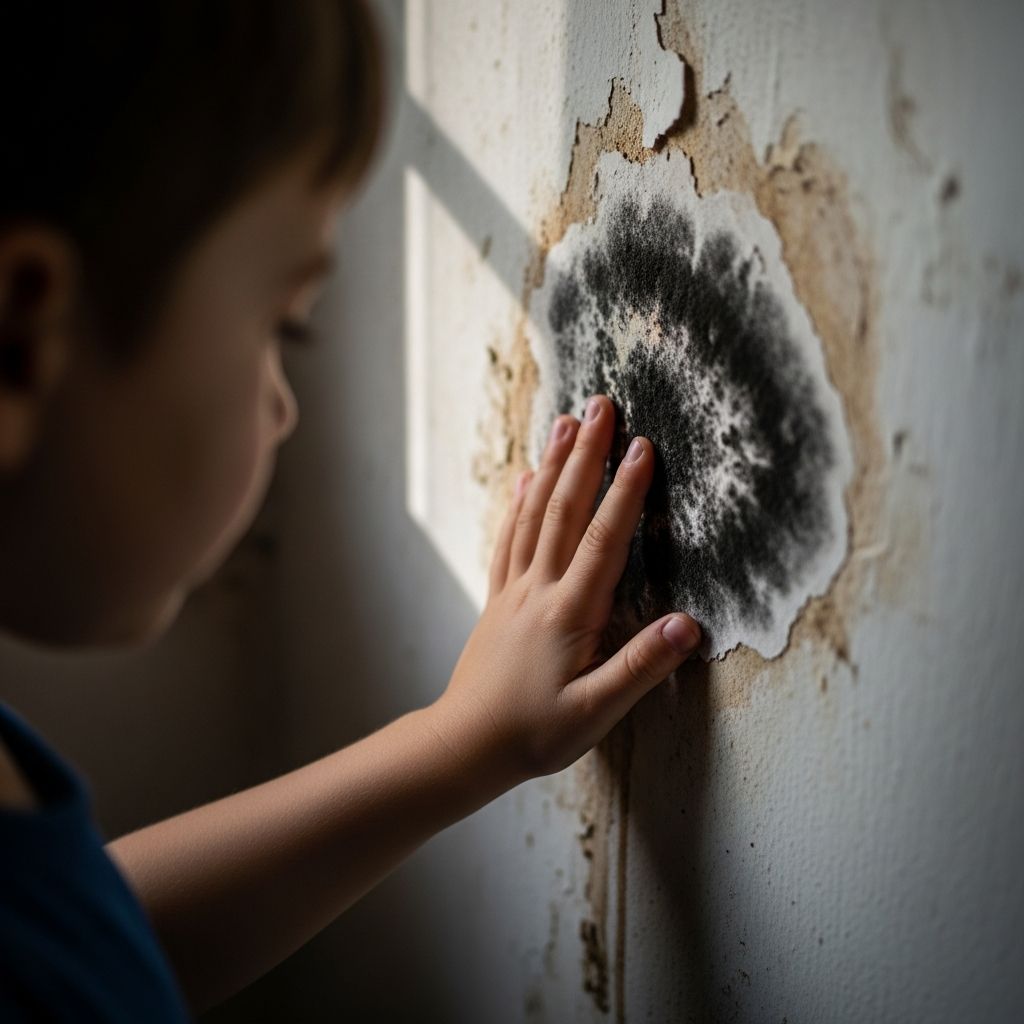
Mold is a type of fungus that reproduces through tiny airborne spores, which can settle in damp, warm areas indoors and outdoors. Common indoor varieties include Penicillium, Cladosporium, Alternaria, and Aspergillus, flourishing in places like bathrooms, basements, and HVAC systems where moisture accumulates.
Children face heightened exposure because they breathe more rapidly and spend time closer to the floor, where spores concentrate. Outdoor molds peak in fall and spring due to humidity, while indoor growth persists year-round in poorly ventilated spaces.
- Damp walls or ceilings after leaks
- Humid air conditioners or dehumidifiers
- Leaky pipes or roofs
- Overwatered houseplants or carpeted areas
Recognizing these hotspots is crucial for early intervention, as unchecked growth spreads spores throughout the home via air currents.
Health Impacts: Why Kids Are Most Vulnerable
Young children’s lungs and immune systems are still maturing, amplifying mold’s effects. Inhaled spores provoke an overactive immune response, releasing histamines that cause inflammation.
Mold exposure links directly to asthma development or worsening in sensitive kids. The EPA notes cases like a child developing persistent cough and breathing difficulties in a flooded basement, resolved only after professional remediation.
| Symptom Category | Common Signs in Children | Potential Severity |
|---|---|---|
| Respiratory | Coughing, wheezing, chest tightness, shortness of breath | May lead to asthma attacks |
| Nasal | Sneezing, stuffy/runny nose, postnasal drip | Chronic sinus issues |
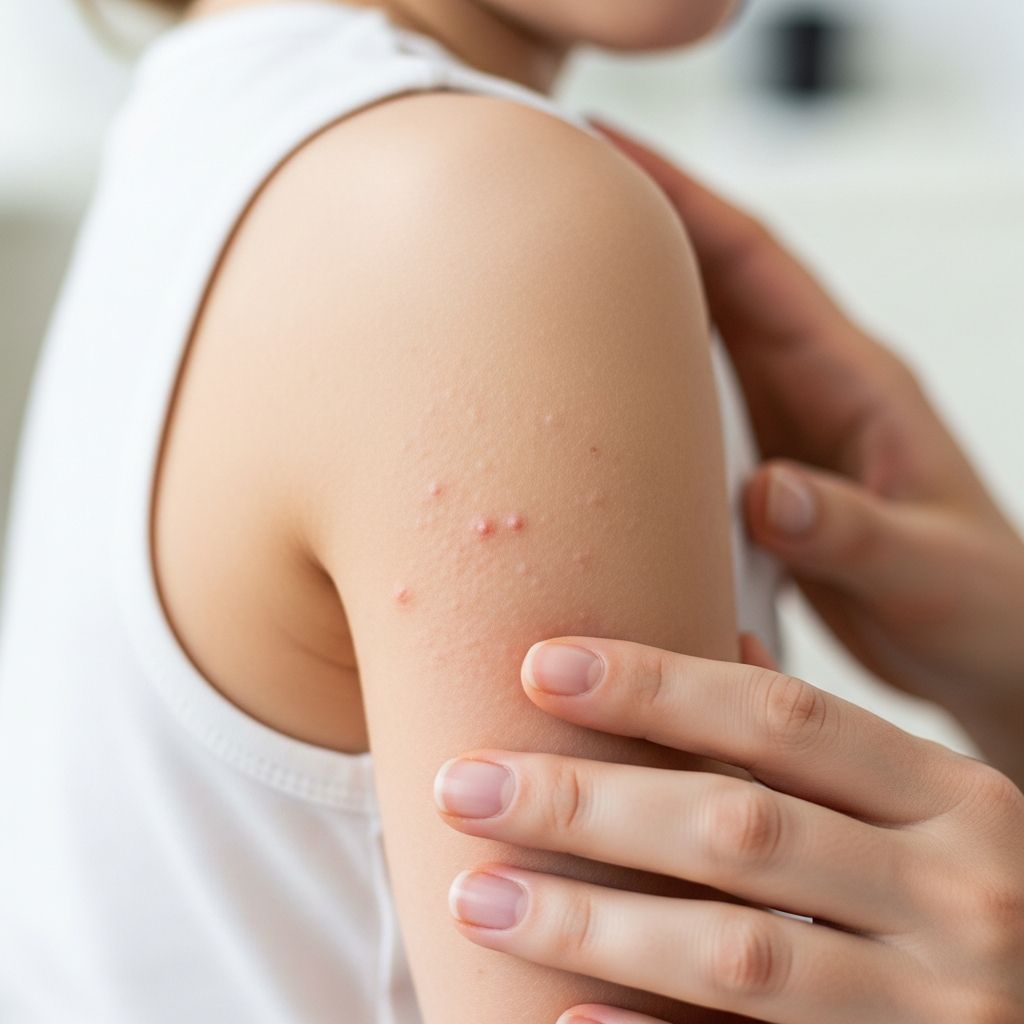
| Eye/Skin | Itchy/watery eyes, rashes, dry itchy skin | Persistent irritation |
| Systemic | Fatigue, headaches, recurring ‘colds’ | Immune strain, reduced activity[10] |
Symptoms often intensify in humid seasons or after rain, confusing parents with seasonal allergies or viruses. Year-round persistence signals indoor sources.
Spotting the Signs Early: Symptom Checklist for Parents
Distinguishing mold reactions from ordinary illnesses requires vigilance. Look for patterns: symptoms improving away from home or worsening in specific rooms.
- Persistent cough not resolving with typical remedies
- Chronic congestion lasting months without fever
- Unexplained rashes, especially on elbows/knees post-rain
- Daily fatigue/headaches with musty odors present
- Asthma flares in previously stable children
If multiple signs align with home dampness, testing air quality or consulting a pediatric allergist is advisable. Skin or blood tests confirm mold sensitivity.
Prevention Essentials: Keeping Mold Out of Your Home
Proactive moisture control is the cornerstone of prevention. Maintain indoor humidity below 50% using dehumidifiers, exhaust fans, and air conditioning.
- Fix leaks in pipes, roofs, and windows immediately
- Ventilate bathrooms and kitchens during/after use
- Use HEPA filters in HVAC systems to trap spores
- Insulate cold surfaces to prevent condensation
Avoid carpet in high-moisture areas; opt for hard floors. Outdoors, clear gutters, trim overhanging trees, and store firewood dry to curb spore influx.
Safe Cleanup Methods for Small Mold Problems
For areas under 10 square feet, parents can handle cleanup with precautions: wear gloves, N95 masks, and goggles. Mix one cup bleach per gallon of water to scrub hard surfaces, then dry thoroughly.
Never mix bleach with ammonia—toxic gases result. For porous items like drywall, discard if mold penetrates. Soft surfaces (upholstery) require professional steam cleaning or replacement.
- Test small area first to ensure no surface damage
- Work in well-ventilated space
- Vacuum with HEPA filter post-cleanup
Large infestations demand certified remediators to avoid spreading spores.
When to Consult Healthcare Professionals
Seek immediate care if breathing worsens, symptoms persist despite home fixes, or a child with asthma experiences flares. Allergists offer immunotherapy for severe cases.
Medications like antihistamines, nasal corticosteroids, or inhalers manage reactions. Track symptoms with a journal noting home conditions for doctor discussions.
Real-Life Scenarios: Lessons from Affected Families
Consider Alex’s story: after flooding, his basement home developed mold, triggering asthma. Post-remediation, symptoms vanished, highlighting swift action’s impact.
Another case: families noting rashes and fatigue improving during vacations, pinpointing home HVAC mold. Routine maintenance prevented recurrence.
Frequently Asked Questions (FAQs)
Can mold cause long-term health issues in kids?
Yes, chronic exposure may contribute to asthma onset or persistent respiratory problems, especially in genetically predisposed children.
How do I know if it’s mold or a cold?
Mold symptoms lack fever, persist year-round, and improve outside the home. Consult a doctor for allergy testing.
Is black mold the only dangerous type?
No, many molds like Alternaria and Aspergillus cause allergies; any visible growth warrants action.
Are HEPA filters enough to protect my child?
They help capture spores but pair with humidity control and cleaning for full protection.
What if my landlord ignores mold complaints?
Document issues, notify in writing, and contact local health departments if unresolved; remediation protects health.
Building a Mold-Resistant Home Environment
Integrate habits like weekly bathroom scrubs, monthly HVAC checks, and annual professional inspections. Educate kids on avoiding damp areas like compost piles.
Monitor with affordable hygrometers; readings above 60% signal risks. Combine with air purifiers for layered defense.
Empowering parents with knowledge transforms homes into safe havens, minimizing mold’s stealthy threat to children’s well-being.
References
- Common Indoor Allergies in Children — Children’s Hospital of Philadelphia (CHOP). Accessed 2026. https://www.chop.edu/conditions-diseases/common-indoor-allergies-children
- What is mold allergy? — Nicklaus Children’s Hospital. Accessed 2026. https://www.nicklauschildrens.org/conditions/mold-allergy
- 5 Mold Symptoms in Kids That You Shouldn’t Ignore — Mold Inspector. Accessed 2026. https://moldinspect.org/5-mold-symptoms-in-kids-that-you-shouldnt-ignore/
- Allergy to Mold — Nationwide Children’s Hospital. Accessed 2026. https://www.nationwidechildrens.org/conditions/allergy-to-mold
- Mold allergy – Symptoms & causes — Mayo Clinic. 2023-10-04. https://www.mayoclinic.org/diseases-conditions/mold-allergy/symptoms-causes/syc-20351519
- Mold Allergy – Symptoms, Prevention, and Treatment — Asthma and Allergy Foundation of America (AAFA). Accessed 2026. https://aafa.org/allergies/types-of-allergies/mold-allergy/
- Mold Allergy: Causes, Symptoms, Treatment & Prevention — Cleveland Clinic. Accessed 2026. https://my.clevelandclinic.org/health/diseases/22309-mold-allergy
- Mold Exposure and Respiratory Conditions in Young Children — U.S. Environmental Protection Agency (EPA). Accessed 2026. https://www.epa.gov/children/mold-exposure-and-respiratory-conditions-young-children