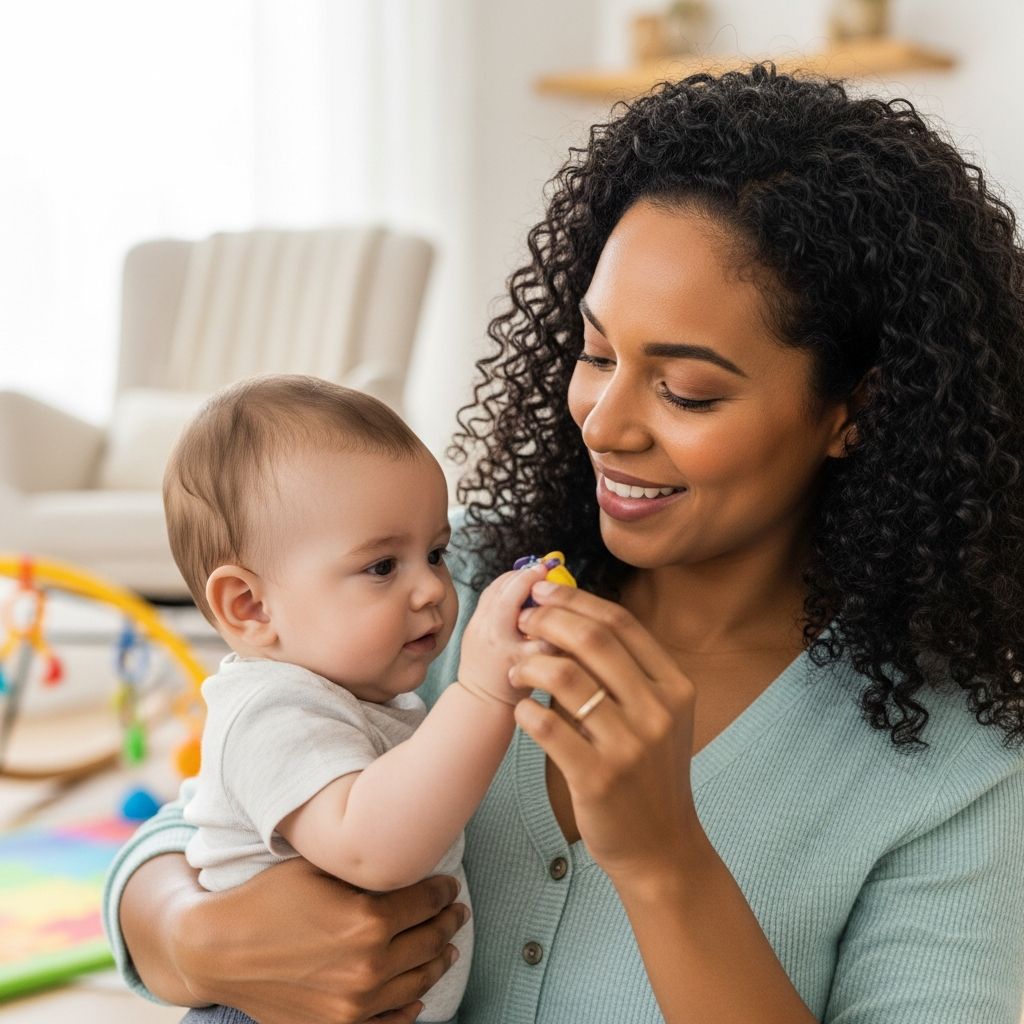
Toddlers between 1 and 3 years old need 11-14 hours of sleep daily, yet bedtime often becomes a daily challenge due to their growing independence and energy. Establishing reliable sleep patterns reduces stress for the whole family and supports healthy development. This guide draws from pediatric recommendations to outline customizable approaches for smoother evenings.
Building the Foundation for Restful Nights
A strong daytime foundation sets the stage for easy bedtimes. Exposure to natural light and physical activity during the day regulates circadian rhythms, making toddlers sleepier at night. Aim for at least one hour of outdoor play, balanced with nutritious meals to avoid hunger-driven disruptions. Consistent naps—typically one per day for 1-2 hours—prevent overtiredness, which paradoxically makes settling harder.
- Encourage morning sunlight exposure to align internal clocks.
- Limit naps after 3 PM to preserve evening sleep drive.
- Offer protein-rich snacks mid-afternoon to stabilize blood sugar.
Positive daytime interactions build trust, encouraging cooperation at night. Praise efforts during play to foster a sense of security.
Crafting an Effective Evening Wind-Down
Start the pre-bed phase 60 minutes before target sleep time with subtle cues signaling rest. Lower lights to boost melatonin production, a hormone essential for sleep onset. Replace high-energy activities with serene ones to ease the transition.
| Time Before Bed | Activity | Benefits |
|---|---|---|
| 60 minutes | Dim lights, quiet play | Reduces stimulation, promotes relaxation |
| 45 minutes | No screens, soft music | Blocks blue light interference with sleep cycles |
| 30 minutes | Bath or wipe-down | Cleanses and warms body for drowsiness |
White noise machines mimic womb sounds, masking household distractions and aiding 80% of toddlers in falling asleep faster, per sleep studies. Customize volume to a gentle hum.
Core Elements of a Toddler Bedtime Sequence
A 20-30 minute routine should be predictable and loving. Core steps include hygiene, comfort, and bonding, performed in the same order nightly.
- Hygiene Essentials: Brush teeth thoroughly, change into pajamas, and handle potty needs to preempt excuses.
- Comfort Setup: Warm sheets briefly with a safe heat pack, then add a comfort item like a lovey—ensuring no small parts for safety.
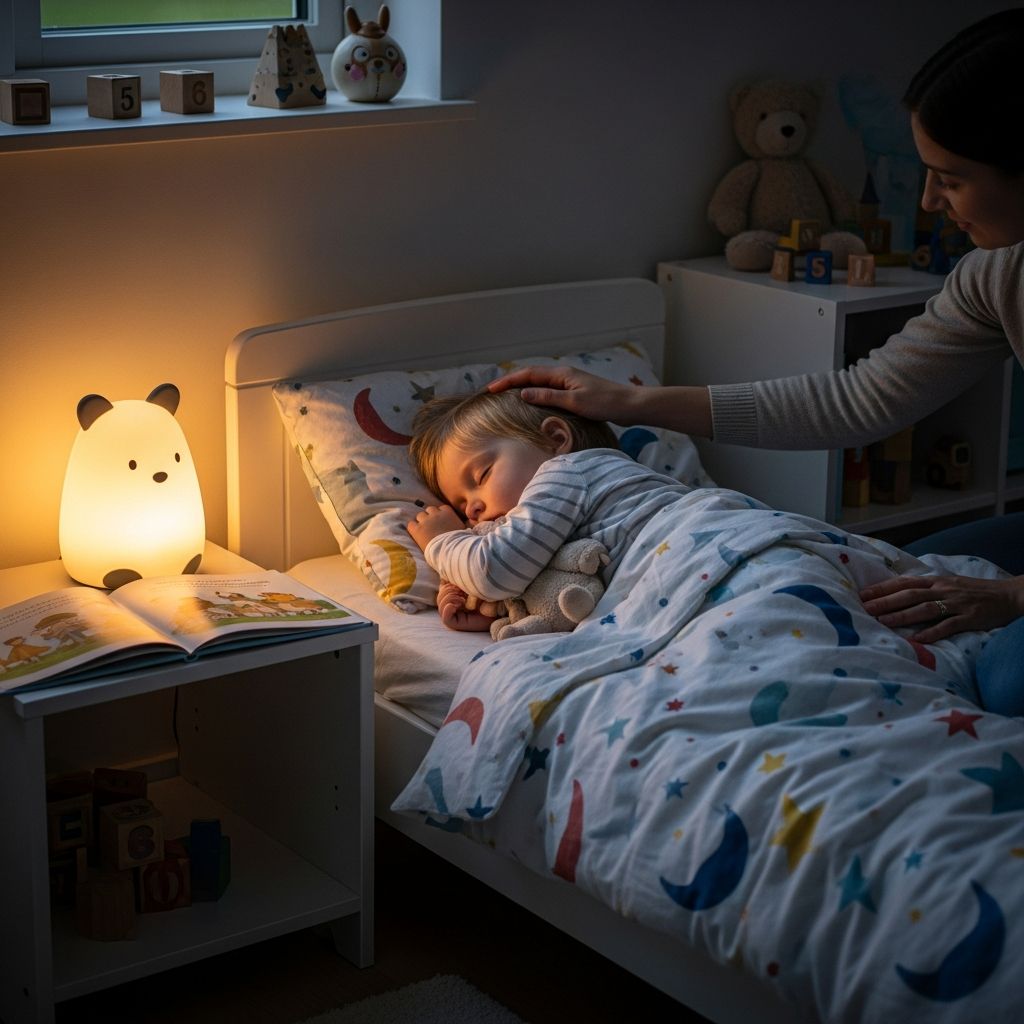
- Bonding Time: Read 1-2 short books or sing lullabies; physical touch like gentle massages enhances attachment and sleep quality.
- Final Cues: Sprinkle ‘magic dust’ (baking soda with essential oil scent) or use a nightlight for reassurance.
Research from Philadelphia shows a simple bath-massage-story sequence cuts sleep onset by half in weeks for children under 3.
Addressing Common Bedtime Resistance
Toddlers test boundaries, leading to stalls like ‘one more hug’ or ‘thirsty.’ Preempt by fulfilling needs upfront: offer water, potty, and a final snack earlier. Use a visual chart with pictures of steps; toddlers move icons as completed, gaining ownership and reducing arguments.
- Offer limited choices: ‘Blue or green pajamas?’ to empower without overwhelming.
- Set firm limits: ‘Two books, then lights out.’
- Ignore minor calls post-routine; respond briefly if needed, without engaging.
For separation anxiety, place a family photo by the bed or use a ‘stay-in-bed’ star chart with small rewards after 5 successful nights.
Optimizing the Sleep Environment
A conducive room accelerates settling. Keep temperature at 68-72°F (20-22°C), dark with blackout curtains, and clutter-free. Safe sleepers include firm mattresses sans pillows or loose bedding until age 2.
Incorporate sensory aids:
- White Noise: Continuous sound at 50 decibels.
- Nightlight: Red-hued to avoid melatonin suppression.
- Aromatherapy: Lavender diluted safely on bedding.
Test setups during naps to refine.
Handling Night Wakings and Early Risings
Expect 1-2 wakings; respond minimally to discourage habits. Pat and reassure without picking up, using the same bedtime phrases. For early birds before 6 AM, treat as night—dark room, no play—until desired wake time.
Track patterns in a 1-week log:
| Date | Bedtime | Sleep Onset | Wakings | Notes |
|---|---|---|---|---|
| Mon | 7:30 PM | 8:00 PM | 2 | Thirsty request |
| Tue | 7:30 PM | 7:50 PM | 1 | Improved |
Adjust bedtime later by 15 minutes if overtired signals appear, like frequent wakings.
Nutrition and Health Factors Influencing Sleep
Avoid caffeine post-noon and heavy sugars evening-near. Dairy or complex carbs 2 hours pre-bed aid serotonin production. Address teething or illness with pediatric-approved remedies before routine start.
Consistent routines improve settling by 50% in weeks, enhancing parent-child bonds.
Long-Term Benefits of Solid Sleep Habits
Well-rested toddlers show better focus, mood stability, and immunity. Parents gain recharge time, reducing burnout. Persistence yields results in 2-4 weeks.
Frequently Asked Questions
What if my toddler won’t stay in bed?
Use a gentle ‘bedtime pass’ system: one ticket for one exit request (hug/water), then none left means stay put. Consistency retrains in days.
Is screen time ever okay before bed?
No; blue light delays sleep by 30+ minutes. Opt for audio books if tech desired.
How late is too late for bedtime?
Ideal 7-8 PM for 12-hour sleep plus nap. Later risks overtired meltdowns.
What about co-sleeping transitions?
Gradually shift with portable crib beside bed, then to own room over weeks.
Does exercise timing matter?
Vigorous play before 4 PM energizes sleep; evening calm-down only.
References
- Toddler Bedtime Trouble: 7 Tips for Parents — American Academy of Pediatrics (healthychildren.org). 2023-05-15. https://www.healthychildren.org/English/healthy-living/sleep/Pages/bedtime-trouble.aspx
- Sleep Routines for Toddlers and Children — Cambridgeshire and Peterborough Borough Children’s Health. 2024-02-10. https://cambspborochildrenshealth.nhs.uk/sleep/healthy-sleep-routines/sleep-routines-for-toddlers-and-children/
- A Great Toddler Bedtime Routine — Happiest Baby. 2023-11-20. https://www.happiestbaby.com/blogs/toddler/toddler-bedtime-routine
- Positive Bedtime Routines: Babies, Children and Teenagers — Raising Children Network (Australian Government-funded). 2024-08-05. https://raisingchildren.net.au/toddlers/sleep/better-sleep-settling/bedtime-routines
- Creating a Stress-Free Toddler Bedtime Routine — Baby Sleep Science. 2023-09-12. https://www.babysleepscience.com/single-post/goodnight-sleep-tight-creating-a-stress-free-toddler-bedtime-routine