Milk blisters, often called milk blebs, can turn an otherwise smooth breastfeeding journey into a very painful experience. Understanding what they are, why they appear, and how to treat them safely can help you keep breastfeeding while protecting your comfort and health.
This guide explains milk blisters in clear, practical language, so you can decide what you can try at home and when to involve a lactation consultant or healthcare professional.
What Is a Milk Blister (Milk Bleb)?
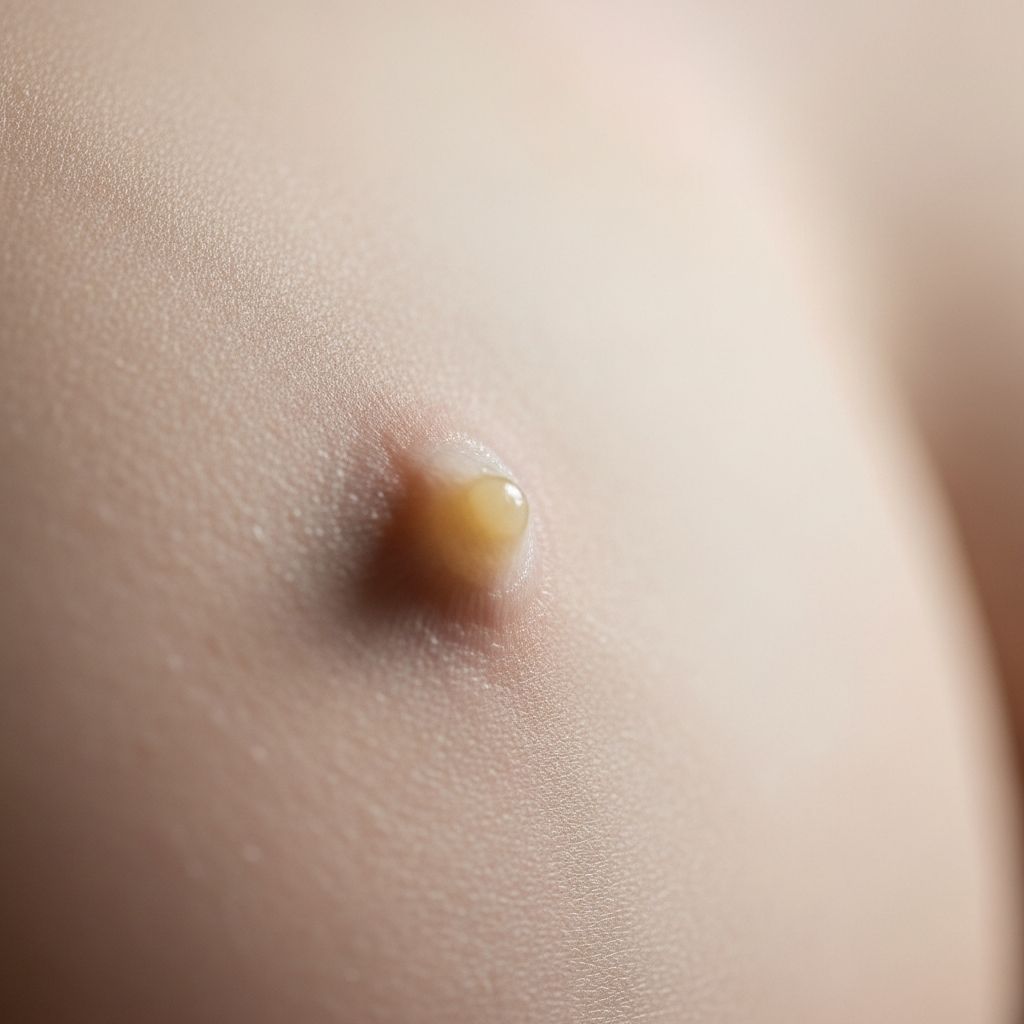
A milk blister is a small, usually white or yellow spot on the nipple that forms when a milk duct opening becomes blocked right at the surface of the skin. The trapped milk sits just under or behind a thin layer of skin, creating a blister-like dot.
- Size: typically pinhead-sized, sometimes slightly larger
- Color: white, cream, yellow, or occasionally clear; friction blisters may look red or brown
- Texture: can feel hard, raised, or tender to the touch
- Pain: ranges from mildly annoying to intense stinging or burning, especially during or after feeds
Even though they are small, milk blisters can be very painful and may be linked with plugged ducts or even mastitis if milk flow is repeatedly blocked.[10]
How Milk Blisters Differ from Other Nipple Problems
Not every white spot or sore area on the nipple is a milk blister. It is helpful to distinguish between a few common conditions:
| Condition | Typical Appearance | Key Features |
|---|---|---|
| Milk blister (milk bleb) | Tiny white/yellow spot on nipple pore | Milk trapped behind skin or thickened plug; often painful during feeds |
| Friction blister | Clear or blood-tinged bubble | Caused by rubbing from shallow latch, shields, or pump flanges; not always blocking a duct |
| Thrush (yeast) | Multiple white patches or spots | Burning pain, often worse after feeds; may also affect baby’s mouth |
| Plugged duct | Firm, tender lump in breast | Usually no spot on nipple; area feels full, sore, and improves after milk removal |
If you notice several blisters at once or you have burning pain that persists between feeds, it is important to be evaluated for infection such as thrush.
Why Milk Blisters Form: Common Causes
Most milk blisters are linked to something interfering with smooth milk flow or irritating the nipple surface. Research and breastfeeding organizations highlight several frequent causes.
- Skin covering a milk pore: A thin layer of skin grows over the duct opening, trapping milk beneath it.
- Thickened or sticky milk at the duct opening: A small plug of thicker milk blocks the pore, similar to a very small plugged duct that sits right at the nipple.
- Shallow or painful latch: When baby latches onto just the nipple instead of a deep mouthful of breast, friction and pressure on the nipple tip increase.
- Oversupply and strong letdown: High milk volume or forceful flow can increase pressure on certain ducts, contributing to blockages.
- Pressure on the breast: Tight bras, underwires, constricting sports bras, or sleeping on one side can compress ducts and nipples.
- Pump or shield issues: A pump flange that is too small or large, or a poorly fitting nipple shield, can cause repeated rubbing or suction on the same area.
- Friction from clothing or pads: Rough fabrics, wet breast pads, or repetitive rubbing can lead to friction blisters.
- Infection or inflammation: Yeast infection (thrush) or inflammatory processes can also be associated with milk blisters.
Typical Symptoms You May Notice
Symptoms can vary, but many nursing parents describe a specific pattern of discomfort.
- A visible white, cream, or yellow dot on the nipple
- Sharp, stinging, or burning pain when baby latches or as milk lets down
- Pain that may continue for a short time after a feed
- A spot that feels hard or raised when you touch it
- Local redness, warmth, or swelling around the spot in some cases
- Occasional plugged duct or tender lump deeper in the breast on the same side
Mild, painless blisters sometimes resolve on their own without any treatment. If a blister is causing significant pain or is not improving, it usually needs attention.
Safe Home Strategies for Comfort and Relief
Many milk blisters can be improved at home with gentle, consistent care. Always prioritize methods that are low-risk and avoid any technique that could break the skin and introduce infection. Expert breastfeeding resources and medical reviews commonly suggest the following approaches.
1. Warmth and Moist Heat
- Apply a warm, moist compress to the nipple for several minutes before feeding or pumping.
- Alternatively, briefly soak the nipple in warm water or a warm saline (saltwater) solution to soften the skin and the plug.
- Warmth can help the duct opening relax and may make it easier for milk to flow.
2. Gentle Massage and Exfoliation
- After warming, use a clean, warm washcloth to gently rub the nipple in small circles.
- Massage the breast behind the blister in the direction of the nipple during feeds to encourage the plug to move.
- Avoid aggressive scrubbing or squeezing, which can damage skin.
3. Optimizing Baby’s Latch and Position
- Experiment with positions that let baby take a large mouthful of breast, not just the nipple.
- Try different angles or positions (such as laid-back or side-lying) to change how pressure is applied to the nipple and ducts.
- Ask an IBCLC lactation consultant or trained breastfeeding counselor to observe a feed and suggest changes if pain continues.
4. Keeping the Nipple Soft and Moist
- Between feeds, many experts recommend keeping the nipple lightly moisturized to prevent cracking and dryness.
- Use a thin layer of a breastfeeding-safe ointment or oil recommended by your provider.
- If using nursing pads, change them often so the nipple area stays clean and not overly damp.
5. Supporting Milk Flow
- Feed or pump frequently enough to avoid long stretches of engorgement.
- Position baby so their chin points toward the area of any deeper lump to better drain that segment of the breast.
- If a particular spot stays sore and firm, gentle massage while baby nurses may help relieve a small plugged duct linked to the blister.
6. Pain Relief and Comfort Measures
- Cold compresses between feeds can reduce inflammation and soreness.
- Over-the-counter pain relief such as ibuprofen may be appropriate for some parents, but always confirm with your healthcare provider, especially while breastfeeding.
- Some women find breast shells helpful to reduce friction from clothing and give the nipple space to heal.
When Medical Treatment Is Needed
Some milk blisters simply do not respond to home care, or they are linked with infection or repeated blocked ducts. In these cases, professional support is important. Medical sources describe several possible interventions.
- Evaluation for underlying causes: Your provider may look for signs of mastitis, thrush, or other breast conditions that can mimic or contribute to blisters.
- Opening a persistent bleb: In some cases, a healthcare professional may use a sterile needle or other tools, under clean conditions, to gently open the blocked pore and allow milk to drain.
- Topical treatment: A provider may prescribe a topical steroid cream to reduce inflammation or an antibiotic ointment if infection is suspected.
- Medication for pain or inflammation: Short-term use of anti-inflammatory medicines may be recommended as part of a broader treatment plan.
Self-opening a blister with needles or sharp objects is generally discouraged due to the risk of infection and scarring. If you have tried home strategies for several days without improvement, it is safer to seek professional help.
Warning Signs: When to Call a Doctor Urgently
Contact your healthcare provider right away if you notice any of the following signs, which may suggest infection or mastitis:[10]
- Fever or chills
- Rapidly increasing redness, warmth, or swelling in the breast
- Red streaks on the breast
- Thick discharge, pus, or foul-smelling fluid from the blister
- Severe, worsening pain that makes breastfeeding impossible
- Flu-like symptoms such as body aches, fatigue, and malaise
Timely treatment of mastitis or other infection can protect your health and usually allows breastfeeding to continue safely.
Preventing Milk Blisters from Coming Back
Once a milk blister heals, many parents are eager to avoid a repeat. Prevention focuses on improving milk flow and minimizing nipple trauma.
- Work on latch: Ensure baby’s mouth covers a generous portion of the areola, with lips flanged outward and no pinching sensation.
- Avoid tight pressure: Choose bras that fit comfortably without digging into breast tissue; avoid tight waistbands or baby carriers that compress the breast.
- Check pump fit: Make sure the pump flange size is appropriate for your nipple, and adjust suction to a comfortable, effective level.
- Vary positions: Rotate breastfeeding positions to change which ducts are most heavily used and reduce repeated stress on the same area.
- Respond to early fullness: If you feel a small tender spot or lump, address it early with warmth, massage, and effective feeding, rather than waiting for it to worsen.
- Monitor for infection: If you have recurrent blisters, ask your provider about evaluation for yeast or other underlying issues.
Frequently Asked Questions About Milk Blisters
Do I have to stop breastfeeding if I have a milk blister?
In most cases, you can and should continue breastfeeding. Ongoing milk removal usually helps relieve the underlying blockage, and many guidelines emphasize maintaining breastfeeding whenever possible, unless a provider specifically advises a brief pause for a particular treatment.
Are milk blisters dangerous for my baby?
The blister itself is on your nipple, not in your milk, and is generally not harmful to your baby. The primary concern is your comfort and the risk of complications for you, such as plugged ducts or mastitis if milk flow is limited.
Will a milk blister go away on its own?
Sometimes, especially if it is not very painful, a small milk blister may resolve over days or weeks without specific treatment. However, if you are in significant pain or the blister persists, active management and professional input are recommended.
Can I pop a milk blister at home with a needle?
Self-popping a blister with a needle is not recommended due to the risk of infection and scarring. Expert breastfeeding resources suggest that any procedure to open a bleb should be done by a trained healthcare professional under clean conditions if conservative measures have failed.
Are milk blisters a sign of mastitis?
Not necessarily. A milk blister can exist alone, but it can also be associated with plugged ducts or slowed milk flow, which may increase the risk of mastitis if not managed.[10] Watch for signs such as fever, spreading redness, or feeling very ill, and seek medical care if these occur.
What if I keep getting milk blisters over and over?
Recurrent milk blisters may point to an underlying issue such as oversupply, ongoing latch problems, persistent friction, or infections like yeast. A thorough evaluation by a lactation consultant and your healthcare provider can help identify and address these root causes.
References
- Causes & Treatments of Milk Blisters or Milk Bleb — Breastfeeding Support for Indian Mothers (BSIM). 2023-05-01. https://www.bsim.org.in/breastfeeding-information-milk-bleb-blister/
- Dealing with a Milk Bleb or Nipple Blister — The Breastfeeding Companion. 2022-09-15. https://thebreastfeedingcompanion.com/project/milk-bleb/
- What Are Milk Blebs? Symptoms, Causes, and More — Medical News Today. 2022-06-22. https://www.medicalnewstoday.com/articles/321714
- How Do You Treat a Milk Blister? — KellyMom.com. 2022-03-10. https://kellymom.com/bf/concerns/mother/nipplebleb/
- Milk Bleb: Blister, Causes, Symptoms & Treatment — Cleveland Clinic. 2023-08-11. https://my.clevelandclinic.org/health/symptoms/milk-bleb
- Mastitis, Slowed Milk Flow, and Milk Blisters — La Leche League USA. 2021-11-05. https://lllusa.org/mastitis/
- What to Know About Milk Blisters (Blebs) — WebMD. 2021-04-06. https://www.webmd.com/parenting/baby/what-to-know-milk-blister-bleb