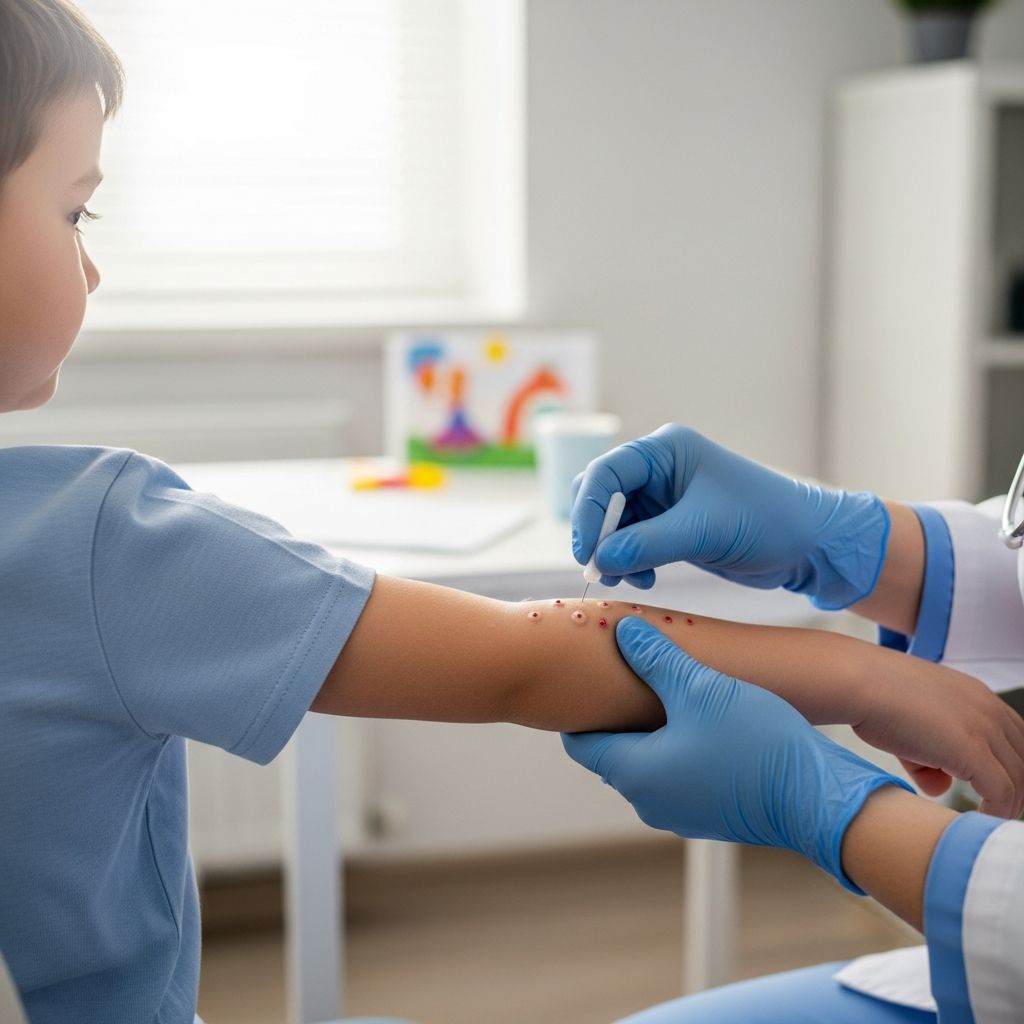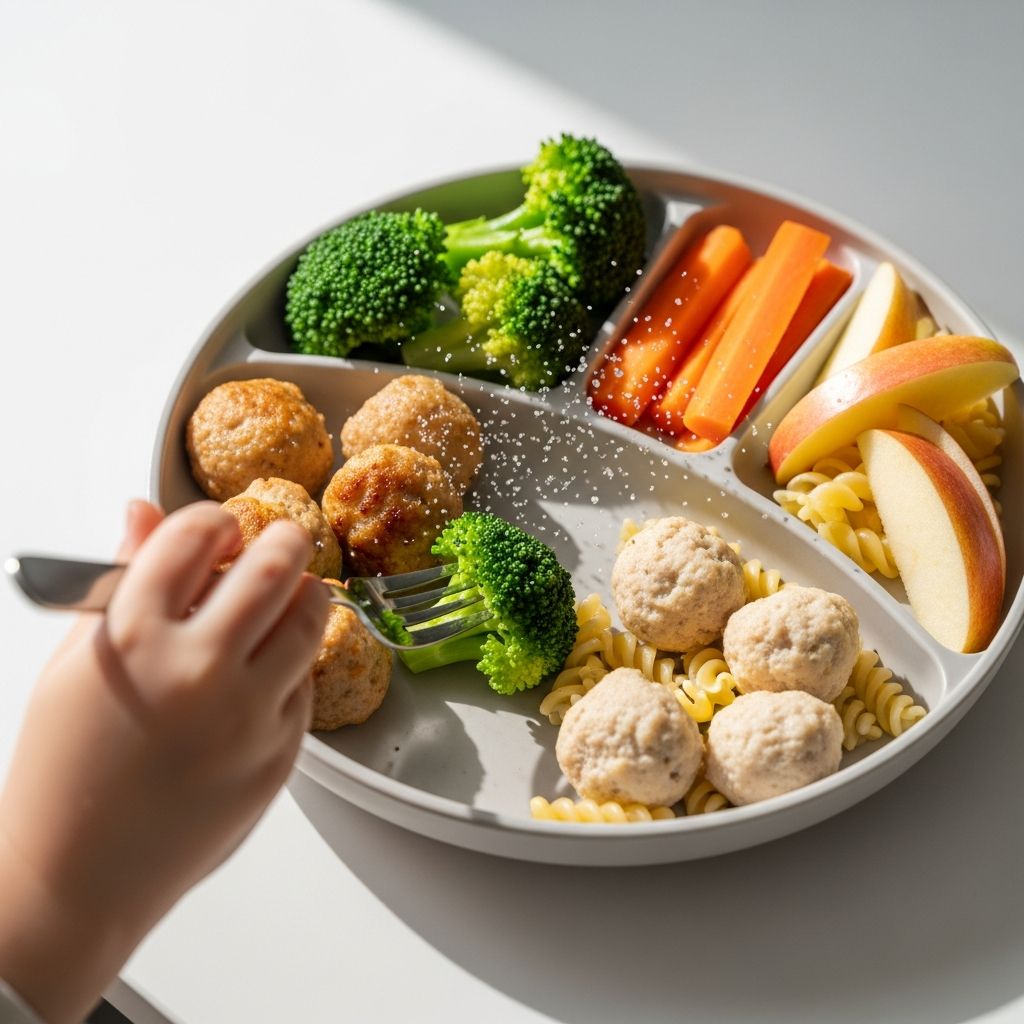
Tiny plastic particles known as microplastics infiltrate everyday foods and beverages, posing potential risks especially to developing children. Infants and toddlers face heightened vulnerability through ingestion from formula, fruits, and even indoor air, with studies estimating daily intakes up to hundreds of particles per child.
Understanding Microplastics and Child Vulnerability
Microplastics, fragments smaller than 5mm, originate from degraded larger plastics and enter the food chain via contaminated soil, water, and air. Children encounter them prenatally through the placenta, via breast milk or formula in plastic bags and bottles, and later from dust, toys, and produce like apples or potatoes containing 1.5-3.6 particles per gram. The U.S. Food and Drug Administration notes their environmental presence in seafood, salt, and bottled water but states current levels in foods do not demonstrate health risks, though ongoing research monitors potential effects.
Young bodies, with immature immune and metabolic systems, may absorb these particles more readily. Exposure routes expand in toddlers to include inhalation from synthetic textiles and ingestion from rice (up to 1 particle/kg/day) or seafood (hundreds to thousands of particles/kg/day). While definitive human health links remain under study, animal models suggest concerns like inflammation or endocrine disruption.
Why Kitchen Choices Matter for Family Health
Household kitchens amplify microplastic transfer through packaging, utensils, and heating methods. Plastic wraps and containers leach particles when microwaved, while bottled water holds far more microplastics than tap. Switching to non-plastic alternatives curbs this, prioritizing fresh produce over ultra-processed foods naturally lowers intake.
- Opt for glass or stainless steel over plastic for food prep to prevent shedding during use.
- Avoid heating plastics, as heat accelerates particle release into meals.
- Filter tap water to reduce airborne and ingested microplastics effectively.
Top Alternatives for Food Storage Solutions
Replacing plastic storage is a foundational step. Glass containers with airtight silicone lids preserve freshness without chemical migration. Stainless steel options suit on-the-go lunches, durable and leach-free even when filled with acidic foods like tomatoes.
| Material | Best For | Benefits | Drawbacks |
|---|---|---|---|
| Glass | Meal prep, leftovers | Non-porous, microwave-safe, recyclable | Heavier, breakable |
| Stainless Steel | Bentos, snacks | Lightweight, unbreakable, bacteria-resistant | Not transparent |
| Bee’s Wrap | Produce, sandwiches | Reusable, compostable, natural antimicrobial | Not for hot foods |
| Silicone Bags | Freezer storage | Flexible, dishwasher-safe | Less ideal for microwaving |
These swaps align with pediatric advice to minimize endocrine-disrupting chemicals from plastics like BPA, historically in bottles.
Safe Utensils and Cooking Tools for Daily Use
Wooden or silicone utensils prevent scratching cookware that could harbor plastics. Bamboo cutting boards resist bacteria better than plastic, reducing cross-contamination risks. Cast iron or stainless steel pans offer lifetime durability without coatings that flake microplastics.
- Silicone spatulas flex without melting, ideal for non-stick pans.
- Wooden spoons add no synthetic fibers to soups or stir-fries.
- Ceramic bakeware heats evenly minus plasticizers.
For child-specific tools, select BPA-free silicone molds for homemade snacks, avoiding phthalates common in recycling code 3 plastics.
Optimizing Water and Beverage Preparation
Bottled water significantly outpaces tap in microplastic content; filtration systems capture particles down to nanometer sizes. Glass pitchers with infusers encourage fruit-infused water, sidestepping plastic bottles entirely. For formula feeding, glass bottles warm safely in hot water baths, not direct heat.
Smart Strategies for Meal Prep and Packaging
Batch cooking in glass dishes followed by portioning into steel containers cuts plastic contact. Ditch single-use bags for washable muslin produce bags, preserving veggie crispness without wraps. Microwaving in covered glass reduces drying while eliminating plastic steam vents that shed particles.
Cleaning and Maintenance to Minimize Shedding
Dishwashers with eco-cycles prevent microplastic release from synthetic sponges; opt for cellulose ones instead. Line-dry cotton dish towels over synthetic microfiber to avoid airborne fibers. Regular vacuuming with HEPA filters tackles household dust laden with plastic particles.
Broader Lifestyle Adjustments Beyond the Kitchen
Complement kitchen changes by choosing natural fiber clothing, reducing laundry-shed fibers that settle into dust. Encourage outdoor play on natural surfaces over synthetic mats. Prioritize whole foods—fruits, veggies, and unprocessed proteins—lowering reliance on packaged goods.
Potential Health Implications and Research Gaps
While the FDA affirms no proven risks from food levels, microplastics appear in human blood, lungs, and placentas, warranting caution for children. Infants risk highest prenatal and formula exposures; toddlers ingest via diverse diets. Agencies like ATSDR study long-term effects, emphasizing cumulative exposure in vulnerable groups.
Frequently Asked Questions
Do glass containers fully eliminate microplastic risks?
Glass prevents leaching but source foods may still carry environmental microplastics; combine with filtering and fresh choices for best results.
Is tap water safer than bottled for kids?
Yes, studies show bottled water contains more microplastics; use filters on tap for optimal safety.
Can I still use some plastics safely?
Avoid heating or microwaving any plastics; choose codes 2, 4, 5 if needed, but prioritize alternatives.
How much exposure is too much for children?
No safe threshold established; minimize through habits as research evolves.
Are silicone products microplastic-free?
Silicone is stable and doesn’t degrade into microplastics like petroleum plastics, making it a safer flexible option.
Building a Microplastic-Smart Kitchen Routine
Start small: swap one storage type weekly, track improvements in family meals. Educate caregivers on these practices for consistent protection. Long-term, these habits foster health resilience amid environmental challenges.
References
- Microplastics and child health: A scoping review of prenatal and postnatal exposure — PMC/NCBI. 2024. https://pmc.ncbi.nlm.nih.gov/articles/PMC12554039/
- Microplastics and Your Family’s Health: What You Need to Know — Nationwide Children’s Hospital. 2025-04. https://www.nationwidechildrens.org/family-resources-education/700childrens/2025/04/microplastics
- Microplastics and Nanoplastics in Foods — U.S. Food and Drug Administration. 2023 (updated). https://www.fda.gov/food/environmental-contaminants-food/microplastics-and-nanoplastics-foods
- How to avoid microplastics in food and water — Woman’s Hospital. 2024. https://womanshospital.com/blog/entry/how-to-avoid-microplastics-in-food-and-water
- Microplastics and kids: How to limit risks — Children’s Health. 2024. https://www.childrens.com/health-wellness/are-plastic-chemicals-leaking-into-your-childs-food
- Microplastics – Patient Resources — Boston Children’s Hospital Pediatric Environmental Health Center. 2024. https://www.childrenshospital.org/services/pediatric-environmental-health-center/patient-resources/microplastics
- Microplastics in body: polluted tiny plastic fragments — Stanford Medicine. 2025-01. https://med.stanford.edu/news/insights/2025/01/microplastics-in-body-polluted-tiny-plastic-fragments.html