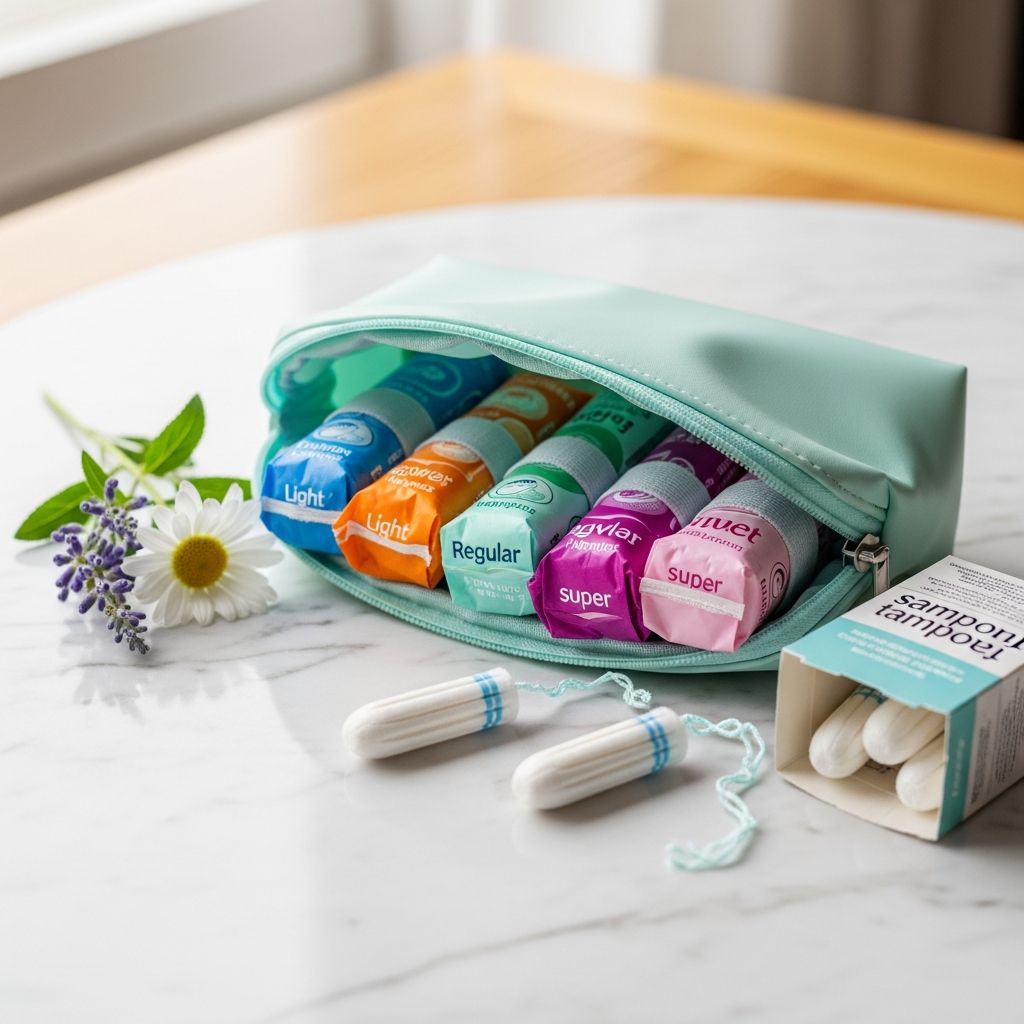
Starting your period comes with lots of questions, and tampons are one of the biggest. If you are wondering whether you can use a tampon as a teen or as someone who has never had sex, you are not alone. This guide explains how tampons work, who can use them, how to put one in and take it out, and how to stay safe and comfortable.
Who Can Use a Tampon?
Any person who has started menstruating can choose to use tampons if they feel ready and comfortable with the idea.1 You do not have to reach a certain age, and you do not need to have had sex to use them.2
Some key points:
- You can use tampons from your very first period if you want to.2
- It is also completely fine to wait and use only pads or period underwear.
- The decision is personal; there is no “better” product, only what works best for you.
Does Using a Tampon Affect Virginity?
Virginity is usually defined as whether someone has had sexual intercourse. A tampon is a medical product, not a sexual activity, so using a tampon does not change your virginity status.2
Many teens also worry about the hymen, a thin ring or fringe of tissue around the vaginal opening. Here are a few facts:
- The hymen can naturally stretch or change with exercise, sports, or inserting a tampon.
- There is no medical test that can prove whether someone has had sex or not.
- A tampon might gently stretch the hymen, but that is not the same as having sex.
If you feel anxious about this, consider talking with a trusted adult or health care provider who can explain how your body works in more detail.
How Tampons Work
A tampon is a small, absorbent cylinder designed to sit inside the vagina and soak up menstrual blood.
- Absorbent core: Usually made of specially processed cotton, rayon, or a blend, designed to absorb fluid.3
- String: Stays outside the body so you can pull the tampon out when it is time to change it.2
- Optional applicator: A cardboard or plastic tube that helps guide the tampon into place; it is thrown away after insertion.2
Once a tampon is correctly inserted, you typically should not feel it. If you feel pinching, pressure, or pain, it may not be in far enough or might be the wrong size for your flow.
Choosing the Right Tampon for Your First Time
Picking a suitable tampon can make your first experience much more comfortable.
Absorbency Levels
Tampons are sold in different absorbencies. Health organizations recommend using the lowest absorbency that still manages your flow to reduce the risk of toxic shock syndrome (TSS).3
| Absorbency Label | Typical Use | Best For |
|---|---|---|
| Light / Junior / Slender | Lower absorbency | First-time users and light flow days |
| Regular | Moderate absorbency | Average flow days once you are more confident |
| Super / Super Plus | Higher absorbency | Heavy flow days; only if truly needed |
Applicator vs. Non-Applicator
- Applicator tampons
Come with a plastic or cardboard tube. Many beginners find them easier because the applicator guides the tampon into the right spot.2 - Non-applicator tampons
Inserted with your fingers. These create less waste and give you more control, but some new users feel more nervous about touching their body at first.
For your first time, starting with a slender applicator tampon on a heavier-flow day often makes insertion smoother.
Getting Comfortable with Your Body
Understanding your anatomy makes tampon use much less confusing.
- The vagina is the tube that leads from the vaginal opening up to the cervix.
- The urethra is a separate opening where urine comes out; a tampon does not go there.
- The anus is behind the vaginal opening; tampons do not go there either.
If you are unsure about where to insert a tampon, using a small hand mirror in a private space can help you see your own body and feel more confident.
Step-by-Step: How to Insert a Tampon with an Applicator
Always read the instructions that come in the box, and follow any specific guidance from your health care provider. The general steps below are similar to those recommended by hospital teen health resources.2
- Wash your hands.
Use soap and water, then dry them well. This helps prevent germs from entering the vagina. - Get into a relaxed position.
Common options include:- Sitting on the toilet with your knees apart
- Standing with one foot on the toilet or edge of the tub
- Squatting if that feels more natural
- Unwrap the tampon and check it.
Make sure the wrapper is sealed before you open it. Do not use a tampon if the wrapper is torn, dirty, or the tampon looks damaged. - Hold the applicator correctly.
Most applicators have two tubes: a larger outer one that holds the tampon and a smaller inner one that pushes it in. Hold the middle, where the tubes meet, with your thumb and middle finger.2 - Locate the vaginal opening.
With your other hand, you can gently separate the labia (the outer lips) to see or feel the opening more easily. - Angle the applicator.
Place the rounded tip of the applicator at the vaginal opening and gently slide it inside, aiming slightly toward your lower back, not straight up. Move it until your fingers touch your body. - Push the inner tube.
Use your index finger to push the smaller inner tube all the way into the larger one. This moves the tampon into the vagina, where it will sit and absorb blood. - Remove the applicator.
Gently pull out both tubes together. The absorbent tampon stays inside, and the string should hang outside your body. - Check how it feels.
You should barely notice it. If it feels uncomfortable or you can feel it at the vaginal opening, it might not be in far enough. You can remove it and try again with a fresh tampon. - Dispose of the applicator and wash your hands.
Throw away the applicator in the trash and wash your hands with soap and water.
How to Insert a Tampon Without an Applicator
If you are using a non-applicator tampon, the basic idea is the same, but your finger acts like the applicator.2
- Wash and dry your hands.
- Unwrap the tampon and gently pull the string to be sure it is firmly attached.
- Get into a comfortable position (sitting, standing with one leg up, or squatting).
- With one hand, separate the labia to find the vaginal opening.
- Hold the tampon near the base (where the string comes out) with your other hand.
- Gently insert the rounded end of the tampon into the vaginal opening, aiming toward your lower back.
- Use your index or middle finger to push the tampon further in until you can no longer feel it. The string should still hang outside.
- Wash your hands again.
How to Remove a Tampon Safely
Changing tampons regularly is important for comfort and safety. Health authorities and teen health sites recommend changing tampons every 4–8 hours and never leaving one in longer than 8 hours.234
- Check the time.
If it has been around 4–6 hours, it is a good time to change your tampon. Set a phone reminder if you are worried you will forget.4 - Wash your hands.
- Relax on the toilet.
Sit with your knees apart or use another position that worked for insertion. - Locate the string.
Gently pull on the string using your thumb and index finger. Pull slowly and steadily at the same angle you used to insert it.2 - Dispose of the used tampon.
Wrap it in toilet paper or the wrapper from a new tampon and put it in the trash. Do not flush tampons; they can clog plumbing and harm the environment.2 - Wash your hands again.
If you ever cannot find the string, try relaxing, squatting slightly, and bearing down as if you are having a bowel movement; this can bring the tampon lower. If you still cannot reach it, contact a health care provider to have it removed safely.
Understanding Toxic Shock Syndrome (TSS)
Toxic shock syndrome (TSS) is a rare but serious illness caused by certain bacteria that can produce toxins in the body.3 It has been linked to tampon use, especially when tampons are very absorbent or left in for too long.
How to Lower Your Risk of TSS
- Use the lowest absorbency tampon that still manages your flow.3
- Change your tampon every 4–8 hours; never go beyond 8 hours.34
- Consider using pads or period underwear overnight, especially if you tend to sleep more than 8 hours.
- Wash your hands before and after inserting or removing a tampon.2
- Do not use tampons when you are not on your period just to absorb discharge.2
- Avoid tampons if you have had TSS in the past, unless your doctor tells you it is safe.2
Possible Warning Signs of TSS
Seek medical help right away if you use tampons and suddenly develop:
- High fever
- Vomiting or diarrhea
- Feeling very weak, dizzy, or faint
- A sunburn-like rash
- Muscle aches
These symptoms can also be caused by other illnesses, but it is important for a health professional to check you quickly.
Common Tampon Concerns and Troubleshooting
It Hurts to Put In
- Try a smaller absorbency tampon labeled slender, junior, or light.
- Start on a heavier flow day when there is more natural lubrication.
- Take slow breaths and relax your muscles; tension makes insertion harder.
- Make sure you are angling the tampon toward your lower back, not straight up.
- If it still hurts after several tries, talk with a health care provider for guidance.
I Can Feel the Tampon Inside Me
- If you feel pressure or pinching, the tampon may not be in far enough.
- Remove it and try again with a new one, gently pushing it a bit farther.
- You should not feel anything once it is correctly placed.
I Am Afraid the Tampon Will Get Lost
- The tampon cannot travel into your uterus or stomach; the vagina is a closed space with the cervix at the top.
- The string is there to help you pull it out. If the string goes up inside, squatting and bearing down usually brings it within reach.
- If you truly cannot remove it, a doctor or nurse can do it safely in the office.
Mixing Tampons with Other Period Products
You do not have to choose one product forever. Many teens switch between options depending on the day.
- Use a pad or period underwear overnight and tampons during the day.
- On lighter days, you might prefer a panty liner or pad instead of a tampon.
- If your flow is heavy, some people wear a pad or period underwear as backup to a tampon.
What matters most is that you feel clean, safe, and comfortable.
When to Talk to a Health Care Provider
Reach out to a doctor, nurse, or clinic if:
- You cannot insert a tampon after multiple attempts, and it feels painful every time.
- You notice strong, unusual vaginal odor, itching, or discharge.
- You suspect you might have left a tampon in for longer than 8 hours.
- You have symptoms of TSS such as fever, sudden illness, or rash.
- You just feel worried or confused and want a professional to walk you through the process.
Frequently Asked Questions (FAQs)
Can I use a tampon if I have never had sex?
Yes. Having sex is not required to use a tampon. Tampons are designed for anyone who menstruates, including people who are virgins.2
What age is too young to start using tampons?
There is no specific minimum age. Once you have your period, you can use tampons if you feel ready and understand how to use them safely. Some teens prefer to wait; others start right away.12
How long can I safely leave a tampon in?
Most experts recommend changing tampons every 4–8 hours and never leaving one in longer than 8 hours to help lower the risk of infections, including TSS.234
Can I sleep with a tampon in?
You can wear a tampon overnight only if you know you will not exceed 8 hours. If you usually sleep longer or might forget, pads or period underwear are safer choices.34
Will a tampon fall out while I am active?
A tampon that is properly inserted stays in place, even when you walk, run, or play sports. If it feels like it is slipping, it may be full and ready to be changed.
References
- Using your first tampon — AboutKidsHealth (The Hospital for Sick Children). 2022-03-10. https://teens.aboutkidshealth.ca/using-your-first-tampon
- Are tampons safe for your teen daughter? — Luna / NHS-based guidance. 2023-06-01. https://weareluna.app/parents/guides/periods-and-hormones/tampon-safety-for-teens/
- The Facts on Tampons—and How to Use Them Safely — U.S. Food and Drug Administration (FDA). 2022-09-28. https://www.fda.gov/consumers/consumer-updates/facts-tampons-and-how-use-them-safely
- How To Teach Your Teen To Use A Tampon — Cleveland Clinic Health Essentials. 2023-05-15. https://health.clevelandclinic.org/how-to-teach-your-kid-to-use-a-tampon