A recent social media trend shows parents pranking their children with a fake “Meet the Teacher” FaceTime call, where a supposed teacher acts extremely strict or intimidating to get a reaction out of the child. Many adults laughed at the kids’ shocked expressions, but a growing number of viewers say the prank goes too far and may worsen school-related anxiety.
What Is the ‘Meet the Teacher’ FaceTime Prank?
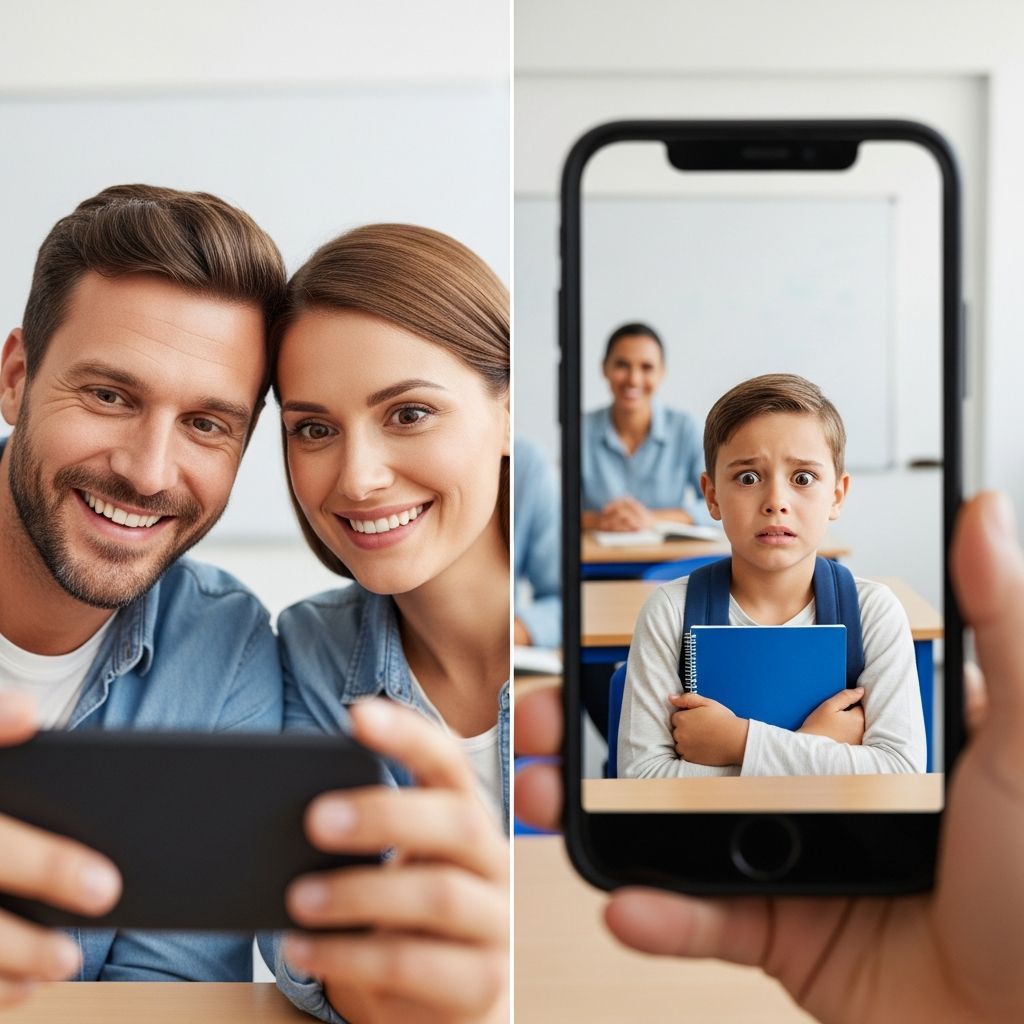
The prank typically involves a parent telling their child that they are about to meet their new teacher over a video call before school starts. On the other end of the call is either a friend, another adult, or even a pre-recorded clip of someone pretending to be a very stern teacher who lays out harsh rules in an exaggerated way. The goal is to capture the child’s confused or worried reaction on camera.
Videos of this prank often show kids looking visibly nervous, fidgeting, or whispering to their parents, unsure whether the “teacher” is serious. In many clips, the parent keeps the joke going long enough for the child to show real discomfort before finally revealing that it was all a prank and everyone laughs together.
Common Elements of the Prank
- Parents set up a fake FaceTime or video call and tell the child it is with their new teacher.
- The “teacher” character speaks in a strict tone, describing heavy homework loads or zero-tolerance classroom rules.
- Children often appear anxious, confused, or near tears before the parent admits it was a joke.
- The entire interaction is recorded and posted on social media for others to watch and comment on.
Why the Prank Went Viral
The prank spread quickly because it taps into a relatable moment: the nerves that come before the first day of school. Many adults remember their own fears about strict teachers, making exaggerated portrayals of “scary teachers” feel humorous, especially when presented as obviously over-the-top. Short, dramatic clips are perfect for social platforms where attention spans are brief but emotional reactions are rewarded.
Viewers who enjoy the prank often say it is all in good fun, emphasizing that the kids usually laugh once they realize it was a joke. Some parents claim that because their children later joked about the video, it proves no harm was done. For them, the prank is just another example of modern family humor captured on camera.
Reasons People Find It Funny
- The exaggerated “strict teacher” trope is familiar and easy to recognize as a caricature.
- Parents see it as a light-hearted way to break the tension around the new school year.
- Short, surprising clips tend to get a lot of engagement in comments, likes, and shares.
- Some families enjoy pranking culture and see this as no different from other practical jokes.
The Backlash: Why Many Viewers Are Upset
Alongside the people who found the prank amusing, a strong wave of criticism emerged. Commenters argued that the prank targets children at a vulnerable moment, when they may already feel nervous about school, new classmates, and unfamiliar teachers. Instead of reassuring them, the prank uses their fear as entertainment content.
Critics also pointed out that children do not fully understand how staged or controlled the situation is, so their emotions are genuine even if the adults see it as harmless. The discomfort and distress visible on some kids’ faces led many adults to question whether these jokes cross ethical lines, especially when the results are posted publicly online.
Key Concerns Raised by Critics
- It may increase school-related anxiety rather than easing it.
- Kids may feel they cannot fully trust their parents in serious situations.
- Recording and sharing emotional reactions could embarrass children later.
- The prank reinforces negative stereotypes about teachers as harsh or unkind.
Impact on Kids’ School Anxiety
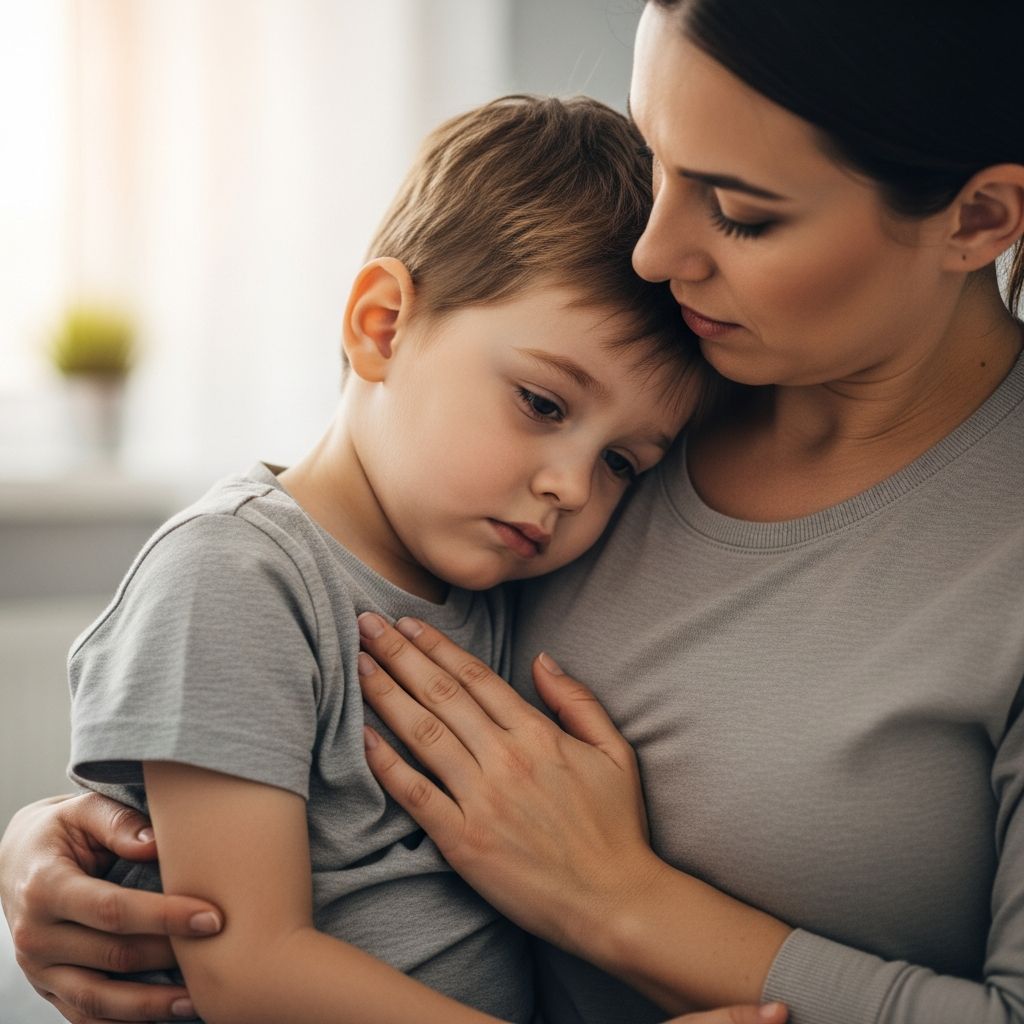
Many children already feel nervous about starting a new grade, meeting a new teacher, or returning to school after a break. They may worry about making friends, keeping up with schoolwork, or behaving correctly in class. A prank that suggests their teacher might be extremely strict or unfair can amplify these fears instead of helping them feel more secure.
Even if the child eventually laughs, the initial emotional spike of fear or worry can have lingering effects. For anxious children, this kind of prank might confirm their worst expectations about school, making them more reluctant to go or more tightly wound on the first day.
Possible Emotional Effects on Children
- Increased tension and sleeplessness before school begins.
- More reluctance to trust teachers until they are sure the classroom is safe.
- Generalized fear of being tricked or embarrassed by adults in other contexts.
- Greater difficulty separating real adult expectations from exaggerated jokes.
Trust Between Parents and Children
Another major concern is the potential impact of such pranks on trust. Young children often rely on parents to help them interpret new experiences and assess whether situations are safe or threatening. When parents play a convincing prank about something as important as school, it may cause kids to question whether they can rely on what adults tell them in the future.
Some viewers commented that the core issue is not that parents want to have fun, but that the joke uses a child’s genuine fear as the punchline. For critics, this raises the question of whether fleeting online entertainment is worth even a small erosion of a child’s trust in their caregivers.
Signs Trust Might Be Affected
- A child hesitates or double-checks when a parent gives serious information.
- Kids frequently ask, “Are you joking?” in everyday situations.
- They mention being worried about being recorded or “put online.”
- They bring up the prank as a reason they did not believe a parent later.
How Teachers Feel About the Prank
Although the focus is on parents and kids, teachers are another key part of this story. Many educators dedicate significant effort to creating a welcoming environment and easing children’s nerves before school starts. The prank’s portrayal of a teacher as unreasonably harsh or intimidating can conflict with that goal.
Some teachers expressed frustration that jokes like this reinforce a stereotype of educators as authoritarian and uncaring. They worry that children who see these videos might be more guarded or fearful during the first days of school, making it harder to build the trust and rapport needed for a productive classroom.
| Group | Potential Short-Term Impact | Potential Long-Term Impact |
|---|---|---|
| Children | Fear, confusion, or embarrassment during and right after the prank. | Increased anxiety about school and possible skepticism toward parents’ reassurances. |
| Parents | Social media recognition, laughs, and a sense of shared humor with other adults. | Potential regrets if the child remains anxious or brings up the prank later as hurtful. |
| Teachers | Frustration at being portrayed as overly strict or scary figures. | More work needed to convince new students that the classroom is safe and supportive. |
The Role of Social Media in Parenting Choices
The prank also highlights how social media culture influences parenting decisions. Parents who might once have played small pranks privately are now encouraged to record them for a potential audience of thousands or millions. Likes, comments, and shares can subtly pressure adults to escalate jokes, push boundaries, or repeat trends even if they are unsure about the impact on their children.
This environment raises questions about consent and digital footprints. Young children cannot fully understand how far a video might travel or how long it could remain online. While some kids may enjoy looking back at family memories, others could feel exposed or embarrassed later by footage of genuine fear or distress.
Questions Parents Can Ask Themselves Before Posting
- Would this video still feel okay to my child as a teenager or adult?
- Am I sharing this for family memories or for public attention and validation?
- Could this clip make my child a target for teasing or unkind comments?
- Does my child have the maturity to understand and truly consent to being posted?
Healthier Ways to Prepare Kids for School
Instead of pranks that play on a child’s fears, many experts recommend supportive rituals and honest conversations to prepare kids for school. These can include visiting the campus ahead of time if possible, talking through what a typical school day looks like, and role-playing friendly interactions with teachers and classmates.
Parents can also share their own age-appropriate stories about times they were nervous but ended up enjoying a new environment. These actions build confidence and show kids that adults take their feelings seriously, making the first days of school more manageable.
Supportive Alternatives to the Prank
- Arrange a real introduction to the teacher, if the school offers a meet-and-greet event.
- Watch videos or read books that portray teachers as kind, helpful, and understanding.
- Create a fun “first day of school” tradition, like a special breakfast or photo.
- Help children make a list of questions they can ask their teacher to feel more at ease.
Balancing Humor and Empathy in Parenting
Family humor can be a powerful way to bond, relieve tension, and create happy memories. The key difference between a healthy joke and a hurtful prank is often whether everyone involved is in on the fun and feels safe. When a prank hinges on a child’s genuine fear or public embarrassment, the laughter may come at too high a cost.
Parents who enjoy playful teasing can still joke with their kids while staying within clear emotional boundaries. Gentle, age-appropriate humor that does not rely on deception or humiliation helps children learn to laugh at themselves without feeling betrayed.
Guidelines for Kinder Pranks
- Avoid pranks that focus on serious topics like safety, school, or health.
- Keep jokes short and end them as soon as you see real distress.
- Skip posting pranks that show your child crying, panicking, or begging for reassurance.
- Ask your child afterward how the prank felt and listen carefully to their answer.
Frequently Asked Questions (FAQs)
1. Is the ‘Meet the Teacher’ prank always harmful?
Not every child will react the same way to this prank. Some may quickly recognize the joke and laugh, while others take the situation very seriously and feel scared or betrayed. Because adults cannot always predict how their child will respond, critics argue it is safer to avoid pranks that target important aspects of a child’s life, such as school or trusted authority figures.
2. What if my child laughed and said they were fine?
If a child reports that they thought the prank was funny, that is a positive sign, but it does not completely erase the possibility of mixed emotions. Kids sometimes downplay their discomfort because they see adults around them laughing. Parents can follow up later in a calm moment, asking open-ended questions to be sure the child truly felt okay and did not internalize extra fear about school.
3. Can pranks ever help with school anxiety?
Light, clearly silly jokes can sometimes make kids smile and loosen up before a big day. The concern arises when the prank makes school seem scarier or less predictable. Humor that emphasizes how friendly teachers can be, or that pokes fun at minor, harmless mishaps, is more likely to reduce stress than a prank that portrays educators as intimidating or threatening.
4. How can I tell if my child is anxious about school?
Warning signs of school anxiety can include trouble sleeping, stomachaches before school, clinginess, or sudden changes in mood when the topic of school comes up. Some children may also ask repeated questions about rules, teachers, or potential problems. When these signs appear, gentle conversations and reassurance usually help more than surprise pranks.
5. What should I do if I already did this prank and now regret it?
If a parent has already tried the prank and feels uneasy about it afterward, the best step is to acknowledge it openly with the child. A sincere explanation that the adult was trying to be funny, combined with a clear promise to handle serious topics differently in the future, can repair trust. Removing or limiting online sharing of the video can also show the child that their feelings matter more than public reactions.
Final Thoughts on the Backlash
The backlash to the ‘Meet the Teacher’ FaceTime prank reflects a broader debate about what responsible digital-age parenting looks like. On one side are adults who view social media pranks as harmless memories and a way to join in online trends; on the other are those who emphasize children’s emotional safety and long-term trust over quick laughs.
As back-to-school season continues to inspire content and conversation, families can use the controversy as a chance to reflect on their own boundaries. Choosing connection, empathy, and genuine reassurance over shock-based humor can help children step into the classroom feeling supported rather than wary—and that support may matter far more than any viral video.