Urine tests serve as a vital diagnostic tool in pediatric care, offering insights into a child’s kidney function, hydration levels, infections, and metabolic health. Parents often encounter these tests when addressing symptoms like frequent urination or unexplained fever. This guide explores the fundamentals of urine analysis for kids, emphasizing safe collection practices and interpretation of findings.
Understanding the Role of Urine Analysis in Pediatric Health
Urine, produced by the kidneys, filters waste from the blood and maintains bodily balance. In children, analyzing it helps detect urinary tract infections (UTIs), diabetes, kidney stones, or dehydration. Routine checks might occur during well-child visits, while targeted tests address specific complaints.
Common indicators include protein, glucose, blood cells, and pH levels. Abnormalities can signal issues ranging from minor infections to chronic conditions, prompting further evaluation.
Common Reasons Pediatricians Order Urine Tests
- Pain or burning during urination: Suggests irritation or infection in the urinary tract.
- Frequent urges with low output: Indicates possible bladder inflammation or UTI.
- Unexplained fever or abdominal discomfort: UTIs often present this way in young kids without localizing symptoms.
- Follow-up after treatment: Confirms resolution of prior infections.
- Screening for systemic issues: Like diabetes (high sugar) or kidney disease (protein presence).
Early detection through urine tests prevents complications, such as kidney damage from untreated UTIs.
Step-by-Step Guide to Clean-Catch Urine Collection
The clean-catch method minimizes skin bacteria contamination, ensuring accurate culture results for infection detection. Ideal for potty-trained children.
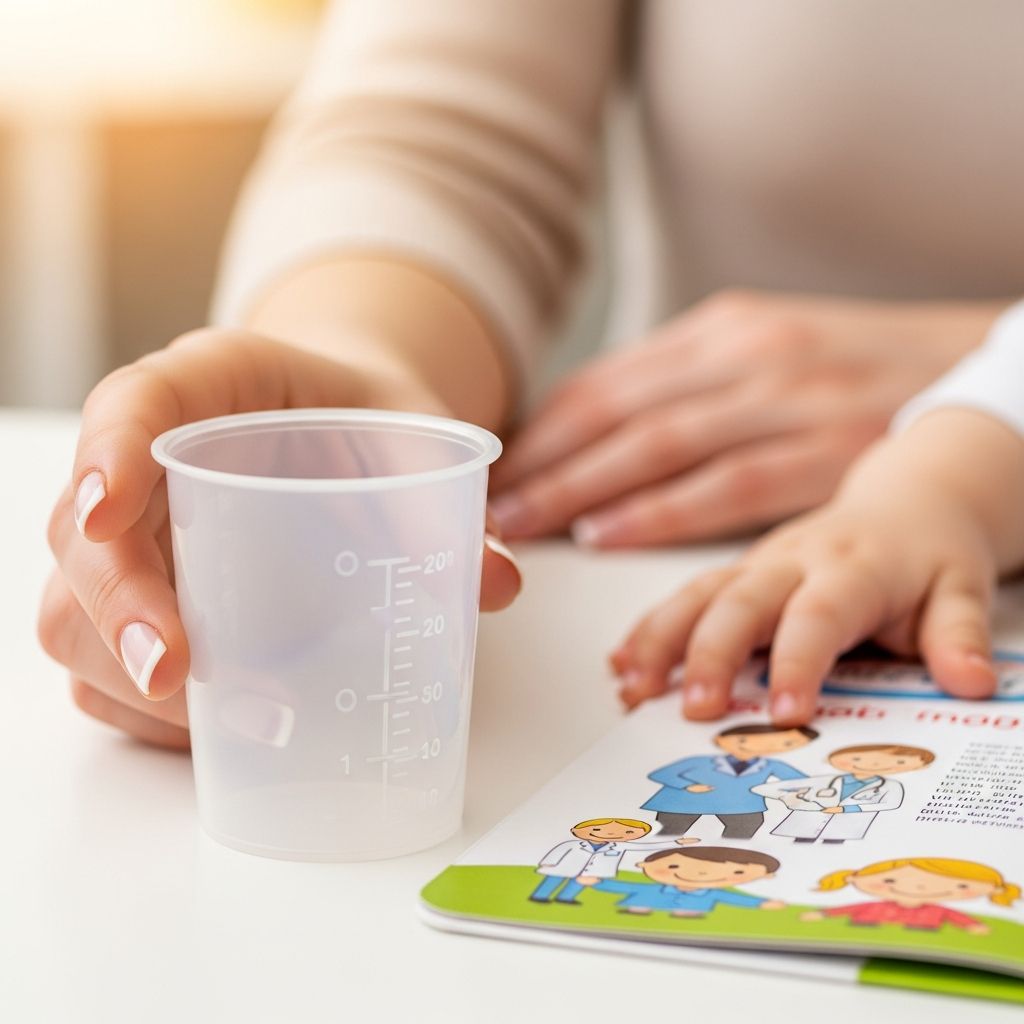
- Prepare supplies: Sterile cup, antiseptic wipes, and instructions from the provider.
- Hygiene first: Wash hands thoroughly. For girls, clean labia from front to back; for boys, retract foreskin if uncircumcised and wipe the glans.
- Midstream collection: Urinate a small amount into the toilet, pause, then direct the next stream into the cup without touching skin. Fill halfway.
- Cap securely and label with name, date, and time.
Encourage fluids beforehand but avoid first-morning urine unless specified, as it may concentrate overnight.
Collecting Urine from Infants and Toddlers
Non-toilet-trained kids require adapted techniques. Patience is key, as success rates vary.
| Method | Best For | Pros | Cons |
|---|---|---|---|
| Bag Collection | Infants | Non-invasive; easy at home | High contamination risk for UTI tests |
| Cotton Balls in Diaper | Diapered babies | Simple; minimal supplies | Small volume; extraction needed |
| Catheterization | Young infants | Sterile; reliable sample | Uncomfortable; requires professional |
| Suprapubic Aspiration (SPA) | Neonates | Gold standard cleanliness | Invasive; doctor-performed |
For bag method: Clean genital area, apply adhesive bag, check frequently, then transfer to sterile container promptly.
Specialized Collections: 24-Hour and First-Morning Samples
24-hour collections measure total daily output of substances like proteins or hormones. Start by discarding first void, then collect all urine for 24 hours in a refrigerated container. Note start/end times accurately.
First-morning urine provides concentrated sample for specific tests like pregnancy confirmation or hormone levels. Instruct child to void before bed and capture initial stream upon waking.
How Dipstick Tests Work and What They Reveal
Dipsticks are quick screening tools dipped into urine, changing colors to indicate:
- Leukocytes/Nitrites: Bacterial infection signs.
- Glucose/Protein: Diabetes or kidney strain.
- Blood/pH/Specific Gravity: Bleeding, acidity, or hydration status.
Follow kit instructions: Dip briefly, tap excess, read within seconds to avoid color bleed. Positive screens lead to lab confirmation.
Preparing Your Child Emotionally and Physically
Demystify the process: Use age-appropriate language like “We’ll catch your wee in a special cup to check if everything’s healthy.” Demonstrate if possible. For anxious kids, practice with water in a cup.
Timing matters—collect after 2-3 hours of bladder filling for adequacy. Hydrate moderately; excessive fluids dilute results.
Interpreting Results: What Parents Should Know
Normal urine is pale yellow, clear, with balanced pH (5-7). Key abnormalities:
- Positive culture: Bacteria growth confirms UTI; antibiotics follow.
- White blood cells: Inflammation indicator.
- Crystals or casts: Stone or kidney issue risk.
Discuss with pediatrician; false positives from contamination underscore clean collection.
Potential Challenges and Troubleshooting Tips
Common hurdles include shy bladder, active toddlers dislodging bags, or incomplete midstreams. Tips:
- Offer favorite drink post-cleaning.
- Distraction with toys/songs for infants.
- Multiple attempts acceptable; note on label.
- Seek clinic help for failures.
Sterility is paramount—discard contaminated samples.
Frequently Asked Questions (FAQs)
Q: How soon after collection should urine be tested?
A: Ideally within 1-2 hours at room temperature or refrigerate up to 24 hours. Label clearly.
Q: Is catheterization painful for babies?
A: Mild discomfort possible but brief; numbing gel often used. Necessary for accuracy.
Q: Can home remedies replace testing?
A: No—professional analysis essential for diagnosis. Cranberry products aid prevention, not cure.
Q: What if my child has dark urine without symptoms?
A: Dehydration likely; test checks concentration. Consult doctor for persistence.
Q: Are urine tests safe for repeated use?
A: Yes, non-invasive methods pose no risk. Monitor for UTIs in recurrent cases.
Maintaining Urinary Health in Kids
Prevent issues with hydration (6-8 cups water daily), prompt bathroom access, and hygiene (wipe front-to-back). Track symptoms in a journal for doctor visits. Regular check-ups catch silent problems early.
Empowering parents with knowledge reduces anxiety around tests, fostering proactive health management.
References
- Urine Test: Routine Culture — Dayton Children’s Hospital. 2023. https://childrensdayton.org/kidshealth/test-urine/
- Urine Dip Tests — Nationwide Children’s Hospital. 2024. https://www.nationwidechildrens.org/family-resources-education/health-wellness-and-safety-resources/helping-hands/urine-dip-tests
- Clean Catch Urine Sample — UCSF Benioff Children’s Hospitals. 2023. https://www.ucsfbenioffchildrens.org/medical-tests/clean-catch-urine-sample
- 24 Hour Urine Collection — Cincinnati Children’s Hospital. 2024. https://www.cincinnatichildrens.org/health/u/urine-collection-24-hour
- Urine Samples Fact Sheet — The Royal Children’s Hospital Melbourne. 2025. https://www.rch.org.au/kidsinfo/fact_sheets/Urine_samples/
- Preparing Your Child for a Urine Collection — Lurie Children’s Hospital. 2023. https://www.luriechildrens.org/en/appointments/preparing-your-child-for-a-urine-collection/