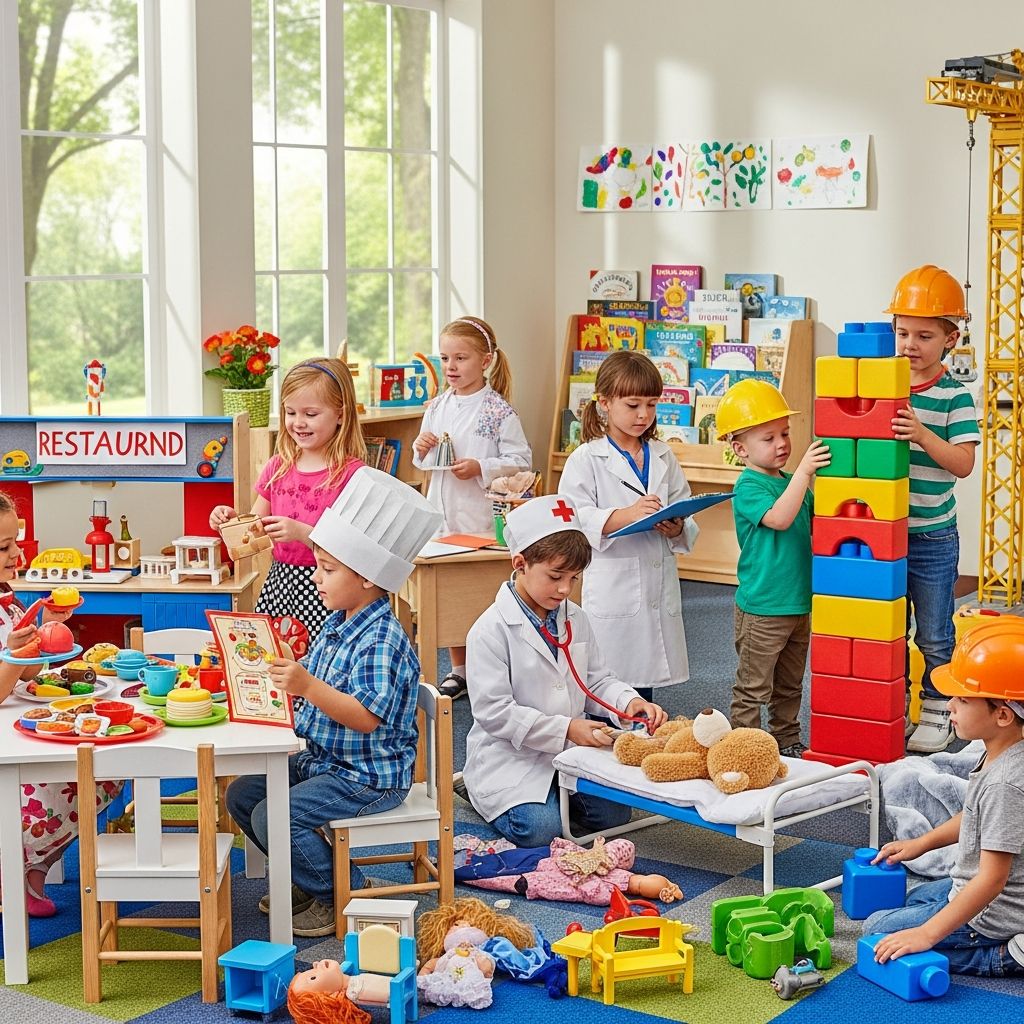
What you do with your child today has far more impact than any toy, app, or activity you could buy. The tone of your voice, the attention you give, and the choices you make in everyday moments quietly teach your child who they are and how relationships work. This article explores practical, peaceful ways to spend time together that strengthen connection, build emotional skills, and cultivate cooperation.
Why Ordinary Time Shapes Extraordinary Kids
Children learn the most about themselves and the world not in big, staged moments, but through countless everyday interactions. Your child is constantly asking, without words, “Do you see me? Do I matter? Am I safe with you?” How you respond, even when you are busy or tired, becomes the emotional foundation on which they build their sense of self.
Every time you pause to listen, to play, or to comfort, you send a powerful message: “You are worth my time.” Over months and years, these small choices accumulate into deep trust, easier cooperation, and a more peaceful home.
Core Principles for Peaceful Daily Parenting
Before thinking about activities, it helps to ground your day in several core principles. These principles can guide how you respond to your child in any situation, from getting dressed to handling a meltdown.
- Connection before correction: Respond to the feelings behind behavior first, and offer guidance once your child feels seen and safe.
- Respectful communication: Speak to your child with the same courtesy you would offer an adult you care about.
- Curiosity instead of judgment: Ask, “What might my child be needing right now?” instead of “What’s wrong with them?”
- Teaching over punishing: View misbehavior as an opportunity to teach skills, not a reason to shame or control.
- Presence over perfection: Your calm attention is more important than getting every response “right.”
Morning Routines: Starting the Day with Connection
Mornings often feel rushed, but even a few intentional choices can change the tone of the entire day. When children begin the day feeling loved and emotionally “filled up,” they are more likely to cooperate and handle challenges later.
- Greet your child warmly with eye contact, their name, and a gentle touch or hug.
- Build in a two-to-five-minute “snuggle or chat” time before getting out of bed or before breakfast.
- Offer limited choices, such as between two outfits or two breakfast options, to support autonomy while keeping the morning on track.
| Habit | What It Looks Like | Emotional Message to Your Child |
|---|---|---|
| Warm greeting | Smiling, saying their name, brief hug or playful connection | “I’m glad you’re here. You matter to me.” |
| Limited choices | “Do you want the blue shirt or the red one?” | “Your preferences are important and you can make decisions.” |
| Empathetic coaching | “It’s hard to get moving when you’re still sleepy. Let’s do it together.” | “Your feelings are valid and I’ll help you through them.” |
Transforming Everyday Tasks into Connection
Daily tasks like getting dressed, cleaning up, or cooking can feel like chores, but they are also rich opportunities for connection and learning. When you invite your child into these activities, you help them feel competent and valued rather than “in the way.”
- Getting dressed: Turn it into a game (races, silly songs, or pretending to be superheroes suiting up) rather than a power struggle.
- Household chores: Involve your child with age-appropriate jobs—wiping a table, sorting laundry by color, or matching socks.
- Meal preparation: Let them wash vegetables, tear lettuce, or stir ingredients while you talk about colors, textures, or where food comes from.
Playful Parenting: The Language Your Child Speaks Best
Play is your child’s primary way of understanding the world, processing emotions, and building social skills. When you enter into their play, you communicate, “Your inner world matters to me.” This is one of the most powerful forms of connection you can offer.
- Set aside daily “special playtime,” even 10–15 minutes, where your phone is away and your child leads the activity.
- Follow their ideas instead of directing or correcting—be the dinosaur, the patient, the race car, or the “student” in their pretend classroom.
- Use playful humor (silly voices, gentle chases, exaggerated mistakes) to diffuse tension and invite cooperation.
Simple Activity Ideas for Different Ages
You do not need elaborate crafts or expensive toys to create meaningful experiences. The most powerful activities are often simple, repeatable, and tuned to your child’s developmental stage.
| Age Range | Activity Ideas | Skills Nurtured |
|---|---|---|
| Toddlers (1–3) | Water play, stacking blocks, simple songs with movements | Sensory exploration, coordination, early language |
| Preschoolers (3–5) | Pretend play, hide-and-seek, simple board games, dress-up | Imagination, turn-taking, emotional expression |
| Early school-age (6–8) | Simple card games, building forts, joint drawing or story-making | Problem-solving, cooperation, creativity |
| Older children (9+) | Cooking together, bike rides, strategy games, shared hobbies | Responsibility, resilience, deeper conversation |
Supporting Big Feelings in Daily Life
One of the most meaningful things you can “do” with your child is simply to stay close when their emotions are big. Emotions that are met with presence and empathy become easier for children to understand and regulate; emotions that are dismissed or punished tend to come out later as bigger outbursts or withdrawal.
- Get on your child’s level physically—kneel or sit—so you feel less intimidating and more accessible.
- Name what you see: “You look really upset,” or “You’re disappointed because we have to leave.”
- Offer comfort first (a hug, a hand on their back, a calm tone) and problem-solve only when they have started to calm down.
Using Boundaries as Opportunities to Connect
Peaceful parenting is not permissive; it includes clear, firm limits delivered with warmth. How you hold boundaries can either create distance and resentment or build trust and respect. Children feel safest when adults are both kind and confident.
- State limits simply and calmly: “It’s not safe to hit. I won’t let you hurt your brother.”
- Acknowledge feelings while holding the line: “You’re mad and you really want that toy. It’s still not okay to throw it.”
- Offer acceptable alternatives: “You can stomp on the floor or squeeze this pillow when you feel that angry.”
Making Technology Use More Intentional
Screens can quickly consume the time and attention you planned to give your child. Rather than banning technology, aim to use it thoughtfully, as one tool among many. What matters most is your presence, not constant entertainment.
- Establish clear, predictable screen-time routines that your child can understand and anticipate.
- Whenever possible, co-view and discuss what you watch together rather than leaving your child alone with content.
- Balance screen time with movement, outdoor play, and unstructured imaginative time.
Connecting in Short, Busy Moments
Many parents feel guilty if they cannot spend hours of focused time with their child every day. The reality is that short, frequent moments of genuine connection can be just as powerful as longer blocks of time. Think of these moments as emotional “micro-deposits” in your child’s relationship bank.
- Use transitions—car rides, walking to school, bedtime—as natural opportunities for conversation and affection.
- Offer small rituals: a special handshake, a goodbye phrase, or a bedtime question you always ask.
- When you reconnect after work or school, take a few minutes to listen without multitasking before diving into tasks.
Building Daily Rituals that Anchor Your Child
Rituals provide structure, predictability, and something for your child to look forward to. They act like emotional anchors in the flow of the day, reassuring children that even when things are hard, some parts of life stay steady and safe.
- Morning ritual: A brief cuddle, shared joke, or song before the day begins.
- Mealtime ritual: A gratitude moment where each person shares something from their day.
- Bedtime ritual: The same sequence each night—bath, story, chat, and hug—done predictably and calmly.
What to Do on Especially Hard Days
There will be days when everyone is tired, overwhelmed, or short-tempered. On those days, your goal is not to be perfect, but to protect the relationship as best you can. Lean into simplification, connection, and repair.
- Simplify plans: It is okay to lower expectations, serve a simple meal, or cancel a non-essential outing.
- Choose connection over conflict: If you must let some mess or minor misbehavior go in order to prevent a meltdown, that can be a wise choice in the short term.
- Repair when needed: If you snap or yell, name it, apologize calmly, and reconnect. This models accountability and emotional honesty.
Frequently Asked Questions
How much one-on-one time does my child really need?
There is no single “right” amount of time, but many families find that 10–20 minutes of fully focused one-on-one time per child most days makes a noticeable difference in behavior and connection. Quality of attention matters more than sheer quantity. Even on busy days, brief, warm check-ins sprinkled throughout can be very powerful.
What if my child just wants screens or toys instead of connection?
Children often reach for screens or toys because they are stimulating and predictable. Rather than fighting those preferences head-on, gradually create alternatives that are also enjoyable: playful games, shared stories, or special activities you only do together. Over time, as your child feels how good it is to have your attention, they typically become more open to non-screen connection.
Can I practice peaceful parenting and still use consequences?
Yes. Peaceful parenting focuses on using respectful, logical, and natural consequences instead of punishment or humiliation. The goal is to teach rather than to make a child feel afraid or ashamed. For example, if a child spills on purpose, having them help clean up is a logical consequence that builds responsibility without hostility.
What if I didn’t grow up with this kind of parenting?
Many adults are trying to parent differently from what they experienced, and that can feel uncomfortable at first. You may find old habits, like yelling or withdrawing, creeping in. Notice them with compassion, take breaks when you need them, and practice small changes over time. Your willingness to grow is already a powerful gift to your child.
How do I balance my own needs with my child’s needs?
Peaceful parenting is not about self-sacrifice; it is about creating a family environment where everyone’s needs matter, including yours. Prioritizing your rest, mental health, and support system helps you show up as the calmer, more present parent you want to be. When you care for yourself, you are also modeling healthy boundaries and self-respect for your child.
Final Thoughts: What You Do Today Counts
You do not need perfect words, elaborate plans, or endless patience to make today meaningful with your child. What matters most is the intention to connect, the willingness to see the world through their eyes, and the courage to repair when things go wrong. Every story you read, feeling you validate, limit you hold with kindness, and moment you choose presence over distraction quietly shapes the adult your child will become.
When you look back years from now, it is unlikely you will remember the exact snacks, outfits, or chores from these days. What you and your child will remember is how it felt to be together—seen, heard, and loved. That is the real work you are doing with your child today.