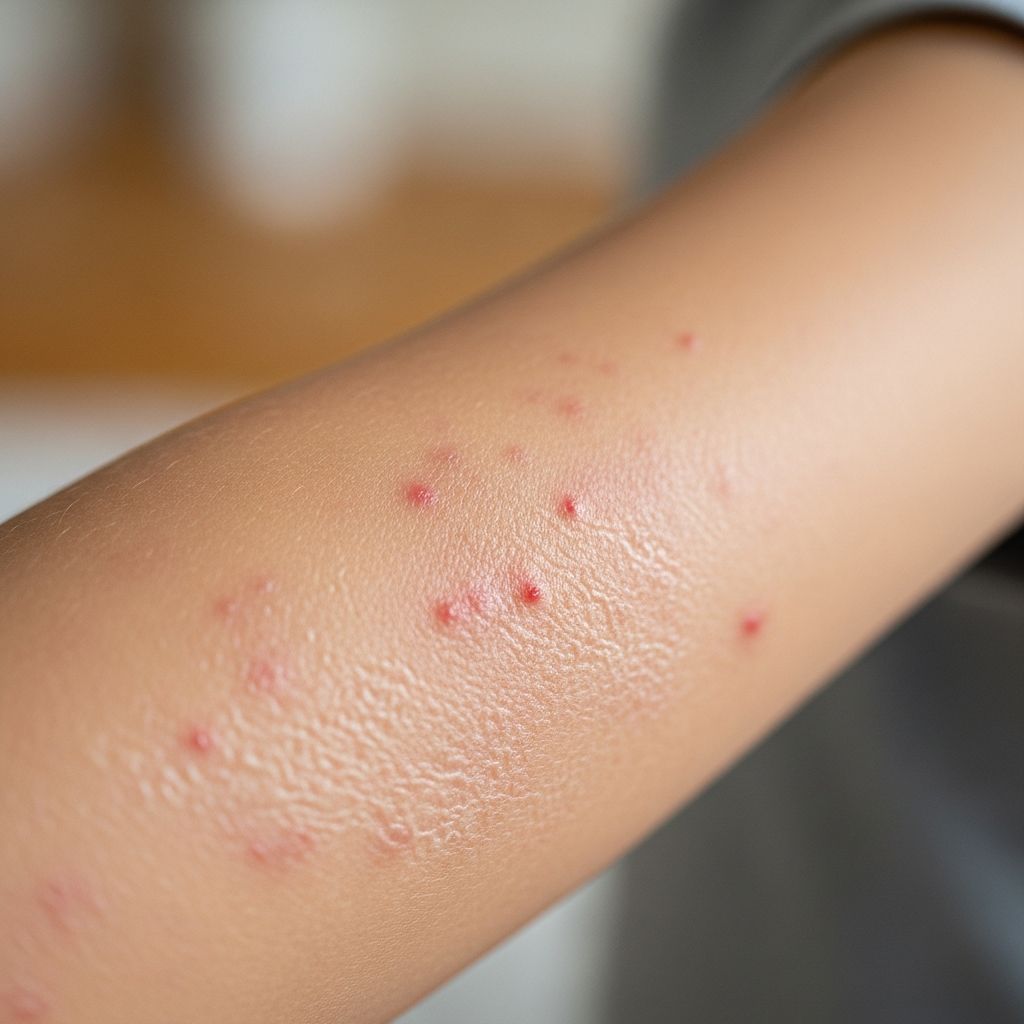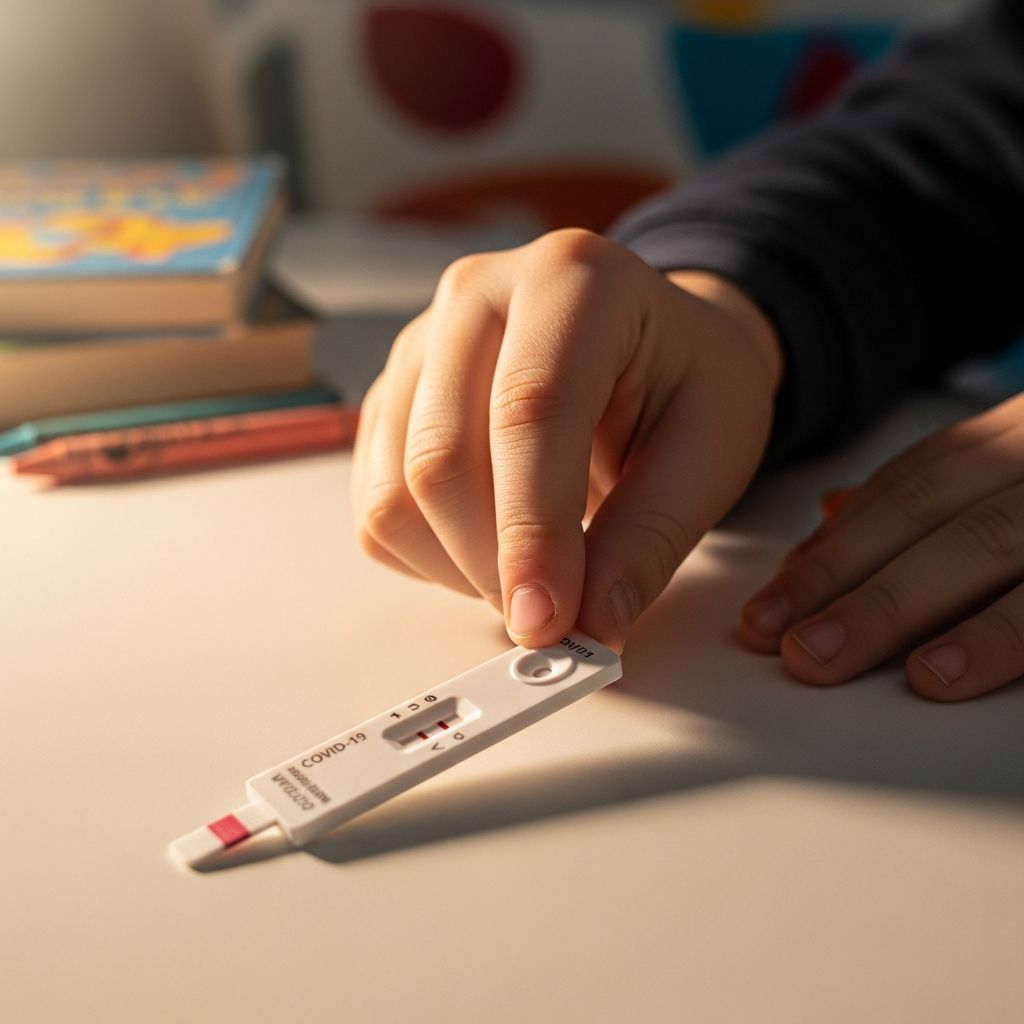
Children infected with SARS-CoV-2, particularly the Omicron variant, often test positive on PCR tests for extended periods, but their actual infectiousness is typically short-lived. Research indicates a median infectious period of just three days after a positive test, challenging rigid isolation protocols.
Understanding Viral Shedding in Pediatric COVID-19 Cases
Viral shedding refers to the release of virus particles from an infected person, which can be detected via tests even after the individual is no longer contagious. In children, PCR tests frequently remain positive for weeks due to detecting viral RNA fragments rather than live virus.
Key distinctions exist between PCR positivity, antigen test results, and true infectivity measured by culturable virus in lab settings. PCR tests are highly sensitive, picking up non-infectious remnants, while infectivity requires viable virus capable of replicating in cells.
Key Findings from Recent Pediatric Studies
Multiple studies during the Omicron wave provide robust data on children’s COVID-19 dynamics:
- A USC Schaeffer Center and Stanford study of 76 Los Angeles children aged 7-18 found median infectivity of 3 days post-positive test. Only 18.4% were infectious on day 5, dropping to 3.9% by day 10.
- A Toronto study of 101 children showed 40% still infectious the day after symptoms resolved, with median non-infectious threshold at 5 days post-symptom onset. By day 7, 75% were non-infectious.
- JAMA Pediatrics analysis confirmed 3-day median infectivity, with no link to vaccination status; 18.7% infectious on day 5.
- Earlier UK data noted median illness duration of 6 days, with few cases exceeding 4 weeks.
These results highlight that while PCR positivity persists, contagiousness wanes quickly in kids.
How Long Do Children Actually Remain Contagious?
Contagiousness peaks early and declines rapidly. In the USC study, nasal swabs from home visits over 10 days used cytopathic effect (CPE) assays—gold standard for infectivity—to detect cell-killing virus. Median was 3 days, unaffected by vaccines or boosters.
| Day Post-Positive Test | % Children Infectious (USC Study) | % Non-Infectious (Toronto Study) |
|---|---|---|
| Day 3 | 50% (median) | – |
| Day 5 | 18.4% | ~40% still infectious post-symptoms |
| Day 7 | <10% | 75% |
| Day 10 | 3.9% | 90% |
This table summarizes infectivity trajectories, showing most kids pose low transmission risk after 5 days.
PCR Positivity vs. Infectiousness: Why the Disconnect?
PCR tests detect viral genetic material, not viability. Kids can test positive for 2-4 weeks post-infection because dead virus fragments linger in nasal passages.
Rapid antigen tests (RATs) are less sensitive early on. In the Toronto cohort, RAT positivity was only 67% at symptom onset despite confirmed infection, and 61% positive when non-infectious threshold met.
Implication: Negative RATs don’t rule out infection; reliance on them for school clearance risks missing cases.
Factors Influencing Duration in Children
Several variables were examined:
- Vaccination Status: No impact on shedding duration; medians identical at 3 days for vaccinated/unvaccinated.
- Age: Similar patterns across 0-18 years, though younger kids may asymptomatically shed.
- Variant: Omicron shorter shedding (3-5 days) vs. Delta (longer).
- Symptoms: Median resolution 6 days; 40% infectious post-resolution.
Demographics like race/ethnicity showed no strong associations in controlled analyses.
Implications for School and Isolation Policies
Five-day isolation exceeds median infectivity, deemed sufficient as >80% non-infectious by then. Authors suggest shorter durations possible without spiking transmission.
However, Toronto data urges caution: up to 10% infectious at day 10, especially around vulnerable groups. Policies should balance risk.
No need to differentiate by vaccine status for return-to-school, simplifying guidelines.
Symptom Patterns and Long COVID in Kids
Most pediatric cases mild; median illness 6 days (IQR 3-11). Only 1.8% had symptoms ≥56 days, with decreasing burden over time.
Persistent symptoms occurred in negative-tested kids too, suggesting multifactorial causes. Holistic management recommended.
Young kids (<4) rarely severely ill despite high seroprevalence (>90%), hinting innate immune protections.
Testing Strategies for Families and Schools
- Use serial testing: RATs better for late-stage clearance.
- Monitor symptoms over tests alone.
- Masking Day 6+ prudent for residual risk.
Families should isolate based on infectivity data, not prolonged PCRs.
Frequently Asked Questions
When can my child return to school after testing positive for COVID-19?
Most guidelines allow return after 5 days if symptoms improve and fever-free 24 hours, regardless of test. Evidence supports this as low risk.
Does vaccination shorten contagious period in kids?
No, studies show identical 3-day median for vaccinated and unvaccinated children.
Why do kids test positive for weeks but not spread it?
PCR detects RNA fragments; infectivity requires live virus, gone after ~3 days.
Are rapid tests reliable for kids with COVID-19?
Not fully; often negative early despite infection, positive when non-infectious.
How common is prolonged shedding in children?
Rare: <5% infectious past day 10; symptoms resolve by 8 weeks in nearly all.
Broader Public Health Considerations
As variants evolve, pediatric data informs flexible policies. Short isolation aids education continuity while protecting high-risk. Ongoing surveillance essential.
Parents: Focus on symptom monitoring, ventilation, hygiene over test fixation.
References
- How Long Should Kids Isolate After They’ve Contracted COVID-19? — USC Schaeffer Center. 2023-04-12. https://schaeffer.usc.edu/research/covid-children-contagious-infection-days-school/
- COVID study: 40% of children still infectious after symptom resolution — CIDRAP/University of Minnesota. 2023-06-27. https://www.cidrap.umn.edu/covid-19/covid-study-40-children-still-infectious-after-symptom-resolution
- Duration of SARS-CoV-2 Culturable Virus Shedding in Children — JAMA Pediatrics. 2023-10-23. https://jamanetwork.com/journals/jamapediatrics/fullarticle/2810939
- Illness duration and symptom profile in symptomatic UK school-aged children — PMC/NCBI (The Lancet Child & Adolescent Health). 2021-09-21. https://pmc.ncbi.nlm.nih.gov/articles/PMC8443448/
- Research findings could explain why young kids rarely get very sick from COVID — Stanford Medicine. 2023-10-17. https://med.stanford.edu/news/all-news/2023/10/children-covid.html