Malaria is a serious infection caused by parasites that are passed to people through the bite of an infected Anopheles mosquito. It can make children very sick very quickly, but with fast diagnosis, proper treatment, and smart prevention, most kids recover fully.
Why Malaria Matters for Families
Malaria remains one of the most important infectious diseases worldwide, especially in parts of Africa, Asia, and Latin America. Young children are at higher risk of severe illness and death because their immune systems are still developing.
- Common in: tropical and subtropical regions where Anopheles mosquitoes live
- Highest risk: children under 5, pregnant women, and people with weak immune systems
- Outcome: curable with proper medicines, but can be life-threatening if treatment is delayed
How Malaria Spreads
Malaria is not spread from person to person like a cold. Instead, it depends on mosquitoes and parasites.
- An infected Anopheles mosquito bites a person and injects Plasmodium parasites into the bloodstream.
- The parasites travel to the liver, multiply, and later re-enter the blood, infecting red blood cells.
- When another mosquito bites that person, it can pick up the parasites and pass them on to someone else.
Five main Plasmodium species infect humans. P. falciparum is the most dangerous and is the leading cause of severe malaria and deaths, especially in children.
| Parasite | Severity | Key Notes |
|---|---|---|
| P. falciparum | Often severe | Most common in Africa; can rapidly lead to severe disease and death. |
| P. vivax | Usually less severe | Can form dormant liver stages that cause relapses months later. |
| P. ovale | Usually less severe | Also capable of dormancy in the liver and later relapses. |
| P. malariae | Milder, chronic | Can cause long-lasting low-level infections. |
| P. knowlesi | Can be severe | Found mainly in parts of Southeast Asia; can progress quickly. |
Who Is Most at Risk?
Any child in or traveling to a malaria-endemic area can be infected, but some are more vulnerable.
- Children under age 5
- Newborns and infants who have never been exposed to malaria before
- Kids with chronic illnesses or weakened immune systems
- Children visiting family or traveling from countries where malaria is rare (they lack natural partial immunity)
Early Warning Signs Parents Should Watch For
Malaria usually appears 7–30 days after a bite from an infected mosquito, but symptoms can sometimes appear earlier or much later, depending on the parasite and any preventive medicines taken.
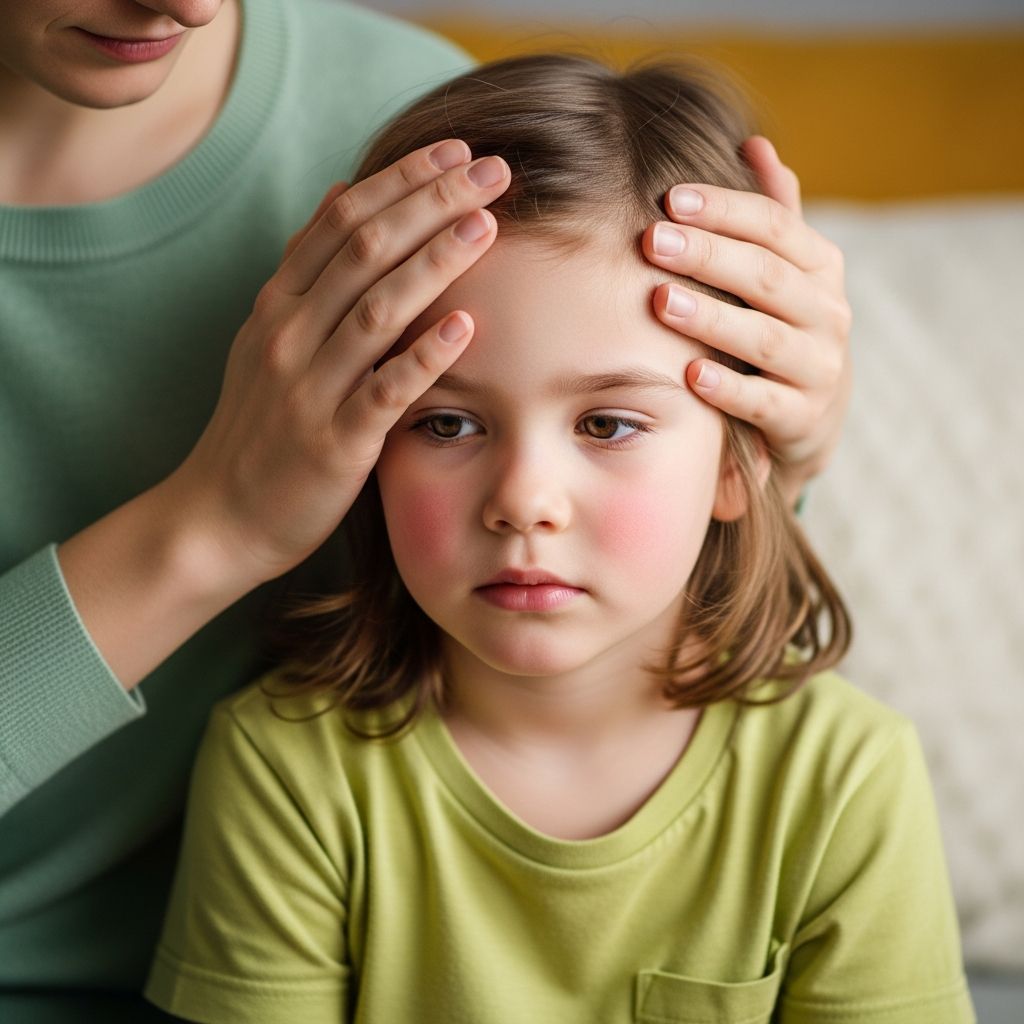
Early symptoms in children can look a lot like the flu or a common viral infection.
- Fever, which may be high or come and go
- Chills and shivering
- Headache
- Feeling very tired or weak
- Loss of appetite, nausea, or vomiting
- Muscle or joint pain
Because these signs are not specific, any child with fever and a recent stay in or travel to a malaria area should be checked for malaria as soon as possible.
Signs of Severe Malaria: An Emergency
Sometimes malaria becomes severe and threatens a child’s life. This can develop within hours, especially with P. falciparum infection. Seek emergency care immediately if a child with possible malaria has any of the following:
- Confusion, extreme sleepiness, or loss of consciousness
- Repeated seizures
- Rapid or difficult breathing
- Very pale skin or lips (possible severe anemia)
- Inability to drink, breastfeed, or keep fluids down
- Dark or very little urine
- Yellowing of the skin or eyes (jaundice)
These signs can indicate complications such as cerebral malaria, severe anemia, breathing problems, or organ failure, all of which require intensive hospital treatment.
How Doctors Diagnose Malaria
Diagnosis is based on both symptoms and laboratory testing.
- History and exam: Doctors ask about recent travel, mosquito exposure, and timing of fevers, then examine the child for signs of anemia, dehydration, or breathing trouble.
- Blood smear microscopy: A drop of the child’s blood is spread on a slide, stained, and examined under a microscope to look for malaria parasites and estimate how many red blood cells are infected.
- Rapid diagnostic tests (RDTs): These are “dipstick” or cassette tests that can detect malaria antigens in a few minutes and are especially useful where microscopy is not available.
- Additional blood tests: Doctors may check for anemia, low platelets, kidney and liver function, and blood sugar levels in seriously ill children.
Prompt and accurate diagnosis helps doctors choose the right medicine and prevent severe complications.
Treatment: How Malaria Is Managed in Children
Malaria is treated with medicines known as antimalarial drugs. These medicines kill the parasites in the bloodstream and, if necessary, in the liver. The exact treatment depends on several factors:
- Which Plasmodium species is causing the infection
- Whether the illness is mild or severe
- Where the infection was acquired (to account for drug resistance patterns)
- The child’s age, weight, and other health problems
Treating Uncomplicated Malaria
For children who are not severely ill and can take oral medicines, doctors usually prescribe:
- Artemisinin-based combination therapy (ACT): Recommended by the World Health Organization as the first-line treatment for most uncomplicated P. falciparum infections.
- Chloroquine or similar drugs: Used in areas where the malaria parasite is still sensitive to this medicine, often for P. vivax, P. ovale, or P. malariae.
- Primaquine or tafenoquine: Added for P. vivax or P. ovale to clear dormant liver stages and prevent relapses (these are used carefully because of specific safety checks).
When taken correctly and started early, these treatments usually clear the infection and symptoms within a few days.
Treating Severe Malaria
Children with severe malaria need urgent hospital care.
- Intravenous (IV) or injectable antimalarials: Medicines such as artesunate are given directly into a vein or muscle to act quickly.
- Supportive care: This may include oxygen, fluids, blood transfusions for severe anemia, treatment for seizures, and close monitoring in an intensive care unit.
- Step-down oral therapy: Once the child improves and can swallow, treatment is finished with oral antimalarial medicines to fully clear the infection.
Possible Complications in Children
Without timely treatment, malaria can lead to serious problems.
- Cerebral malaria: Infection affects the brain, causing coma, seizures, and brain swelling, and can be fatal or leave long-term neurological issues.
- Severe anemia: Parasites destroy red blood cells faster than the body can replace them, leading to extreme tiredness, pale skin, and shortness of breath.
- Breathing difficulties and lung fluid (pulmonary edema): The lungs may fill with fluid, making it hard for the child to breathe.
- Organ failure: The infection can damage the kidneys, liver, and spleen.
- Low blood sugar and metabolic acidosis: Life-threatening conditions that require emergency correction in hospital.
Protecting Your Child: Prevention Strategies
Preventing mosquito bites and using preventive medicines where appropriate are the most effective ways to protect children from malaria.
Reducing Mosquito Bites
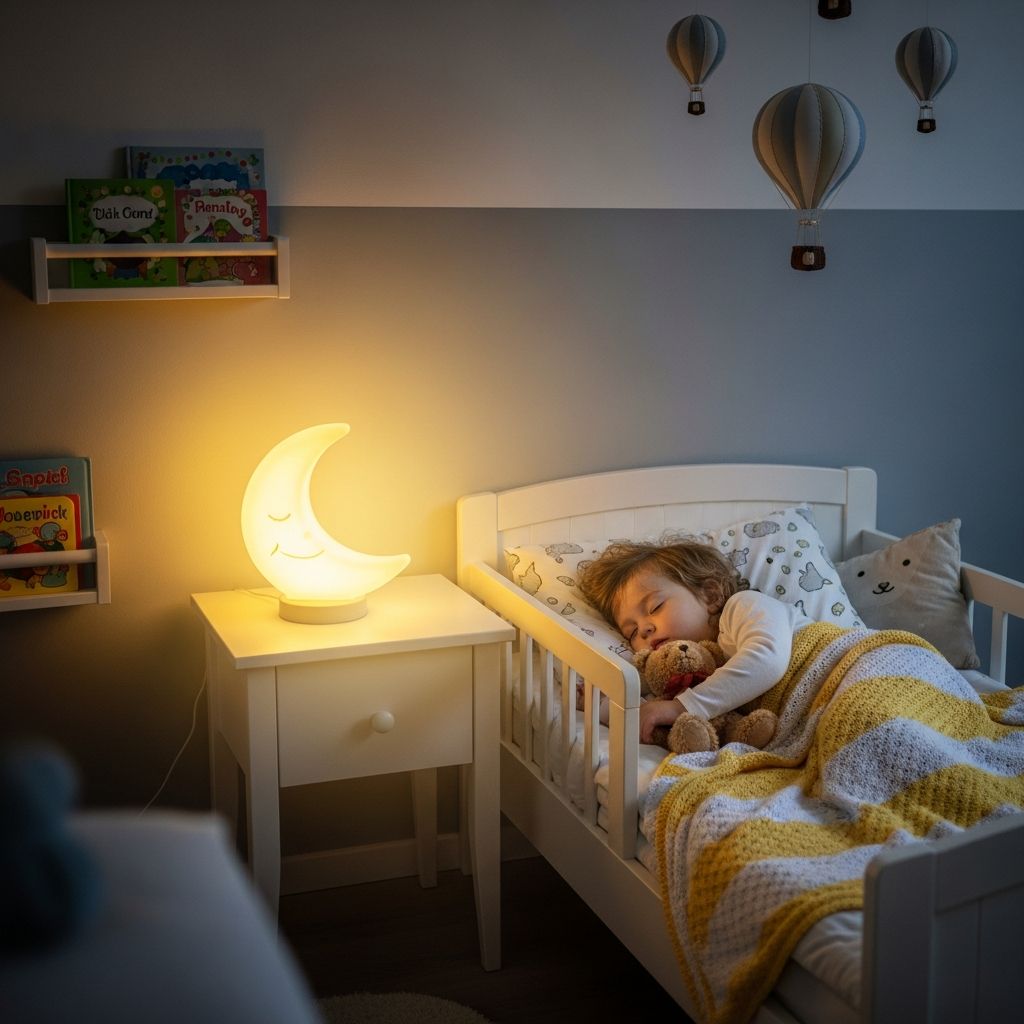
- Use insecticide-treated bed nets: Sleeping under long-lasting insecticidal nets dramatically lowers the risk of malaria in children.
- Install screens and close doors/windows at night: Keep mosquitoes outside whenever possible.
- Apply child-safe insect repellent: Use products appropriate for your child’s age, following label directions carefully.
- Dress children in protective clothing: Long sleeves and long pants, especially in the evening and at night.
- Reduce standing water: Empty containers and clear areas where water collects, such as old tires or buckets, to limit mosquito breeding sites.
Medicines to Prevent Malaria (Chemoprophylaxis)
For families traveling from low-risk to high-risk areas, doctors may prescribe preventive antimalarial medicines for children. The type and dose depend on:
- Destination and local drug resistance patterns
- Length of stay
- Child’s age, weight, and health conditions
Preventive medicines do not replace mosquito avoidance. Children taking prophylaxis must still use nets, repellents, and other protective measures.
What Parents Can Do Day-to-Day
Whether you live in a malaria area or are visiting one, there are practical steps to keep your child safer.
- Know if malaria is common where you are going and ask a health professional about prevention before you travel.
- Pack and use insecticide-treated bed nets if they may not be available at your destination.
- Carry appropriate insect repellent and child-safe long-sleeved clothing.
- Watch for fever daily in children during and after travel to risk areas.
- Seek medical care immediately if a child develops fever, chills, or flu-like symptoms after being in a malaria region—up to a year after travel.
Living in Malaria-Endemic Areas
For families who live where malaria is common, prevention is an everyday effort.
- Make bed net use a nightly habit for the whole family.
- Support local spraying campaigns and community mosquito control activities.
- Ensure children receive prompt care for any fever at clinics equipped to test for malaria.
- Learn about community programs providing free or subsidized nets and treatment.
Frequently Asked Questions (FAQs)
Can my child get malaria more than once?
Yes. Having malaria once does not give complete lifelong protection. Children in high-transmission areas may have repeated infections, although over time they may develop partial immunity that reduces the severity of illness.
How long after travel should I worry about malaria?
Most malaria symptoms start within a month after an infectious bite, but some types, especially P. vivax and P. ovale, can cause illness many months after travel. Any unexplained fever after visiting a malaria area should be checked by a doctor and travel history clearly mentioned.
Is there a vaccine to protect children from malaria?
The World Health Organization has recommended use of a malaria vaccine (such as RTS,S/AS01) in some African regions with high transmission, mainly for young children, as part of broader malaria control efforts. However, vaccines do not replace bed nets, repellents, or other preventive measures and are not yet widely available everywhere.
Should I treat my child at home if I suspect malaria?
Parents should not attempt to diagnose or fully treat malaria at home. A child with possible malaria needs proper testing and prescription medicines from a qualified health professional. Home treatment can delay correct care and increase the risk of severe disease.
How quickly will my child feel better after starting treatment?
Many children start to feel better within 24–48 hours of starting effective antimalarial medicines, although full recovery may take several days. It is critical to complete the entire course of medicine even if symptoms improve earlier, to fully clear the parasites and reduce the risk of recurrence or drug resistance.
References
- Malaria — World Health Organization. 2023-03-30. https://www.who.int/news-room/fact-sheets/detail/malaria
- About Malaria — Centers for Disease Control and Prevention (CDC). 2024-02-12. https://www.cdc.gov/malaria/about/index.html
- Malaria: Symptoms, diagnosis, treatment, and prevention — MedicalNewsToday. 2023-06-05. https://www.medicalnewstoday.com/articles/150670
- Malaria — StatPearls, NCBI Bookshelf. 2023-08-21. https://www.ncbi.nlm.nih.gov/books/NBK551711/
- Malaria: Causes, Symptoms, Diagnosis, Treatment & Prevention — Cleveland Clinic. 2022-10-01. https://my.clevelandclinic.org/health/diseases/15014-malaria
- Malaria — World Health Organization (Global Malaria Programme). 2022-12-08. https://www.who.int/teams/global-malaria-programme