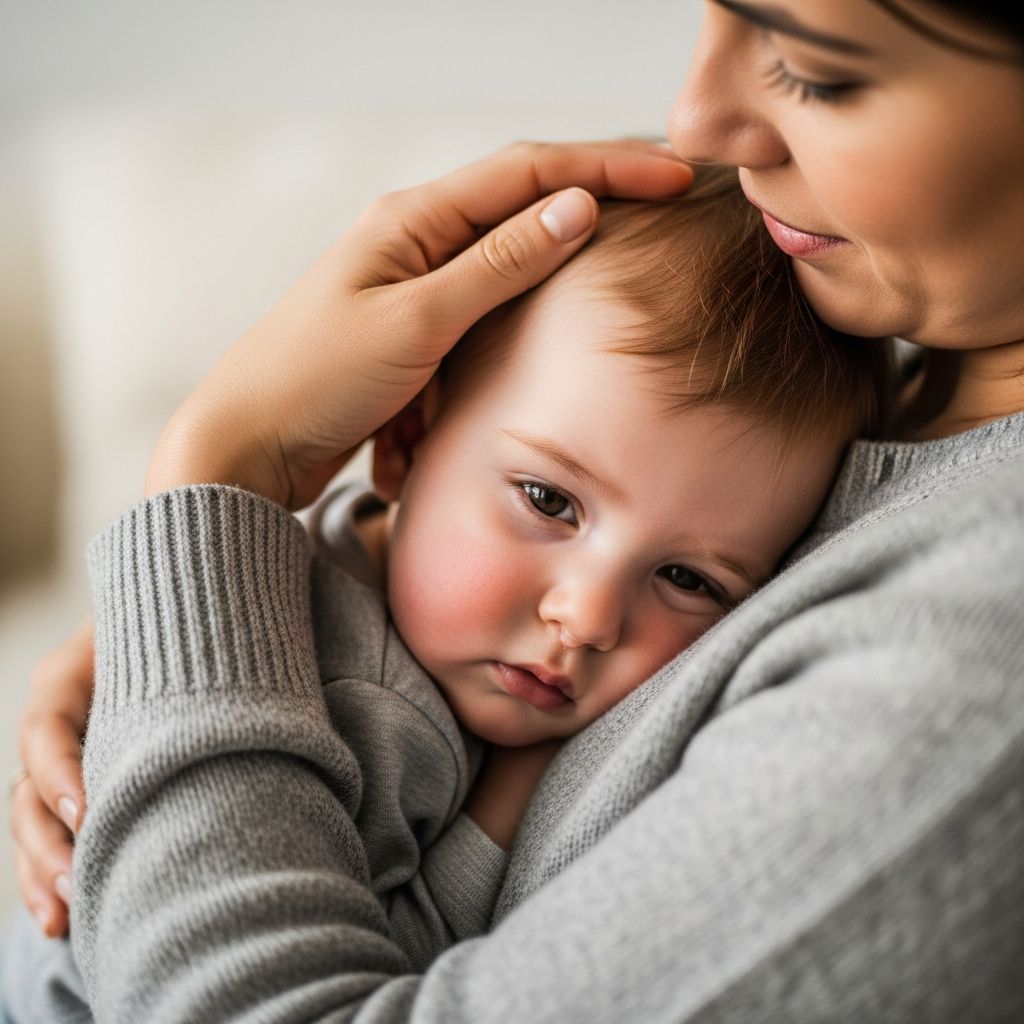
Bronchiolitis is a common lung infection that mainly affects babies and toddlers, especially during the colder months. It can be frightening to watch a little one struggle with coughing and breathing, but understanding the illness helps parents respond quickly and calmly.
This guide explains what bronchiolitis is, what signs to watch for, how doctors diagnose and treat it, and how to care for your child at home while knowing when it is time to seek urgent medical help.
What Is Bronchiolitis?
Bronchiolitis is an infection of the small airways in the lungs, called bronchioles. When these tiny tubes become swollen and filled with mucus, air has a harder time moving in and out, which makes breathing more difficult for young children.
The condition most often affects children under 2 years old. Because babies have very small airways, even a small amount of swelling or mucus can make a big difference in how easily they can breathe.
How Bronchiolitis Differs from a Cold or Asthma
Bronchiolitis can start out looking like an ordinary cold, but it involves the lower parts of the lungs and can cause more serious breathing problems. Parents often confuse it with a bad cold or early asthma, so it is helpful to understand the differences.
| Feature | Bronchiolitis | Common Cold | Asthma (in young kids) |
|---|---|---|---|
| Where it mainly affects | Small airways deep in the lungs (bronchioles) | Nose, throat, and upper airways | Medium and small airways in the lungs |
| Typical age | Mostly under 2 years | All ages | Can start in early childhood, often recurrent |
| Key symptoms | Cough, fast breathing, wheeze, feeding difficulty | Runny nose, mild cough, low fever | Recurrent wheeze, shortness of breath, chest tightness |
| Course of illness | Single episode that worsens over a few days then slowly improves | Usually mild and short-lived | Tends to come and go in episodes (flare-ups) |
Main Causes and Risk Factors
Bronchiolitis is usually caused by a virus. The most well-known virus is respiratory syncytial virus (RSV), but other common cold and flu viruses can trigger it as well. These germs spread through droplets from coughing, sneezing, talking, or touching contaminated surfaces and then touching the face.
Common viruses that can lead to bronchiolitis
- Respiratory syncytial virus (RSV)
- Rhinovirus (a common cold virus)
- Influenza (flu) viruses
- Parainfluenza viruses
- Other respiratory viruses that circulate seasonally
Children at higher risk of severe bronchiolitis
- Premature babies
- Infants younger than 3 months
- Children with chronic lung disease
- Children with heart conditions
- Children with weakened immune systems
- Babies exposed to tobacco smoke
- Children in group care settings, such as daycare
How Bronchiolitis Usually Develops
Bronchiolitis often begins like a mild cold and then progresses over several days. Parents may notice a pattern as the infection moves from the upper airways to the lower lungs.
Typical timeline of symptoms
- Days 1–2: Runny or stuffy nose, sneezing, mild cough, and possibly a low-grade fever.
- Days 3–5: Cough becomes more frequent, breathing may become faster or noisier, and feeding may become more difficult.
- Days 5–7: Breathing may remain labored but should start to level off; some children peak in severity earlier or later.
- After 1–2 weeks: Most symptoms improve, but a cough can linger for several weeks.
Each child is different. Some only have mild symptoms, while others may develop significant breathing trouble and need hospital care.
Signs and Symptoms Parents Should Watch For
Knowing what is typical and what is worrisome can help parents decide when to monitor at home and when to seek medical attention.
Common, mild symptoms
- Stuffy or runny nose
- Mild to moderate cough
- Low to moderate fever
- Mildly noisy or wheezy breathing during a cold
- Slightly reduced feeding but still having wet diapers
Symptoms that may suggest breathing is becoming harder
- Breathing faster than usual over a sustained period
- Working harder to breathe (chest or ribs pulling in with each breath)
- Flaring of the nostrils
- Grunting or whistling sounds with breathing
- Trouble feeding: pulling away from the breast or bottle to breathe
- More sleepy or cranky than normal
Emergency warning signs: call for urgent help
- Pauses in breathing or very irregular breathing
- Blue, gray, or very pale lips, tongue, or face
- Extreme difficulty breathing: gasping, unable to speak or cry normally
- Very limp, floppy, or unresponsive baby
- No wet diaper for many hours, suggesting severe dehydration
If any emergency signs appear, seek emergency medical care immediately. Breathing problems in small children can worsen quickly.
How Doctors Diagnose Bronchiolitis
In many cases, doctors can diagnose bronchiolitis based on the child’s age, symptoms, and physical exam alone. The focus is on assessing how well the child is breathing and whether extra support is needed.
What usually happens at the visit
- The doctor asks about recent symptoms, feeding, diapers, and sleep.
- The child’s temperature, breathing rate, and heart rate are checked.
- The doctor listens to the lungs with a stethoscope for wheezing, crackling sounds, or reduced air movement.
- The color of the skin, lips, and nail beds is checked to look for signs of low oxygen.
Tests that may be used
- Pulse oximetry: A small sensor placed on a finger or toe to measure blood oxygen levels.
- Viral tests: A swab from the nose or throat, in some cases, to look for common viruses such as RSV or influenza.
- Chest X-ray: Occasionally used if the doctor is concerned about pneumonia or another condition.
Not every child with bronchiolitis needs blood tests, X-rays, or viral tests. The decision depends on how sick the child appears and whether the results would change the treatment plan.
Treatment: What Helps and What Does Not
Because bronchiolitis is usually caused by a virus, antibiotics do not cure it. Treatment focuses on supporting the child’s breathing and hydration while the illness runs its course. Many cases can be safely managed at home with guidance from a health professional.
Treatments commonly recommended
- Keeping the child well hydrated with frequent feeds or small sips of fluids.
- Clearing nose mucus with saline drops or spray and a gentle suction bulb, especially before feeds.
- Using age-appropriate fever and pain relief medicine (such as acetaminophen or ibuprofen) only as directed by a doctor.
- Using cool-mist humidifiers to help moisten the air, if recommended.
Treatments that are often not helpful in routine bronchiolitis
- Antibiotics, unless there is a separate bacterial infection.
- Cough suppressants in young children, unless a doctor specifically advises them.
- Over-the-counter cold medications in infants and toddlers, which can be harmful.
- Unprescribed breathing treatments or leftover inhalers from other illnesses.
Some children with underlying conditions or more severe symptoms may receive inhaled medications or other therapies in a hospital setting, but these decisions are best left to the treating medical team.
When a Child Needs Hospital Care
Most children with bronchiolitis can be cared for at home, but some need to be monitored or treated in a hospital to keep them safe while they recover.
Reasons a doctor might recommend hospitalization
- Very low oxygen levels on monitoring.
- Persistent or severe breathing difficulty.
- Inability to drink enough fluids, leading to dehydration.
- Prematurity, heart disease, or chronic lung disease that makes breathing infections riskier.
- Very young age, especially in newborns or small infants.
Supportive care in the hospital may include
- Oxygen through small tubes in the nose.
- Fluids through a vein if the child cannot drink enough.
- Gentle suctioning of mucus from the nose and airways.
- Careful monitoring of breathing, heart rate, and oxygen levels.
Home Care Tips for Bronchiolitis
Caring for a sick baby can be exhausting and stressful. Small changes in the home environment can make breathing easier and help a child stay hydrated and comfortable.
Making breathing easier at home
- Hold the baby more upright during feeds and naps, if safe and recommended by your provider.
- Use saline nose drops or spray followed by gentle suction before feeds and sleep.
- Keep the room comfortably cool and not overly dry; consider a cool-mist humidifier if suggested by a health professional.
- Avoid tobacco smoke and strong odors, which can irritate the airways.
Keeping your child hydrated and nourished
- Offer smaller, more frequent feeds to reduce fatigue during feeding.
- Breastfeed or offer formula as often as the baby is willing.
- For older infants, offer small sips of water or an oral rehydration solution as recommended.
- Watch for signs of dehydration, such as fewer wet diapers, dry mouth, or extreme sleepiness.
Safe use of medicine at home
- Use only medications that your child’s doctor has recommended for age and weight.
- Measure liquid medicines with a syringe or marked dosing tool, not a kitchen spoon.
- Never give aspirin to children or share medicines between siblings.
How Long Does Bronchiolitis Last?
The intense phase of bronchiolitis usually lasts around a week, with the worst breathing symptoms often appearing between days three and five. Most children gradually improve after that, although cough and congestion may linger for several weeks.
Even after a child seems well again, the airways can remain sensitive. Some children may wheeze with future colds for a period of time. This does not always mean they will develop chronic asthma, but follow-up with a pediatrician can help track any recurring problems.
Possible Complications
Healthy children usually recover from bronchiolitis without long-term problems. However, certain complications can occur, especially in younger or high-risk infants.
Complications doctors watch for
- Dehydration from poor feeding and rapid breathing.
- Low oxygen levels that require supplemental oxygen.
- Pauses in breathing (apnea) in very young infants.
- Secondary infections such as ear infections or, less commonly, pneumonia.
If a doctor has expressed concerns about complications, follow recommended checkups closely and watch for any worsening symptoms at home.
Prevention: Reducing the Risk of Bronchiolitis
While it is impossible to avoid every virus, simple steps can lower the chances of bronchiolitis or reduce how severe it becomes. Families and caregivers can work together to protect the youngest and most vulnerable children.
Everyday prevention strategies
- Wash hands often with soap and water, especially before touching a baby.
- Use alcohol-based hand sanitizer when soap and water are not available.
- Keep sick adults and older children away from young infants when possible.
- Clean and disinfect frequently touched objects and surfaces, such as toys and doorknobs.
- Avoid sharing cups, utensils, or pacifiers between children.
- Do not expose children to tobacco smoke, which irritates the airways and increases infection risk.
Additional protective measures for high-risk babies
- Ask your child’s doctor about preventive treatments or vaccines that may be recommended for some high-risk infants.
- Limit the baby’s time in crowded indoor spaces during peak virus season, when possible.
- Encourage all household members and caregivers to stay up to date with recommended vaccines.
How Bronchiolitis Affects Families Emotionally
Watching a baby or toddler struggle to breathe can be frightening. Parents may feel guilty, helpless, or overwhelmed, even when they are doing everything right. Recognizing these feelings is important, and seeking support can help families cope.
Ways to manage stress as a caregiver
- Ask questions at medical appointments so you understand the plan of care.
- Share responsibilities with another trusted adult when possible, especially at night.
- Reach out to family, friends, or parent support groups for emotional support.
- Take short breaks to rest, eat, and care for your own health so you can better care for your child.
Frequently Asked Questions (FAQs)
1. Is bronchiolitis contagious?
Yes. Bronchiolitis is caused by viruses that spread easily through droplets from coughing, sneezing, and close contact. A child can become infected by breathing in droplets or by touching surfaces with virus particles and then touching their eyes, nose, or mouth. Good hand hygiene and limiting close contact with sick people can help reduce spread.
2. Can my child get bronchiolitis more than once?
Yes. Because many different viruses can cause bronchiolitis, a child may have it more than once, especially in the first two years of life. Some children also have more sensitive airways and may wheeze with several respiratory infections.
3. Does bronchiolitis mean my child will develop asthma?
Not necessarily. Some children who have bronchiolitis later develop asthma, but many do not. The relationship between bronchiolitis and future asthma is complex and depends on factors such as genetics, environment, allergies, and repeated airway inflammation.
4. When can my child return to daycare or school?
Policies vary, but in general, children can return when their fever has resolved, their breathing has improved, and they can comfortably participate in normal activities. They should also be able to feed reasonably well and not need constant suctioning or intensive care at home. Your child’s healthcare provider and daycare policies can help guide this decision.
5. Should I keep using the inhaler or nebulizer my older child uses for asthma?
Do not use prescription inhalers or nebulizer medications from another child without specific instructions from your baby’s doctor. The needs of infants with bronchiolitis are different from those of older children with asthma, and the wrong medication or dose could be unsafe.
6. How do I know if my baby is getting enough oxygen?
At home, parents can watch for signs such as the color of the lips and skin, how hard the child is working to breathe, and how alert they are. In a clinic or hospital, staff may use a small sensor to measure oxygen levels. If you ever notice blue or gray-tinged lips, extreme effort to breathe, or unusual sleepiness, seek urgent medical help.
7. Can I prevent bronchiolitis completely?
It is not possible to avoid all respiratory infections, especially in young children, but steps such as handwashing, avoiding smoke exposure, and keeping sick visitors away from babies can lower the risk. For high-risk infants, additional preventive measures may be available through a healthcare provider.
Key Takeaways for Parents
- Bronchiolitis is a common infection of the small airways in the lungs, usually caused by a virus.
- It often starts like a cold and then progresses to faster or more difficult breathing, especially in infants.
- Most cases can be managed at home with supportive care and close monitoring.
- Emergency care is needed if a child shows signs of severe breathing trouble, bluish lips or face, pauses in breathing, or extreme lethargy.
- Good hygiene, smoke-free environments, and following medical advice help protect young children and support recovery.
With knowledge and support, parents can navigate bronchiolitis more confidently, helping their children stay safe and recover as comfortably as possible.