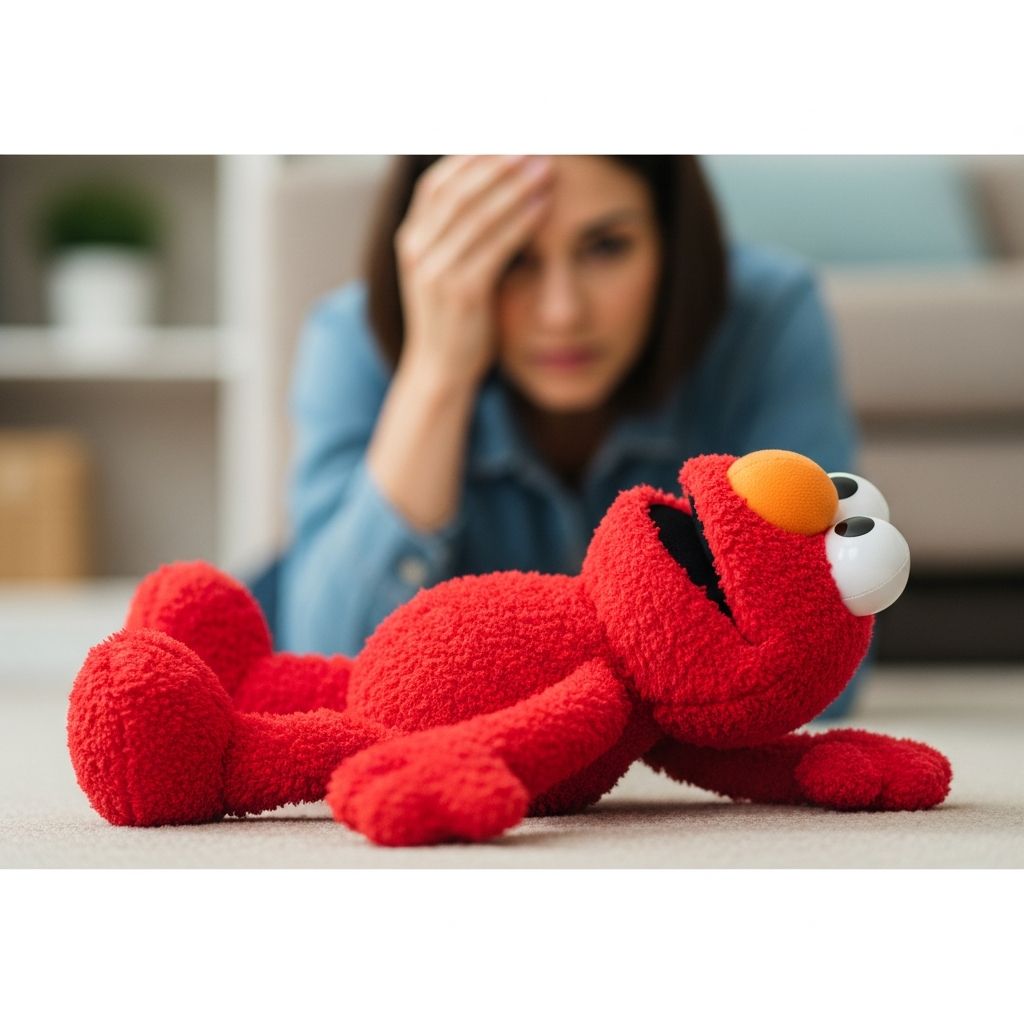
Few things rattle parents like hearing that a trusted, brightly colored, endlessly cheerful character toy in the playroom has just been recalled. One minute Elmo is giggling on the floor; the next, you are wondering whether that sweet red muppet is harboring something more sinister than tickles.
This guide helps parents navigate toy recalls with clear steps, practical checklists, and a healthy dose of perspective, using character toys like Elmo as the classic example of how quickly a safety story can hit home.
Why Toy Recalls Hit Parents So Hard
Toy recalls feel personal because they often involve the exact brands and characters parents consciously chose for their children, believing them to be safe, vetted, and widely trusted. When that trust is shaken, parents may feel guilt, anger, and anxiety all at the same time.
Character toys, especially those tied to early-childhood brands like Elmo, Sesame Street, or similar icons, live at the center of family routines—from bedtime snuggles to long car rides. A recall can feel like someone is reaching into your living room and rewinding all those moments with a warning label attached.
Common Reasons Toys Get Recalled
Not every recall means a toy is actively harming children, but all recalls point to a risk that regulators or manufacturers are no longer comfortable ignoring. Understanding the most frequent reasons can help you interpret recall notices with more clarity and less panic.
- Lead paint or toxic materials: Especially relevant in older recalls, some toys were found to contain unsafe levels of lead or other harmful chemicals in paints, coatings, or components.
- Choking hazards: Small detachable parts, loose eyes, buttons, batteries, or accessories that can break off and be swallowed are a common reason for recalls.
- Strangulation or entrapment risks: Cords, straps, or design flaws that can wrap around a child’s neck or trap limbs may trigger safety action.
- Fire or burn risk: Electronic toys, night-lights, or battery-operated characters can overheat, short-circuit, or spark.
- Mechanical injuries: Sharp edges, unstable structures, or moving parts that can pinch or cut also lead to recalls.
Character toys like Elmo have appeared in recall lists for issues such as unsafe paint or faulty components—not because the character is inherently risky, but because manufacturing, materials, or design choices did not meet safety standards.
How To Check If Your Elmo (Or Any Toy) Is Affected
When news of a recall breaks, it is tempting to assume every vaguely similar toy is dangerous. Instead, match details carefully so you know whether your specific product is covered.
Key details to confirm
- Brand and manufacturer name.
- Character or product line (for example, a specific Elmo model or themed accessory set).
- Model, batch, or item number (usually found on tags, labels, or battery compartments).
- Production date range or lot code.
- Country of manufacture.
Official recall announcements typically list these details and may include photographs or diagrams to help you compare your toy to the affected batch.
Quick recall-check steps
- Locate the toy’s label or engraved markings. Search along seams, inside clothing, under feet, or near battery doors.
- Write down or photograph the model and batch numbers.
- Visit your country’s consumer safety or product recall website and search by brand, toy name, or model number.
- Cross-check your numbers and appearance with the official recall notice.
- If still uncertain, contact the manufacturer’s customer service with pictures and questions.
What To Do Immediately If Your Toy Is Recalled
Once you confirm that your child’s Elmo or other toy is part of a recall, focus on three priorities: remove risk, follow instructions, and stay calm with your child.
Immediate safety actions
- Take the toy away discreetly: Put it somewhere your child cannot reach, such as a high shelf or sealed bin.
- Check for damage or loose parts: Note anything unusual, particularly small parts that may have detached.
- Watch for symptoms: If the recall is related to ingestion (for example, paint or small pieces) and your child might have chewed or swallowed something, contact your pediatrician or a poison control service.
Follow the recall instructions
Manufacturers typically outline what to do next, which could include one or more of the following:
- Returning the toy by mail or to a designated store.
- Submitting photos or proof of purchase online.
- Receiving a prepaid shipping label for disposal or inspection.
- Receiving a refund, replacement toy, credit, or repair kit.
Always rely on official instructions from recognized safety agencies or the manufacturer’s verified channels rather than social media rumors or third-party advice.
Talking To Your Child When Their Best Buddy Is Gone
For adults, a recall is a logistical and emotional headache. For a toddler, it can feel like a sudden breakup with their best friend in fuzzy red fur. How you explain the situation can shape their sense of safety and trust.
Age-appropriate explanations
- Toddlers: Keep it simple. For example, you might say that the toy needs to go to the “fix-it doctor” or that it is “too sharp/too breakable now, so we are sending it away.”
- Preschoolers: Briefly mention safety: “Sometimes grown-ups discover that a toy might hurt kids, even by accident, so they call it back and make it safer.”
- Early school age: Involve them a bit in the process: let them help you pack the toy to send back, and talk about how experts check things to protect kids.
If your child is deeply attached, consider a gentle transition, such as introducing a new toy or comfort item and planning a small ritual to say goodbye to the old one.
Understanding Lead And Other Hidden Hazards
Some of the most unsettling toy recalls involve hazards that are not visible—like lead in paint, excess chemicals in plastics, or other toxic materials. These risks feel especially frightening because they seem invisible and long-term.
Why lead in toys is such a concern
- Young children explore the world by chewing, mouthing, and handling toys.
- Lead exposure accumulates over time and may affect brain development, attention, and behavior.
- Symptoms are often subtle or absent in the short term, which can make parents worry about what they cannot see.
Not all traces of lead or other substances mean immediate poisoning, but recalls are designed to prevent even the possibility of unsafe exposure, especially in frequently handled items like character figures and plush toys with hard painted parts.
How To Make Your Toy Box Safer
You cannot control every manufacturing decision, but you can reduce risk with some simple, ongoing habits when choosing and managing toys in your home.
Practical safety checklist
- Buy toys from reputable brands and established retailers whenever possible.
- Check packaging and product pages for age recommendations and safety certifications.
- Inspect new toys for loose parts, weak seams, or strong chemical odors.
- Limit second-hand toy purchases that lack labels or clear origin information, especially for babies and toddlers.
- Regularly clear out broken or heavily worn toys.
- Register high-value baby or toddler products with manufacturers so you receive recall alerts directly.
Visual toy-safety table
| Warning sign | Why it matters | What parents can do |
|---|---|---|
| Strong chemical or paint smell | May indicate poor-quality materials or finishes not meant for children. | Air out the toy; if odor persists, avoid use and consider returning it. |
| Loose eyes, buttons, or decorations | Poses a choking risk, especially for kids under three. | Remove small pieces or retire the toy, particularly from shared play areas. |
| Exposed wires or damaged battery compartments | Increases risk of burns, shocks, or battery ingestion. | Stop using immediately and contact the manufacturer for repair or replacement options. |
| Unlabeled or mystery metal parts | Possible issues with lead or other metals if not approved for children’s products. | Be cautious with older or off-brand toys; prefer well-labeled items for young children. |
| Cords, strings, or straps longer than a child’s arm span | Potential strangulation or entanglement hazard. | Cut cords to a shorter length or remove the item from play areas. |
Managing Your Own Anxiety About Recalls
Parents often absorb more stress from a recall than their children do. The mental picture of a beloved Elmo suddenly rebranded as dangerous can trigger fear that every toy in the house is a hidden threat.
It helps to remember that recalls are, in a sense, safety nets in action: an issue has been identified, authorities are responding, and you are now empowered with information. This does not mean every toy is suspect; it means the system of checks and oversight is working, even if imperfectly.
- Focus on specific facts (model numbers, symptoms, actual exposures) rather than worst-case scenarios.
- Talk to your child’s doctor if you are concerned about past exposure, especially to substances like lead.
- Channel worry into practical steps: decluttering old toys, checking labels, and setting reminders to scan recall notices periodically.
Staying Informed Without Obsessing
Constantly refreshing recall pages will quickly drain your energy. A more sustainable approach is to set up simple systems that bring key information to you, rather than the other way around.
Low-effort monitoring strategies
- Sign up for email updates from national product safety agencies, if available in your country.
- Follow official consumer safety accounts or pediatric professional organizations on social platforms.
- Check recall round-ups monthly or quarterly instead of daily.
- Use a digital note or app to list major toys and baby products (strollers, seats, cribs) along with brand and model information for quick searching.
Frequently Asked Questions About Toy Recalls
1. Should I throw away every toy from the same brand?
Not necessarily. Recalls usually apply to specific models, production dates, or batches. One Elmo toy might be affected, while others produced in different factories or years are not. Check recall criteria carefully instead of assuming all products are dangerous.
2. What if my child already played with a recalled toy?
In many cases, recalls are issued based on potential risk rather than confirmed injury. If your child has been using the toy and seems well, there may still be little or no actual harm. However, if the recall involves ingestion risks, toxins, or mechanical hazards and you have any concern, speak with your pediatrician and describe how your child used the toy.
3. Do I really need to send the toy back to get a refund or replacement?
Manufacturers usually require either returning the toy, submitting photos, or providing proof of purchase to verify that you own the affected product. These steps help ensure that refunds and replacements go to the right people and that unsafe products are removed from circulation.
4. Are plush character toys safer than plastic ones?
Not automatically. Plush toys can still include plastic eyes, internal components, dyes, or electronic modules that can pose hazards. What matters most are overall design, materials, and compliance with safety standards, not just whether the toy feels soft.
5. How do I talk about recalls without scaring my child?
Focus on the idea that adults are working together to keep children safe and healthy. Keep explanations short, honest, and tailored to your child’s age. You can frame it as a responsible grown-up decision rather than something your child did wrong.
6. Could a recall be an overreaction?
Sometimes recalls are issued even when only a small number of incidents have been reported, precisely because the goal is prevention. While this can feel like over-caution, especially when the toy is popular and well-loved, erring on the side of safety is generally seen as a better outcome than waiting for more children to be hurt.
Turning A Scary Recall Into A Teachable Moment
As unsettling as a recall involving a favorite character like Elmo can be, it also offers a subtle opportunity to model healthy responses to unexpected problems. You can show your child that when something might be unsafe, the family takes it seriously, asks questions, and takes action.
Your child does not need to hear every detail about manufacturing standards or toxicology to absorb the core lesson: when grown-ups learn new information, they adjust, make safer choices, and look out for each other. Over time, that quiet example may be even more valuable than any single toy.