LSD is a powerful hallucinogenic drug that can dramatically change how a person sees, hears, and feels the world around them. Parents who understand what LSD is and how it affects teens are better prepared to protect their children and respond if problems arise.
1. What Is LSD?
LSD, short for lysergic acid diethylamide, is a synthetic psychedelic drug that alters perception, thoughts, and emotions. It is commonly known as “acid” and is usually taken in very small doses because it is extremely potent.
Unlike substances such as alcohol or cannabis, LSD is not used to simply “relax.” Its main effect is to change how the brain processes sensory information, which can lead to vivid hallucinations and distorted experiences of reality.
- LSD is usually clear or white and odorless.
- A typical dose is absorbed into small pieces of paper called blotter or “tabs.”
- It can also appear as liquid drops, sugar cubes, or gel tabs.
2. How Teens Typically Use LSD
LSD is most often swallowed, though the form can vary. Teens may place a small square of paper on or under the tongue, swallow it, or let it dissolve in the mouth. Because the doses are tiny and the drug has no strong taste or smell, use can be easy to hide.
Some teens experiment with LSD at parties, concerts, festivals, or in small groups of friends. The lack of obvious physical signs (such as smell) can make it harder for adults to detect compared with alcohol or smoking.
Common contexts where LSD might appear
- Music events, raves, or festivals.
- Sleepovers or unsupervised gatherings.
- Online purchases delivered by mail and redistributed among peers.
- Shared in friend groups where “tripping” is treated as a bonding or curiosity experience.
3. What an LSD “Trip” Is Like
The effects of LSD are often called a “trip” because they can feel like a journey into an altered state of consciousness. The experience can last 8–12 hours or longer, and once it starts, it cannot simply be shut off.
Every person’s response is different, and even the same person can have very different experiences from one time to the next. Mood, surroundings, dose, and expectations all play a role.
Possible psychological effects
- Seeing shapes, colors, or patterns that are not really there.
- Hearing sounds or voices more intensely or in unusual ways.
- Feeling that time is speeding up, slowing down, or standing still.
- Believing that objects, people, or the self are changing in size or shape.
- Strong changes in emotions, from euphoria and wonder to fear and panic.
Common physical effects
- Dilated (enlarged) pupils.
- Increased heart rate and blood pressure.
- Raised body temperature, sweating, or chills.
- Tremors or shaking.
- Loss of appetite and difficulty sleeping.
- Dry mouth or nausea in some users.
4. When a “Good Trip” Turns into a “Bad Trip”
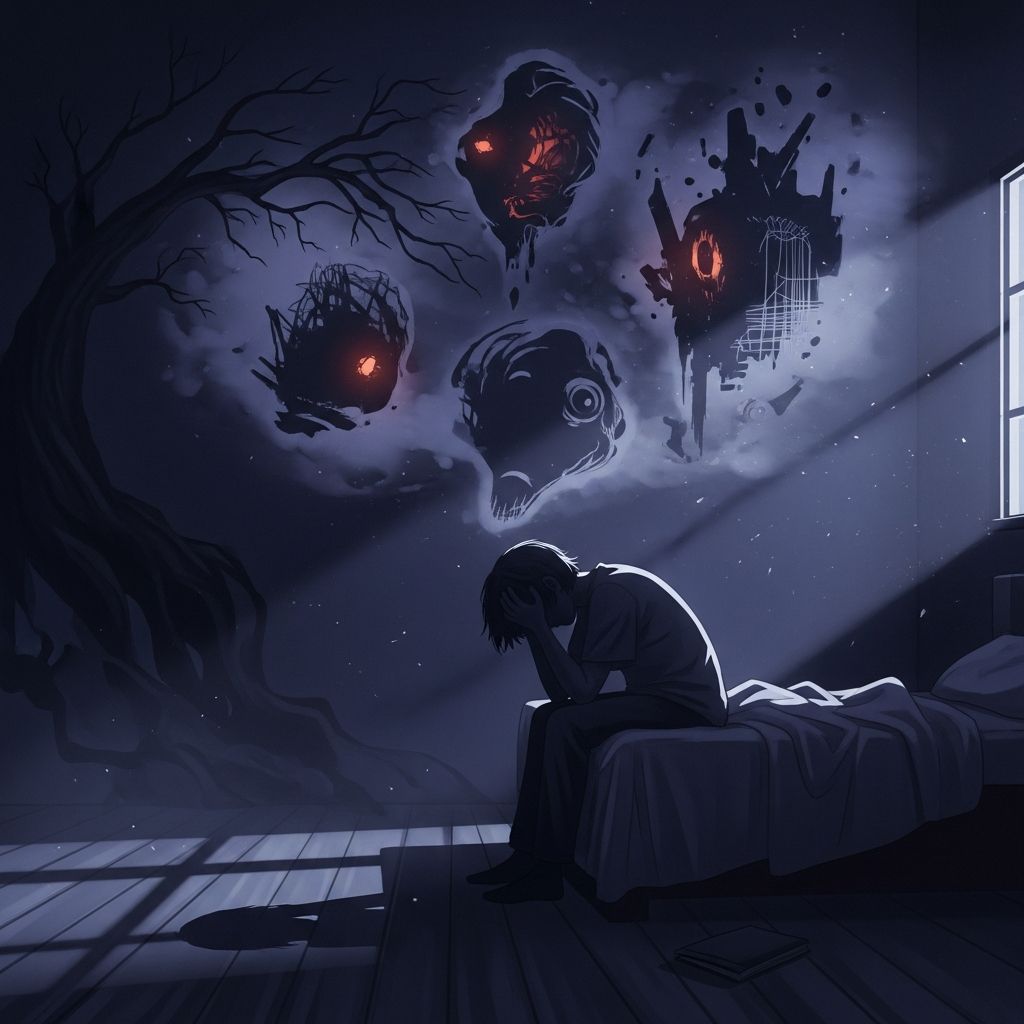
Many teens are drawn to LSD by stories of intense colors, deep insights, or feelings of connection. However, trips can quickly turn frightening. A “bad trip” is a distressing LSD experience marked by fear, confusion, and overwhelming sensations.
Because LSD changes perception and thought, even a small worry or negative idea can snowball into panic or terror. The person may lose their ability to recognize what is real and what is not.
Warning signs of a bad trip
- Terrifying hallucinations or the sense that something evil is present.
- Intense anxiety, paranoia, or panic attacks.
- Feeling trapped in the experience with no way out.
- Behaving in a risky or unpredictable way, such as running into traffic or attempting unsafe stunts.
- Fear of dying, going crazy, or never returning to normal.
5. Short-Term Risks Parents Should Know About
Even one use of LSD carries significant short-term risks. Because the drug changes judgment, coordination, and reality testing, a teen can make dangerous decisions without understanding the consequences.
Accidents and injuries are among the biggest immediate dangers, particularly when LSD is used in unfamiliar or busy environments, such as streets, clubs, or crowded events.
| Type of risk | What might happen |
|---|---|
| Accidental injury | Falls, walking into traffic, unsafe climbing, or misjudging distances. |
| Risky decisions | Unprotected sex, unsafe driving, mixing drugs, or trusting unsafe people. |
| Psychological crisis | Severe panic, terror, or loss of reality that may require emergency care. |
| Medical complications | Very high heart rate or blood pressure, overheating, or dehydration. |
6. Long-Term Effects and Ongoing Problems
While LSD does not typically cause physical dependence in the way that opioids or alcohol can, it can still lead to long-term problems. Some people experience lingering changes in mood, thinking, or perception after use.
Teen brains are still developing, especially in areas related to judgment, impulse control, and emotional regulation. Altering brain chemistry with powerful hallucinogens may have more severe or lasting consequences during adolescence.
Potential longer-term issues
- Persistent anxiety or depression following intense or frightening trips.
- Recurring “flashbacks,” which are brief, sudden replays of parts of an LSD trip even when not using the drug.
- Difficulty focusing, organizing thoughts, or feeling emotionally stable.
- In rare cases, long-lasting psychotic symptoms such as paranoia or disorganized thinking.
- Social and academic problems if drug use becomes a central part of life.
7. Is LSD Addictive?
LSD does not usually cause craving and withdrawal in the same way that drugs like heroin or nicotine do. However, that does not mean it is safe or that teens cannot develop a harmful pattern of use.
Some people use LSD repeatedly seeking intense experiences, spiritual insights, or escape from everyday feelings. Over time, this pattern can begin to resemble an addiction, even if the body is not physically dependent.
Patterns that signal a problem
- Feeling unable to have fun without using LSD or another drug.
- Spending more time with friends who use psychedelics and less time with others.
- Ignoring school, hobbies, or responsibilities in favor of planning the next trip.
- Needing higher doses or more frequent use to feel satisfied.
- Continuing to use despite anxiety, panic, or other negative experiences.
8. Myths and Misconceptions About LSD
Misinformation about LSD has been common for decades. Teens may hear stories that either exaggerate the dangers or downplay them entirely. Parents who understand the facts can correct myths in a calm, credible way.
| Myth | Reality |
|---|---|
| “LSD is natural and therefore safe.” | LSD is a synthetic lab-made chemical that can cause powerful and unpredictable effects. |
| “You can control your trip if you stay positive.” | Mood and environment matter, but no one can fully control how their brain will react. |
| “No one really gets hurt on LSD.” | Accidents, psychological crises, and medical emergencies can all occur, even after a single use. |
| “It can’t cause problems if you only try it once.” | Some people experience lasting anxiety or disturbing flashbacks after very limited use. |
9. Signs Your Teen Might Be Using LSD
Because LSD has no strong odor and is used in tiny amounts, it can be difficult to spot. However, changes in behavior, mood, and social patterns may raise concern. These signs do not prove LSD use on their own, but they can be important clues.
Possible indicators during or soon after a trip
- Unusually large pupils even in normal light.
- Rapid mood swings, from intense giddiness to sudden fear or confusion.
- Difficulty following a conversation or staying focused.
- Talking about seeing or hearing things that others do not notice.
- Odd body movements, restlessness, or trembling.
Ongoing behavior changes
- New friend groups who seem secretive about their activities.
- Staying out late or attending events where drugs are more likely to be present.
- Dropping grades, skipping classes, or losing interest in previously enjoyed hobbies.
- Unexplained items such as tiny decorated paper squares, gel tabs, or vials of clear liquid.
- Increased talk about psychedelics, “tripping,” or altered states online or in messages.
10. How to Talk with Your Teen About LSD
Open, ongoing communication is one of the most effective protections against drug use. A single lecture is rarely enough; instead, aim for a series of calm, respectful conversations where your teen feels safe asking questions.
Teens are more likely to listen when they feel heard. Ask what they know, where they are getting information, and what they think about drugs, rather than starting with accusations.
Tips for productive conversations
- Choose a calm moment, not in the middle of a conflict or right after a rule is broken.
- Use open-ended questions, such as “What have you heard about LSD or acid?”
- Share your concerns about safety, mental health, and future goals, rather than using scare tactics.
- Be honest if you do not know an answer and suggest looking for reliable information together.
- Reinforce that your rules come from care, not control.
11. What to Do in an Emergency
If you believe your teen has taken LSD and is having a severe reaction, treat it as a medical emergency. Safety is the priority. Do not try to handle a serious crisis alone at home.
Call for urgent help if your teen:
- Is extremely confused, aggressive, or impossible to calm down.
- Talks about harming themselves or others.
- Has chest pain, trouble breathing, or appears to be overheating.
- Is having a seizure or becomes unresponsive.
While waiting for help, try to keep the environment quiet and safe. Remove dangerous objects, avoid arguing, and speak in a calm, reassuring tone. Tell medical staff exactly what you know or suspect your teen has taken, even if you are not certain.
12. Getting Ongoing Help and Support
Even if there is no emergency, repeated use of LSD or any other drug is a sign that your teen may need support. A pediatrician, family doctor, or mental health professional who works with adolescents can help evaluate what is going on and suggest next steps.
Possible sources of help
- Primary care providers who can screen for substance use and mental health concerns.
- Licensed therapists or counselors who specialize in teens and substance use.
- Family-based programs that involve parents and caregivers in treatment.
- School counselors who can help coordinate academic support and referrals.
- Local or online support groups for parents dealing with teen substance use.
When talking with professionals, be as open as possible about what you have observed. The goal is not to assign blame, but to understand your teen’s needs and give them the best chance at a healthy, safe future.
13. Prevention Starts at Home
Parents cannot control every choice a teen makes, but they can create a strong foundation that makes risky experimentation less likely. A combination of clear expectations, warm relationships, and accurate information is a powerful protective factor.
Practical prevention strategies
- Set and explain clear family rules about drug and alcohol use.
- Know your teen’s friends and where they spend time.
- Encourage involvement in positive activities such as sports, clubs, arts, or volunteering.
- Model healthy coping skills for stress, such as exercise, problem-solving, or talking things out.
- Keep communication open so your teen feels comfortable coming to you if they make a mistake or feel pressured.
FAQs: Parents’ Common Questions About LSD
1. How long do LSD effects last?
The main effects of an LSD trip often begin within 30–90 minutes of taking the drug and can last 8–12 hours. Residual feelings such as tiredness, confusion, or emotional “aftershocks” may persist into the next day.
2. Can LSD cause permanent brain damage?
Most people do not experience obvious, immediate brain damage from a single use, but LSD can trigger serious psychological problems in some individuals. Long-lasting anxiety, depression, or psychotic symptoms can occur, especially in vulnerable teens or those with a family history of mental illness.
3. Is LSD safer than alcohol or other drugs?
Comparing drugs is tricky because they harm people in different ways. While LSD may not cause the same kind of physical dependence as alcohol or nicotine, its unpredictable psychological effects and potential for accidents make it far from safe, especially for teens.
4. Can you die from LSD?
Direct overdose deaths from LSD itself are rare, but serious harm can result from dangerous behavior, accidents, or medical complications such as high blood pressure, overheating, or injuries during impaired judgment.
5. What should I do if my teen admits trying LSD once?
Stay as calm as possible. Thank them for their honesty, ask open questions about what happened and why, and share your concerns about safety. Use the opportunity to set or reinforce clear boundaries and consider speaking with a healthcare professional, especially if there are signs of ongoing use or emotional struggles.