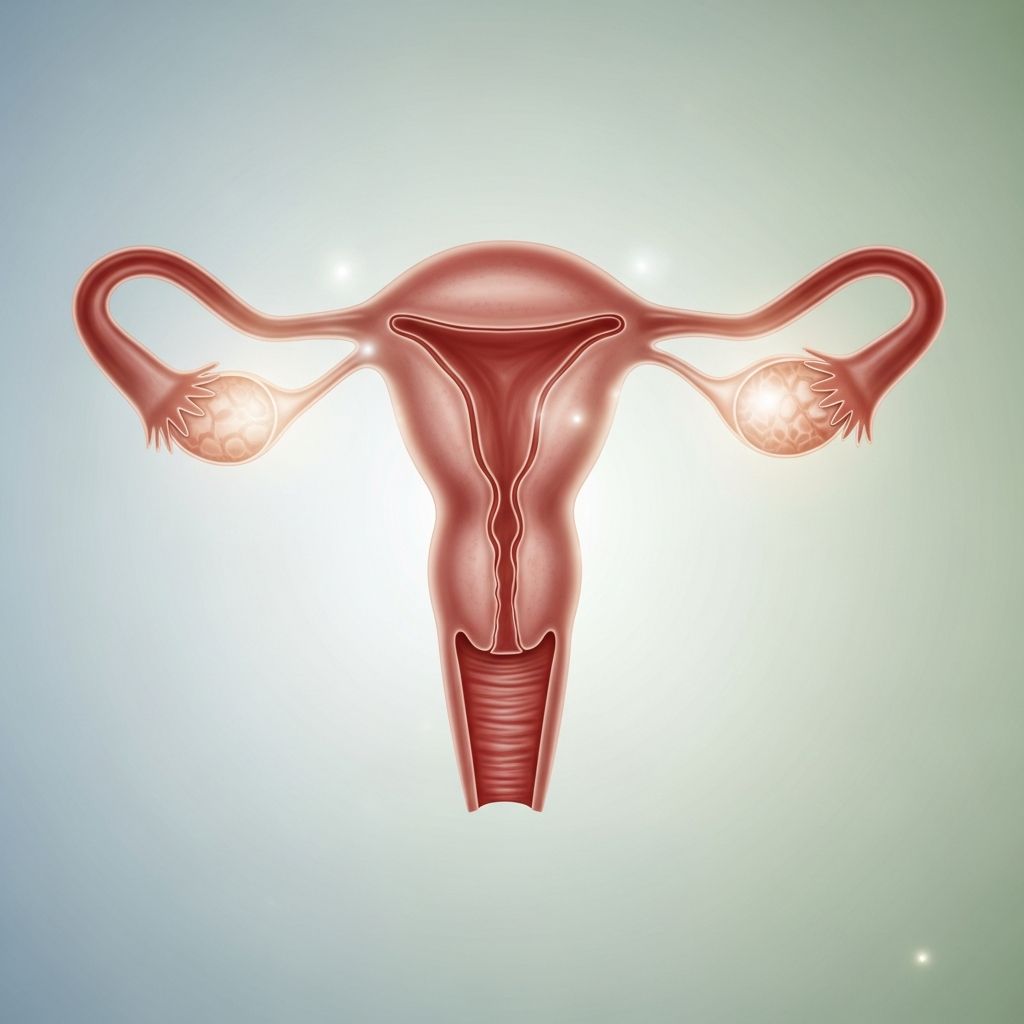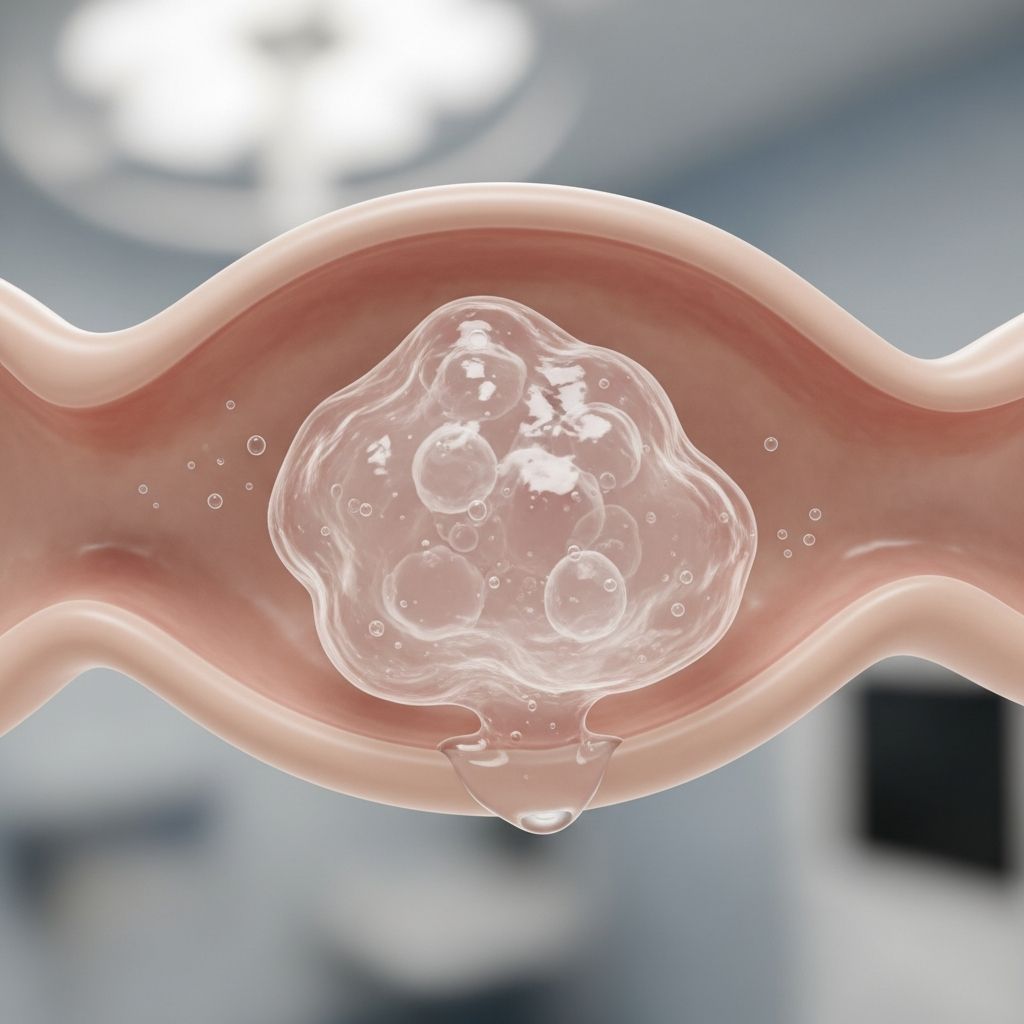
The mucus plug serves as a vital protective barrier during pregnancy, sealing the cervix to shield the uterus from infections. Losing it early, before 37 weeks, can signal potential complications like preterm labor, requiring prompt medical attention.
The Role of the Mucus Plug in Pregnancy
From early pregnancy, the body produces a thick, gelatinous collection of mucus that fills the cervical canal. This structure, known as the mucus plug, forms under the influence of hormones like progesterone, creating a seal that blocks harmful bacteria from ascending into the uterus and reaching the developing fetus. Its composition is dense and sticky, distinguishing it from everyday vaginal discharge, which tends to be thinner and more fluid.
Maintaining this barrier is crucial throughout gestation. Without it, the risk of ascending infections increases, potentially leading to chorioamnionitis or other complications. The plug remains intact until the cervix begins to soften and dilate in preparation for delivery, at which point it is naturally expelled.
Characteristics of Mucus Plug Discharge
Recognizing the mucus plug is key for expectant mothers. It typically appears as a lump or stringy mass of clear, white, or slightly tinted mucus, often measuring 1-2 tablespoons in volume. Colors can range from transparent to pinkish or brownish due to minor capillary breakage in the cervix, and it may include streaks of blood, sometimes termed ‘bloody show’.
- Texture: Jelly-like, thick, and cohesive, unlike watery or milky discharge.
- Volume: Can exit as one piece or in fragments over time.
- Odor: Usually mild or odorless; foul smells warrant immediate concern.
- Timing: Normally after 37 weeks, but early loss raises red flags.
Many women notice it on toilet paper, underwear, or during a pelvic exam. Differentiating it from regular discharge—often clear, white, or yellow and less viscous—is essential. Images or descriptions from reliable sources show it as opaque and clumpy, contrasting with thinner leukorrhea common in pregnancy.
Normal Timing Versus Early Expulsion
In full-term pregnancies, the mucus plug dislodges during the late third trimester, often days or weeks before active labor. This coincides with cervical effacement (thinning) and dilation, signaling the body’s readiness for birth. Studies indicate nearly all women experience this, though some may not notice it amid increased discharge.
Early loss, prior to 37 weeks, deviates from this pattern. The cervix should remain closed and firm until term, so premature expulsion suggests changes like dilation or effacement occurring too soon. This can happen gradually or suddenly, sometimes accompanied by contractions or fluid leakage.
| Aspect | Normal (Term) | Early (<37 Weeks) |
|---|---|---|
| Gestational Age | 37+ weeks | Before 37 weeks |
| Implications | Labor preparation | Possible preterm labor risk |
| Action Needed | Monitor symptoms | Contact provider immediately |
| Other Signs | May precede contractions | With cramps, bleeding, pressure |
Potential Causes of Early Mucus Plug Loss
Several factors can trigger early dislodgement. Cervical changes from preterm labor are primary, where the cervix shortens and opens prematurely. Infections, such as bacterial vaginosis or sexually transmitted infections, may weaken the plug. Physical activities like intercourse or exams can also prompt release, though less commonly before term.
In some cases, cervical incompetence—a condition where the cervix opens too early—contributes. Hydramnios (excess amniotic fluid) or placental issues might indirectly influence cervical integrity. Always, early loss merits evaluation to rule out these.
Risks Associated with Preterm Loss
Expelling the mucus plug early compromises the cervical barrier, heightening infection risk. More critically, it often heralds preterm labor, defined as birth before 37 weeks, affecting 10-12% of pregnancies per CDC data (though not directly cited here). Complications include respiratory distress in newborns, feeding difficulties, and long-term neurodevelopmental issues.
Other concerns: If accompanied by heavy bleeding (period-like), it could indicate placental abruption or previa. Leaking fluid suggests membrane rupture, another preterm emergency. Prompt assessment via ultrasound, fetal monitoring, or tocodynamometry helps mitigate risks.
When to Contact Your Healthcare Provider
Never delay if you suspect early mucus plug loss. Call immediately if before 37 weeks, especially with:
- Regular contractions (every 5-10 minutes).
- Vaginal bleeding heavier than spotting.
- Fluid gush or persistent trickle (possible water breaking).
- Severe pelvic pressure or back pain.
- Fetal movement changes.
Providers may perform a sterile speculum exam to check dilation, test for Group B Strep, or administer steroids for fetal lung maturity if preterm birth looms. Bed rest, tocolytics, or hospitalization might follow.
Management and Monitoring After Early Loss
Post-notification, track symptoms hourly. Hydrate, rest, and time contractions. Avoid tampons, intercourse, or baths to prevent infection. Follow-up may include weekly cervical length checks via transvaginal ultrasound, standard for high-risk cases.
For those at risk, progesterone supplements or cerclage (cervical stitch) could be options, per ACOG guidelines. Lifestyle adjustments—limiting travel, stress reduction—support monitoring. Most cases, with vigilance, result in healthy outcomes.
Common Myths and Facts
Myth: Losing the mucus plug means labor starts within hours.
Fact: It can precede labor by weeks; monitor other signs.
Myth: The plug doesn’t regenerate.
Fact: The cervix produces more mucus, though the full plug won’t reform identically.
Myth: All discharge is the mucus plug.
Fact: Texture and volume differentiate; consult for uncertainty.
Frequently Asked Questions
Can I lose my mucus plug without going into labor?
Yes, especially at term, it may exit days or weeks prior. Early loss, however, needs evaluation.
Does losing the mucus plug hurt?
No, it’s typically painless, though associated contractions might cause discomfort.
Is bloody show the same as mucus plug?
Similar but distinct: Bloody show has more blood from cervical vessels; mucus plug is primarily mucus.
What if I lose it at 36 weeks?
Contact your provider; late preterm (34-36 weeks) still carries risks.
Can sex cause mucus plug loss?
Prostaglandins in semen may soften the cervix, potentially dislodging it near term, but avoid if early loss occurs.
Preparing for Labor After Mucus Plug Loss
Pack your hospital bag, arrange childcare, and review your birth plan. Practice breathing techniques and discuss pain management with your provider. Early loss underscores the importance of prenatal classes focusing on preterm scenarios.
Nutrition matters: Iron-rich foods, hydration, and rest bolster maternal health. Pelvic floor exercises maintain strength amid changes.
Emotionally, early signs can heighten anxiety. Support groups or counseling aid coping. Knowledge empowers—understanding your body’s signals fosters confidence.
References
- Mucus Plug vs Discharge (pictures) — Natural Cycles. 2023. https://www.naturalcycles.com/cyclematters/mucus-plug-vs-discharge
- 15 signs your body is getting ready for labor — The Mother Baby Center. 2025-08. https://www.themotherbabycenter.org/blog/2025/08/signs-labor-is-near/
- Signs of labor: Know what to expect — Mayo Clinic. 2024. https://www.mayoclinic.org/healthy-lifestyle/labor-and-delivery/in-depth/signs-of-labor/art-20046184
- Signs that labour has begun — NHS. 2024. https://www.nhs.uk/pregnancy/labour-and-birth/signs-that-labour-has-begun/
- Mucus Plug – What Is It & What Does It Look Like? — American Pregnancy Association. 2023. https://americanpregnancy.org/healthy-pregnancy/labor-and-birth/mucus-plug/
- Mucus Plug: What It Means & What It Looks Like — Cleveland Clinic. 2024. https://my.clevelandclinic.org/health/symptoms/21606-mucus-plug