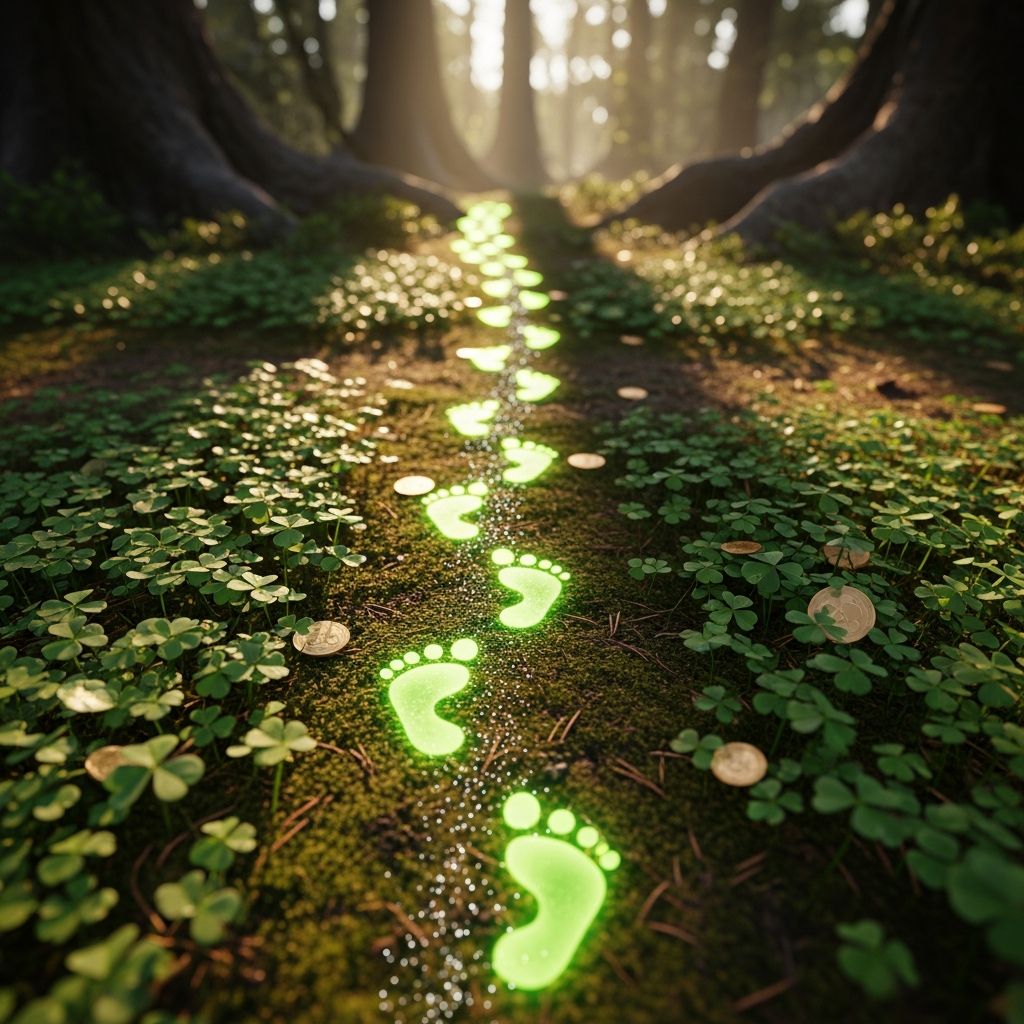
St. Patrick’s Day offers a perfect excuse to sprinkle a little mischief and magic into family life, and nothing captures that feeling quite like tiny green footprints wandering mysteriously through your home. Instead of focusing on big, elaborate parties, parents can easily create a sense of wonder with simple, thoughtful details that invite children to believe that a playful leprechaun has paid a visit while they slept.
This article walks through how to design your own leprechaun footprint adventure from scratch, including planning the story, setting up the trail, choosing safe materials, and tailoring the experience to different age groups. By the end, you will have everything you need to build a memorable family tradition that kids will look forward to each March.
Why Leprechaun Footprints Captivate Kids
Leprechaun footprints turn an ordinary morning into a small mystery that children can explore with their imagination. They create a physical trail that makes the invisible world of legends and folklore feel real and tangible. For children who love pretend play, these clues transform the home into a storybook setting where they become the detectives of their own adventure.
Parents also benefit from this kind of simple magic. The preparation is low-cost, the cleanup can be quick if planned well, and the activity encourages play without screens. It is an inclusive tradition that can be adapted regardless of home size, budget, or crafting experience.
Planning the Story Behind the Footprints
Before painting anything green, start with the story. A clear narrative helps you decide where to place footprints, what they lead to, and which small surprises or pranks make sense. Even a simple storyline adds coherence and keeps the experience feeling intentional instead of random.
- Decide who your leprechaun is: Give the character a name, personality, and a few habits. Is this leprechaun sneaky but kind, or clumsy and silly?
- Choose a goal: Maybe the leprechaun lost some gold, borrowed a shoe, or delivered a note of good luck. This goal explains the path of footprints.
- Plan an ending: Think about where the trail should stop, whether at a small treat, a joke, a note, or a tiny “home” made from a box.
For younger children, keep the story gentle and funny with positive messages about luck and kindness. Older kids may enjoy more elaborate puzzles or clues woven into the footprints themselves.
Essential Supplies for Tiny Green Tracks
The materials you choose will shape the look and cleanup of your leprechaun footprints. Many households already have everything needed in art or cleaning cabinets, and substitutions are easy if you prefer a mess-free option. The key is using non-toxic, washable items that will not stain floors or irritate sensitive skin.
- Washable green paint or food coloring mixed with water
- Small sponge pieces, cotton balls, or cut-out foam shapes
- Green construction paper or cardstock (for paper footprints)
- Painter’s tape or removable adhesive putty
- Paper towels, baby wipes, or cleaning cloths for quick cleanup
- Optional: glitter, stickers, or metallic markers for extra sparkle
If you live with pets or very young children, test a small area of your floor or carpet before the big night. You can also decide to use only paper footprints to avoid any liquid color entirely.
Comparing Footprint Methods
Different families will prefer different ways of making footprints depending on time, mess tolerance, and the surfaces in the home. The table below summarizes several common methods to help you choose the best fit.
| Method | Best For | Pros | Cons |
|---|---|---|---|
| Washable paint with sponge | Hard floors (tile, laminate, sealed wood) | Looks realistic; adjustable size and shape; very customizable | Requires more cleanup; test for staining on certain surfaces |
| Paper cut-out footprints | Carpeted areas and rental homes | No staining risk; easy to reuse or save for future years | Takes more prep time; less like real prints |
| Chalk or dry-erase marker | Sidewalks, chalkboard walls, or whiteboards | Perfect for outdoor trails; wipes off easily | Limited to certain surfaces; can smudge quickly |
| Flour or baking soda outline with green paper underlay | Short-term displays in kitchens or entryways | Creates a fun, powdery “dust” effect | Messy; must avoid moisture and open windows |
Creating the Footprints Step by Step
Once you have a story and supplies, it is time to design the actual footprints. Aim for small shapes that look like they could belong to a tiny shoe. Irregular edges and slightly uneven spacing make them appear more whimsical and believable than perfectly measured patterns.
- Practice on paper: Test your chosen method on a sheet of paper before touching floors to see how much paint or color you need.
- Define the route: Decide where the leprechaun “entered” and “exited” the house, and where any treat or trick is located along the way.
- Vary the spacing: Keep prints closer together near focal points, like the kitchen table or toy area, and more spread out in hallways.
- Add character: Create a few spots where the footprints turn in circles, jump onto a low surface, or appear to tiptoe around shoes and furniture.
- Let them dry: Give painted or chalk prints enough time to dry before anyone walks over them, especially if you are preparing them late at night.
For a finishing touch, you can mix in one or two slightly larger footprints to suggest that a friend or a visiting relative leprechaun dropped by as well. Details like this keep older children guessing and give them more to discuss.
Safe and Easy Materials for Different Surfaces
Floors and fabrics respond differently to craft materials, so it is worth thinking surface by surface. In kitchens and entryways with hard floors, washable paints and sponges are versatile and forgiving. In bedrooms with carpets or rugs, it often makes more sense to rely on paper cutouts or small signs taped to the baseboards.
Use removable adhesive products designed for walls and floors when attaching paper footprints or tiny signs. Avoid strong tapes that can peel paint or finish. If you wish to involve glitter, consider adding it only to paper pieces and not directly to painted footprints, as loose glitter tends to spread quickly and can be hard to remove from grout or fabric.
Incorporating Gentle Leprechaun Pranks
Leprechaun footprints pair naturally with small pranks that are silly rather than scary. The goal is to make children giggle and wonder, not to frighten or upset them. Lighthearted mischief can be as simple as things being slightly out of place or changed in an obviously playful way.
- Turn a few chairs backward at the table and place footprints around them, as if the leprechaun could not sit still.
- Place green food coloring in a clear bottle of water or in a sealed container of milk (if safe and acceptable in your household).
- Swap the positions of two familiar objects, such as pillows or favorite stuffed animals, and leave a small trail to both spots.
- Scatter a few pretend gold coins or shiny buttons along part of the trail to hint at a dropped treasure.
Check in with your children’s personalities and sensitivities when designing pranks. Some kids enjoy a lot of silliness, while others prefer gentle surprises with clear explanations afterward.
Adding Educational and Cultural Touches
While the footprints and pranks focus on fun, St. Patrick’s Day can also be an opportunity to introduce children to elements of Irish culture and history. Short, age-appropriate explanations help kids understand that leprechauns come from folklore and that the holiday has deeper roots than just green decorations.
- Place a small card near the end of the footprint trail with a simple fact about Ireland or the meaning of the holiday.
- Include a short rhyme, limerick-style message, or simple blessing written “by the leprechaun” to highlight language and rhythm.
- Pair the morning surprise with a storybook about Ireland, rainbows, or myths so children can connect the footprints to a larger narrative.
These details keep the experience both entertaining and enriching, giving families a chance to discuss traditions, geography, and storytelling together.
Age-Appropriate Variations
Different ages engage with magic and mystery in their own ways, so tailoring leprechaun footprints to your child’s developmental stage ensures the fun lands just right. Adjust the complexity of the trail and the level of explanation to fit your family’s needs.
- Toddlers: Use large, obvious footprints and a short trail that leads directly to a small treat or toy. Keep pranks minimal and gentle.
- Preschoolers: Add twists and turns, simple arrow signs, or silly footprints that walk over toys or under tables.
- Early elementary: Include basic puzzles or picture clues, such as a rainbow drawing pointing to the next room.
- Older kids: Incorporate riddles, coded messages, or a mini scavenger hunt that requires reading and problem-solving.
If children begin to suspect the truth behind the tradition, invite them into the planning and creation process. Becoming a co-designer of the leprechaun visit can feel just as magical as believing in the character.
Keeping the Tradition Sustainable and Inclusive
Like any holiday activity, leprechaun footprints can grow more elaborate each year, but families do not need to compete with anyone else’s ideas. A sustainable tradition focuses on joy, connection, and creativity rather than expense or perfection. Simple changes in route, colors, or notes are enough to keep the experience feeling fresh.
To make the tradition accessible for various needs, consider sensory preferences, mobility challenges, and cultural perspectives in your household. Some children might prefer quieter visual surprises over tactile pranks, while others enjoy actively searching and moving around. Adapt the approach so that everyone can participate comfortably.
Cleanup Strategies That Respect Your Time
Cleanup does not have to be daunting. Planning ahead with washable materials and easy routes helps the process move quickly once the celebration is over. Many parents choose to involve children in “erasing the magic,” framing it as part of closing the story until the next year.
- Lay down a few old towels or newspapers in high-traffic areas before creating footprints to protect surfaces.
- Keep a small bin of wipes or a bucket of soapy water nearby to tackle prints as soon as you are ready.
- Turn cleanup into a game by timing how fast the family can “chase away” the footprints after photos have been taken.
Paper footprints can be stored in a labeled envelope or box with other St. Patrick’s Day items, making it easy to reuse them in new ways in future years.
Creative Add-Ons for a Full Morning Experience
Leprechaun footprints often become the centerpiece of a full morning of themed fun. Small additions extend the magic past the first discovery and keep children engaged in imaginative play for longer. None of these extras are necessary, but they can be delightful if they fit your schedule and budget.
- Serve a green-themed breakfast, such as pancakes with green fruit toppings or a smoothie blended with spinach and fruit.
- Offer a simple craft, like decorating paper shamrocks or making a mini “leprechaun door” out of cardboard.
- Play Irish-inspired music softly in the background to set the mood while kids follow the trail.
- Encourage children to draw what they think the leprechaun looks like and display their artwork near the final footprint.
These extras help transform one visual surprise into a morning filled with creativity and storytelling, giving the holiday more emotional resonance.
Frequently Asked Questions About Leprechaun Footprints
How small should the footprints be?
Most families aim for footprints roughly the size of a thumbprint or a little larger, small enough to feel magical but big enough for children to recognize. If you are decorating a large open space, slightly larger prints may be easier to see from a distance.
What if my child is scared of the idea of a visitor?
Some children are sensitive to the notion of someone sneaking into their home, even if it is a fictional character. If that is the case, emphasize that the leprechaun is a friendly storyteller or a bringer of good luck, and keep all activity confined to common areas like the kitchen or living room instead of bedrooms.
Can I make this tradition eco-friendly?
Yes, you can use recycled paper, washable markers, and reusable decorations to reduce waste. Store any durable items, such as paper footprints or tiny signs, with other holiday supplies so they do not need to be recreated each year.
What if we have limited time the night before?
When time is tight, create a short, direct trail from the front door to one small surprise, like a note or a treat on the kitchen table. Even a dozen footprints paired with a simple story can make the holiday feel special without requiring hours of preparation.
How many years should we keep this tradition going?
There is no set timeline. Some families continue until children lose interest, while others invite older kids to help design and expand the tradition. The most important measure is whether the activity still brings enjoyment and connection to everyone involved.
Building Your Own Version of Magic
Leprechaun footprints are ultimately a flexible framework for family fun rather than a strict recipe to follow. The most meaningful details will be the ones that reflect your children’s personalities, your home environment, and your own comfort level with crafts and playful chaos. Whether you design a simple trail to the breakfast table or a house-wide mystery, you are creating memories that will color your family’s stories of St. Patrick’s Day for years to come.
Start small, stay true to your family’s style, and let the tiny green tracks lead you into a new tradition of shared laughter and imagination.