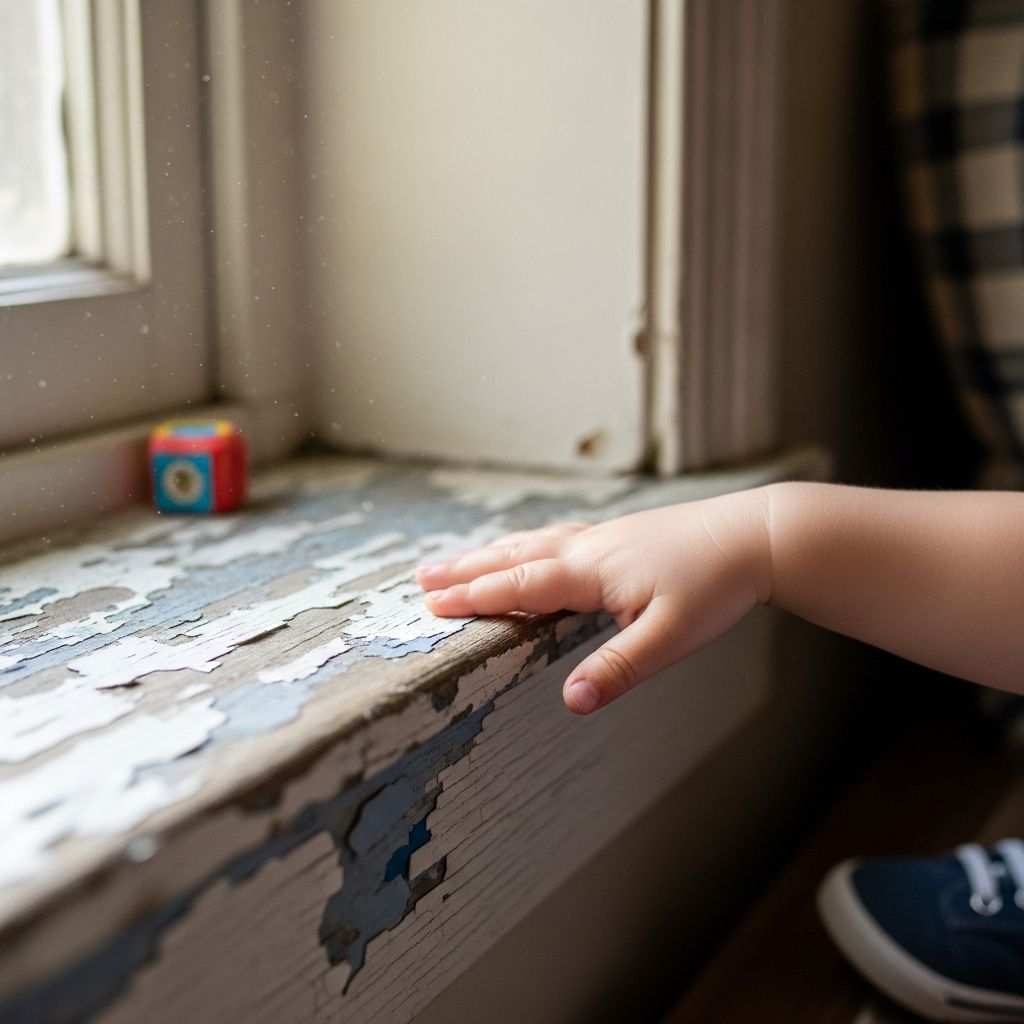
Lead is a toxic metal that can quietly harm a child’s brain, growth, and behavior even before anyone notices a problem. Parents and caregivers play a key role in limiting exposure and acting quickly when there is concern about lead in a child’s environment.
Why Lead Is So Dangerous for Kids
Lead has no safe role in the body. Even small amounts can interfere with the developing brain and nervous system, making young children especially vulnerable. Kids under 6 are at higher risk because their bodies absorb lead more easily and they frequently put their hands and objects in their mouths.
Unlike some toxins that cause immediate illness, lead often builds up slowly in the body. This means a child can appear healthy while lead is silently affecting learning, behavior, and overall development.
Where Lead Hides in Everyday Life
Lead exposure usually comes from a child’s surroundings, not from a single obvious event. Understanding common sources helps families reduce risks at home, in child care settings, and in the community.
Common Home and Environmental Sources
- Old paint and dust: Homes built before modern safety standards may contain lead-based paint. When this paint cracks or peels, it creates dust that settles on floors, toys, and surfaces.
- Contaminated soil: Soil around older homes or near busy roads and industrial sites may contain lead from old paint, gasoline, or factories.
- Household renovations: Sanding, scraping, or remodeling older buildings can release lead dust into the air and onto surfaces.
- Water from old pipes: Older plumbing systems, pipes, or fixtures can release lead into tap water, especially when water sits in pipes for long periods.
- Imported products: Some older or imported toys, jewelry, pottery glazes, cosmetics, or traditional remedies may contain lead.
How Children Are Exposed to Lead
Children do not have to swallow a large piece of paint or metal to be harmed. Most exposure comes from tiny amounts of lead over time. Everyday habits can bring lead particles into a child’s body without anyone noticing.
Typical Exposure Pathways
- Hand-to-mouth behavior: Toddlers and young kids explore their world by touching surfaces and then putting their hands or objects in their mouths, ingesting dust or soil that may contain lead.
- Eating and drinking in contaminated spaces: Snacks or bottles given on floors or surfaces with lead dust make it easier for children to swallow lead.
- Breathing in fine dust: During renovations or heavy cleaning, fine particles can become airborne and be inhaled.
- Bringing lead home from work or hobbies: Adults who work with batteries, construction materials, or certain arts and crafts may carry lead dust on their clothing, shoes, or tools.
Early Signs Can Be Easy to Miss
Many children with elevated lead levels look and act completely normal at first. Symptoms, if they appear, are often vague and can resemble common childhood problems such as fatigue or stomach upset.
Possible Symptoms of Lead Exposure
- Unusual tiredness or low energy
- Decreased appetite or unexplained weight changes
- Stomach pain, constipation, or occasional vomiting
- Headaches, irritability, or mood changes
- Slower growth compared with peers
At very high levels, lead can cause serious health emergencies, including confusion, difficulty walking, seizures, or loss of consciousness. Any severe or sudden symptoms require urgent medical attention, regardless of the suspected cause.
How Lead Affects a Child’s Body
Lead travels through the bloodstream and can reach many organs. Over time, it may also settle in bones and teeth, remaining there for years. The impact depends on the amount of lead and how long exposure continues.
| Body System | What Lead Can Do | Possible Outcomes in Children |
|---|---|---|
| Brain and nervous system | Interferes with brain development and communication between nerve cells. | Learning difficulties, trouble paying attention, behavior problems, lower academic performance. |
| Blood | Disrupts the production of healthy red blood cells. | Anemia, fatigue, pale skin, reduced stamina during play or sports. |
| Growth and bones | Competes with essential minerals like calcium. | Possible slower growth, effects on bone and tooth development. |
| Kidneys | Strains the kidneys as they attempt to filter and remove lead. | Potential long-term kidney function problems in severe or prolonged exposure. |
Development and Learning Concerns
The most concerning effects of lead often appear in how a child thinks, learns, and behaves. These changes may be subtle at first but can have long-lasting consequences. Because brain development is rapid in early childhood, even modest exposure during this period can have a stronger impact.
Parents, teachers, and health providers might notice difficulties with attention, impulse control, language skills, or problem-solving. Sometimes, lead exposure is considered as one possible factor when a child struggles in school or has new behavior challenges.
Risk Factors Families Should Know
Any child can be exposed to lead, but certain situations increase the likelihood of problems. Recognizing these risk factors can help caregivers decide when to ask about testing or environmental checks.
Situations That May Raise Risk
- Living in or frequently visiting homes built before modern paint standards, especially with peeling or chipping paint.
- Recent or ongoing home renovations, particularly in older structures.
- Residing near busy roads, industrial areas, or former factories.
- Using imported pottery, cosmetics, or traditional remedies not regulated for lead content.
- Having family members who work with construction materials, batteries, metal recycling, or similar industries.
When and How Children Are Tested
The only way to know for sure whether a child has elevated lead levels is through a blood test. A physical exam alone cannot confirm or rule out lead exposure. Health professionals may order testing based on age, home environment, or specific concerns.
Types of Lead Tests
- Finger or heel stick test: A quick screening method using a small drop of blood. It can give an initial estimate but may need confirmation if results are high.
- Venous blood test: Blood drawn from a vein provides a more precise measurement of lead levels in the body.
Some children are routinely screened at specific ages, while others are tested because of known risk factors or worrisome symptoms. Parents can always ask their child’s healthcare provider if a lead test is appropriate.
Understanding Blood Lead Levels
Blood lead level is usually measured in micrograms of lead per deciliter of blood. Any detectable amount means that some exposure has occurred, and a lower number is always better. Public health guidelines often focus on levels where actions must be taken, but no level is considered completely safe.
As lead exposure decreases, blood levels generally fall over time. However, if the environment remains contaminated or if lead stored in bones slowly re-enters the bloodstream, levels may stay elevated without active prevention and follow-up.
What Happens if a Child Has Elevated Lead Levels?
A high lead result does not mean a child is beyond help. It does, however, mean that steps should be taken immediately to identify the source, reduce further exposure, and support the child’s health and development.
Typical Follow-Up Steps
- Repeating blood tests over time to track whether levels are decreasing.
- Inspecting the home or other places the child spends time for potential sources of lead.
- Discussing nutrition, such as adequate iron, calcium, and vitamin C intake, to help reduce lead absorption.
- Arranging developmental screenings or educational support if there are concerns about learning or behavior.
In more severe cases, a specialized medication called chelation therapy may be recommended. This medicine binds to lead so it can be removed from the body through urine. Chelation is reserved for higher lead levels and is carefully monitored by experienced medical professionals.
Everyday Steps to Reduce Lead Exposure at Home
Prevention focuses on keeping lead out of children’s bodies in the first place. Many strategies involve simple changes to cleaning routines, home maintenance, and daily habits. These actions are especially important in older homes or communities with known lead problems.
Practical Prevention Tips
- Control dust: Wet-mop floors and wipe surfaces with a damp cloth instead of dry sweeping, which can spread dust into the air.
- Target children’s play areas: Clean toys, windowsills, and low shelves regularly, since kids often touch and mouth objects within their reach.
- Address peeling paint safely: Do not sand or scrape flaking paint without professional guidance. Seek help from qualified experts trained to handle potential lead hazards.
- Limit access to bare soil: Encourage play on grass, mulch, or sand instead of bare dirt near older buildings or busy streets.
- Use safe water practices: If lead in plumbing is a concern, run cold water for several minutes before use and use cold water for drinking, cooking, and mixing baby formula.
- Practice good hygiene: Have children wash their hands before eating, after playing outside, and before bed. Wash pacifiers, bottles, and favorite toys often.
- Manage work-related risks: Adults who work with lead-containing materials should change clothes and shoes and wash up before holding or playing with children.
Supporting Nutrition to Help Protect Against Lead
Good nutrition cannot erase lead that is already in the body, but it can help reduce how much lead the body absorbs and support overall resilience. Certain nutrients are especially important in children who may be exposed.
- Calcium: Found in milk, yogurt, cheese, fortified plant-based milks, and leafy greens; supports strong bones and teeth, which may help limit how much lead the body stores.
- Iron: Present in lean meats, beans, lentils, fortified cereals, and spinach; low iron levels can increase the body’s absorption of lead.
- Vitamin C: Abundant in citrus fruits, berries, tomatoes, and bell peppers; helps the body absorb iron and supports the immune system.
Regular meals and snacks are also helpful because an empty stomach may absorb more lead than a full one. Health providers or dietitians can offer individual guidance for children with elevated lead levels or poor appetite.
Working with Health and Community Resources
Families do not have to manage lead concerns alone. Many local health departments, housing agencies, and community organizations offer testing, home inspections, or education about reducing exposure. In some areas, special programs exist to help with repairs or relocation when serious hazards are found.
Parents can start by talking with the child’s healthcare provider, who may know local resources and laws about housing and environmental safety. Documenting test results, symptoms, and home conditions can also help when applying for assistance or school-based services.
Frequently Asked Questions (FAQs)
1. Can a child have lead poisoning without any symptoms?
Yes. Many children with elevated lead levels appear completely healthy. Symptoms, when they occur, are often mild or resemble common childhood issues. This is why blood testing is so important in children who live in higher-risk environments or have other risk factors.
2. Is any amount of lead considered safe?
No level of lead is viewed as completely safe for a child. The goal is always to keep exposure as low as possible. Public health guidelines set levels at which further action must be taken, but even below those thresholds, reducing exposure is beneficial.
3. If we move out of an older home, will my child be fine?
Leaving a contaminated environment is a key step, but it does not instantly remove lead already in the body. A healthcare provider should continue to monitor blood levels and development. Over time, with reduced exposure and good health habits, levels usually decrease.
4. Should siblings or playmates be tested too?
When one child has elevated lead levels, it is wise to discuss testing for siblings or children who share the same environment. They may have had similar exposure, even if they are not showing any symptoms.
5. Can adults be affected by lead in the same way as children?
Adults can also experience health problems from lead, including high blood pressure, kidney issues, and difficulties with memory or mood. However, developing brains are more vulnerable, so the potential long-term impact is usually greater in young children and unborn babies.
6. What should I do if I suspect a source of lead in my home?
Contact your child’s healthcare provider and local health department to ask about testing and home assessments. Avoid disturbing peeling paint or dust, and take simple steps like wet cleaning and frequent handwashing while waiting for further guidance.
Taking Action Today
Lead exposure is preventable, and early action can greatly reduce its impact on children’s lives. By staying informed, watching for potential sources, and partnering with health and community professionals, families can create safer spaces where children can grow, learn, and thrive.
Even small changes—like adjusting cleaning routines, checking older paint, and asking about testing—can make a meaningful difference in protecting children from this hidden hazard.