Getting hit in the groin hurts a lot and can be scary, but most testicular injuries are treatable, especially when they are checked early. This guide explains what testicular injuries are, which symptoms are serious, how doctors treat them, and how to protect yourself.
Why Testicles Are So Sensitive
The testicles sit in the scrotum, a thin pouch of skin outside the body. This location helps sperm develop at a cooler temperature than the rest of the body, but it also leaves the area exposed to bumps, hits, and other injuries.
- Packed with nerves: The testicles contain many pain-sensing nerves, which is why even a light hit can cause intense discomfort and nausea.
- Delicate structures: Inside, there are tiny tubes and blood vessels that can be bruised, stretched, or torn by forceful impacts.
- Important jobs: The testicles make sperm and testosterone, a key hormone for puberty, muscle growth, and body hair.
Because they play such an important role, any serious or lasting testicle pain should be treated as something that deserves quick medical attention, not embarrassment or silence.
Common Ways Testicles Get Injured
Testicular injuries can happen to anyone, but teens and young adults are especially at risk because of sports, bikes, skateboards, roughhousing, and physically demanding jobs or chores.
1. Blunt impact (getting hit or kicked)
This is the most familiar type of injury. A ball, knee, foot, bike bar, or piece of equipment slams into the groin, squeezing the testicles against the body.
- Possible results include bruising, swelling, or a painful ache that slowly fades.
- More severe blows can cause deeper bleeding, a collection of blood around the testicle, or even a tear of the testicle’s outer layer.
2. Sports and physical activities
Contact sports and activities with high speeds can put the testicles at risk.
- Examples: football, soccer, hockey, rugby, martial arts, skateboarding, BMX, or stunt-style biking.
- Falls, collisions with teammates or opponents, and impact from equipment are all common causes.
3. Accidents and crashes
Testicular injuries can happen in car, motorcycle, bike, or scooter crashes, especially when the groin hits the seat, handlebars, or frame.
- These accidents may involve multiple injuries, not just the scrotum.
- Because of the force involved, deep internal damage is more likely.
4. Penetrating injuries (less common but serious)
In some cases, a sharp object can cut or puncture the scrotum.
- Causes include animal bites, sharp metal, broken glass, or tools.
- These injuries carry a high risk of infection and often require surgery.
Types of Testicular Injury
Doctors use specific names to describe what has been damaged. Understanding the basic types can make medical advice easier to follow.
| Type of injury | What it means | Typical severity |
|---|---|---|
| Bruise/contusion | Blood vessels are damaged, causing tenderness, discoloration, and swelling. | Usually mild to moderate; often heals with rest and home care. |
| Hematocele | Blood collects around the testicle inside the scrotum after a strong blow. | Can be moderate to severe; may need medical drainage or surgery. |
| Rupture | The outer covering of the testicle tears, letting tissue and blood leak out. | Severe; usually needs urgent surgery to repair. |
| Penetrating injury | Something sharp cuts through the scrotal skin and possibly the testicle. | Serious; often requires surgical cleaning and repair. |
| Testicular torsion | The spermatic cord twists, cutting off or reducing blood flow to the testicle. | Emergency; needs very quick treatment to save the testicle. |
Warning Signs You Should Never Ignore
Some testicle pain is brief and clearly linked to a small bump. Other times, pain is a signal that something more serious is happening and needs fast care.
Normal short-term discomfort
- Immediate, sharp pain that slowly fades over several minutes after a minor hit.
- Mild soreness or slight swelling that improves over a few hours.
- Discomfort that gets better with rest, support, and gentle cooling.
Symptoms of a possible emergency
Get medical help right away (do not wait to “see if it goes away”) if any of these occur:
- Sudden, strong pain in one testicle that does not improve within about 15–20 minutes.
- One testicle suddenly looks much higher, twisted, or differently shaped than the other.
- Scrotum that becomes very swollen, tense, or dark purple/blue after an injury.
- Severe pain plus nausea, vomiting, dizziness, or feeling like you might pass out.
- Blood in urine, burning when peeing, or trouble urinating after an injury.
- Open cuts, animal bites, or puncture wounds on the scrotum.
- Fever or chills after a testicle injury.
If you are unsure whether the pain is serious, it is safer to get checked. Quick treatment can protect both your health and your future fertility.
What To Do Right After a Testicle Injury
If you or a friend gets hurt in the groin, taking the right steps in the first few minutes can reduce pain and swelling.
Self-care for mild injuries
- Sit or lie down in a comfortable position with legs slightly apart.
- Use a cold pack or bag of frozen peas wrapped in a thin cloth on the area for 10–15 minutes at a time, with breaks in between.
- Wear snug underwear or a jockstrap to gently support the testicles.
- Rest and avoid running, jumping, or heavy lifting for at least a day.
- Consider over-the-counter pain relief (if allowed and as directed by a doctor or parent/guardian).
Even if the pain becomes tolerable, watch for any changes over the next few hours. If swelling increases, the pain worsens, or new symptoms appear, seek medical care.
When to skip home treatment and go straight for help
- If the testicle pain is intense and constant.
- If you feel or hear a “pop” at the time of injury.
- If one side of the scrotum suddenly looks much larger, firmer, or discolored.
- If you have any trouble peeing, or see blood in the urine or on underwear.
- If a sharp object caused the injury or the skin is broken.
How Doctors Check Testicular Injuries
Many people feel embarrassed about having a doctor examine their genitals, but health professionals do this calmly and respectfully every day. Their goal is to figure out what is wrong and how to fix it as quickly as possible.
What usually happens during an exam
- Questions: You will be asked how and when the injury happened, where it hurts, and what makes it better or worse.
- Physical exam: The doctor gently checks the scrotum and testicles, looking for swelling, tenderness, position changes, or bruising.
- Vital signs: Your temperature, heart rate, and blood pressure may be checked.
Tests that might be done
- Ultrasound: A painless scan using sound waves to show the structure and blood flow in the testicles. This helps spot ruptures, bleeding, or torsion.
- Urine test: To check for blood or signs of infection.
- Blood tests: Sometimes used if infection or internal injury is suspected.
In urgent cases, especially when torsion is likely, a surgeon may recommend going straight to surgery rather than waiting for many tests, because every minute counts for saving blood flow.
Treatment Options: From Rest to Surgery
The treatment you receive depends on how badly the testicle and surrounding tissues are injured. The goal is always to relieve pain, protect testicle function, and prevent complications.
Conservative (non-surgical) treatment
This is often used for mild to moderate injuries where the testicle structure appears intact.
- Rest and reduced physical activity for several days.
- Scrotal support (snug briefs or an athletic supporter).
- Ice packs used carefully and not directly against bare skin.
- Pain-relieving medication and sometimes anti-inflammatory drugs.
- Follow-up visits to make sure swelling and pain are improving.
Surgical treatment
Some conditions cannot heal properly without surgery, especially when the testicle is ruptured or blood flow is blocked.
- Repair of a rupture: The surgeon removes damaged tissue and stitches the testicle’s outer layer to close the tear.
- Drainage of blood collections: Large hematoceles or clots may be removed to reduce pressure and relieve pain.
- Fixing torsion: The testicle is untwisted and usually stitched in place to lower the chance of twisting again.
- Removal (orchiectomy): In rare cases where the testicle is badly destroyed or has no blood supply, it may need to be removed.
If one testicle is removed but the other is healthy, most people can still make enough hormones and sperm for normal puberty, sex life, and fertility.
Recovery and Long-Term Outlook
Most teens recover well from testicular injuries, especially when treated early. Healing time depends on the type and seriousness of the injury.
- Mild bruises may feel much better in a few days, though some tenderness can last a week or two.
- More serious injuries or surgery may require several weeks before returning to full sports.
- Doctors may recommend temporary activity limits, such as no contact sports, heavy lifting, or bike riding.
In follow-up visits, your provider will usually check pain levels, testicle size, position, and any remaining swelling. If problems continue, they may arrange more tests or refer you to a urologist, a doctor who specializes in the urinary and male reproductive systems.
Protecting Your Testicles: Simple Prevention Tips
Not every injury can be avoided, but many serious ones can be reduced or prevented with common-sense protection.
Gear and clothing
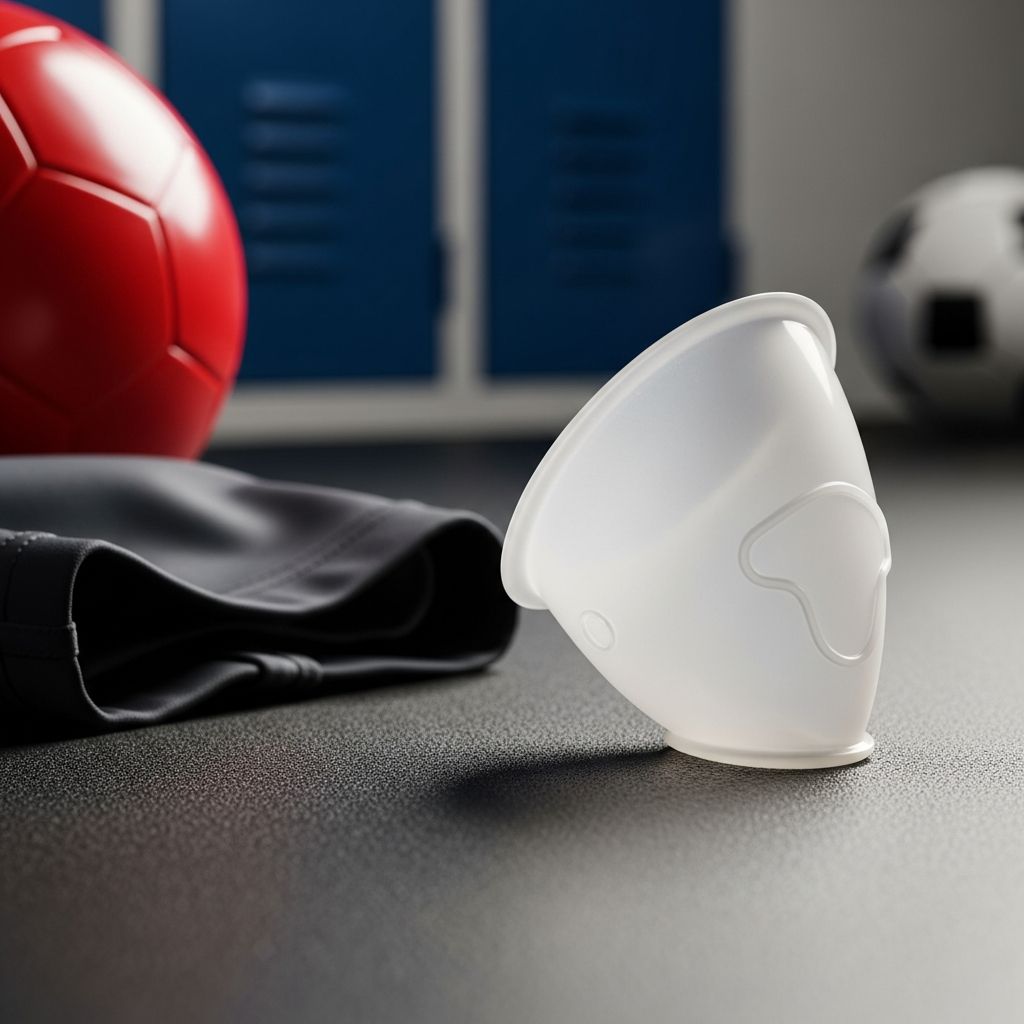
- Wear a properly fitted athletic cup for contact and collision sports, such as football, hockey, lacrosse, martial arts, and baseball.
- Use a jockstrap or compression shorts to keep the cup in the correct position.
- Choose bikes with seats that are comfortable and supportive, and adjust the height to avoid sliding forward onto the bar.
Safe habits
- Warm up and stretch before sports to improve balance and coordination.
- Follow rules during games and avoid intentional hits to the groin.
- Use seatbelts and appropriate protective gear for wheeled sports and vehicles.
- Keep sharp tools, power equipment, and animals at a safe distance from your lap area.
Emotional Side: Embarrassment, Worry, and Asking for Help
Talking about your genitals can feel uncomfortable, but ignoring pain out of embarrassment can be riskier than speaking up. Health professionals are used to these conversations and will treat your questions respectfully.
- If you are a teen, consider telling a parent, guardian, coach, or school nurse if something feels wrong.
- If you feel too shy to talk in detail, you can start with, “I hurt myself down there and it still really hurts.”
- Remember that your future fertility and sexual health are worth more than a few minutes of awkwardness.
Frequently Asked Questions About Testicular Injuries
1. How long should pain last after a minor hit?
Sharp pain right after a small hit usually eases within a few minutes, though a dull ache can last for a few hours. If the pain is still strong after an hour, is getting worse, or is joined by swelling, nausea, or other symptoms, it is time to get checked.
2. Can testicular injuries make someone infertile?
Most mild injuries do not cause infertility, especially if they are treated properly and heal well. More serious injuries that damage both testicles or cut off blood supply for a long time can affect sperm production, which is why quick medical care is so important.
3. Do both testicles have to work for normal puberty and sex life?
No. One healthy testicle usually makes enough testosterone and sperm for typical puberty changes, normal erections, and the possibility of pregnancy in the future. Many people live healthy, full lives with only one testicle.
4. What is the difference between torsion and a regular injury?
A regular injury happens when something hits or squeezes the testicle. Torsion can occur with or without an impact and involves the spermatic cord twisting, which quickly blocks blood flow. Torsion is an emergency because the testicle can be permanently damaged if blood cannot reach it in time.
5. Is it normal to feel worried or embarrassed about testicle problems?
Yes. Many teens feel awkward discussing anything related to genitals, but health providers see these issues all the time. Being honest about your symptoms is the best way to protect your health and get the right treatment.
6. When should a parent or guardian take a teen to the emergency department?
Go immediately if there is sudden, severe testicle pain, a testicle that looks higher or twisted, extreme swelling or bruising, blood in the urine, or an open or deep wound to the scrotum. These signs can indicate conditions that need quick treatment to prevent long-term damage.
Key Takeaways
- Testicles are sensitive but also very important for hormones and fertility, so pain in this area should never be ignored.
- Most minor injuries improve with rest, support, and cooling, but severe pain, major swelling, or changes in testicle position are warning signs.
- Fast medical attention can often save a damaged testicle and reduce the risk of long-term problems.
- Wearing proper sports gear and using safe habits can lower your chances of serious testicular injuries.
- Feeling shy is normal, but speaking up about testicle pain is a strong and responsible choice for your health.