Lactate dehydrogenase (LDH) is an enzyme vital for energy production in nearly every cell of the body. In children, an LDH blood test helps detect and monitor tissue damage from various causes, such as injuries, infections, anemia, or serious conditions like cancer. This test measures LDH levels released into the bloodstream when cells are injured or destroyed.
Understanding LDH and Its Role in the Body
LDH, or lactate dehydrogenase, facilitates the conversion of lactate to pyruvate, aiding cellular energy during low-oxygen states. Found in high concentrations in the heart, liver, kidneys, muscles, brain, lungs, and blood cells, elevated levels signal damage in these tissues. In pediatric care, this test is particularly useful because children may not always articulate symptoms clearly.
For growing kids, normal cell turnover occurs, but excessive LDH release indicates issues like inflammation or trauma. Unlike adults, children’s dynamic physiology means baseline levels can vary by age, making age-specific reference ranges essential.
Common Reasons for LDH Testing in Children
Pediatricians order LDH tests to investigate unexplained symptoms or monitor known conditions. Key triggers include:
- Suspected tissue injury from accidents, sports, or trauma.
- Monitoring chronic issues like anemia or muscular dystrophy.
- Evaluating organ function in liver or kidney concerns.
- Assessing cancer progression or treatment response in pediatric oncology.
- Investigating infections or inflammatory diseases.
In kids with symptoms like persistent fatigue, abdominal pain, jaundice, or muscle weakness, LDH provides initial clues, often alongside other tests like liver enzymes or complete blood counts.
How the LDH Test is Performed on Children
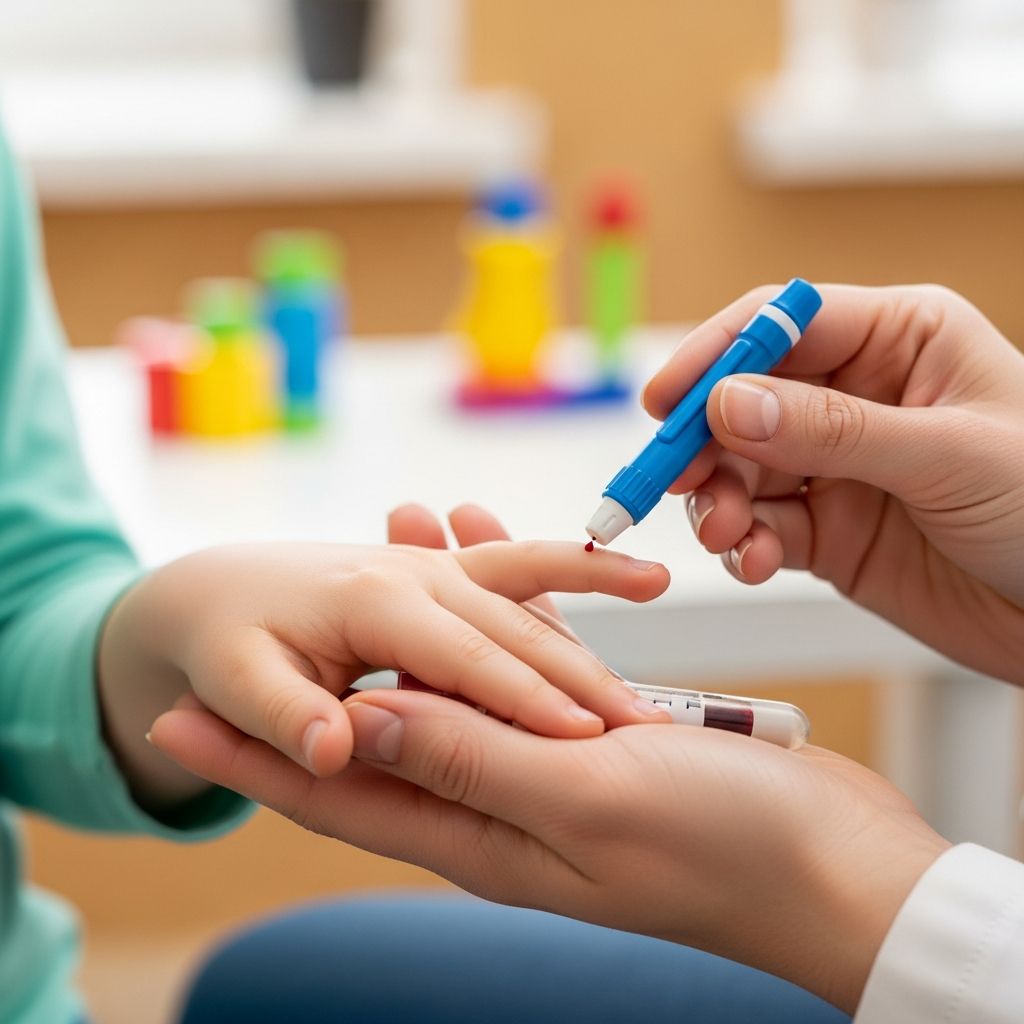
The procedure mirrors standard blood draws but adapts to a child’s needs. A phlebotomist or nurse uses a small needle to collect blood from a vein, usually in the arm’s inner elbow. For infants or toddlers, heel or finger pricks may suffice.
Preparation is minimal: no fasting required, though hydration helps. Parents can distract young ones with toys or videos. The draw takes 1-3 minutes; a bandage follows. Mild bruising or soreness is common but resolves quickly.
| Age Group | Common Draw Site | Preparation Tips |
|---|---|---|
| Infants (0-2 years) | Heel prick | Swaddle and feed beforehand |
| Toddlers (2-5 years) | Finger prick or arm vein | Use stories or bubbles to calm |
| School-age (6-12 years) | Arm vein | Explain process simply; offer comfort item |
| Teens (13+ years) | Arm vein | Treat like adult; discuss anxiety reducers |
Risks are low: infection or excessive bleeding is rare. Allergic reactions to bandages occur seldom.
Normal LDH Levels in Children
LDH values differ by age due to growth and organ development. Labs use these ranges (in U/L):
- Newborns: 160-450
- Infants (1-12 months): 180-430
- Children (1-15 years): 140-280
- Adolescents: 120-240
These are approximate; consult lab-specific references. Slight elevations post-exercise or stress are normal in active kids.
Interpreting Elevated LDH in Pediatric Patients
High LDH suggests cell damage but is nonspecific. Doctors correlate with symptoms and tests. Common pediatric causes:
- Anemia: Hemolytic types destroy red cells prematurely.
- Infections: Meningitis, mono, or pneumonia inflame tissues.
- Organ Damage: Hepatitis, kidney issues, or heart conditions.
- Muscle Problems: Injury, dystrophy, or rhabdomyolysis.
- Cancers: Leukemia, lymphoma, or solid tumors like neuroblastoma.
For example, in liver disease stages, early inflammation raises LDH before jaundice appears. In cancer, it gauges tumor burden during chemo.
Low LDH Levels: What They Mean for Kids
Rarely, low levels occur with vitamin B12 deficiency or genetic LDH absence, but they’re less concerning. Most focus remains on elevations.
LDH Testing for Specific Childhood Conditions
Hemolytic Anemia in Children
This condition breaks down red blood cells faster than normal, releasing LDH. Symptoms include pallor, fatigue, and jaundice. LDH helps confirm and track treatment like transfusions.
Liver and Kidney Monitoring
Pediatric liver issues from infections or metabolic disorders elevate LDH alongside ALT/AST. Kidney tests pair it with creatinine.
Oncology Applications
In leukemia or lymphoma, LDH predicts prognosis and monitors therapy. Post-chemo drops indicate success.
Musculoskeletal Injuries
After fractures or strains, LDH rises temporarily, aiding severity assessment.
Preparing Your Child for an LDH Test
Anxiety is common; preparation eases it:
- Explain age-appropriately: “It’s a quick poke to check your super cells.”
- Practice with play: Use syringes without needles.
- Schedule mornings when kids are rested.
- Reward post-test.
For repeated tests in chronic care, consistency builds trust.
Follow-Up After LDH Results
Normal results rule out acute damage; abnormals prompt imaging, biopsies, or specialist referrals. Trends over time are key for progression.
Parents should note symptoms between tests and report changes.
Advances in LDH Testing for Pediatrics
Point-of-care tests and isoenzyme analysis pinpoint damage sources (e.g., LDH-1 for heart). Genetic insights link LDH to metabolic disorders.
Frequently Asked Questions (FAQs)
What causes high LDH in kids?
High levels indicate tissue damage from anemia, infections, organ disease, muscle injury, or cancer. It’s not diagnostic alone.
Is fasting needed for kids’ LDH test?
No, fasting isn’t required, making it child-friendly.
How accurate is LDH for diagnosing cancer in children?
It assesses severity and monitors treatment but requires other tests for diagnosis.
Can exercise affect a child’s LDH results?
Yes, strenuous activity temporarily raises levels; rest before testing is advised.
When is LDH tested in body fluids for kids?
For fluid buildup or meningitis suspicion, like in pleural or cerebrospinal fluid.
Empowering Parents: Next Steps
Discuss results with your pediatrician. Track family history for risks like anemias. Healthy lifestyles support normal levels: balanced diet, activity, vaccinations.
References
- What Is a Lactate Dehydrogenase (LDH) Test? — WebMD. 2023-10-15. https://www.webmd.com/fatty-liver-disease/lactic-acid-dehydrogenase-test
- Lactate dehydrogenase test — UCSF Benioff Children’s Hospitals. 2024-02-20. https://www.ucsfbenioffchildrens.org/medical-tests/lactate-dehydrogenase-test
- Lactate Dehydrogenase (LDH) Test — Testing.com. 2024-05-10. https://www.testing.com/tests/lactate-dehydrogenase-ldh/
- LD – Overview: Lactate Dehydrogenase (LDH), Serum — Mayo Clinic Laboratories. 2023-11-01. https://www.mayocliniclabs.com/test-catalog/overview/8344
- Lactate dehydrogenase (LDH) test — NHS. 2023-08-12. https://www.nhs.uk/tests-and-treatments/ldh-test/
- LDH (Lactate Dehydrogenase) Test: What It Is & Results — Cleveland Clinic. 2024-01-18. https://my.clevelandclinic.org/health/diagnostics/22736-lactate-dehydrogenase-ldh-test