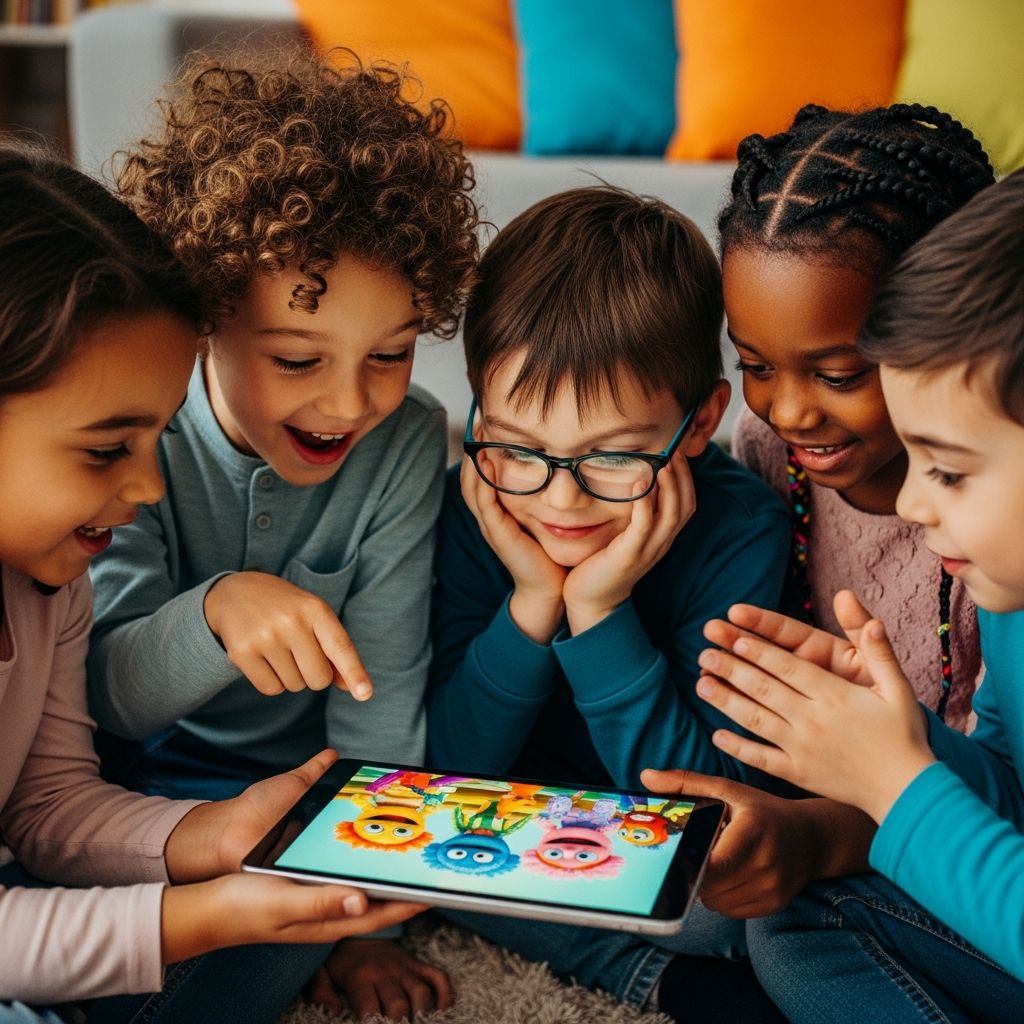
Puppets on screen have a special kind of magic: they are clearly toys, yet they feel alive, funny, and deeply relatable to children. For many families, movie and TV puppets are an ideal bridge between imaginative play and screen time. This guide walks parents through why kids bond so strongly with puppets, which types of puppet characters tend to be age-appropriate, and how to turn a simple puppet-filled show into rich learning and play at home.
Why Puppets on Screen Captivate Kids
Children don’t need CGI spectacle to be amazed. A felt creature with visible stitches and a squeaky voice can win their attention and affection because puppets sit perfectly between real and pretend.
- Visible make-believe: Kids can see that a puppet is an object, which makes it less threatening than ultra-realistic animated creatures. This helps them explore big feelings safely.
- Clear expressions: Exaggerated eyes, mouths, and movements make emotions easier to read, supporting early emotional understanding and empathy.
- Simple, strong personalities: Puppets usually embody a few recognizable traits: the silly one, the worried one, the curious one. Young children quickly latch on to these patterns and follow stories more easily.
- Inviting imitation: Because puppets look like toys, kids naturally want to copy them with their own dolls, stuffed animals, or handmade puppets.
Research on early childhood learning supports what parents see anecdotally: when children are engaged with playful tools like puppets, they show stronger attention, more participation, and better language practice.
Developmental Benefits of Puppet-Filled Screen Time
Puppets are not just entertaining; they can also support important areas of your child’s development when you choose content thoughtfully and follow it up with play.
| Area of Development | How Movie & TV Puppets Help | What Parents Can Do |
|---|---|---|
| Language & Literacy | Puppets speak in short, expressive sentences, repeat phrases, and act out stories, which supports vocabulary and narrative understanding. | Pause to repeat funny lines together, ask your child what happened first/next/last, and act out favorite scenes with a puppet. |
| Social & Emotional Skills | Through puppet conflicts and friendships, kids see examples of sharing, apologizing, feeling scared, and cheering each other on. | Label emotions you see (“He looks disappointed”), and ask how the character might feel or what they could do differently. |
| Imagination & Creativity | Puppet worlds are obviously invented, inviting children to create their own stories rather than passively consume action. | Give simple art materials after watching. Encourage your child to “write” or tell a new episode for their favorite puppet. |
| Confidence & Self-Expression | Some shy children find it easier to talk “through” a puppet or to a puppet than to adults directly. | Offer a puppet as a “spokesperson” when your child wants to share something tricky or talk about their day. |
| Behavior & Problem-Solving | Studies in preschool settings show puppet storytelling can improve everyday behaviors and cooperation. | Use a puppet character to model taking turns, tidying up, or coping with frustration in short home-made skits. |
Types of Puppet Characters You’ll See on Screen
You will find lots of different puppet styles in family movies and TV. Knowing the basic types can help you pick what fits your child’s age and temperament.
1. Soft, Fuzzy Friends (Most Preschool Shows)
These puppets typically have round shapes, bright colors, big eyes, and gentle voices. They are ideal for toddlers and preschoolers because their design emphasizes safety and warmth.
- Focus on friendship, sharing, and routines.
- Limited, slow action makes it easier for very young viewers to follow the story.
- Plenty of songs and repetition support early speech and memory.
2. Mischievous Comic Relief Characters
These puppets are loud, silly, or a bit chaotic. They overreact to small situations and make big physical jokes.
- Great for early school-age kids who enjoy slapstick and sarcasm.
- Often used to discuss consequences: when the wild puppet makes a bad choice, the show explores how to fix it.
- Parents may want to talk about “funny on TV” versus “okay at home” behavior.
3. Wise or Caring Guide Figures
Some puppets act more like caregivers, teachers, or storytellers. They introduce concepts, answer questions, and calm worried characters.
- Useful when your child is facing new experiences—school, a new sibling, or doctor visits.
- Help frame learning topics such as numbers, letters, and basic science in a non-intimidating way.
- Good candidates for “co-viewing,” where you pause and chat about what the guide puppet is explaining.
4. Fantasy Creatures and Monsters
From dragons to silly monsters, fantasy puppets give kids a way to explore fear and bravery through exaggerated creatures.
- Best for kids who already understand the difference between real and pretend.
- Can open conversations about nightmares, scary sounds, and feeling safe.
- Look for shows where monsters are friendly or clearly humorous if your child is sensitive.
How to Choose Puppet-Based Shows for Different Ages
Not every puppet program is right for every child. Here are ways to match content to your child’s stage.
Toddlers (1–3 Years)
- Choose slow-paced shows with simple story lines and plenty of repetition.
- Look for gentle voices and limited visual chaos or jump cuts.
- Prioritize shows that emphasize everyday routines: washing hands, bedtime, and sharing toys.
Preschoolers (3–5 Years)
- Introduce stories with very mild conflict that gets quickly resolved.
- Pick series that build basic literacy and numeracy through puppet storytelling and songs.
- Consider shows that model naming emotions and calming strategies (deep breaths, asking for help).
Early School-Age Kids (6–8 Years)
- Look for more complex plots where puppets go on quests, solve mysteries, or invent things.
- Humor can be goofier or more sarcastic; just be ready to talk about respectful language at home.
- This is a good age to show behind-the-scenes clips, so kids can see how puppetry works and maybe build their own.
Turning Puppet Viewing Into Active Learning
Screen time with puppets becomes far more powerful when you follow it with real-world play. Educators consistently find that puppets increase participation and focus during learning activities. Families can borrow those strategies at home.
Before You Press Play
- Ask a simple prediction: “What do you think this puppet will be like?”
- Show a picture of the character and invite your child to invent a name and personality.
- Set expectations: how long you’ll watch, and what you’ll do afterward (like making a puppet together).
While You Watch Together
- Occasionally pause to ask, “What’s happening now?” or “How do you think she feels?”
- Repeat key phrases or songs and encourage your child to join in.
- Point out positive behaviors: sharing, apologizing, problem-solving.
After the Episode Ends
This is where movie and TV puppets become springboards for creativity rather than just passive entertainment.
- Puppet replay: Help your child retell the story with a stuffed animal or sock puppet.
- Change the ending: Ask, “What if the puppet made a different choice?” and act it out.
- Real-life connection: Link the lesson to home (“Remember how the puppet asked for help when the tower fell?”).
Simple Home Puppet Ideas Inspired by On-Screen Favorites
You don’t need special supplies to let your child bring screen puppets into everyday play. Homemade puppets can be just as effective for language development, confidence, and imagination as professional ones.
- Sock friends: Use a clean sock, markers, and tape-on paper eyes. Let your child decorate while you talk about the puppet’s favorite food, color, and song.
- Paper-bag characters: Draw faces on lunch bags and glue on paper arms or yarn hair. Turn them into characters from the show or totally new ones.
- Finger puppets: Draw small faces on your fingers with washable markers or wrap a scrap of paper into a tube and tape it.
- Shadow puppets: Cut simple shapes (animals, people, spaceships) from cardboard and tape them to sticks. A lamp and a blank wall become a home theater.
As your child plays, you can gently guide the story toward social skills, new words, or problem-solving, just like screen puppets do.
Safety and Screen-Time Tips for Puppet Lovers
Puppet-based content is often gentler than other screen options, but the usual healthy screen-time guidelines still apply.
- Favor short episodes for younger children so you have natural stopping points.
- Use tools like timers or visual schedules to show when it’s almost time to turn off the show.
- Watch the first episode of a new show with your child to check for fear triggers or behavior you don’t want copied.
- Model balanced habits: talk about how you also turn off screens to read, go outside, or play.
Frequently Asked Questions About Kids and Screen Puppets
Are puppet shows better than cartoons for young kids?
Both can be positive, but puppets offer some unique advantages. Research in early childhood classrooms shows that puppet-based interactions can boost engagement, vocabulary, and social communication by giving children a concrete object to focus on and talk through. That said, quality and your involvement as a parent matter more than the specific medium.
Can puppet characters help with my child’s shyness?
Yes. Studies and practitioner reports indicate that shy children often feel safer speaking through or to puppets, which can help them practice social language in a low-pressure way. You can invite your child to “tell the puppet” about their day or let the puppet ask simple questions.
How much screen time with puppets is okay?
Guidelines vary by age, but pediatric and child-development experts generally emphasize quality and interaction over strict minutes. Co-viewing, talking about the story, and following up with offline puppet play make the time more valuable than passive viewing alone. Check current recommendations from reputable health organizations and adapt them to your family’s routine.
My child copies the silliest puppet behavior. What should I do?
Use it as a teaching moment. Acknowledge that the puppet is funny on screen, then clearly explain what is and is not okay at home. You can even stage a short home puppet skit where a character learns more respectful behavior and gets praise for changing.
Do I need to buy official character puppets from the shows we watch?
No. Homemade puppets provide the same developmental benefits—sometimes more—because children have to invent their own characters, stories, and dialogue. Simple socks, paper bags, and cardboard figures are often enough to spark rich, imaginative play inspired by their favorite on-screen friends.
References
- Hand Puppets for Kids: How They Enhance Early Literacy Development — Sprig Learning. 2022-04-20. https://www.spriglearning.com/hand-puppets-kids-early-literacy-development/
- 10 Benefits of Using Puppets in Our Classrooms — Una finestra oberta (Viaro Global School). 2021-03-10. https://viaro.org/unafinestraoberta/10-benefits-puppets-classrooms/
- The Benefits of Using Puppets in Early Childhood Classrooms — Building Wings. 2023-02-15. https://www.buildingwings.com/blog/benefits-of-using-puppets-in-early-childhood-classrooms/
- The Amazing Benefits of Playing with Puppets in Early Childhood — Best Start Resource Centre. 2019-06-01. https://applecrossps.wa.edu.au/sites/default/files/inline-files/The%20Amazing%20Benefits%20of%20Playing%20with%20Puppets%20in%20Early%20Childhood.pdf
- Playing with Puppets — Michigan State University Extension (4-H). 2014-01-01. https://www.canr.msu.edu/uploads/files/4-H/Playing_with_Puppets.pdf
- Why puppet play is good for child development — Raising Children Network (Australia). 2020-08-07. https://raisingchildren.net.au/toddlers/videos/puppet-play
- Effectiveness of the Puppet Show and Storytelling Methods on the Knowledge and Behavior of Preschool Children — Eshghi et al., International Journal of Preventive Medicine. 2018-10-18. https://pmc.ncbi.nlm.nih.gov/articles/PMC6298167/