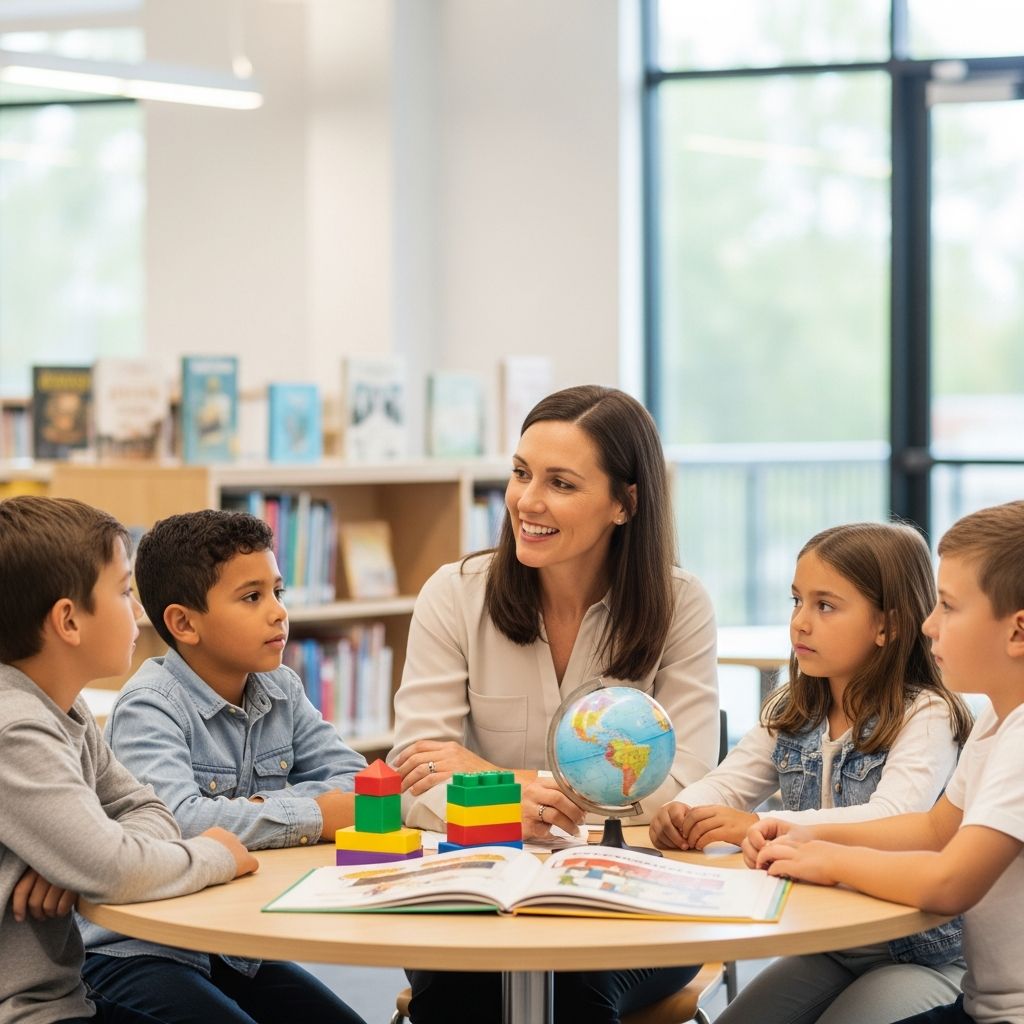
Children notice economic disparities early in life, often by age five, forming views on fairness and status that shape their worldview. Open discussions at home can transform these observations into opportunities for empathy and equity, countering biases reinforced by schools and media.
Why Early Dialogues Matter for Young Minds
From preschool onward, kids absorb messages about wealth and poverty through play, news, and interactions. Research shows children as young as five can identify middle-class neighborhoods and deem rich-poor divides unfair, yet without guidance, they may develop stereotypes or shame. Discussing these topics helps children see poverty as circumstantial, not definitional, fostering compassion over pity.
In educational settings, class influences self-perception profoundly. Upper-middle-class students often internalize entitlement via meritocratic narratives, viewing themselves as inherently special, while working-class peers learn conditional worth tied to rule-following. Parents bridging these gaps at home equip kids to navigate society with nuance.
Age-Appropriate Ways to Start the Conversation
Tailor talks to developmental stages. For ages 3-5, use simple stories about sharing resources. Ages 6-8 benefit from real-world examples like community helpers. Older elementary kids handle abstracts like policy impacts.
- Preschoolers: Point out “a person experiencing homelessness” during walks, emphasizing temporary circumstances.
- Early Elementary: Discuss neighborhood differences via books, asking, “Is it fair some have bigger homes?”
- Upper Elementary: Explore news stories on inequality, linking to actions like fair trade advocacy.
Frame inequality as unfair but fixable, encouraging kids to envision solutions. This nurtures civic identity and reduces stereotypical beliefs.
Practical Strategies for Everyday Talks
Incorporate class discussions seamlessly. During grocery trips, compare prices to explain choices: “Some families pick cheaper options to make ends meet.” Avoid shielding; use curiosity as a launchpad.
| Scenario | Parent Response | Goal |
|---|---|---|
| Child sees luxury toy ad | “That toy is fun, but joy comes from playmates too, not just things.” | Counter materialism |
| Observes homeless person | “Everyone deserves a safe home; society works to help.” | Build empathy |
| Compares family budget | “We choose priorities like education over extras—different families do too.” | Normalize diversity |
Encourage questions: “Why do some have more?” Respond factually, tying to systemic factors without blame.
Using Books and Media to Illustrate Equity
Children’s literature demystifies class. Select titles showing diverse families thriving despite means, sparking talks on shared humanity. Pair with news: Discuss stories of bias overcome, like dancers breaking barriers, to highlight resilience.
Activities amplify impact:
- Read-alouds followed by “How might that family feel?”
- Media clips on community aid, questioning charity vs. justice.
- Draw “fair world” pictures, comparing to reality.
Countering School and Peer Influences
Schools subtly teach station: Elite environments breed confidence in shaping futures; others instill caution. Home counters this by affirming all kids’ potential. Discuss play scenarios where roles reflect class, like “princess-maid,” unpacking assumptions.
Promote cooperative play over possession-focused sharing. Redirect from new toys to experiences, fostering value beyond wealth.
Building Empathy Through Action-Oriented Learning
Move beyond talk to deeds. Frame service as justice: Create classroom toy banks for exchanges, not pity donations. Explore root causes like housing policies in family projects.
Exercises raise awareness:
- Privilege Walk: Step forward/back for advantages, discussing feelings.
- Symbol Sort: Classify items by perceived class, debating biases.
Navigating Sensitive Topics Like Family Status
If your family faces economic challenges, normalize it: “We make smart choices; richness is in relationships.” For affluence, teach gratitude and sharing without superiority. Address shame proactively, celebrating non-material strengths.
Long-Term Benefits of Class-Conscious Parenting
These talks yield resilient, inclusive kids who challenge inequities. They view poverty as unfair, motivating correction, and appreciate diverse paths to success. Early anti-bias education combats entitlement and fragility across classes.
Frequently Asked Questions (FAQs)
What age should I start talking about economic differences?
Begin around age 3-5, as children notice disparities then. Use simple, concrete examples matching their observations.
How do I avoid making my child feel guilty about privilege?
Focus on gratitude and action, not shame. Emphasize everyone’s inherent worth beyond wealth.
What if my child asks about homelessness?
Say, “It’s a tough situation due to job loss or high costs; communities help, and fairness means supporting change.” Promotes hope.
Can these talks reduce bullying related to class?
Yes, by building empathy and anti-bias skills, kids are less likely to stereotype or exclude.
Are there risks in discussing inequality too early?
Minimal if age-appropriate; shielding breeds misconceptions. Guided talks empower.
Expand these FAQs into ongoing dialogues, adapting to your child’s evolving understanding for lasting impact.
References
- Addressing Inequity with Anti-Bias Education — NAEYC. 2020-02-01. https://www.naeyc.org/resources/pubs/tyc/feb2020/inequity-with-anti-bias-education
- How schools teach children about their social station — Harvard Gazette. 2023-06-01. https://news.harvard.edu/gazette/story/2023/06/how-schools-teach-children-about-their-social-station/
- How to talk to your young children about economic and social class — YouTube/KPRC. N/A. https://www.youtube.com/watch?v=MAdchegxpRI
- Classroom Exercises: Inclusion of Socioeconomic Status — American Psychological Association. N/A. https://www.apa.org/pi/ses/resources/publications/classroom-exercises
- Teaching Young Children About Bias, Diversity, and Social Justice — Edutopia. N/A. https://www.edutopia.org/blog/teaching-young-children-social-justice-jinnie-spiegler