Food is the fuel that powers your body for school, sports, playing with friends, and growing strong. Some foods give your body long-lasting power, while others taste great but don’t help you much on the inside. Knowing the difference helps you feel your best without giving up all your favorites.
This guide explains an easy way to think about food so kids can make confident choices at home, at school, and when eating out. It is not about strict dieting or counting calories. Instead, it focuses on building a habit of choosing foods that help your body most of the time and saving less helpful foods for sometimes.
Why Your Food Choices Matter
Your body uses food to build muscles, keep your brain focused, and protect you from getting sick. When you regularly choose foods that support these jobs, you will usually:
- Have more energy to run, play, and participate in sports.
- Pay better attention in class and finish homework more easily.
- Grow at a healthy rate and feel stronger over time.
- Get fewer stomachaches and feel more comfortable in your body.
On the other hand, when most of your food comes from options that are low in nutrients but high in sugar, salt, or unhealthy fats, you may feel tired, moody, or overly full without getting the building blocks your body needs. Balance is the goal, not perfection.
An Easy Way to Think About Foods
Instead of thinking of foods as “good” or “bad,” imagine three friendly groups of food based on how often your body would like to see them. This makes it easier to make a quick choice at the cafeteria line, at a birthday party, or when you open the fridge at home.
These three groups are:
- Everyday heroes – Foods your body loves to see often.
- In-between helpers – Foods that can fit in regularly but should share the spotlight.
- Just-for-fun treats – Foods that are mostly for taste and excitement.
All three groups can have a place in your life. The secret is how often each group shows up on your plate.
Everyday Heroes: Foods That Power You Up
Everyday heroes are the foods that do the most work for your body. They give you vitamins, minerals, fiber, and long-lasting energy. Most of what you eat each day should come from this group.
Examples of Everyday Heroes
- Colorful fruits: apples, oranges, bananas, berries, grapes, melons.
- Vegetables of all kinds: carrots, broccoli, spinach, cucumbers, peppers, tomatoes, peas.
- Whole grains: oatmeal, whole-wheat bread, brown rice, whole-grain pasta, quinoa.
- Lean proteins: beans, lentils, chicken without skin, turkey, fish, eggs, tofu, nuts (if safe for you).
- Healthy dairy or fortified alternatives: plain milk, yogurt, fortified soy drinks, cheeses in moderate amounts.
These foods help your heart, muscles, bones, and brain. Try to fill most of your plate with them at each meal. When you are hungry for a snack, check if there is an everyday hero available before opening a bag of chips or cookies.
Simple Ways to Add More Everyday Heroes
- Add sliced fruit or berries to your breakfast cereal or oatmeal.
- Ask for an extra scoop of vegetables with your dinner.
- Choose whole-grain bread for sandwiches instead of white bread.
- Snack on carrot sticks, cucumber slices, or a small handful of nuts.
- Drink water or milk instead of sugary drinks most of the time.
In-Between Helpers: Foods to Enjoy in Balance
In-between helpers are foods that can be part of a healthy diet but may have a bit more added sugar, salt, or fat than everyday heroes. They still bring some nutrients, but your body does not need them at every meal.
Examples of In-Between Helpers
- White bread, white rice, and regular pasta.
- Flavored yogurt with added sugar.
- Reduced-fat cheeses and some deli meats that are lower in fat and salt.
- Baked chips or lightly sweetened cereals.
- Some sauces and dressings used in small amounts.
You might eat these foods several times a week, but they should not push everyday heroes off your plate. Think of them as sidekicks that can join the meal as long as the main characters are still the healthy options.
Tips for Using In-Between Helpers Wisely
- Pair them with everyday heroes, like serving white rice with a big portion of beans and vegetables.
- Check how much you are using—small servings are often enough.
- Switch to the everyday hero version when you can, such as whole-grain bread instead of white.
- Try not to turn every meal into a plate full of in-between helpers by forgetting fruits and veggies.
Just-for-Fun Treats: Foods for Once-in-a-While Moments
Just-for-fun treats are mostly about flavor and enjoyment. They do not offer many vitamins, minerals, or fiber, and usually contain a lot of sugar, salt, or unhealthy fats. They fit best as once-in-a-while extras instead of everyday regulars.
Examples of Just-for-Fun Treats
- Candy, chocolate bars, and gummy sweets.
- Sugary drinks like soda, energy drinks, and sweetened teas.
- Deep-fried foods like fries and fried chicken.
- Cakes, cookies, doughnuts, and pastries.
- Very salty snacks such as some chips, cheese puffs, and buttered popcorn with extra salt.
Enjoying these foods sometimes is perfectly okay. They become a problem when they show up most days or take the place of the more helpful foods your body needs.
Making Treats Fit into a Healthy Week
- Save treats for celebrations, weekends, or special family times instead of eating them every day.
- Keep portions small so you can taste and enjoy them without overdoing it.
- Try sharing a dessert instead of having one all to yourself.
- Balance a treat by choosing healthier options at other meals that day.
Food Group Guide: What Your Plate Might Look Like
To help you picture how these food groups can fit into real meals, here is a simple table showing examples of foods from each group. Remember that it is only a guide; you do not have to match it perfectly every day.
| Food Group | Everyday Heroes | In-Between Helpers | Just-for-Fun Treats |
|---|---|---|---|
| Grains | Oatmeal, whole-wheat bread, brown rice | White bread, regular pasta | Sweet pastries, sugary breakfast bars |
| Fruits & Vegetables | Fresh fruit, raw or cooked veggies | Fruit canned in light syrup, vegetable soup with some added salt | Fried vegetables with heavy batter, fruit snacks with little real fruit |
| Protein | Beans, grilled chicken, fish, eggs, tofu | Lean deli meats, burgers made with less fat | Fried meats, sausages, very fatty burgers |
| Dairy & Alternatives | Plain milk, unsweetened yogurt, fortified soy drinks | Flavored yogurt, chocolate milk | Ice cream sundaes with lots of toppings, milkshakes |
| Snacks & Drinks | Fresh fruit, nuts (if safe), air-popped popcorn | Baked chips, lightly sweetened granola bars | Candy, soda, energy drinks, heavily salted chips |
Building a Balanced Meal Without Stress
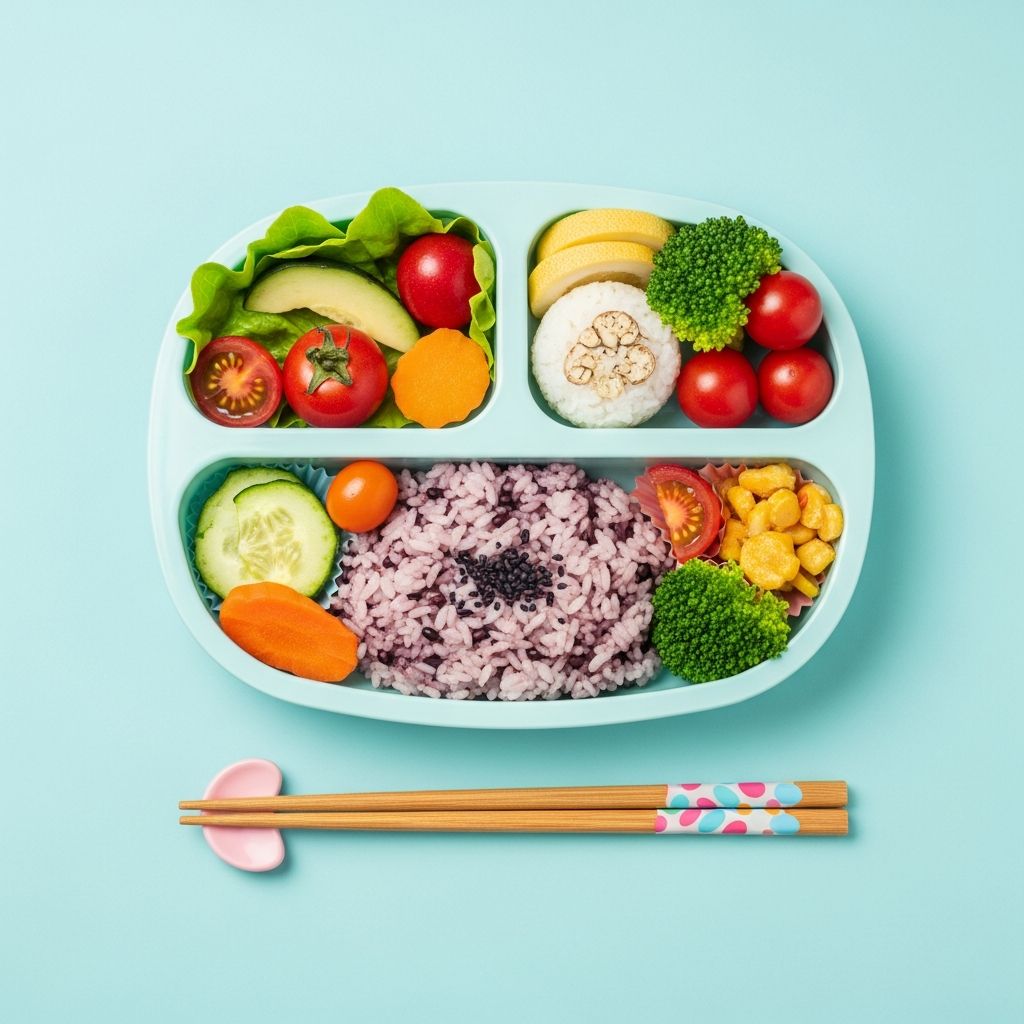
Eating well does not have to be complicated. A simple way to build a meal is to picture your plate divided into different sections. Try to cover half the plate with fruits and vegetables, fill one quarter with grains (preferably whole grains), and the last quarter with a source of protein.
Here is how that might look:
- Breakfast: Oatmeal topped with banana slices and a glass of milk.
- Lunch: Turkey or bean sandwich on whole-grain bread, carrot sticks, and an apple.
- Dinner: Grilled chicken or tofu, brown rice, and a large serving of mixed vegetables.
If one meal is not perfectly balanced, that is okay. Your goal is to aim for overall balance across the day or week, not perfection at every single meal.
Smart Snacking: Keeping Energy Steady
Snacks are a big part of many kids’ daily eating habits. A snack should give you energy until the next meal, not replace it or make you too full for it. Choosing the right snack helps your body stay fueled for learning and playing.
Snack Ideas That Help Your Body
- Apple slices with a small spoonful of peanut butter (if safe for you).
- Yogurt with a handful of fresh fruit.
- Whole-grain crackers with cheese or hummus.
- Carrot sticks and cucumber slices.
- A small handful of nuts or trail mix (without candy pieces).
Try to limit snacks that are mostly sugar, such as candy, or mostly salt and fat, such as very greasy chips. These can make your energy crash or leave you feeling sluggish.
Drinks: What You Sip Matters Too
Drinks can quietly add a lot of sugar and extra energy that your body does not need. Many kids drink sugary beverages without realizing how much they add up over a day or week. Choosing healthier drinks is one of the easiest ways to support your body.
Better Drink Choices
- Water most of the time, especially during and after playing sports.
- Plain milk or fortified alternatives at meals.
- Small servings of 100% fruit juice, not too often.
Try to keep sodas, fruit drinks with added sugar, energy drinks, and super-sweet teas in the just-for-fun group. If you do have them, think of them as treats rather than everyday habits.
Making Better Choices at School and on the Go
You make many food decisions outside your home, like in the school cafeteria, at a friend’s house, or in restaurants. You cannot always control what is offered, but you can usually find options that help your body more than others.
Tips for School Lunches
- Look for at least one fruit and one vegetable to add to your tray.
- Choose grilled or baked items instead of fried when possible.
- Pick water or milk instead of sugary drinks.
- Limit extra sauces, gravies, or dressings, or ask for them on the side.
Tips for Eating Out
- Share a large meal with a friend or family member if portions are big.
- Ask for a side salad, fruit, or vegetables instead of fries sometimes.
- Skip refills of sugary drinks and choose water instead.
- Balance restaurant meals by choosing lighter options at other meals that day.
Working with Family to Eat Well
Kids are not the only ones making food decisions. Parents and caregivers choose what to buy and cook, so it helps to work as a team. Talking calmly about food gives everyone a chance to share what they like and what they want to improve.
You can help by:
- Asking to add more fruits or vegetables to meals and snacks.
- Helping plan a weekly menu with a mix of your favorites and healthy options.
- Going grocery shopping and helping pick out new fruits, veggies, or whole grains to try.
- Helping with simple kitchen tasks like washing produce or stirring ingredients.
Listening to Your Body
Making smart food choices is not only about what you eat but also about how you feel when you eat it. Learning to notice hunger and fullness helps prevent overeating and teaches you to respect your body’s signals.
Body Signals to Notice
- Hunger signals: stomach growling, feeling empty, or having trouble concentrating.
- Comfortable fullness: you feel satisfied, not stuffed, and can move easily.
- Too full: belly feels tight or heavy, you may feel sleepy or uncomfortable.
Try to eat when you are truly hungry and stop when you feel comfortably full, even if there is still food on your plate. This can take practice, so be patient with yourself.
Common Questions Kids Ask About Food
FAQ: Is it wrong to eat candy or chips?
No, it is not wrong. Treats like candy or chips can be part of your life as long as they stay in the just-for-fun group. That means enjoying them sometimes, in small amounts, and not letting them replace meals or snacks with fruits, vegetables, whole grains, and proteins.
FAQ: What if my friends eat junk food all the time?
Everyone’s family has different rules and habits. You can still enjoy time with friends while making choices that help your own body feel good. Try to choose healthier options when you can and remember that you do not have to copy everything your friends do to fit in.
FAQ: I am picky. How can I eat healthier?
Start with small steps. Try one new food at a time, and give it a few tries before deciding you do not like it. You might enjoy a food cooked a different way, such as raw instead of cooked, or with a favorite dip or seasoning.
FAQ: Do I need to count calories?
Most kids do not need to count calories. It is more important to focus on the types of foods you eat and how they make you feel. Eating a variety of everyday heroes, paying attention to your hunger and fullness, and staying active usually supports a healthy body.
FAQ: How can I remember which foods to choose?
You can make a simple chart at home or in your notebook with three columns for everyday heroes, in-between helpers, and just-for-fun treats. When you are unsure what to pick, think about which group the food belongs to and how often you have already had foods from that group that day.
Taking Charge of Your Eating Habits
As you grow, you will make more and more of your own choices about food. Learning to tell which foods give you lasting strength and which are better saved for special moments is a powerful skill. You do not have to eat perfectly to be healthy; you simply need to choose helpful foods most of the time and treat fun foods as occasional extras.
When you understand how food affects your energy, mood, and health, you can take better care of your body every day. Small, steady changes in your eating habits can make a big difference over time, helping you feel strong, focused, and ready for all the adventures of growing up.