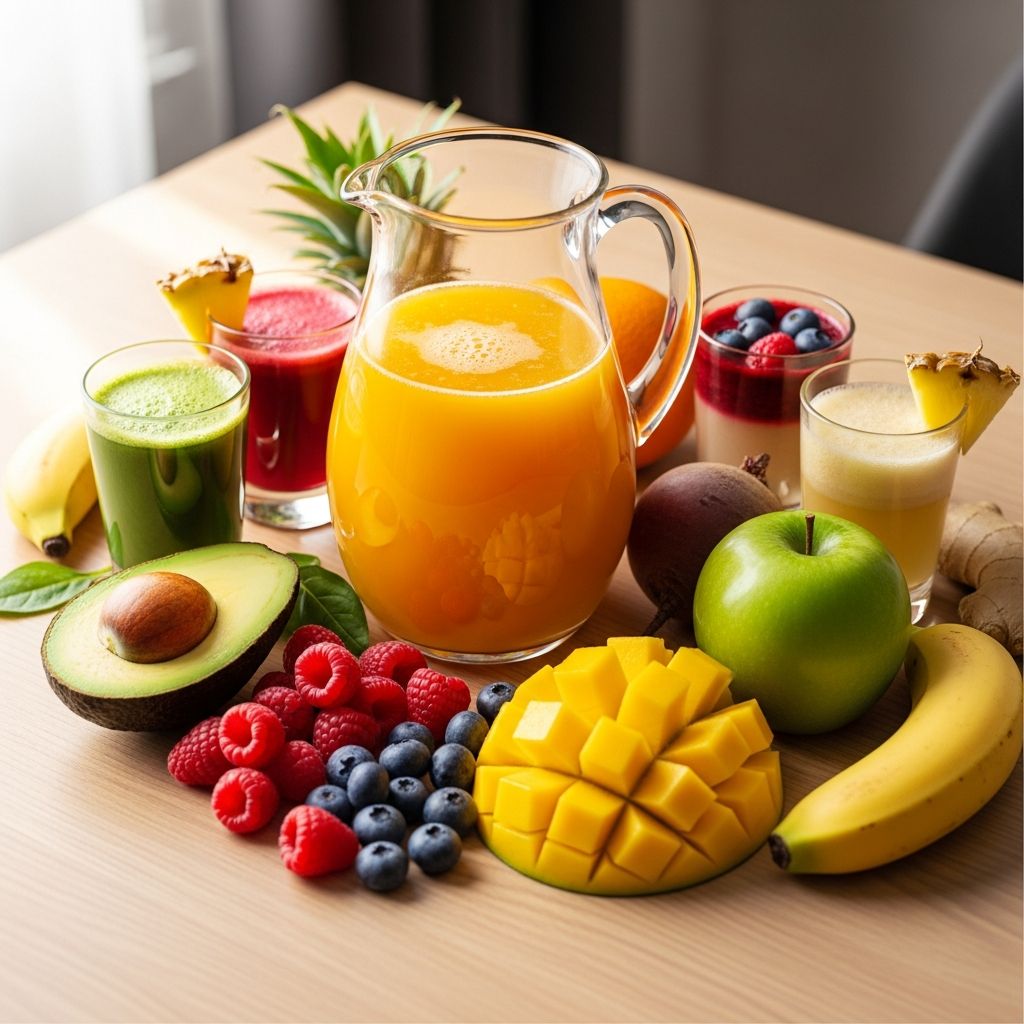
Consuming juice during pregnancy can deliver vital nutrients but requires caution due to bacterial risks in unpasteurized varieties. Prioritizing pasteurized or homemade options ensures safety while maximizing health benefits for mother and baby.
Understanding Juice Safety in Pregnancy
Pregnancy heightens vulnerability to foodborne illnesses because of immune system changes, making juice selection critical. Unpasteurized juices from markets or bars may harbor harmful bacteria like Listeria, Salmonella, or E. coli, potentially leading to severe complications such as miscarriage or preterm labor. The FDA advises pregnant women to avoid juices unless confirmed pasteurized, as processing destroys these pathogens.
Homemade juice offers control: wash produce thoroughly under running water to remove Toxoplasma parasites, which pose risks to fetal development. Consume immediately or refrigerate in sealed containers for up to 24 hours to prevent bacterial growth. Supermarket juices are typically pasteurized through heating, retaining safety despite some nutrient loss.
Nutritional Advantages of Juices for Expecting Mothers
Juices provide concentrated vitamins, minerals, and antioxidants essential during pregnancy. For instance, orange juice fortified with calcium and vitamin D matches milk’s nutrient profile, supplying vitamin C for immunity, potassium for blood pressure regulation, and folate for neural tube development.
Celery juice delivers vitamin B6, C, K, potassium, and folate, supporting hydration and digestion without extremes like full celery-only diets. Pomegranate juice stands out for its polyphenolic antioxidants, which combat oxidative stress in placental tissue. Lab studies show it protects fetal and placental cells from low-oxygen damage, potentially reducing preeclampsia, growth restriction, and preterm birth risks.
Population data links higher fruit intake, including juices, to improved child brain development and developmental test performance. Replacing sugary drinks with juice or water aids energy balance and lowers gestational diabetes risk, especially for normal-weight women.
Potential Drawbacks and Health Concerns
Despite benefits, juices lack whole fruit fiber, reducing satiety and spiking blood sugar, which contributes to excess calorie intake and gestational diabetes risk. Overweight pregnant women should limit intake to avoid unnecessary sugar.
Fresh juice not consumed promptly fosters bacterial growth, risking food poisoning. Cold-pressed juices, popular for nutrient retention, remain raw and unpasteurized, heightening Listeria exposure dangers. Smoothies with unpasteurized juice or unwashed fruits carry similar hazards; always verify pasteurization.
| Juice Type | Pros | Cons | Pregnancy Recommendation |
|---|---|---|---|
| Pasteurized Store-Bought | Bacteria-free; fortified options available | Possible added sugars; less fresh nutrients | Safe in moderation |
| Unpasteurized/Cold-Pressed | High nutrient retention | High bacteria risk (Listeria, E. coli) | Avoid completely |
| Homemade Fresh | Customizable; maximal freshness | Requires hygiene; no fiber | Ideal if washed/produce fresh; drink immediately |
| Pomegranate Juice | Antioxidant protection for placenta | High sugar if overconsumed | Promising for high-risk cases; consult doctor |
Best Practices for Juicing at Home
- Select organic or thoroughly washed produce to minimize pesticide and parasite residues.
- Vary colors: blend greens like celery with reds like pomegranate and oranges for broad nutrient spectrum.
- Avoid meal replacement; use as supplement to whole foods for fiber balance.
- Limit portions to 8-12 ounces daily to manage sugar intake.
- Store refrigerated; discard if sour-smelling or past 24 hours.
Hygiene is paramount: clean juicers meticulously to prevent bacterial buildup. For high-risk pregnancies, pomegranate juice trials suggest 8 ounces daily from mid-pregnancy may support placental health.
Specific Juice Recommendations
Orange Juice: Opt for homemade or fortified pasteurized versions for folate and vitamin C boosts.
Pomegranate: Evidence supports its role in mitigating oxidative stress; ongoing studies test it for growth-restricted fetuses.
Celery: Safe in moderation for electrolytes; avoid extremes.
Green Blends: Kale, spinach with apple provide iron and vitamins; ensure pasteurization if store-bought.
Moderation prevents sugar overload; pair with protein for stable glucose.
Juice and Gestational Conditions
Excess juice correlates with weight gain in some cohorts, but not gestational diabetes directly. Water replacement of juices curbs nausea and supports hydration. For preeclampsia-prone women, pomegranate’s cell-protective effects warrant discussion with providers.
Pregnancy Juice FAQs
Can I drink fresh juice from juice bars while pregnant?
No, avoid unpasteurized fresh juices from bars due to bacterial contamination risks like Listeria.
Is cold-pressed juice safe during pregnancy?
Not recommended; it’s typically unpasteurized, increasing foodborne illness chances.
How much juice is too much in pregnancy?
Limit to 1-2 servings (8-16 oz) daily to avoid excess sugar and calories.
Does pomegranate juice benefit pregnancy?
Yes, studies indicate it protects placental cells from oxidative damage, potentially preventing complications.
Is celery juice good for pregnant women?
Yes, for its vitamins and hydration, but consume moderately and homemade.
Are supermarket juices safe?
Generally yes, as they’re pasteurized, but check labels for added sugars.
Can juice cause gestational diabetes?
High intake may contribute via sugar, especially without fiber; moderation key.
Consulting Healthcare Providers
Individual factors like allergies, gestational diabetes, or high-risk status alter recommendations. Always inform your doctor or dietitian about juice habits for personalized advice.
Pregnancy nutrition thrives on balance: juices enhance diets rich in whole fruits, vegetables, proteins, and grains.
References
- Pomegranate juice may prevent pregnancy complications — Washington University School of Medicine. 2023-10-10. https://medicine.washu.edu/news/pomegranate-juice-may-prevent-pregnancy-complications/
- Fruit Juice vs Whole Fruits: Which is Healthier? — HealthXchange.sg. 2024-01-15. https://www.healthxchange.sg/food-nutrition/food-tips/juicing-health-fresh-juice-good-pregnant-children-seniors
- Juicing and Pregnancy – Ultimate Guide! — PregActive. 2023-05-20. https://www.pregactive.com/blog/JUICING-AND-PREGNANCY
- Changes in beverage consumption from pre-pregnancy to early pregnancy — PMC (NCBI). 2023-06-01. https://pmc.ncbi.nlm.nih.gov/articles/PMC10271324/
- Fruits, Veggies and Juices (Food Safety for Moms-to-Be) — FDA. 2025-01-12. https://www.fda.gov/food/people-risk-foodborne-illness/fruits-veggies-and-juices-food-safety-moms-be
- Eating fruit in pregnancy shown to affect brain development — Tommy’s. 2024-03-05. https://www.tommys.org/pregnancy-information/blogs-and-stories/im-pregnant/pregnancy-news-and-blogs/eating-fruit-pregnancy-shown-affect-brain-development