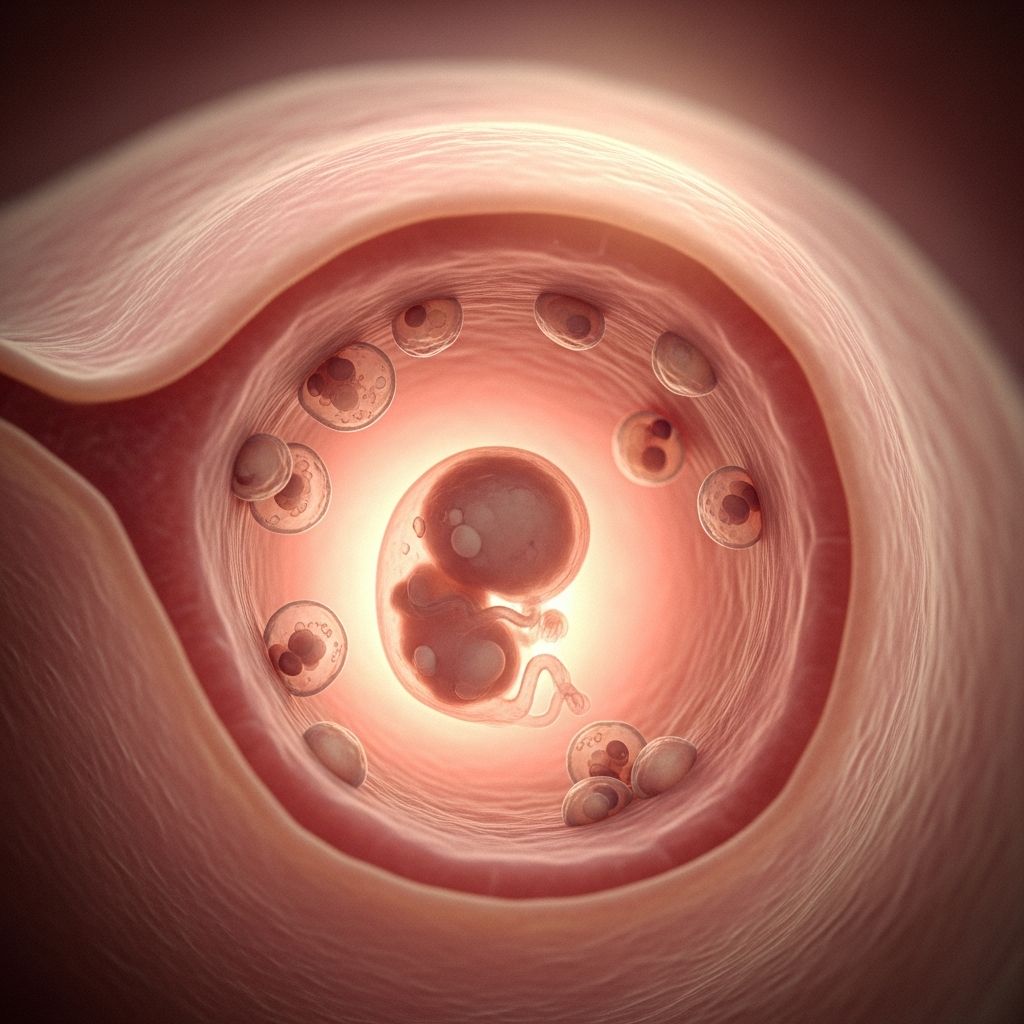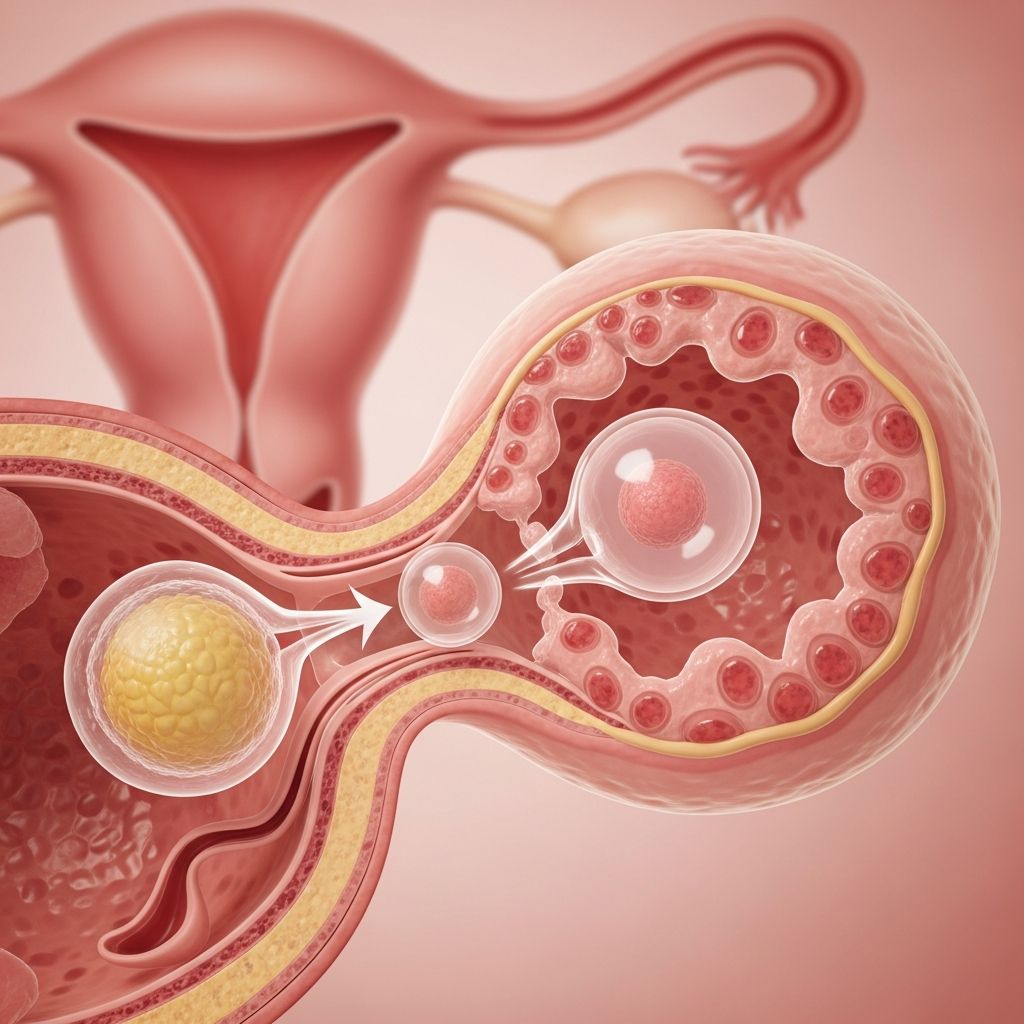
Ovulation, the release of a mature egg from the ovary, typically lasts 12 to 24 hours in each menstrual cycle. This brief window is critical for conception, as the egg remains viable only during this time, though the fertile period extends longer due to sperm longevity.
The Biological Process of Ovulation
In a standard 28-day menstrual cycle, ovulation generally occurs around day 14, roughly midway between periods. It begins with follicular development in the ovaries starting after menstruation, around days 6 to 14. A dominant follicle matures, triggered by a surge in luteinizing hormone (LH) from the pituitary gland, which happens 24 to 36 hours prior.
The LH peak causes the follicle to rupture, releasing the egg into the fallopian tube where it awaits fertilization. If unfertilized, the egg disintegrates within 12-24 hours, and the cycle progresses to the luteal phase, ending in menstruation about two weeks later.
Fertile Window Explained
While ovulation itself is short, the fertile window spans approximately six days: five days before ovulation plus the day of release. Sperm can survive in the female reproductive tract for up to five days, creating opportunities for conception from intercourse days earlier.
| Phase | Duration | Fertility Impact |
|---|---|---|
| Sperm Survival | Up to 5 days | Allows fertilization from pre-ovulation sex |
| Egg Viability (Ovulation) | 12-24 hours | Peak conception chance |
| Total Fertile Window | ~6 days | Optimal timing for trying to conceive |
This table highlights why timing intercourse in the days leading up to ovulation maximizes pregnancy odds.
Recognizing Ovulation Symptoms
Many experience physical cues signaling ovulation. Common signs include:
- Cervical mucus changes: Becomes clear, stretchy, and egg-white-like, lasting about four days around ovulation to aid sperm movement.
- Mild pelvic pain (mittelschmerz): One-sided cramping or twinges lasting minutes to days.
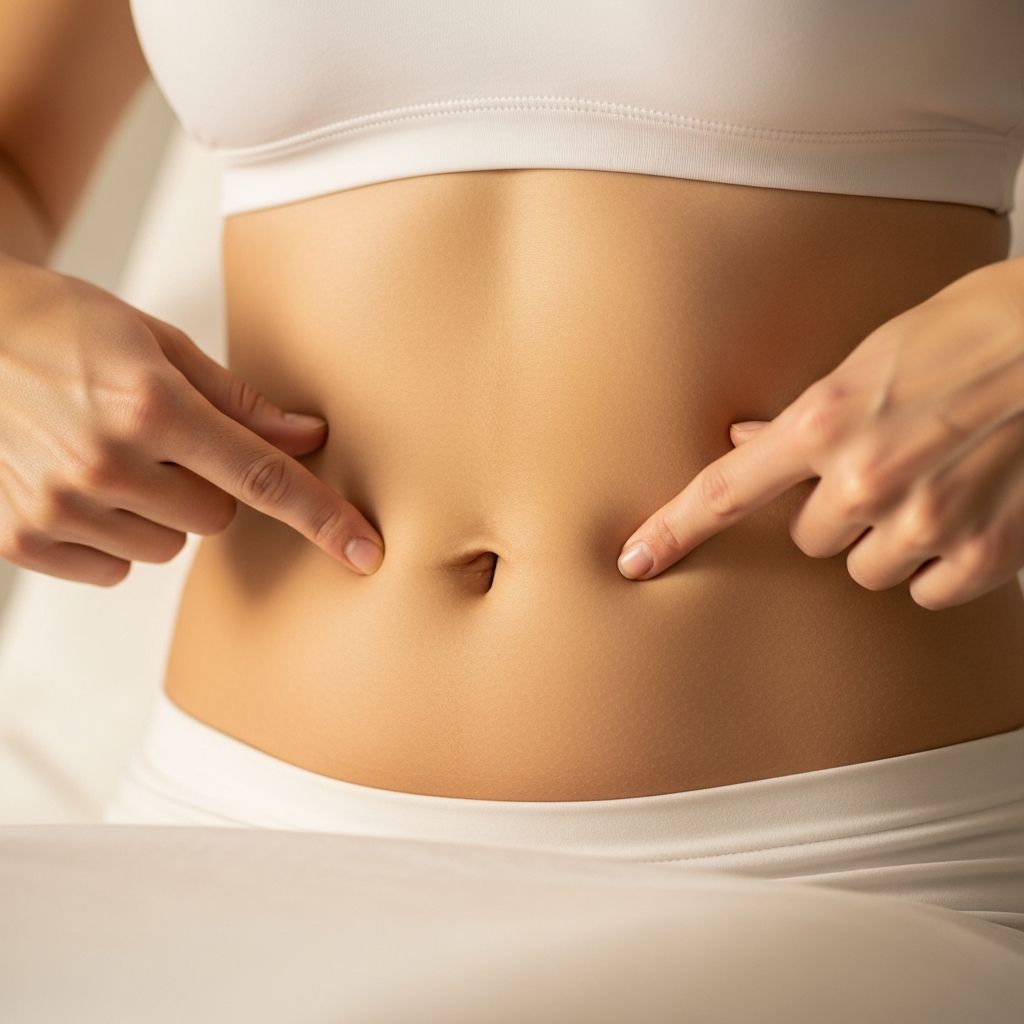
- Ovulation bloating: Temporary abdominal discomfort, often with spotting that resolves in 1-2 days.
- Breast tenderness or heightened libido: Hormonal shifts can cause these mid-cycle.
Basal body temperature (BBT) rises 0.5-1°F post-ovulation, confirming it retrospectively.
Factors Influencing Ovulation Timing and Duration
Cycle length varies from 21-35 days normally, affecting ovulation day; only 16% have exact 28-day cycles. Disruptors include:
- Stress, illness, or travel altering hormone balance.
- Conditions like PCOS or endometriosis delaying or preventing ovulation.
- Contraceptives, pregnancy, or menopause halting it entirely.
- Age, weight extremes, or intense exercise impacting regularity.
Tracking over months reveals personal patterns for better prediction.
Effective Methods to Track Ovulation
Pinpointing ovulation enhances family planning. Proven techniques:
- Calendar method: Mark cycles; ovulate ~14 days before next period.
- Ovulation predictor kits (OPKs): Detect LH surge 24-36 hours before.
- BBT charting: Daily morning temps show post-ovulation shift.
- Cervical mucus monitoring: Note changes daily.
- Apps and wearables: Analyze data for predictions (not for birth control).
Combine methods for accuracy; consult doctors for irregularities.
Optimizing Conception: Timing Intercourse
For trying to conceive (TTC), aim for every other day during the fertile window, peaking 1-2 days before ovulation. Regular sex (2-3 times/week) suffices for most, as sperm quality remains high. Post-ovulation pregnancy tests are reliable after 10-14 days or missed period.
Avoid myths like specific positions; focus on frequency and health.
When Ovulation Doesn’t Occur: Anovulation Insights
Anovulation affects 1 in 10 women, causing irregular cycles. Causes: thyroid issues, hyperprolactinemia, or lifestyle factors. Diagnosis via ultrasound or hormone tests; treatments include medications like clomiphene. Seek medical advice for cycles over 35 days or absent periods.
Health Implications Beyond Fertility
Tracking ovulation aids PCOS management, perimenopause detection, and overall reproductive health. Regular cycles indicate hormonal balance; disruptions may signal issues needing intervention.
Frequently Asked Questions
Can ovulation last longer than 24 hours?
No, the egg’s viability is strictly 12-24 hours post-release.
Is spotting normal during ovulation?
Yes, light mid-cycle spotting from follicle rupture lasts 1-2 days.
How accurate are ovulation apps?
Helpful for patterns but not foolproof; combine with OPKs or BBT.
Does stress delay ovulation?
Yes, it can shorten or lengthen cycles, shifting timing.
When to see a doctor for fertility?
After 12 months TTC under 35, or 6 months over 35.
Conclusion: Empowering Your Cycle Knowledge
Mastering ovulation duration—from its 24-hour essence to the six-day fertile span—equips you for informed family planning. Consistent tracking unveils your body’s rhythm, boosting success rates while promoting health awareness.
References
- How Long Does Ovulation Last Each Month? — Healthline. 2024-01-24. https://www.healthline.com/health/pregnancy/how-long-does-ovulation-last
- How Long Does Ovulation Last and When Are You Most Fertile? — MiraCare. N/A. https://shop.miracare.com/blogs/resources/how-long-does-ovulation-last
- How long does ovulation last? — Flo Health. N/A. https://flo.health/getting-pregnant/trying-to-conceive/tracking-ovulation/how-long-does-ovulation-last
- How long does ovulation last? — Natural Cycles. N/A. https://www.naturalcycles.com/cyclematters/how-long-does-ovulation-last
- Ovulation and fertility — Better Health Channel (Victorian Government). N/A. https://www.betterhealth.vic.gov.au/health/conditionsandtreatments/ovulation
- Ovulation: Calculating, Timeline, Pain & Other Symptoms — Cleveland Clinic. N/A. https://my.clevelandclinic.org/health/articles/23439-ovulation