During pregnancy, physical discomforts like backaches, muscle tension, and ligament strain become commonplace as the body adapts to support growing life. Many expectant mothers turn to heating pads for their soothing warmth and ease of use. When applied correctly, these devices offer targeted relief without compromising safety. This guide explores the benefits, best practices, potential risks, and alternatives to help you manage pregnancy pains effectively.
Why Heat Therapy Helps Expectant Mothers
Heat therapy works by dilating blood vessels, which boosts circulation to sore areas and relaxes tight muscles. This mechanism proves particularly valuable during pregnancy when hormonal changes and added weight contribute to discomfort in the lower back, hips, pelvis, and legs.
- Increased blood flow: Delivers more oxygen and nutrients to strained tissues, promoting faster healing.
- Muscle relaxation: Eases spasms and reduces stiffness from round ligament stretching or poor posture.
- Pain modulation: Heat stimulates sensory receptors, interrupting pain signals to the brain for temporary relief.
Studies and clinical observations confirm that superficial heat, unlike systemic methods like saunas, rarely elevates core body temperature significantly, making it a preferred non-drug option.
Safety Fundamentals for Heat Application
The primary concern with heat during pregnancy centers on avoiding hyperthermia, where core body temperature exceeds 102°F (38.9°C). Elevated maternal heat can transfer to the fetus, potentially leading to neural tube defects early in pregnancy or other complications later on. Localized heating pads minimize this risk by affecting only surface tissues.
| Do’s | Don’ts |
|---|---|
| Use low to medium settings | Apply high heat directly to skin |
| Limit sessions to 10-20 minutes | Fall asleep with it on |
| Barrier like towel or clothing | Use on open wounds or numb areas |
| Monitor for overheating signs | Combine with hot baths or blankets |
Always consult your obstetrician before starting heat therapy, especially if you have conditions like preeclampsia or infections.
Optimal Use on Common Pain Areas
Lower Back and Hips
Back pain affects up to 70% of pregnant women, often due to shifted center of gravity and relaxed ligaments. Place the heating pad on your lower back over clothing for 15 minutes to alleviate sciatica-like symptoms or general soreness. This targeted approach improves mobility without systemic effects.
Pelvic and Leg Discomfort
As the uterus expands, pressure on pelvic nerves and varicose veins can cause throbbing. A heating pad on the upper thighs or lower abdomen (with barrier) for short bursts soothes these issues by enhancing venous return.
Caution with Abdominal Application
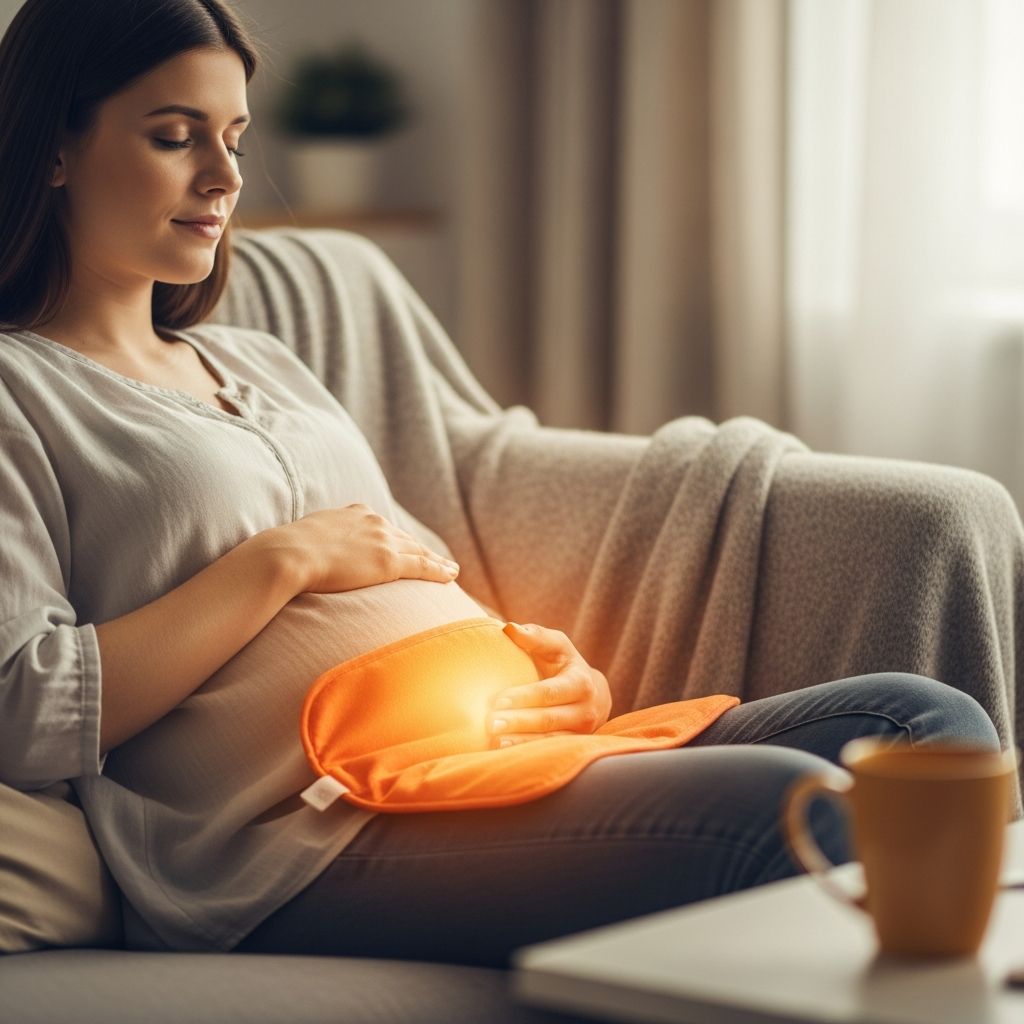
While back use enjoys broad endorsement, abdominal placement warrants extra vigilance. Avoid direct contact on the belly; opt for indirect methods like warm compresses. If abdominal pain accompanies bleeding, fever, or reduced fetal movement, seek immediate medical attention rather than self-treating.
Timing Considerations Across Trimesters
Pregnancy stages influence heat sensitivity. In the first trimester, organogenesis makes the fetus vulnerable to temperature spikes, so minimize or avoid heat packs. Second and third trimesters allow more flexibility for musculoskeletal relief, but preterm labor risks necessitate monitoring.
- First trimester: Prefer non-heat alternatives; limit to 10 minutes max if needed.
- Second trimester: Ideal for moderate use on back and limbs.
- Third trimester: Short sessions for swelling and Braxton Hicks-related tension.
Signs to Stop and When to Seek Help
Your body provides clear signals if heat becomes excessive. Discontinue immediately if you experience dizziness, excessive sweating, rapid heartbeat, nausea, or skin redness. Fetal cues like altered movement patterns also demand cessation and professional evaluation.
Contraindications include fever, inflammation, rash, or recent uterine bleeding. Those with impaired sensation (e.g., from neuropathy) risk burns unknowingly.
Enhancing Safety with Proper Technique
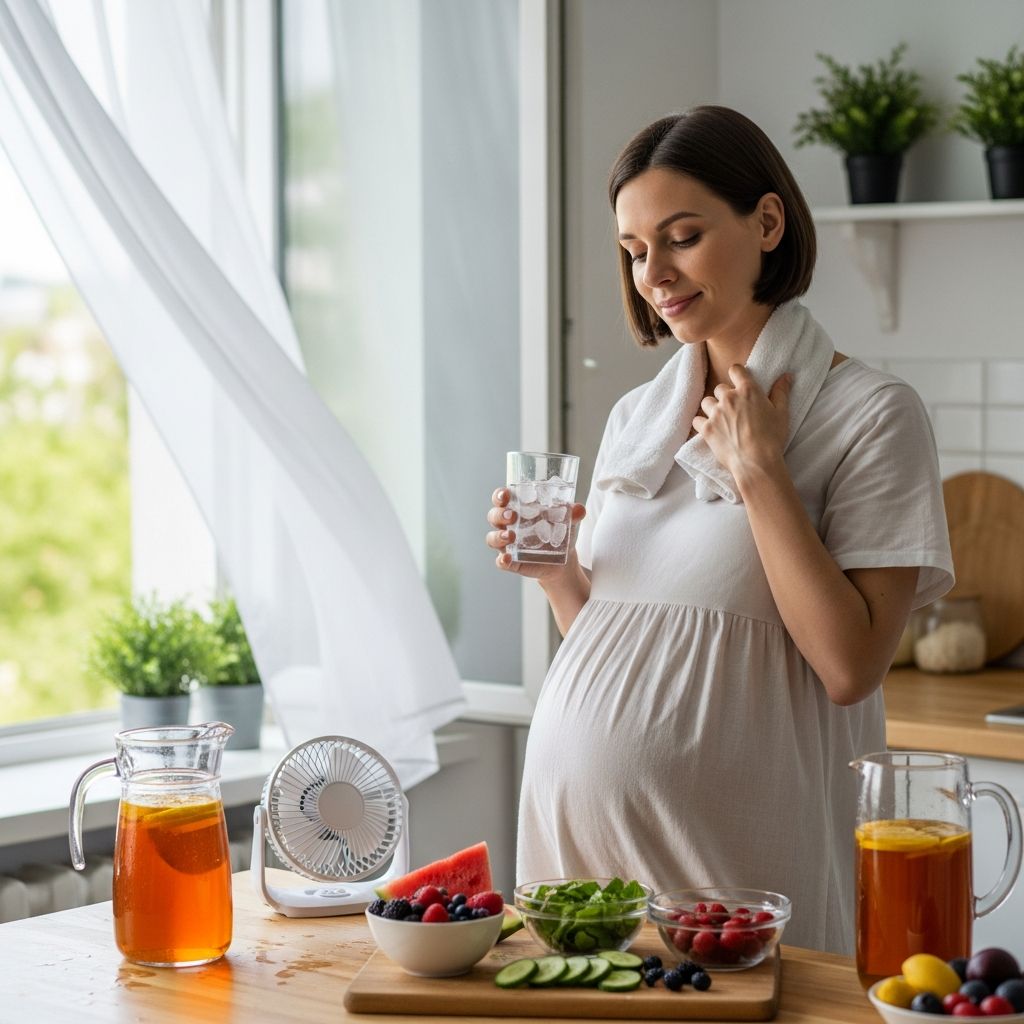
Select a reliable heating pad with auto-shutoff, multiple settings, and even heat distribution. Test temperature on your inner arm first. Cycle usage: 15-20 minutes on, 20-30 minutes off. Hydrate well, as pregnancy already increases fluid needs, and maintain room ventilation to prevent ambient overheating.
Alternatives to Electric Heating Pads
Diversify relief methods to reduce reliance on devices:
- Warm baths: Submerge up to shoulders for 10-15 minutes; avoid hot tubs.
- Rice socks: Microwave-filled socks provide moist heat safely.
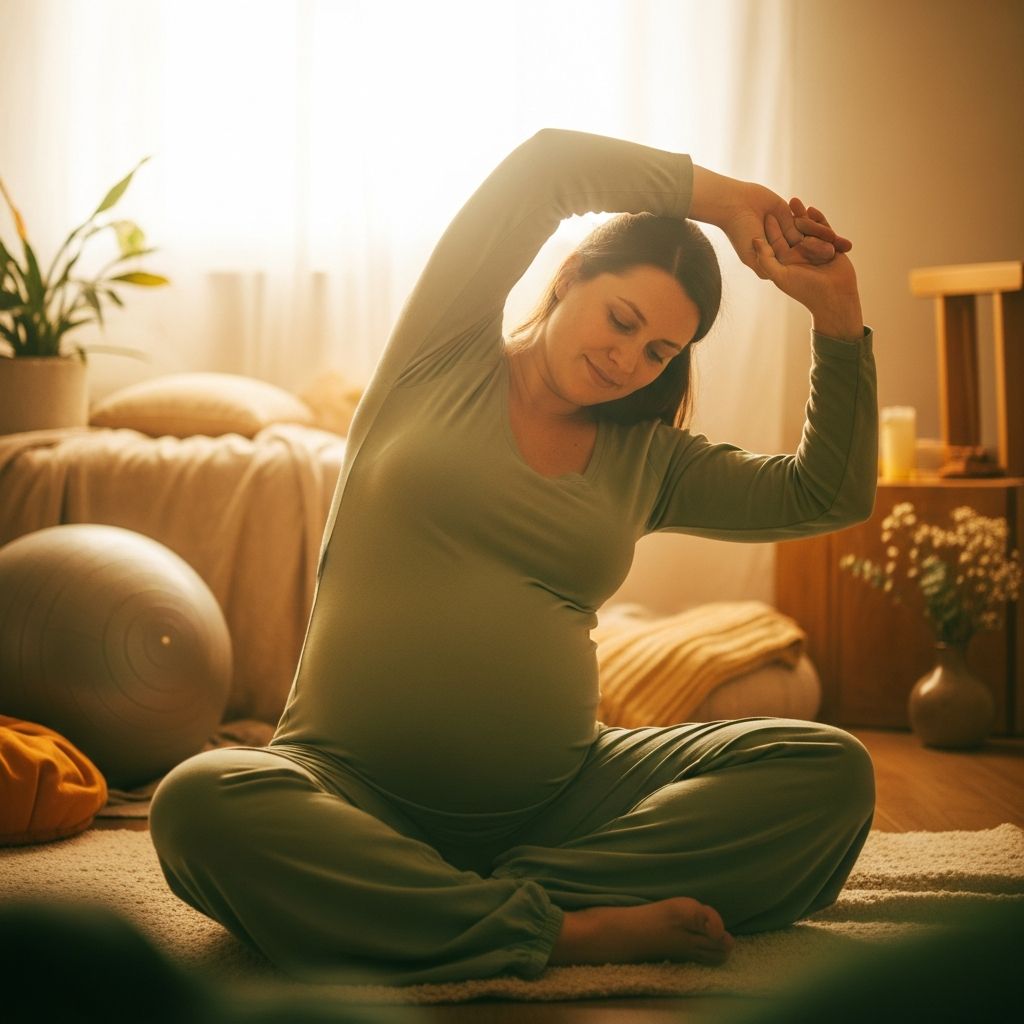
- Reclined positions: Prenatal yoga or supported side-lying eases pressure.
- Massage: Gentle professional prenatal massage boosts circulation.
Combine with acetaminophen if approved by your doctor for additive effects.
Expert Insights from Healthcare Providers
Obstetricians emphasize moderation: “Superficial heat remains a cornerstone of conservative pain management in pregnancy,” notes certified nurse-midwife expertise. Midwives often recommend it alongside pelvic tilts for holistic care.
Frequently Asked Questions
Can I use a heating pad every day while pregnant?
Yes, daily use is fine if limited to 15-20 minutes per session on low settings, with breaks to monitor body response. Track for cumulative effects.
Is it safe on my pregnant belly?
Avoid direct belly application; use indirectly over clothing or choose other methods. Consult your doctor for abdominal pain causes.
How long should I use a heating pad per session?
10-20 minutes maximum to prevent overheating. Most pads auto-cycle at 20 minutes for safety.
What if I feel dizzy during use?
Stop immediately, cool down, and hydrate. If symptoms persist, contact your healthcare provider.
Are there risks in early pregnancy?
Higher caution advised; prefer alternatives to avoid any core temperature rise during critical development.
Long-Term Pain Management Strategies
Beyond acute relief, integrate preventive measures:
- Daily walks and swimming for low-impact strengthening.
- Supportive maternity belts to redistribute weight.
- Ergonomic sleep setups with pregnancy pillows.
- Nutrition rich in magnesium and omega-3s for muscle health.
Physical therapy referrals can address persistent issues, combining heat with tailored exercises.
References
- Heating pad while pregnant: Benefits and risks — Medical News Today. 2018-05-04. https://www.medicalnewstoday.com/articles/322216
- Can You Use a Heating Pad While Pregnant? Tips & Guidelines — Cloudnine Care. N/A. https://www.cloudninecare.com/blog/using-heating-pad-while-pregnant
- Is a Heating Pad Safe for Back or Belly While Pregnant? — Healthline. 2016-08-02. https://www.healthline.com/health/pregnancy/heating-pad-while-pregnant
- Heating Pad During Pregnancy: Is It Safe? — The Bump. N/A. https://www.thebump.com/a/is-it-safe-to-have-heat-on-my-belly-during-pregnancy
- Clinical Overview of Heat and Pregnancy — Centers for Disease Control and Prevention (CDC). 2023-07-12. https://www.cdc.gov/heat-health/hcp/clinical-overview/heat-and-pregnant-women.html