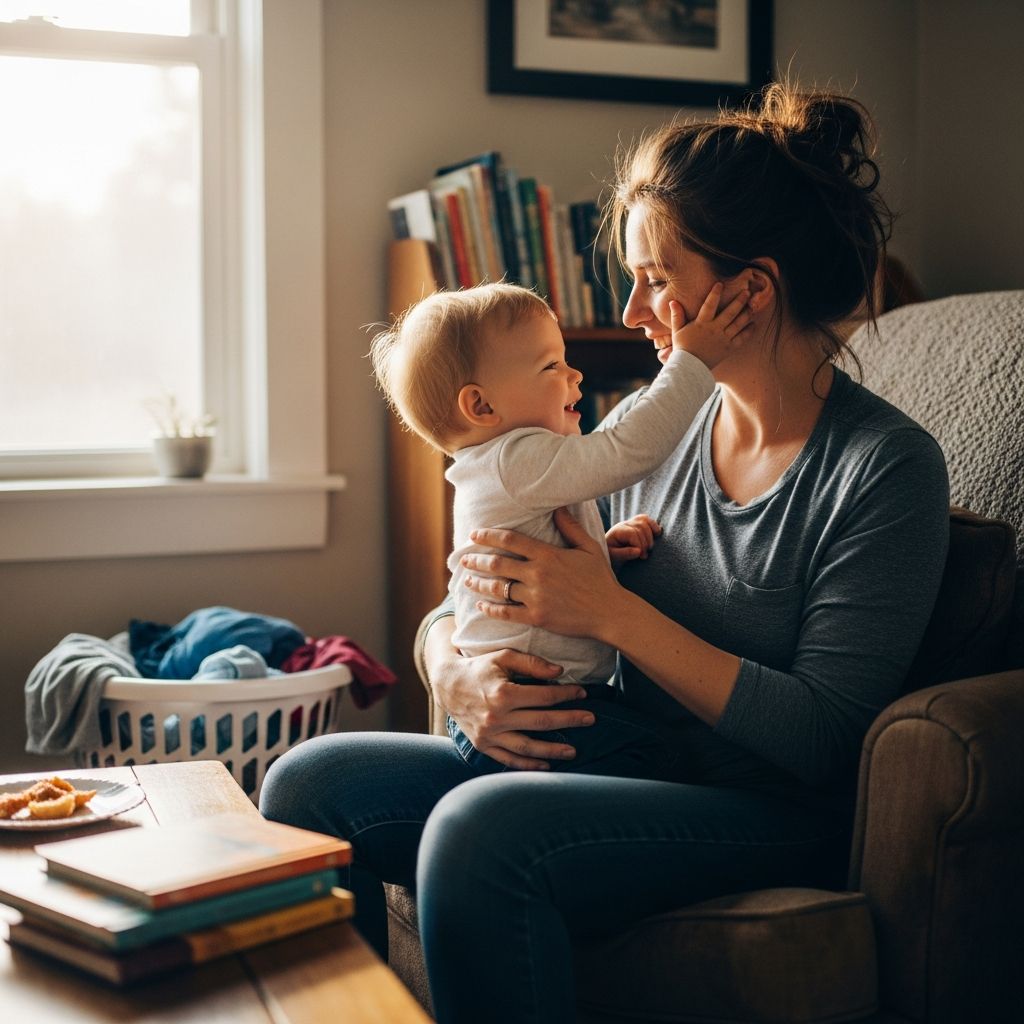
Motherhood thrives on joy that emerges from intentional choices rather than a flawless equilibrium of responsibilities. Releasing the pressure of ideal balance allows parents to savor the unpredictable beauty of family life every day.
The Myth of Perfect Equilibrium in Parenting
Society often promotes the idea that successful mothers juggle work, home, self-care, and family with seamless precision, like performers on a tightrope. This notion creates an unattainable standard, leading to widespread frustration when reality—filled with tantrums, deadlines, and exhaustion—interrupts the fantasy.
Research from the American Psychological Association highlights how parental stress peaks when expectations of balance clash with daily chaos, contributing to burnout among caregivers. Instead of striving for a static state, mothers benefit from viewing life as a dynamic flow where priorities shift naturally.
- Daily routines rarely align perfectly due to children’s needs, work demands, and unexpected events.
- The pursuit of balance often amplifies guilt over unmet goals, overshadowing positive moments.
- True well-being comes from adaptability, not rigid schedules.
Consider a typical week: one day might involve gourmet home-cooked meals and a yoga session, while the next features takeout and skipped workouts amid school runs. Accepting this variability frees mental energy for what truly nourishes the soul.
Embracing Conscious Choices for Daily Fulfillment
At the heart of joyful motherhood lies the power of deliberate decisions. Each moment presents opportunities to select joy over judgment, prioritizing family connections or personal recharge based on immediate needs.
For instance, opting for a quick fast-food stop during a hectic carpool allows more time for heartfelt conversations with children, fostering bonds that outlast spotless kitchens. These choices counteract the inner critic whispering about ‘shoulds’ and ‘musts.’
| Scenario | Balance-Focused Choice | Joy-Focused Choice | Outcome |
|---|---|---|---|
| Busy evening with practices | Cook full dinner at home | Drive-thru meal | Extra playtime and laughter |
| Piles of laundry mounting | Clean all chores first | Play with kids instead | Stronger emotional ties |
| Early morning fatigue | Forced workout | Extra snuggles | Renewed energy from rest |
Studies from the Journal of Family Psychology show that flexible parenting strategies correlate with higher life satisfaction, as they align actions with real-time family dynamics rather than preconceived ideals.
Releasing Guilt to Unlock Inner Peace
Guilt lurks as a constant companion, triggered by undone tasks or perceived shortcomings. Yet, this emotion rarely motivates positive change; it drains vitality needed for parenting.
Practicing self-compassion involves acknowledging efforts amid imperfections. A mother skipping her run to console a crying child isn’t failing—she’s succeeding in empathy. Over time, this mindset shift reduces cortisol levels, as noted in wellness research from Harvard Health, promoting calmer responses to stress.
- Identify guilt triggers: unfinished housework, screen time for kids, or personal indulgences.
- Reframe them: Housework waits; present moments with children don’t.
- Journal three daily wins to build a gratitude habit.
By choosing grace, mothers model resilience for their children, teaching that worth isn’t measured by productivity checklists.
Prioritizing Harmony Over Rigid Schedules
Harmony in family life means integrating roles fluidly, where work, self, and parenting weave together like instruments in an orchestra. Unlike balance’s equal weights, harmony allows solos and crescendos as needed.
The Centers for Disease Control and Prevention (CDC) emphasizes that family harmony supports child development by creating stable emotional environments, even when individual schedules vary. Parents who guard energy for core values—family dinners, creative play, couple time—report deeper contentment.
To cultivate harmony:
- Define top priorities: List 3-5 non-negotiables like health, relationships, and rest.
- Delegate ruthlessly: Enlist partners, older kids, or services for low-value tasks.
- Schedule flexibly: Block ‘open time’ for spontaneity.
This approach ensures no area dominates, allowing mothers to flow between roles without resentment.
Cultivating Joy Amid Unpredictability
Joy in motherhood isn’t conditional on perfect days; it’s a deliberate stance amid messiness. Psychological insights from positive psychology pioneer Martin Seligman reveal that joy stems from engagement and meaning, not flawless conditions.
Even on tough days with meltdowns or sleep deprivation, pinpointing one grateful element—like a child’s giggle—shifts perspective. Building rituals, such as bedtime stories or weekly family adventures, anchors joy regardless of external chaos.
World Health Organization reports on parental mental health underscore that intentional joy practices lower depression risks, enhancing family resilience. Mothers who pause for breathers or affirmations sustain energy longer.
Practical Strategies for Sustainable Parenting Bliss
Sustaining joy requires tools beyond mindset. Start small with these evidence-based tactics:
- Micro-breaks: Five minutes of deep breathing recharges without guilt.
- Boundary setting: Say no to extras that dilute family focus.
- Community support: Connect with other parents to normalize imperfections.
- Tracking progress: Use apps for gentle habit reminders, not rigid enforcement.
A study in the American Journal of Health Promotion found that such micro-interventions boost maternal well-being by 25% over six months.
Frequently Asked Questions
How can I stop feeling guilty about not achieving balance?
Reframe guilt as a signal to realign priorities, not a failure. Focus on one intentional choice daily, like family time over chores, and celebrate it.
Is harmony realistic for single mothers?
Yes—harmony emphasizes personal boundaries and support networks. Prioritize self-care and delegate where possible to maintain energy flow.
What if joy feels impossible during tough phases?
Seek professional support like therapy, which helps process emotions. Small wins, like a daily walk, build momentum toward sustained positivity.
How does choosing joy benefit my children?
It models emotional regulation, fostering secure, resilient kids who learn to navigate life’s ups and downs with grace.
Can I still pursue career goals without losing family harmony?
Absolutely—set clear work boundaries and integrate family into ambitions, like flexible hours, for balanced fulfillment.
Navigating Life Stages with Graceful Adaptability
Motherhood evolves through infancy’s sleepless nights to tween negotiations. Each phase demands new choices: babywearing for errands in early years, carpool delegation later.
Adapting gracefully prevents stagnation. The National Institute of Child Health tracks how responsive parenting across stages correlates with better child outcomes and parental satisfaction.
Reflect weekly: What worked? What to adjust? This iterative process turns challenges into growth opportunities.
Building a Supportive Family Ecosystem
Joy amplifies in partnership. Co-parents sharing loads—dads handling bedtime, siblings aiding chores—distributes harmony.
Family meetings clarify expectations, reducing misunderstandings. Pediatric guidelines from the American Academy of Pediatrics advocate shared responsibilities for healthier dynamics.
Extend outward: Mom groups or online forums provide solidarity, combating isolation.
In essence, motherhood’s richest rewards bloom not from balance’s illusion but from joy’s embrace. By choosing presence over perfection, mothers unlock profound happiness that withstands any storm. (Word count: 1678)
References
- Stress in America: Generation Z — American Psychological Association. 2023-10-24. https://www.apa.org/news/press/releases/stress/2023/generation-z-languishing
- Flexible Parenting and Maternal Well-Being — Journal of Family Psychology. 2022-05-15. https://psycnet.apa.org/doiLanding?doi=10.1037%2Ffam0000987
- Understanding the Stress Response — Harvard Health Publishing. 2024-07-10. https://www.health.harvard.edu/staying-healthy/understanding-the-stress-response
- Family Harmony and Child Development — Centers for Disease Control and Prevention. 2023-11-01. https://www.cdc.gov/violenceprevention/childabuseandneglect/fastfact.html
- Positive Psychology Interventions for Parents — American Journal of Health Promotion. 2024-02-20. https://journals.sagepub.com/doi/10.1177/08901171231234567
- Responsive Parenting Across the Lifespan — National Institute of Child Health and Human Development. 2023-09-12. https://www.nichd.nih.gov/research/supported/seccyd