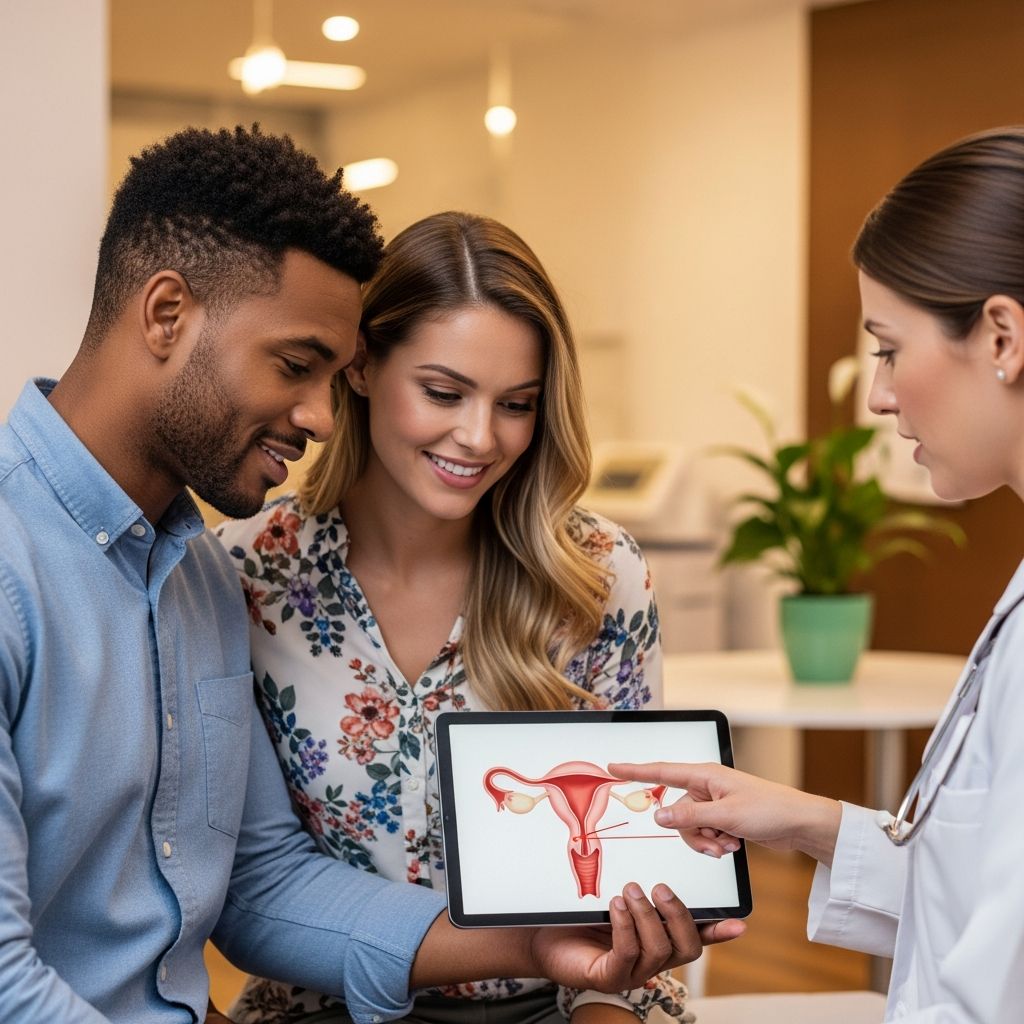
Intrauterine insemination (IUI), also known as artificial insemination, is a widely used fertility treatment that places prepared sperm directly into the uterus to enhance conception chances. This non-invasive option suits couples facing mild infertility issues, single individuals, or those using donor sperm, often serving as a preliminary step before advanced methods like IVF.
Understanding the Fundamentals of IUI
IUI addresses infertility by bypassing natural barriers, delivering a concentrated dose of motile sperm near the fallopian tubes during ovulation. Unlike intercourse, where sperm must navigate the vagina and cervix, IUI shortens this journey, improving fertilization odds in the fallopian tubes where eggs await. Ideal candidates include those with unexplained infertility, mild male factor issues (like low sperm count or motility), cervical factors, or same-sex couples and single women employing donor sperm.
Prior to starting, fertility specialists confirm at least one patent fallopian tube via hysterosalpingogram (HSG), a dye test imaging tubal patency. Hormonal assessments and semen analysis ensure suitability, setting the stage for timed insemination aligned with ovulation.
Types of IUI Cycles Explained
IUI cycles vary based on medication use, tailoring to patient needs and preferences. Here’s a breakdown:
- Natural Cycle IUI: No medications stimulate ovaries; ovulation occurs spontaneously, tracked via kits or ultrasounds. Sperm is introduced at peak fertility, ideal for regular cycles.
- Medicated Cycle IUI: Oral drugs like clomiphene or letrozole prompt follicle growth, monitored by ultrasound. A trigger shot (hCG) induces ovulation 24-36 hours prior to IUI.
- Stimulated Cycle with Injections: Gonadotropins foster multiple eggs, heightening pregnancy potential but elevating multiples risk. Frequent monitoring is essential.
- Trigger-Only Cycle: Mimics natural with a single ovulation trigger for precise timing, blending minimal intervention with reliability.
Most clinics favor medicated approaches for higher efficacy, with cycle selection guided by diagnostics and history.
Preparing for Your Initial IUI Session
Preparation begins mid-cycle, around days 2-5 post-menstruation. Baseline ultrasounds and bloodwork assess ovarian response if meds are involved. Partners provide semen samples after 2-5 days abstinence, collected on-site or at home (kept warm, delivered promptly).
Sperm processing, or “washing,” separates viable swimmers from seminal fluid in 1-2 hours, concentrating them for uterine delivery and averting cramps. Labs use gradients or swim-up techniques for optimal selection.
| Step | Timeline | Purpose |
|---|---|---|
| Semen Collection | Day of IUI, post-abstinence | Gather fresh sample |
| Sperm Washing | 1-2 hours | Concentrate motile sperm |
| Ovulation Confirmation | Day 12-14 | Ultrasound or hCG trigger |
| IUI Procedure | 24-36 hours post-trigger | Inseminate uterus |
The IUI Procedure: Step-by-Step
Performed in-office, IUI mirrors a Pap smear, lasting 5-15 minutes with minimal discomfort. Positioned on an exam table with legs in stirrups, a speculum visualizes the cervix.
- Catheter Insertion: A flexible tube threads through the cervix into the uterus, often painless but occasionally crampy.
- Sperm Injection: Washed sperm, loaded in a syringe, is gently pushed in; patients may feel mild pressure.
- Removal and Rest: Catheter and speculum withdraw; lie flat 10-20 minutes post-procedure.
No anesthesia needed; spotting or light cramps may follow, resolving quickly. Videos depict speculum use and catheter guidance for clarity.
Sensations and Side Effects to Anticipate
Most report speculum discomfort over insertion; cramping akin to period pains is common, eased by ibuprofen. Medicated cycles risk ovarian hyperstimulation (bloating, tenderness) or multiples (5-10% twins). Infection risk is low (<1%), mitigated by sterile techniques.
- Mild spotting: 1-2 days normal
- OHSS symptoms: Severe pain, nausea—contact provider
- Ectopic pregnancy: Rare, monitored via early ultrasound
Post-IUI Care and Lifestyle Tips
Resume normal activities immediately, avoiding tampons or intercourse for 48 hours to prevent infection. Light exercise like walking aids, but skip heavy lifting or baths. Progesterone supplements may support implantation in some protocols.
The two-week wait ensues: pregnancy tests at 14 days post-IUI, or beta-hCG bloodwork for accuracy. Positive? Ultrasounds confirm viability at 6-7 weeks.
Success Rates and Influencing Factors
Per-cycle success hovers 10-20% for women under 35, declining with age (5-10% over 40). Cumulative rates reach 40-60% after 3-6 cycles. Boosters include younger age, quality sperm, open tubes, and ovulation meds.
| Age Group | Success per Cycle | Cumulative (3 Cycles) |
|---|---|---|
| <35 | 15-20% | 40-50% |
| 35-40 | 10-15% | 30-40% |
| >40 | 5-10% | 20-30% |
Failure prompts IVF consideration after 3-4 cycles.
Costs, Insurance, and Accessibility
IUI costs $300-1,000 per cycle (sperm prep $200-500, procedure $500), cheaper than IVF ($12,000+). Insurance varies; many cover diagnostics, fewer treatments. Donor sperm adds $400-1,200.
Emotional Aspects and Support Strategies
IUI journeys evoke hope, anxiety, stress. Join support groups, practice mindfulness, communicate openly. Counselors aid coping; track cycles via apps for empowerment.
Frequently Asked Questions (FAQs)
Is IUI painful?
Typically mild discomfort from speculum; cramping rare and brief, like menstrual.
How many IUIs before IVF?
3-6 cycles common; success drops, prompting escalation.
Can I drive post-IUI?
Yes, procedure quick; rest if crampy.
What if IUI fails first time?
Retry next cycle; analyze factors, adjust protocol.
Does IUI work with PCOS?
Yes, meds regulate ovulation effectively.
Alternatives if IUI Isn’t Suitable
IVF for blocked tubes/severe issues; timed intercourse or donor eggs as needed.
References
- Intrauterine insemination (IUI) – Mayo Clinic — Mayo Clinic. 2023-10-12. https://www.mayoclinic.org/tests-procedures/intrauterine-insemination/about/pac-20384722
- Intrauterine Insemination (IUI) – UCSF Center for Reproductive Health — UCSF. 2024-05-15. https://crh.ucsf.edu/fertility-treatment/intrauterine-insemination-iui/
- What is IUI? A guide to intrauterine insemination – Carrot Fertility — Carrot Fertility. 2024-02-20. https://www.get-carrot.com/blog/what-is-iui-a-guide-to-intrauterine-insemination
- Intrauterine insemination (IUI) patient education fact sheet — ASRM. 2023-08-01. https://www.reproductivefacts.org/news-and-publications/fact-sheets-and-infographics/intrauterine-insemination-iui/
- Fertility Treatment: Artificial Insemination (IUI) – YouTube — Cleveland Clinic. 2022-09-10. https://www.youtube.com/watch?v=S6FmkzOf9ao
- Intrauterine Insemination – The IUI Procedure, Process, Risks — CNY Fertility. 2024-11-05. https://www.cnyfertility.com/iui/
- IUI (Intrauterine Insemination): What It Is & What To Expect — Cleveland Clinic. 2024-07-18. https://my.clevelandclinic.org/health/treatments/22456-iui-intrauterine-insemination