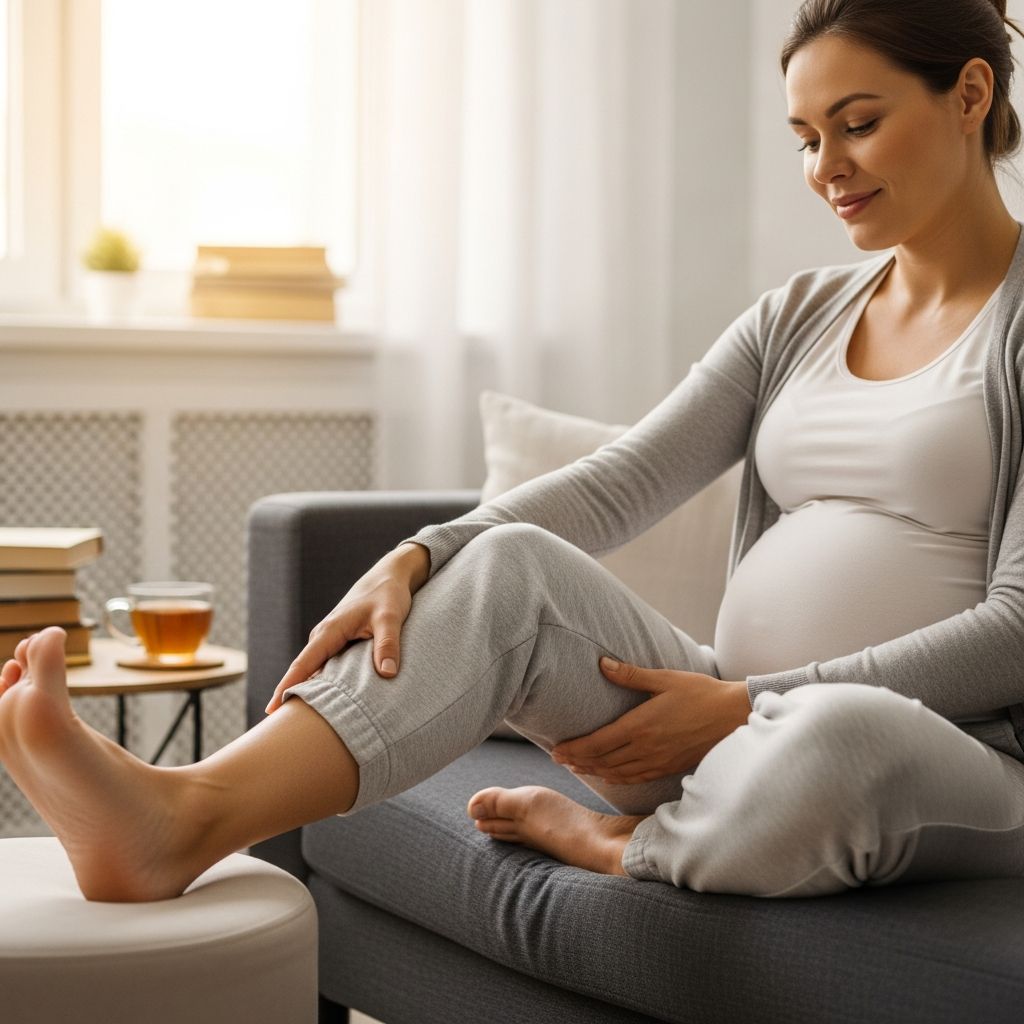
Many pregnant individuals experience uncomfortable itching on their feet, a symptom stemming from hormonal fluctuations, skin alterations, or underlying health issues. This guide examines the reasons behind this common discomfort, effective management options, and critical indicators requiring professional care.
Understanding Foot Itching During Pregnancy
Pregnancy triggers profound physiological changes, including elevated hormone levels that influence skin sensitivity and immune responses. Feet, bearing increased weight and prone to swelling, often become focal points for pruritus, or itching. While typically benign, persistent or severe cases warrant attention to rule out complications.
Itching may manifest as mild irritation or intense urges to scratch, disrupting sleep and daily activities. Factors like expanded blood volume, ligament stretching, and heat retention exacerbate the sensation, particularly in later trimesters.
Common Triggers for Itchy Feet
Several everyday pregnancy-related factors contribute to foot itching. Hormonal surges, such as rises in estrogen and progesterone, dry out skin and heighten nerve sensitivity, making feet more reactive to friction, sweat, or pressure.
- Dry Skin: Hormones reduce natural oil production, leading to cracked heels and itchy soles.
- Swelling and Edema: Fluid retention stretches skin, causing tightness and itchiness.
- Footwear Issues: Tight shoes or socks trap moisture, fostering irritation.
- Sweat Accumulation: Increased perspiration in warmer body conditions irritates sensitive skin.
Pre-existing conditions like eczema or psoriasis can flare up, presenting as red, scaly patches on feet.
Skin Conditions Linked to Pregnancy Itching
Pregnancy-specific dermatoses often target extremities like feet. Polymorphic eruption of pregnancy (PEP), characterized by itchy hives or bumps, typically spares the face and feet but can affect them in some cases. Atopic eruption of pregnancy (AEP), akin to eczema, causes dry, inflamed patches.
Prurigo of pregnancy features small, intensely itchy papules resembling insect bites, commonly on limbs including feet. These conditions pose no risk to the fetus and resolve postpartum.
| Condition | Symptoms on Feet | Typical Onset |
|---|---|---|
| Polymorphic Eruption | Hives, bumps | Third trimester |
| Atopic Eruption | Dry, scaly patches | Any trimester |
| Prurigo | Small itchy nodules | Second or third |
The Serious Concern: Intrahepatic Cholestasis of Pregnancy
Intrahepatic cholestasis of pregnancy (ICP), also called obstetric cholestasis, is a liver disorder affecting 1 in 140 pregnancies in some populations. It impairs bile flow, causing bile acids to accumulate in the bloodstream, triggering severe itching without rash, starting on palms and soles.
ICP usually emerges after 28 weeks, worsening nocturnally. Associated symptoms include dark urine, pale stools, jaundice, nausea, and reduced appetite. Critically, elevated bile acids heighten risks of preterm birth, fetal distress, and stillbirth, necessitating vigilant monitoring.
- Risk Factors: Family history, multiple gestation, or prior ICP episodes increase susceptibility.
- Diagnosis: Blood tests measure bile acids and liver enzymes; levels above 10 micromol/L confirm ICP.
Recognizing Warning Signs
Differentiate benign itching from ICP by symptom patterns. Harmless pruritus often accompanies visible rashes or responds to moisturizers, while ICP features rash-free, relentless itching peaking at night, especially on hands and feet.
Seek immediate care if itching is:
- Intense and worsening, particularly nocturnally.
- Accompanied by dark urine, light stools, or jaundice.
- Present without skin changes.
Healthcare providers recommend weekly bile acid tests for suspected cases, with delivery often planned at 36-37 weeks to mitigate risks.
Safe Home Remedies for Relief
For mild itching, non-medical strategies provide quick solace. Cool oatmeal baths soothe inflamed skin by locking in moisture and reducing inflammation.
- Apply fragrance-free moisturizers like petroleum jelly or ceramide-based creams multiple times daily.
- Use cold compresses or soak feet in cool water for 10-15 minutes.
- Wear breathable cotton socks and loose shoes to minimize friction.
- Avoid hot showers, harsh soaps, and scratching to prevent breaks in skin.
Elevating feet reduces swelling, while menthol-free lotions offer cooling without irritation. Oatmeal scrubs gently exfoliate dry areas.
Medical Interventions and Treatments
Persistent symptoms require professional input. For skin conditions, topical corticosteroids may be prescribed if benefits outweigh risks.
ICP management includes ursodeoxycholic acid (UDCA), which lowers bile acids and alleviates itching, proven safe in pregnancy. Antihistamines like chlorpheniramine aid sleep, and early delivery is standard.
| Treatment | Use Case | Safety Notes |
|---|---|---|
| UDCA | ICP | First-line, reduces bile acids |
| Topical Steroids | Eczema/Psoriasis | Low-potency preferred |
| Antihistamines | Severe itching | Consult provider |
| Phototherapy | Psoriasis | UVB safe option |
Lifestyle Adjustments for Comfort
Daily habits significantly impact foot health. Maintain a balanced diet rich in omega-3s and vitamins to support skin integrity. Stay hydrated to combat dryness, aiming for 10-12 glasses of water daily.
Regular gentle exercise like walking or prenatal yoga improves circulation, reducing edema. Cool environments and breathable fabrics prevent sweat buildup. Weekly foot soaks with Epsom salts relax muscles without overdrying.
Prevention Strategies
Though not all itching is preventable, proactive measures help. Early moisturizing routines from the first trimester preserve skin barrier. Choosing supportive, wide-toe shoes accommodates swelling.
Monitor weight gain and salt intake to control edema. For ICP-prone individuals, discuss screening with providers in the second trimester.
Impact on Sleep and Daily Life
Itchy feet disrupt rest, compounding pregnancy fatigue. Strategies include pre-bedtime rituals: cool baths, light massages, and loose bedding. Over-the-counter sleep aids require approval.
Daily interruptions affect mobility; supportive insoles and compression socks (provider-approved) aid comfort.
Postpartum Resolution and Follow-Up
Most itching subsides within days post-delivery as hormones normalize. Skin conditions fade naturally, while ICP resolves promptly.
Follow-up liver tests ensure recovery. Breastfeeding-compatible remedies continue if needed. Future pregnancies may warrant early ICP screening.
Frequently Asked Questions
Is foot itching during pregnancy always harmless?
No, while often due to skin dryness, severe rash-free itching may signal ICP, requiring blood tests.
When should I contact my doctor about itchy feet?
Immediately if itching is intense, worsens at night, or includes dark urine or jaundice.
Are home remedies safe for ICP?
They provide temporary relief but do not treat underlying bile buildup; medical therapy is essential.
Can diet help reduce pregnancy foot itching?
Yes, anti-inflammatory foods like fatty fish and avoiding allergens support skin health.
Does ICP affect future pregnancies?
Higher recurrence risk; genetic factors play a role.
References
- Why Itchy Feet Are a Thing During Pregnancy & How to Get Relief — Healthline. 2023. https://www.healthline.com/health/itchy-feet-pregnancy
- Itching and intrahepatic cholestasis of pregnancy — NHS. 2023-10-10. https://www.nhs.uk/pregnancy/complications/itching-and-intrahepatic-cholestasis/
- Cholestasis of pregnancy – Symptoms and causes — Mayo Clinic. 2023-11-01. https://www.mayoclinic.org/diseases-conditions/cholestasis-of-pregnancy/symptoms-causes/syc-20363257
- Cholestasis Of Pregnancy: Causes, Symptoms & Treatment — Cleveland Clinic. 2023-07-28. https://my.clevelandclinic.org/health/diseases/17901-cholestasis-of-pregnancy
- Don’t ignore that pregnancy itch — Washington University School of Medicine. 2019-09-09. https://physicians.wustl.edu/dont-ignore-that-pregnancy-itch/