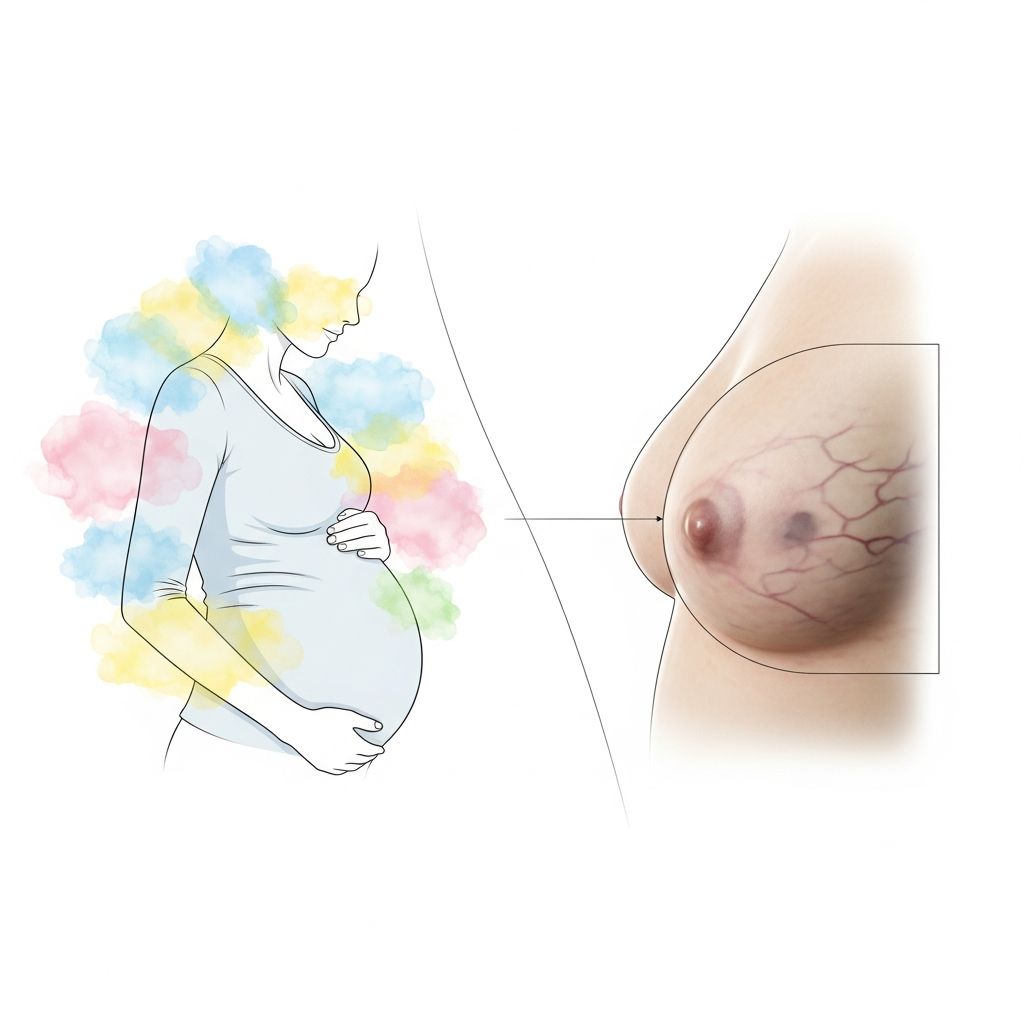
By the time you reach 34 weeks of pregnancy, you are well into the third trimester and getting close to meeting your baby. Your baby is putting on important body fat, organs are maturing, and your own body is shifting its focus toward labor and birth.
This stage can feel exciting, uncomfortable, and a little overwhelming all at once. Understanding what is happening inside your body and how to prepare can make these final weeks feel more manageable.
How Your Baby Is Growing at 34 Weeks
In late pregnancy, growth is less about forming new organs and more about maturing and gaining weight. Your baby is getting ready to live outside the womb.
| Aspect | What’s Happening Around 34 Weeks |
|---|---|
| Approximate size | About 17–18 inches (43–46 cm) long and close to 5 pounds (2.1–2.5 kg). |
| Body fat | Rapid fat gain under the skin helps with warmth and blood sugar control after birth. |
| Skin & hair | Skin looks smoother; protective vernix coating is thicker and the fine hair (lanugo) is decreasing. |
| Nervous system | Brain and nervous system continue fast development, improving movement, breathing patterns, and temperature control. |
| Lungs | Lungs are usually well-developed, though still maturing; many babies born now can breathe with minimal support. |
| Fingernails | Fingernails typically reach the tips of the fingers around this week. |
| Position | Most babies begin to settle head-down in preparation for birth, although some will turn later. |
Your Baby’s Movements
Even though space is tight, you should still feel regular movement patterns. Kicks may feel more like stretches, twists, or rolling motions now.
- Movements might feel different, but they should not stop.
- Many parents notice a predictable pattern of active and quiet times.
- If you notice a clear decrease in movement or no movement at all, contact your healthcare provider or maternity unit right away.
Common Physical Changes and Symptoms at 34 Weeks
As your uterus expands and your baby grows, your body must adapt quickly. Some symptoms are uncomfortable but typical; others are warning signs.
Normal but Uncomfortable Symptoms
Many people at this stage report:
- Pelvic or hip discomfort: The joints and ligaments around your pelvis can loosen, sometimes causing pain, especially when walking or changing positions.
- Back pain: Extra weight, posture changes, and loosened ligaments can strain your lower back.
- Frequent urination: Your growing uterus sits low in the pelvis, putting more pressure on the bladder.
- Shortness of breath: The uterus may press upward on the diaphragm, making deep breaths harder, especially when lying flat.
- Heartburn and indigestion: Hormones relax the valve between stomach and esophagus, and the uterus crowds the stomach.
- Swollen feet or ankles: Mild swelling from fluid changes and pressure on blood vessels can be common in late pregnancy.
Pelvic Girdle Pain (PGP)
Pelvic girdle pain is a specific pattern of pain around the front or back of the pelvis, groin, hips, or thighs. It is usually related to the way joints move and the weight of pregnancy, rather than a problem with the baby.
If you think you have PGP, helpful strategies can include:
- Discussing symptoms with your midwife or doctor to rule out other causes.
- Using pillows between your knees and under your bump while lying on your side.
- Avoiding heavy lifting, sudden twisting, or wide-step movements.
- Asking about physical therapy or specific exercises for pelvic stability.
When Symptoms Could Be a Warning Sign
Contact your healthcare provider or seek urgent help if you notice:
- Severe or sudden abdominal pain.
- Vaginal bleeding or a gush/steady trickle of fluid (possible water breaking).
- Strong headaches, vision changes, or severe swelling of hands and face.
- Pain or burning when you pee, especially with fever.
- Regular, painful contractions that do not go away with rest or hydration.
- Marked reduction or absence of baby movements.
Your Body’s Final Preparations for Birth
Behind the scenes, your body is quietly making adjustments for labor and life after birth.
Changes in the Cervix and Uterus
- The uterus contracts at times in Braxton Hicks contractions—irregular, usually mild tightenings that tend to ease with rest or fluids.
- Over the coming weeks, the cervix will gradually soften and may begin to thin and open, especially in late third trimester.
The Baby’s Position
Many babies are now head-down with their back along one side of your abdomen and legs tucked up toward the chest.
- A head-down position is ideal for vaginal birth.
- If your baby is breech (bottom-down) or lying sideways, your provider may monitor more closely and discuss options like specific exercises or, later, an external turning procedure (external cephalic version).
Looking After Yourself at 34 Weeks
Self-care now supports both your comfort and your baby’s health. Small daily choices can make a big difference.
Sleep and Rest
Sleep may be interrupted by discomfort, frequent bathroom trips, or an active baby. Evidence-based guidance generally recommends going to sleep on your side after the 28th week.
- Use several pillows to support your back, bump, and between your knees.
- Try lying on your left side to support blood flow, though either side is safer than lying flat on your back.
- A comfortable, consistent night routine (dim lights, calm activities) can help.
Food, Fluids, and Activity
Healthy daily habits still matter, even this late in pregnancy.
- Balanced meals: Include whole grains, vegetables, fruits, protein, and healthy fats to support energy and baby’s growth.
- Plenty of fluids: Staying hydrated can ease constipation, reduce Braxton Hicks, and support circulation.
- Light to moderate activity: Walking, prenatal yoga, or stretching (if approved by your provider) can help with mood, sleep, and aches.
- Avoid alcohol, tobacco, and non-prescribed drugs: These are unsafe at any stage of pregnancy.
Preparing Emotionally and Practically
At 34 weeks, many people shift from thinking about pregnancy to imagining labor and life with a newborn. Planning ahead can help you feel more confident.
Birth Preferences and Communication
Consider writing down your birth preferences and discussing them with your healthcare team and support person. This might include:
- Who you want present during labor and delivery.
- Pain relief options you are interested in (or want to avoid).
- Positions you might like to use in labor (standing, side-lying, using a birthing ball).
- Plans for skin-to-skin contact and feeding soon after birth.
- Any medical conditions (such as pelvic girdle pain or high blood pressure) that may affect your labor positions or care.
Getting Ready for the Hospital or Birth Center
While you still have a few weeks until your due date, babies sometimes arrive earlier. A bit of preparation now can reduce stress later.
- Pack a basic bag with comfortable clothes, toiletries, and items for the baby (diapers, a going-home outfit, blanket).
- Keep important documents handy (ID, insurance information, any birth-plan notes).
- Plan how you will get to the hospital or birth setting at different times of day.
- Arrange childcare or pet care if needed for older children or animals.
Planning for the Postpartum Period
The weeks after birth can be demanding. Thinking ahead can support your recovery and bonding time.
- Stock easy, nutritious meals or ingredients in your fridge and freezer.
- Gather basic supplies such as sanitary pads, comfortable underwear, nursing bras, and pain relief recommended by your provider.
- Talk with your partner, family, or friends about how they can help with chores, meals, and emotional support.
- Know where to seek help if you notice mood changes, anxiety, or low feelings that are hard to shake.
Medical Care and Checkups at 34 Weeks
Regular prenatal care stays important right up to birth. Around this time, your visits may become more frequent.
What Your Provider May Check
- Blood pressure: To screen for conditions like preeclampsia, which can affect both parent and baby.
- Urine tests: To look for protein (a possible sign of preeclampsia) or infection.
- Bump measurement: Measuring fundal height (from top of the uterus to pubic bone) to monitor baby’s growth.
- Baby’s heartbeat and position: Using a Doppler or other tools to check well-being and orientation.
- Discussion of symptoms: Talking through any pain, swelling, contractions, or other concerns.
Keeping Track of Concerns
It can be helpful to bring notes or a list of questions to each appointment. Include items such as:
- Changes in movement patterns.
- New or worsening pain.
- Questions about labor signs or when to go to the hospital.
- Concerns about previous births or medical conditions.
Frequently Asked Questions (FAQs) at 34 Weeks
Should I worry if my baby’s kicks feel weaker than before?
Movements may feel more like rolling or stretching now because there is less space, but your baby should still move regularly. If you notice a clear reduction in movements or no movement, contact your maternity unit or healthcare provider immediately for assessment.
Is it safe if my baby is still breech at 34 weeks?
Many babies turn head-down between now and 36–37 weeks. It is not unusual for a baby to be breech at 34 weeks. Your provider will monitor the position and, if needed, may discuss options such as trying to turn the baby later in pregnancy.
Can my baby survive if born at 34 weeks?
Babies born at 34 weeks are considered late preterm. Many do very well, especially as lungs and other organs are usually fairly mature by this point, though they may still need special care in a neonatal unit depending on their condition at birth.
How can I ease back and pelvic pain right now?
Gentle exercise (like walking or prenatal yoga), good posture, supportive footwear, a pregnancy support belt, and careful movements (avoiding heavy lifting and sudden twists) can help. Using pillows for support during sleep and discussing pelvic girdle pain with your provider may also be useful.
When should I go to the hospital for labor?
Ask your provider for specific guidance, but many recommend going in when contractions are strong, regular, and getting closer together, or sooner if your water breaks, you experience heavy bleeding, or you are worried about the baby’s movements or your own health.
References
- Fetal development: Stages of growth — Cleveland Clinic. 2023-02-14. https://my.clevelandclinic.org/health/articles/7247-fetal-development-stages-of-growth
- Fetal development: The third trimester — Mayo Clinic. 2022-04-19. https://www.mayoclinic.org/healthy-lifestyle/pregnancy-week-by-week/in-depth/fetal-development/art-20045997
- Pregnancy Week by Week — March of Dimes. 2023-08-01. https://www.marchofdimes.org/pregnancy-week-week
- Your developing baby – week 34 — Kaiser Permanente. 2023-05-10. https://healthy.kaiserpermanente.org/northern-california/health-wellness/healtharticle.your-developing-baby-week-34
- 34 weeks pregnant guide — NHS (UK). 2022-11-15. https://www.nhs.uk/best-start-in-life/pregnancy/week-by-week-guide-to-pregnancy/3rd-trimester/week-34/
- 34 weeks pregnant: baby’s development, the nesting instinct and protecting your joints — Tommy’s. 2023-09-05. https://www.tommys.org/pregnancy-information/im-pregnant/pregnancy-week-by-week/34-weeks-pregnant