Stretch marks are one of the most common skin changes during pregnancy, and they can be surprising, emotional, and sometimes uncomfortable. While there is no guaranteed way to prevent them completely, a thoughtful approach to weight gain, skincare, hydration, and nutrition can help support your skin’s elasticity and may reduce how noticeable they become over time.
What Pregnancy Stretch Marks Are
Stretch marks, or striae gravidarum, are small tears in the deeper layers of the skin that occur when it stretches faster than its support structures can adapt. They often start out red, purple, or pink and gradually fade to lighter, silvery lines after pregnancy.
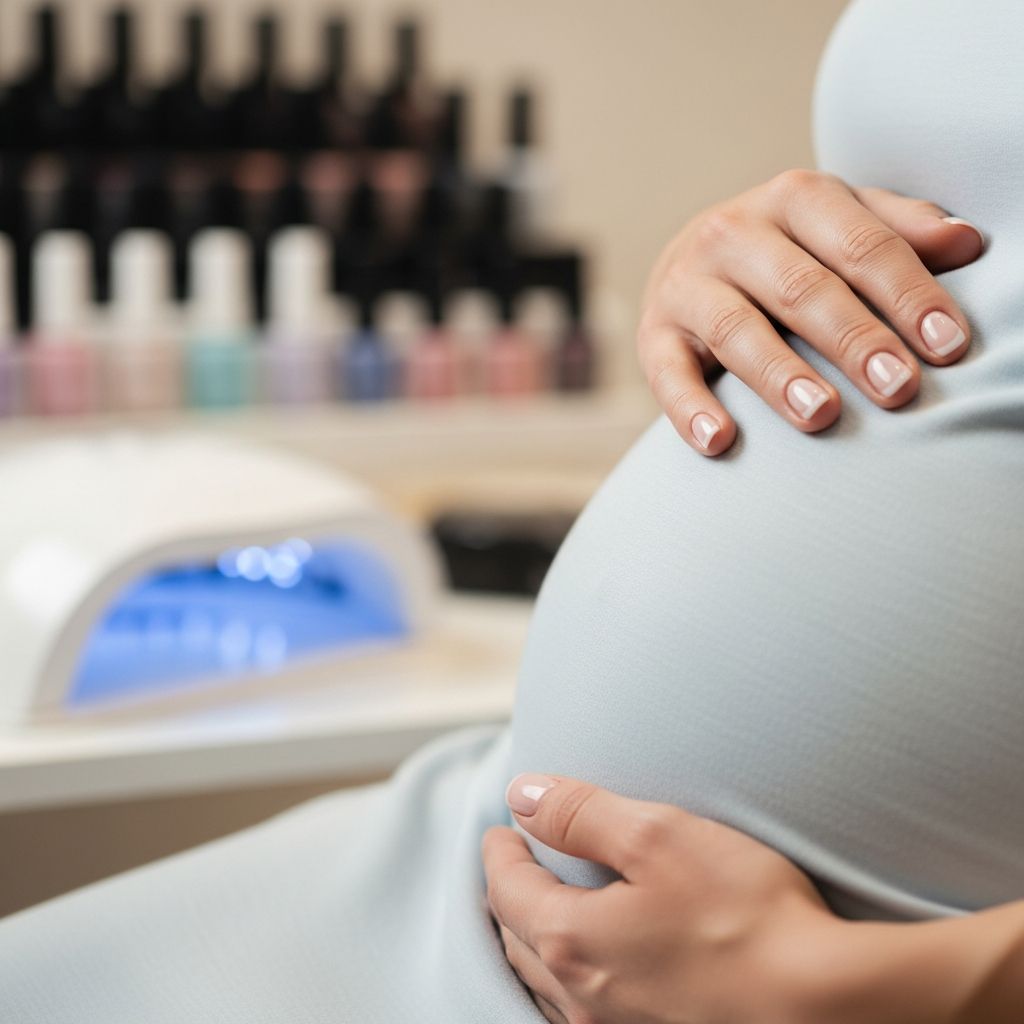
During pregnancy, they most commonly appear on the belly, breasts, hips, buttocks, and thighs, following the areas of fastest growth. Factors such as hormones, fluid shifts, and rapid stretching contribute to these changes, which explains why they are so widespread among pregnant people.
Can Stretch Marks Be Fully Prevented?
Current medical evidence shows that no cream, oil, or home remedy can reliably stop all pregnancy stretch marks from forming. Many topical products are marketed with bold promises, but controlled studies have not found strong proof that any one ingredient completely prevents them.
However, a combination of good skin care, gradual weight gain, and healthy lifestyle habits can support skin flexibility and may reduce how many stretch marks form or how intense they look. Understanding the limits of prevention can also ease pressure and encourage a more compassionate view of a changing body.
Main Causes and Risk Factors
Stretch marks develop when the collagen and elastin in the skin are pushed beyond their capacity, creating microscopic tears that show as visible streaks. Pregnancy hormones may soften connective tissue, making the skin more prone to these changes.
Certain factors increase the likelihood or severity of stretch marks, including a family history of them, multiple pregnancies, large babies, rapid or excessive weight gain, and carrying multiples. Individuals with lighter skin tones may notice red or pink lines more clearly, while those with darker skin often see darker or purplish marks.
Key risk factors to know
- Family history of pregnancy stretch marks.
- Rapid growth of the abdomen, breasts, hips, or thighs.
- Carrying twins or higher-order multiples.
- High or very rapid weight gain during pregnancy.
- Previous stretch marks from puberty or weight changes.
Healthy Weight Gain and Its Role
One of the most helpful ways to support your skin during pregnancy is to gain weight steadily within the range recommended for your body and circumstances. Rapid jumps in weight give the skin less time to adapt, which can increase the likelihood of tearing in the supporting fibers.
Working with a prenatal care provider to set a target range and monitor progress helps balance the nutritional needs of you and your baby with the need to protect connective tissue. Slow, measured gain also supports joint comfort, heart health, and overall pregnancy well-being.
Practical ways to keep weight gain steady
- Eat regular, balanced meals with lean protein, whole grains, fruits, and vegetables.
- Limit highly processed, sugary, and very salty foods that can promote fluid retention and rapid weight changes.
- Discuss any concerns about appetite, nausea, or cravings with your prenatal provider early.
Hydration From Inside and Out
Keeping skin cells well hydrated helps them stay more supple and resilient as they stretch. Drinking enough water supports circulation and tissue repair, while external moisturizers help trap that water in the outer layers of the skin.
Most guidelines suggest aiming for a generous daily fluid intake, adjusting for your climate, activity level, and medical conditions. Choosing water and other low-sugar drinks can support both skin and overall pregnancy health.
Hydration tips for pregnancy
- Keep a refillable bottle nearby and sip regularly throughout the day.
- Include water-rich foods like fruits, vegetables, and soups in meals.
- Limit very sugary beverages that can contribute to excess weight gain.
Nutrition for Skin Elasticity
Collagen and elastin form the scaffolding that allows skin to stretch and then return toward its original shape. Nutrients such as vitamin C, vitamin E, zinc, protein, and certain B vitamins support the production and protection of these fibers, making a nutrient-dense diet an important part of any prevention plan.
While no food can guarantee stretch-mark-free skin, consistently choosing whole, minimally processed foods helps provide the building blocks for healthy connective tissue and supports your baby’s development at the same time.
| Nutrient | Role in skin | Pregnancy-friendly food examples |
|---|---|---|
| Vitamin C | Supports collagen formation and protects against oxidative damage. | Citrus fruits, berries, bell peppers, broccoli, kiwi. |
| Vitamin E | Helps protect cell membranes and lipids in skin. | Nuts, seeds, vegetable oils, avocado, spinach. |
| Protein | Provides amino acids for collagen and tissue repair. | Lean meats, eggs, beans, lentils, yogurt, tofu. |
| Zinc | Supports wound healing and collagen function. | Meat, poultry, legumes, seeds, whole grains. |
| B vitamins | Help maintain healthy skin metabolism and energy use. | Whole grains, eggs, dairy, leafy greens, fortified cereals. |
Gentle Exercise to Support Skin and Circulation
Regular, pregnancy-safe exercise encourages better blood flow to the skin, bringing nutrients and oxygen that help maintain its elasticity. It also supports gradual weight gain, muscle tone, and mood balance, all of which indirectly influence how the skin adapts to pregnancy.
Options like walking, prenatal yoga, swimming, and low-impact aerobics are frequently recommended, but it is important to confirm with a healthcare provider which types and intensities of exercise are appropriate for your situation.
Exercise tips during pregnancy
- Start slowly if you were not very active before pregnancy, and increase time and intensity gradually.
- Aim for consistent, moderate movement rather than intense, sporadic workouts.
- Stop and seek medical advice if you notice pain, dizziness, bleeding, or shortness of breath.
Moisturizing and Topical Products
Moisturizers, oils, and creams can make the skin feel more comfortable and may lessen itchiness as it stretches, which is valuable in its own right. Keeping the outer layer of skin hydrated reduces dryness and may support elasticity, even though research does not confirm that these products can fully prevent stretch marks.
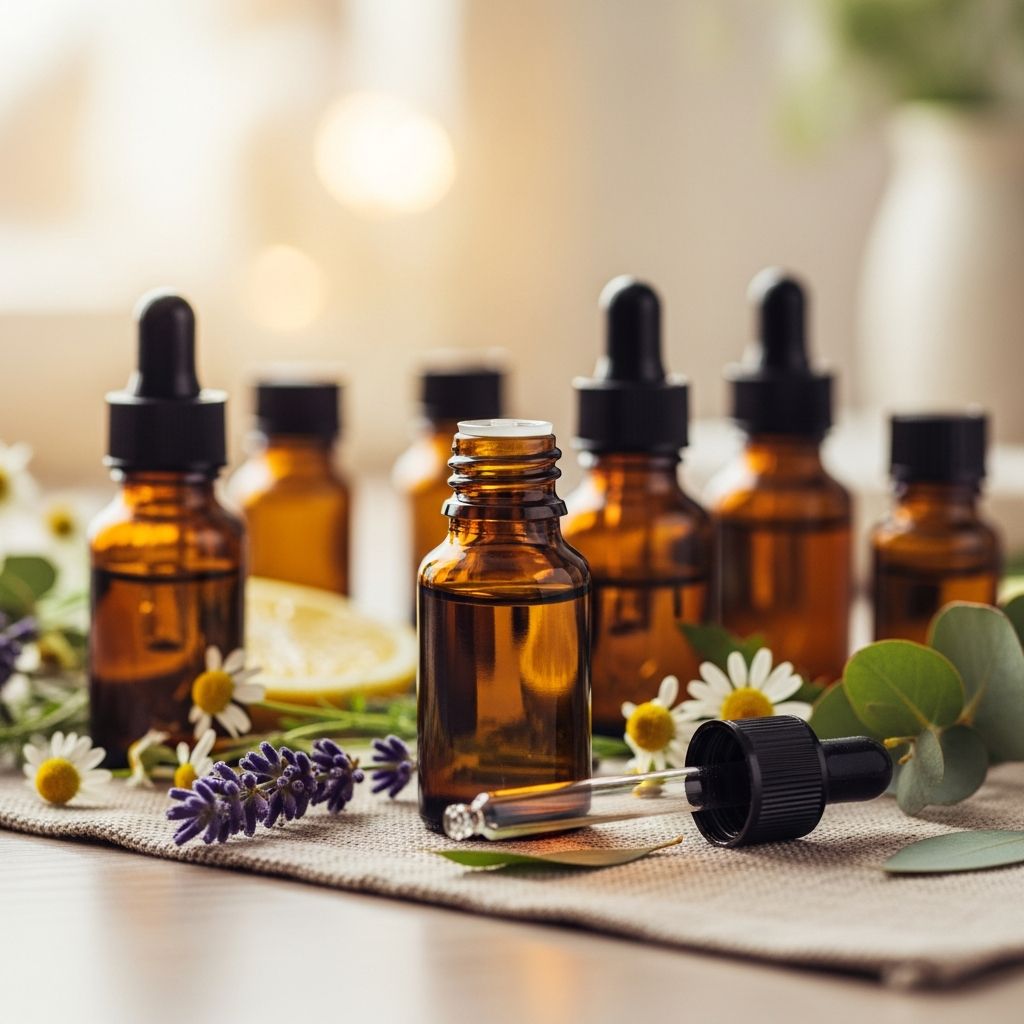
Common ingredients include plant oils, shea or cocoa butter, hyaluronic acid, and vitamins such as E and provitamin B5. Some specialized creams combine several components intended to improve hydration, support collagen, or reduce inflammation in the skin.
How to apply moisturizers effectively
- Start early in pregnancy and continue daily, focusing on the belly, breasts, hips, and thighs.
- Apply after a shower or bath while the skin is still slightly damp to lock in water.
- Use gentle circular massage movements to support blood flow without aggressive pulling.
It is wise to review product ingredient lists and avoid harsh fragrances, high concentrations of retinoids, or essential oils that are not clearly labeled as pregnancy-safe. When in doubt, a midwife or dermatologist can offer guidance tailored to your skin type and medical history.
Realistic Expectations About Results
Even with careful skincare and a healthy lifestyle, many people will still develop some stretch marks during pregnancy, and this is normal. Over time, most marks fade significantly and become much less noticeable, especially as the surrounding skin recovers its tone.
Accepting that genetics and hormone patterns cannot be fully controlled can reduce frustration and allow more focus on comfort, function, and the remarkable work the body is doing. Viewing stretch marks as a common part of the pregnancy story rather than a flaw can help protect emotional well-being.
After Pregnancy: What Helps Marks Fade
Postpartum, the color and texture of stretch marks usually soften as hormone levels stabilize and the skin gradually contracts. Many people notice significant fading in the first year after birth, especially as weight stabilizes and muscle tone improves.
For those who remain very bothered by their appearance, dermatology treatments such as laser therapy, microneedling, or certain prescription creams may make marks less visible, though they do not remove them entirely. These options are usually considered after breastfeeding and require professional evaluation of risks and benefits.
Postpartum skin-care habits
- Continue gentle moisturizing and sun protection on areas with stretch marks.
- Discuss professional treatments with a dermatologist if marks affect your confidence or comfort.
- Maintain balanced nutrition and activity levels to support slow, sustainable changes in body composition.
Emotional Impact and Body Image
Stretch marks can stir complicated feelings, especially in a culture that often prizes unmarked or “perfect” skin. It is common to feel surprised, frustrated, or self-conscious when they first appear, even when you understand they are medically harmless.
Talking openly with partners, friends, or other parents and seeking supportive, evidence-based information can help reframe stretch marks as a normal part of many pregnancies. If distress persists, mental health support can be an important ally in adjusting to your changed body and new role.
Quick Checklist: Daily Habits That Help
Preventing every stretch mark is not realistic, but building a simple, sustainable routine can give your skin the best possible conditions to adapt. Focusing on consistency rather than perfection is key.
- Follow a gradual, provider-guided weight gain plan.
- Drink water regularly and eat a nutrient-dense diet rich in whole foods.
- Exercise gently and consistently, if cleared by your healthcare team.
- Moisturize stretching areas daily with a comfortable, pregnancy-safe product.
- Protect your skin from excessive sun exposure, which can make marks more noticeable.
- Be kind to yourself and remember that stretch marks are extremely common.
FAQs About Pregnancy Stretch Marks
1. When do stretch marks usually appear in pregnancy?
Stretch marks most often appear in the second and third trimesters, when the baby and belly are growing quickly and the skin is under the most tension. Some people see them earlier, especially on the breasts or hips, but they frequently become more noticeable in the later months.
2. Do certain creams or oils really prevent them?
Studies comparing different topical products have not found strong, consistent evidence that any one cream or oil can fully prevent pregnancy stretch marks. Many people enjoy using moisturizers because they relieve itchiness and help the skin feel more comfortable, but they should be viewed as supportive care rather than a guaranteed solution.
3. Are stretch marks permanent?
Stretch marks are technically permanent changes in skin structure, but their appearance often improves significantly over time. Early red or purple marks commonly fade to lighter shades that are much harder to notice, especially after pregnancy and breastfeeding are complete.
4. Can I use retinol or strong active ingredients while pregnant?
Strong topical retinoids are generally not recommended during pregnancy and should only be used if specifically prescribed and supervised by a healthcare professional. Gentler moisturizers and pregnancy-safe ingredients are usually preferred to avoid unnecessary risk while still supporting comfort and hydration.
5. Do men or non-pregnant people get stretch marks too?
Yes, stretch marks are common during rapid growth in puberty, significant weight changes, muscle gain, certain medical conditions, and with long-term use of some medications such as corticosteroids. Pregnancy is just one of many times in life when the skin can be asked to stretch more quickly than usual.
6. When should I see a dermatologist?
It can be helpful to see a dermatologist if you are unsure whether a mark is a stretch mark, if you notice pain, color changes, or other skin symptoms, or if you are interested in post-pregnancy treatment options. A specialist can confirm the diagnosis and discuss realistic expectations for creams, procedures, and the natural fading process.