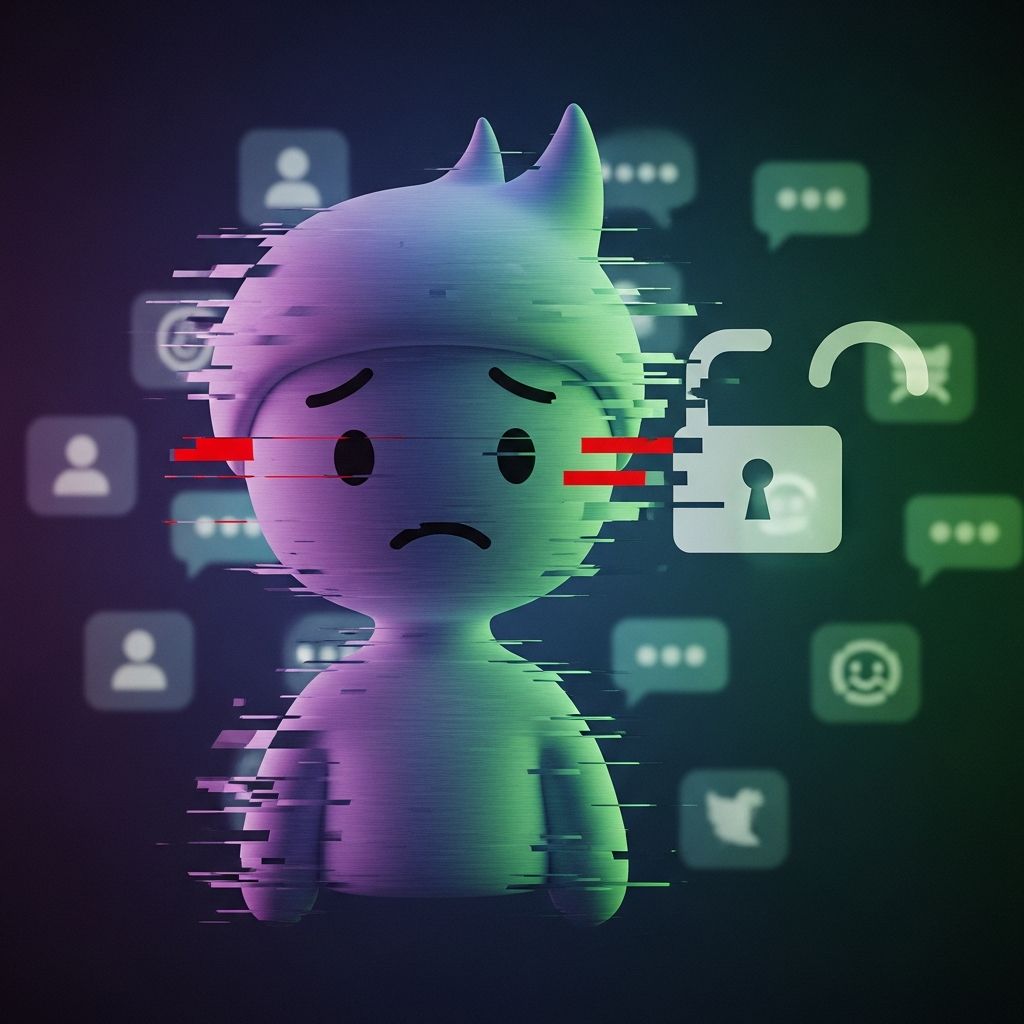
Virtual worlds like Zepeto offer children immersive creativity through 3D avatars and interactive spaces, but they harbor significant hazards that demand parental vigilance. This article examines these threats and provides actionable guidance to ensure safe digital engagement.
The Allure of Zepeto for Young Users
Zepeto, a South Korean app launched in 2018, combines elements of social media, gaming, and avatar customization, drawing millions of users, particularly teens and preteens. Children craft detailed 3D characters, style them with virtual outfits, explore themed environments, and connect in chat rooms or private messages. Recent AI enhancements allow even more personalized avatars, amplifying its appeal amid trends in metaverse-style apps.
With around 20 million monthly active users, including a notable portion from Europe, Zepeto’s blend of fashion play, mini-games, and social interaction mirrors popular platforms like Roblox or The Sims, making it irresistible to kids seeking self-expression online. However, this engagement comes at a cost to safety.
Navigating Stranger Interactions in Virtual Spaces
One of the primary concerns is unrestricted communication with unknown individuals. Zepeto enables public chats and private messaging without default restrictions, allowing anyone to contact a child’s avatar. Predators exploit this anonymity, posing as peers to build trust, which can escalate to grooming, sextortion, or requests for personal details.
Parental reports highlight incidents where children received unsolicited inappropriate messages, underscoring the platform’s vulnerability. Avatar-based interactions obscure real identities, heightening deception risks. Official guidelines prohibit grooming and exploitation of minors, promising permanent bans and reports to authorities for violations. Yet, proactive prevention relies on users enabling privacy features manually.
Exposure to Unsuitable Materials and Themes
User-generated content floods Zepeto’s worlds, evading perfect moderation. Children may enter rooms featuring suggestive avatar outfits, profanity, self-harm allusions, or mature references from adult-oriented media. Customizable characters enable simulations of inappropriate behaviors, exposing young eyes to content far beyond age-appropriate bounds.
Unlike controlled platforms, Zepeto’s open design means a simple search or friend request can lead to troubling encounters. Community rules explicitly ban sexualized depictions of minors, including digital avatars, but enforcement gaps persist, as noted in parent forums and safety analyses.
Impact on Self-Perception and Mental Well-Being
Idealized avatar designs, often portraying slim, elongated figures with doll-like features, promote unrealistic beauty ideals. Studies link such platforms to body dissatisfaction among adolescent girls, who adjust avatars toward slimmer bodies and lighter skin tones, mirroring Western standards. Repeated immersion can erode self-esteem, fostering anxiety or risky behaviors offline.
Cyberbullying thrives in unfiltered chats, where peers or strangers harass via avatars, amplifying emotional distress. Addictive elements like daily login rewards and FOMO-driven incentives exacerbate screen time issues, displacing real-world activities.
Financial Pitfalls and Spending Temptations
Zepeto operates on a free-to-play model with in-app currencies—Zems and Coins—purchased for real money to acquire exclusive items, branded collaborations, or avatar enhancements. This blurs virtual and actual value, tempting impulsive buys from children unaware of costs.
Without built-in spending caps, overspending risks accumulate. Parents report difficulties distinguishing virtual from real transactions, emphasizing the need for device-level controls.
Absence of Robust Safety Mechanisms
Targeted at ages 14+, Zepeto lacks mandatory age verification or default parental controls, a glaring omission for apps popular with younger children. Privacy settings exist but require manual activation: users must navigate to profile gear icons, select ‘Privacy and Contents,’ and limit chats to followers or none. Profiles remain partially public, risking data exposure.
While the app commits to minor safety as a priority, combating grooming through community reports and off-platform behavior scrutiny, these measures react rather than prevent. No native time limits or content filters compound vulnerabilities.
Practical Strategies for Parental Oversight
- Configure Privacy Immediately: Direct children to restrict messages to ‘Followers Only’ or ‘No One,’ disable comments, and privatize accounts. Review profiles to block personal info sharing.
- Implement Device Controls: Use Google Family Link or Apple Screen Time for app limits, purchase approvals like ‘Ask to Buy,’ or prepaid cards to cap spending.
- Educate on Red Flags: Teach recognition of grooming tactics—secret chats, gifts, info requests—and encourage immediate reporting of discomfort.
- Monitor Behavioral Shifts: Watch for avatar obsession with beauty ideals, post-use anxiety, or withdrawal, prompting deeper discussions on self-image.
- Explain Virtual Economics: Demystify Zems’ real-money value to foster mindful spending habits.
Comparing Zepeto to Safer Digital Alternatives
| Feature | Zepeto | Safer Options (e.g., Gabb, Controlled Roblox) |
|---|---|---|
| Stranger Chat | Open by default | Restricted or supervised |
| Content Moderation | User-generated, inconsistent | Strict filters, age-gated |
| Parental Tools | Manual only | Built-in controls, monitoring |
| Spending | In-app purchases easy | Limited or parent-approved |
| Age Rating | 14+ | Younger-focused with gates |
Platforms with inherent safeguards better suit children, prioritizing moderated creativity over open social features.
Building Open Dialogues on Digital Safety
Honest conversations form the bedrock of protection. Regularly discuss online encounters, validate concerns, and model safe habits. Frame the internet as a tool with rules, empowering kids to self-advocate. Resources like guardian guides reinforce these talks.
Frequently Asked Questions
Is Zepeto appropriate for children under 13?
No, rated 14+ with no age checks; risks like stranger chats make it unsuitable for younger kids.
How do I block private messages on Zepeto?
Access profile settings > Privacy and Contents > Set messaging to ‘No one’ or ‘Followers only’.
Can Zepeto lead to real-world dangers?
Yes, grooming via chats has led to sextortion or meetup attempts in reported cases.
What if my child encounters bad content?
Report via app tools, block users, and discuss; escalate to platform support if severe.
Are there free alternatives without risks?
Yes, kid-safe creative apps with parental oversight avoid social pitfalls.
References
- Is Zepeto Safe for Kids? What Parents Need to Know — Gabb. 2024. https://gabb.com/blog/zepeto-app/
- Beyond the Avatar: Real-World Risks on the Zepeto App — Cyber Safety Guy. 2024. https://www.cybersafetyguy.com/p/beyond-the-avatar-real-world-risks
- What Parents & Carers Need to Know about the App ZEPETO — Willowbank School. 2025-04-21. https://willowbank.st-helens.sch.uk/news/2025-04-21-what-parents-carers-need-to-know-about-the-app-zepeto
- Community Guidelines — ZEPETO Support. 2024. https://support.zepeto.me/hc/en-us/articles/900005448466-Community-Guidelines
- What You Need to Know: ZEPETO — National College. 2024. https://nationalcollege.com/guides/zepeto
- Fighting online grooming as a community — ZEPETO Support. 2024. https://support.zepeto.me/hc/en-us/articles/10569262888729-Fighting-online-grooming-as-a-community