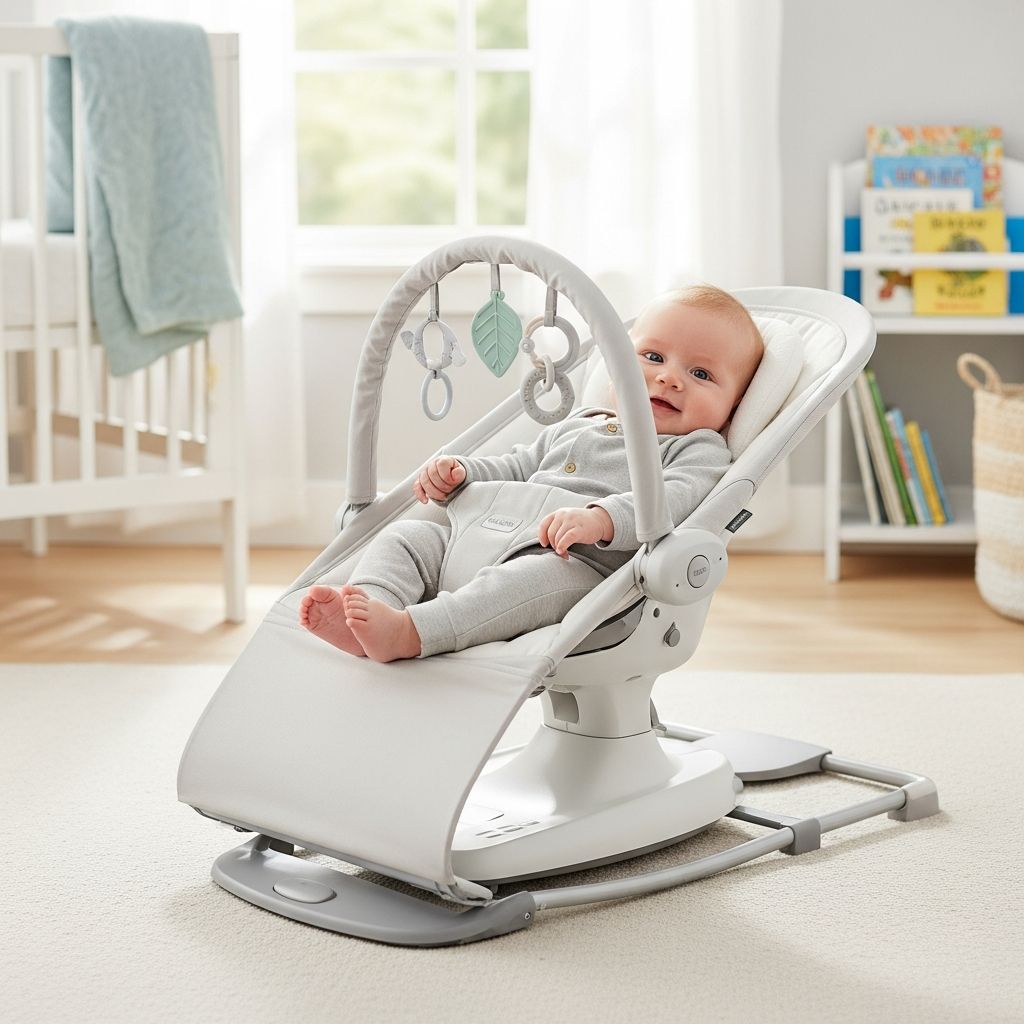
Ensuring your baby sleeps safely is a top priority for parents, with health experts unanimously recommending back sleeping to minimize risks like sudden infant death syndrome (SIDS). Side sleeping, while sometimes preferred by babies, carries significant dangers for infants under one year old due to the potential for rolling onto the stomach, which can obstruct airways.
Understanding the Core Principles of Infant Sleep Safety
The foundation of safe sleep begins with positioning. Health authorities emphasize placing infants on their backs for every sleep, including naps, from birth until at least 12 months. This supine position keeps airways open and reduces rebreathing exhaled air, a key factor in SIDS prevention.
Side sleeping was once thought acceptable but research shifted recommendations after evidence linked it to higher SIDS rates. Babies in this position can easily tip forward onto their stomachs, where their faces may press into bedding, limiting oxygen intake.
Why Side Sleeping Poses Serious Threats to Newborns
For newborns and young infants, muscle tone is underdeveloped, making independent position changes risky. A side-lying baby risks gravitational roll to prone, increasing suffocation hazards on soft surfaces. Studies confirm side positions are unstable, with infants twice as likely to end up stomach-down compared to back starters.
- Increased SIDS Risk: Stomach and side sleeping correlate with elevated SIDS incidence, dropped dramatically since ‘Back to Sleep’ campaigns.
- Airway Obstruction: Prone positions hinder chest expansion and diaphragm movement, impairing breathing arousal.
- Rebreathing Concerns: Trapped carbon dioxide near the face builds up, preventing wakefulness.
Even if a baby seems comfortable on their side, parental placement should always start on the back. Interventions like propping are discouraged as they introduce entrapment risks.
Age Milestones: When Side Sleeping Becomes Less Risky
Around 4-6 months, many babies gain strength to roll independently. At this stage, if placed on their back but roll to side or stomach, it’s generally safe to leave them—no repositioning needed, provided the sleep environment remains bare.
By one year, most toddlers have head control and mobility to adjust positions safely. However, habitual back placement until 12 months establishes lifelong safe habits.
| Age Group | Recommended Action | Rationale |
|---|---|---|
| Newborn to 4 months | Place on back; reposition if rolled | Weak neck muscles; high SIDS vulnerability |
| 4-6 months | Place on back; allow self-rolling to side/stomach | Developing strength reduces roll risk |
| 6-12 months | Place on back; no intervention for rolls | Increased mobility and awareness |
| Over 12 months | Any position acceptable | Full motor control achieved |
Creating an Optimal Sleep Environment
Beyond position, the sleep space matters. Use a firm, flat mattress in a safety-approved crib or bassinet, fitted with a tight sheet—no pillows, blankets, or toys. Room-sharing without bed-sharing for 6-12 months allows monitoring while promoting breastfeeding, which further cuts SIDS odds.
- Firm surface prevents sinking and wedging.
- Bare crib eliminates suffocation hazards.
- Alternate head position daily to avoid flat spots (plagiocephaly).
- Swaddle newborns only until rolling begins, arms out thereafter.
Avoid inclined sleepers, swings, or car seats for routine sleep; transfer drowsy babies to flat surfaces promptly.
Addressing Common Parental Concerns
Spitting Up and Choking: Babies on backs handle reflux naturally; their anatomy prevents aspiration better than side or stomach.
Flat Head Syndrome: Tummy time while awake (30+ minutes daily) and head rotation prevent deformities without compromising sleep safety.
Overheating: Light clothing and room temperature of 68-72°F suffice; avoid heavy swaddles in warm conditions.
If medical issues like reflux require alternatives, consult a pediatrician for supervised exceptions.
Practical Strategies to Encourage Back Sleeping
Some babies resist back placement. Establish routines: feed-play-sleep cycles, dark rooms, white noise. Use pacifiers post-feeding, as they offer independent SIDS protection. Video monitors provide visual reassurance without entry, reducing disturbance.
For persistent rollers under 1 year, gently return to back periodically until asleep, then monitor. Consistency pays off as habits form.
The Impact of Safe Sleep Campaigns
Since the 1990s, AAP-led initiatives slashed U.S. SIDS rates by over 50%. Global adoption of back sleeping mirrors this success, proving education’s power. Parents today benefit from decades of peer-reviewed data prioritizing evidence over tradition.
Frequently Asked Questions
Should I worry if my 3-month-old rolls to their side during sleep?
Yes, gently reposition to back. Their muscles aren’t strong enough yet to self-correct safely.
Is swaddling safe with side sleeping tendencies?
Swaddling promotes back sleep by restricting rolls, but stop once rolling starts to free arms.
What if my baby only sleeps on their side?
Persist with back placement and soothing techniques. Consult a doctor if sleep issues persist.
Does breastfeeding affect sleep position safety?
Yes, it lowers SIDS risk overall, complementing back sleeping.
Can I use a wedge to keep my baby on their back?
No, wedges pose entrapment risks; stick to flat, firm surfaces.
Empowering Parents for Lifelong Health
Adhering to back-to-sleep guidelines empowers parents to protect their infants effectively. Combine with vaccinations, smoke-free homes, and routine checkups for comprehensive safety. As babies grow, transition smoothly, always prioritizing evidence-based practices.
References
- Baby Sleeping on Side: What Can Happen and When Is It Safe? — Healthline. 2023-05-15. https://www.healthline.com/health/baby-sleeping-on-side
- Baby Sleeping on Side—Is It Safe? — Pampers. 2024-02-10. https://www.pampers.com/en-us/baby/sleep/article/baby-sleeping-on-side
- Can Newborns Sleep on Their Side? A Pediatrician’s Guide — Blueberry Pediatrics. 2024-08-22. https://blueberrypediatrics.com/health-tips/can-newborns-sleep-on-their-side-a-pediatricians-guide
- Infant Sleep Position and SIDS — NICHD (National Institute of Child Health and Human Development). 2013-10-01. https://www.nichd.nih.gov/sites/default/files/publications/pubs/documents/SIDS_QA-508-rev.pdf
- Safe Sleep for Babies — Nationwide Children’s Hospital. 2024-11-05. https://www.nationwidechildrens.org/family-resources-education/health-wellness-and-safety-resources/helping-hands/safe-sleep-practices-for-babies
- American Academy of Pediatrics Recommendations — Missouri Safe Sleep. 2022-06-01. https://safesleep.mo.gov/american-academy-of-pediatrics-recommendations/